Medieval armor display
1344×768 · AVIF · CC BY 4.0
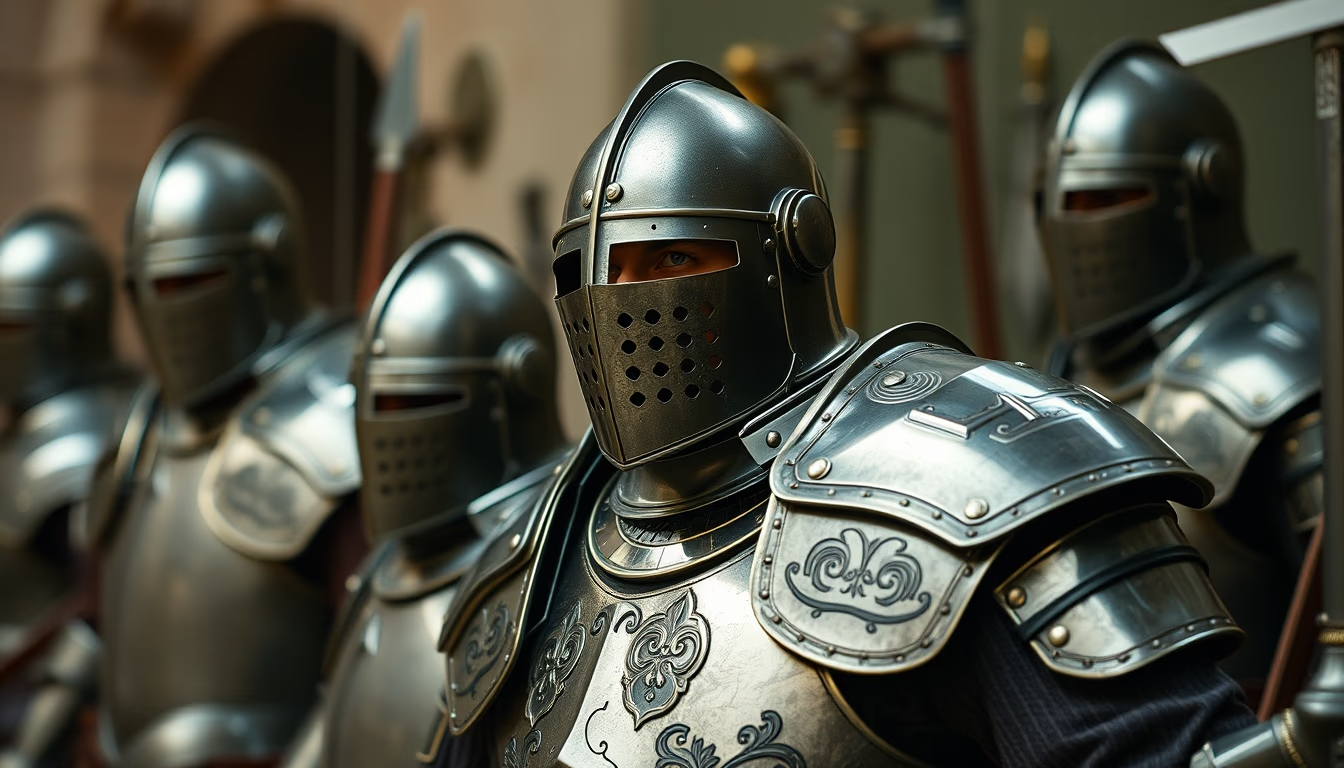
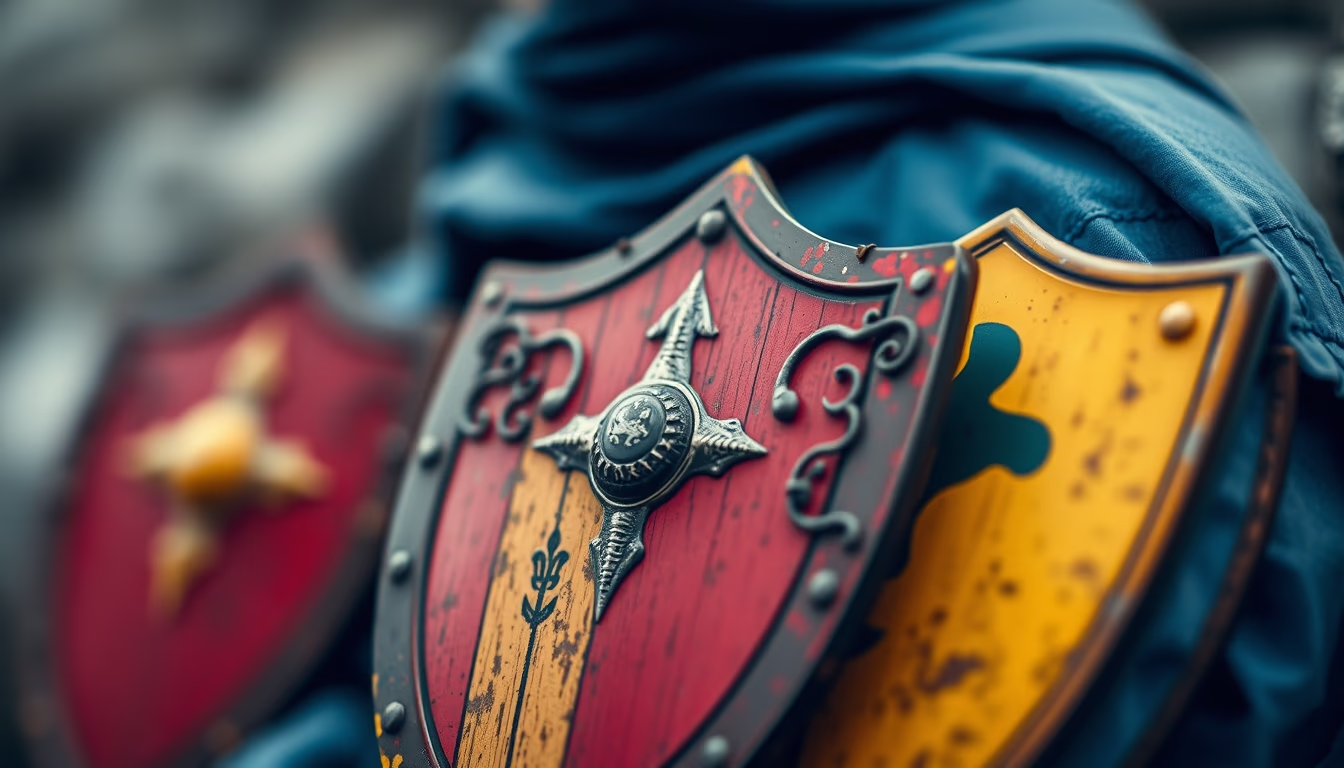
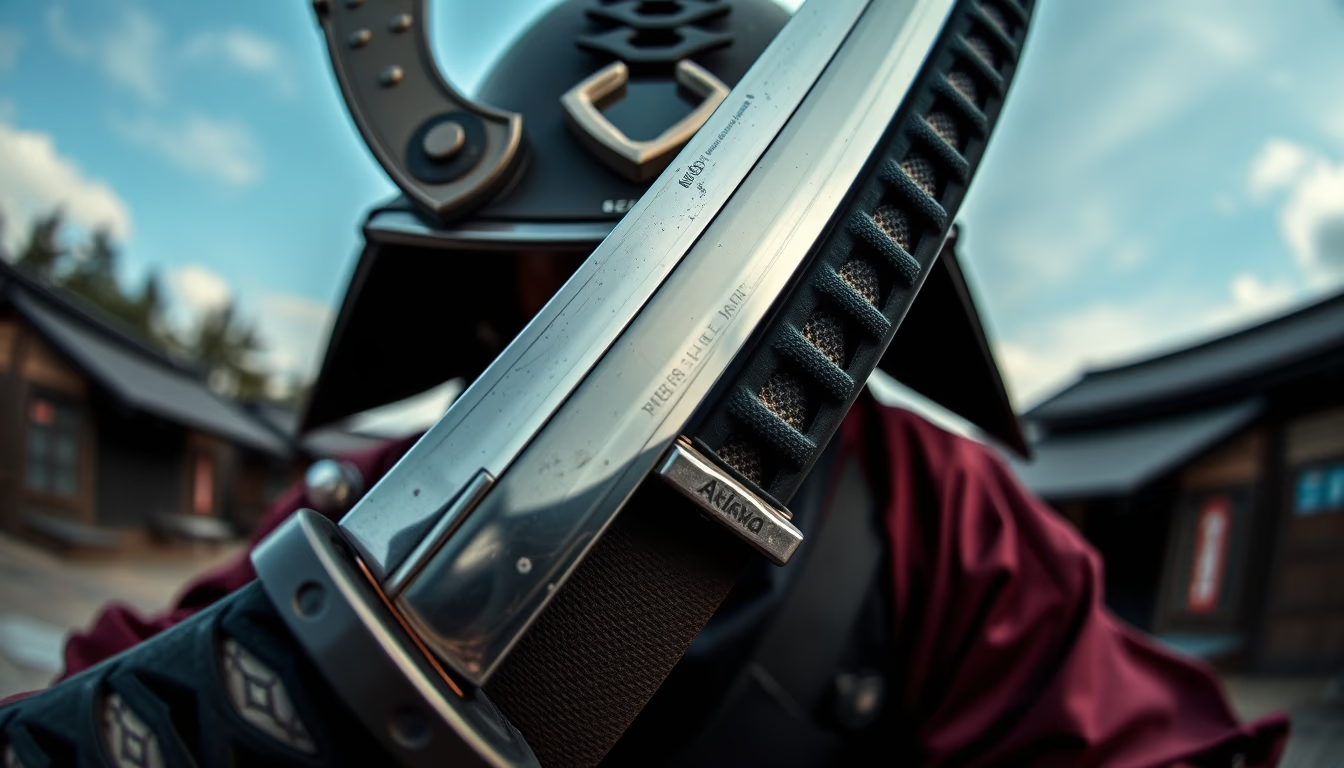
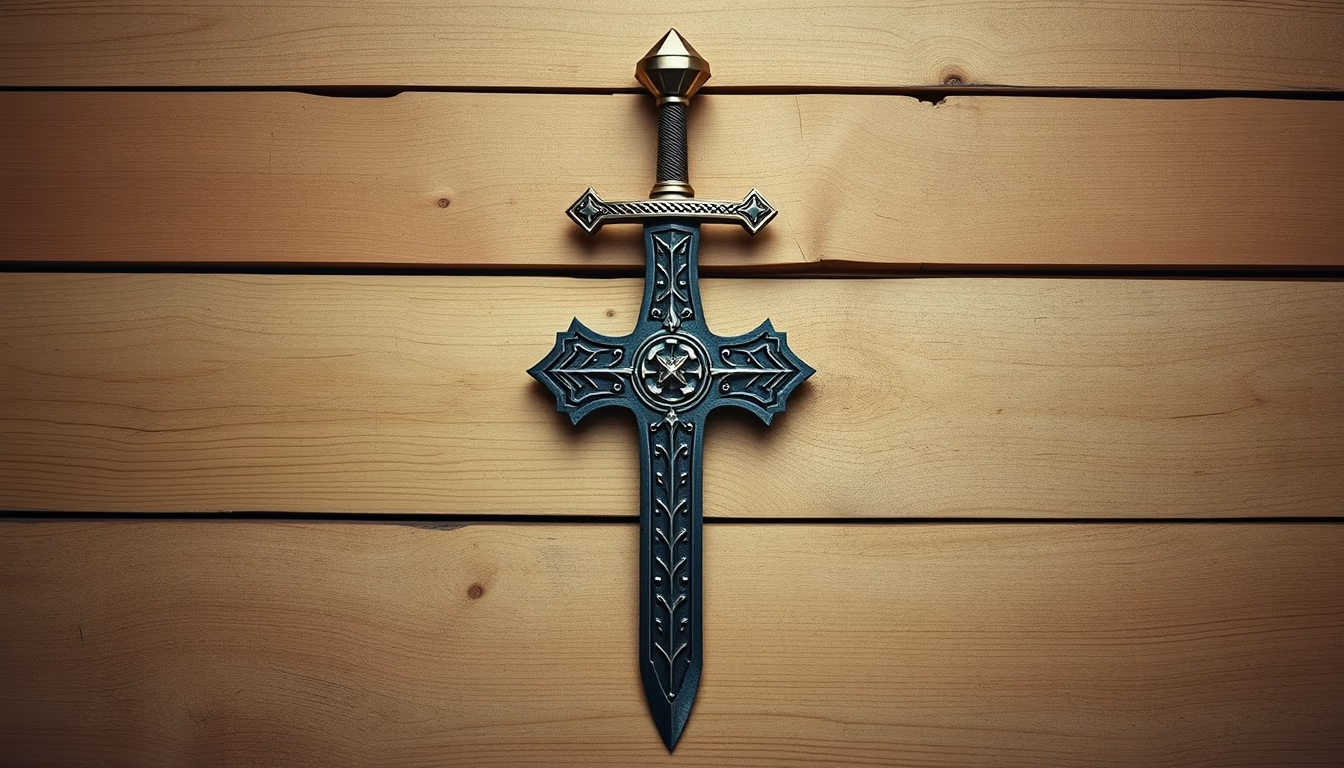
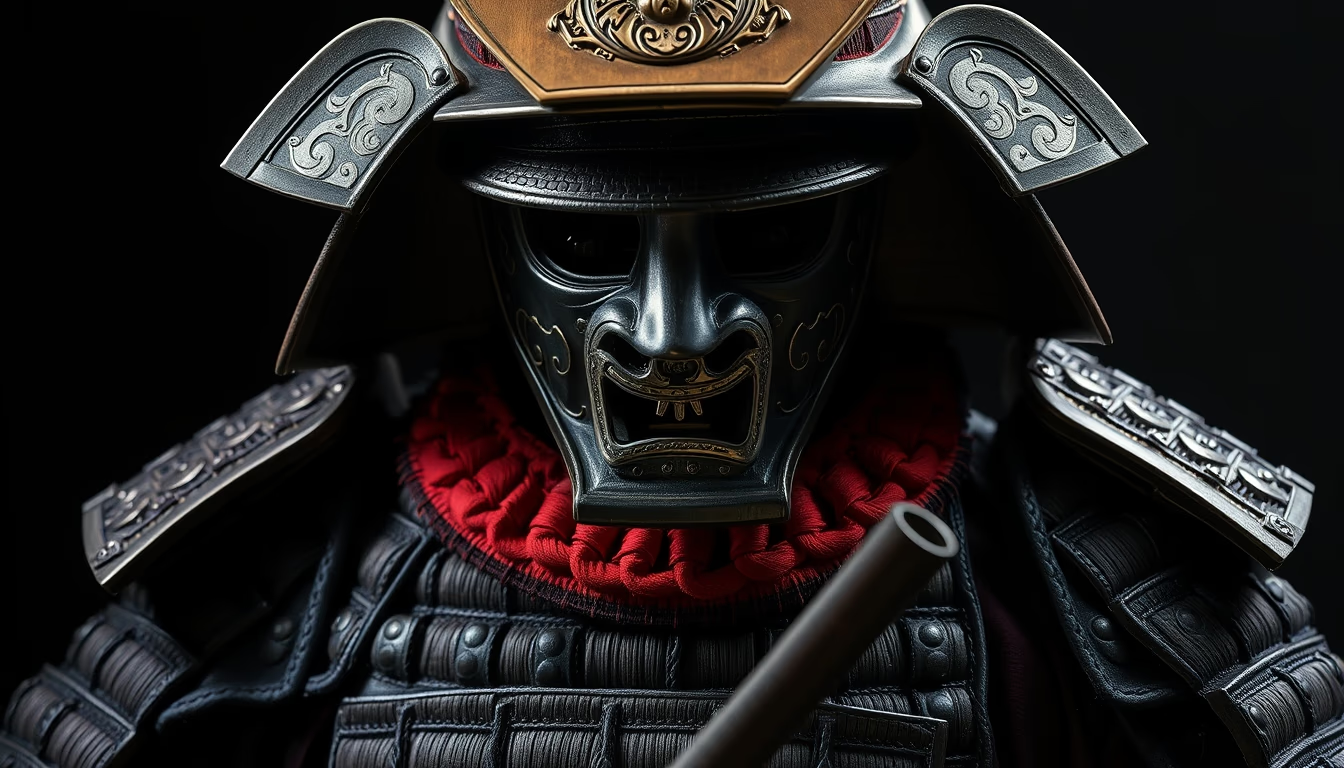
Medieval armor display, pieces combining military function and art, revealing the engineering and symbolism of an era.
About this subject
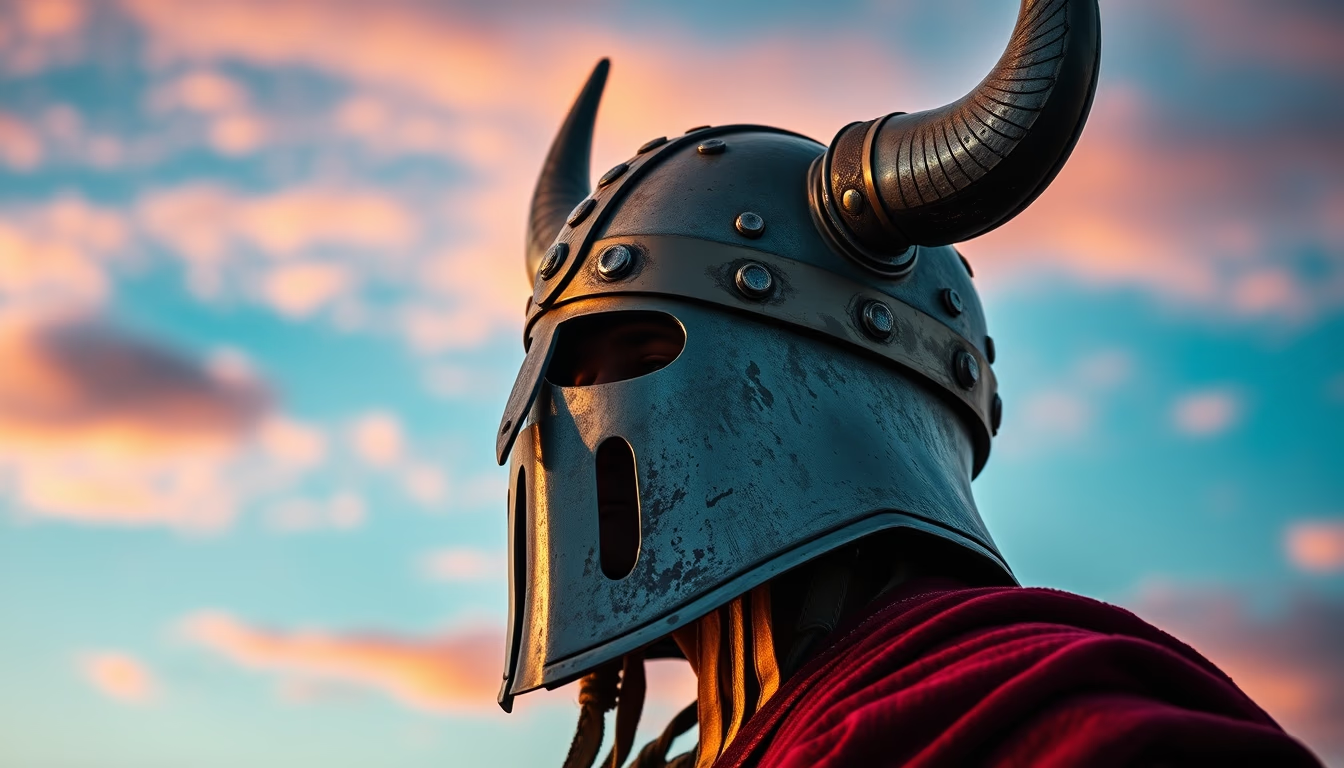
Medieval armor is far more than combat equipment: it represents the technological sophistication and social hierarchy of the Middle Ages. Since the 11th century, mail armor, made of interlocking iron rings, protected knights and soldiers but required constant maintenance against rust. In the 14th century, the development of plate armor, using hardened steel from Germany and Italy, elevated defense to a new level, allowing greater mobility and resistance to sword blows and arrows. Pieces like the bascinet helmet, cuirass, and gauntlets varied by region and period, many richly decorated with coats of arms and inlays, indicating the wearer's lineage.
Museums around the world, such as the Metropolitan Museum of Art in New York and the Royal Armouries in the United Kingdom, dedicate entire halls to displaying these armors. In Portugal, the National Museum of Ancient Art in Lisbon houses notable examples, including complete tournament armors that illustrate the Iberian chivalric tradition. The arrangement of pieces on mannequins or in showcases aims to recreate the posture and context of use, allowing visitors to understand the ergonomics and actual weight of these garments, which could reach 25 kilograms.
The authenticity of original armors is a subject of research: modern replicas are often used in films and historical reenactments, but the study of genuine pieces reveals forging techniques and metal alloys lost over time. Patina and dents tell stories of battles and military campaigns. Furthermore, armor was not worn only by noble knights; common soldiers used simplified versions, such as padded gambesons and mail hauberks, showing the wide diffusion of this type of protection in medieval society.
Frequently Asked Questions
What are the main types of medieval armor?
The main types are chain mail (interlocking metal rings), plate armor (articulated steel pieces), and gambeson (padded garment worn underneath). Each offered different levels of protection and mobility.
Where can I see original medieval armor on display?
Museums such as the Metropolitan Museum of Art (New York), the Royal Armouries (Leeds, UK), and the Musée de l'Armée (Paris) have extensive collections. In Brazil, the Army Weapons Museum in Rio de Janeiro exhibits armor and historical replicas.
Was medieval armor actually used in combat?
Yes, it was essential in battles and tournaments. Although heavy (20 to 25 kg), it was designed to distribute weight and allow movements like mounting a horse and wielding weapons. However, not all soldiers wore full armor; many used only partial protection.
Direct URL
https://pub-c7d6a6ea828543ac903a74a341ccb2e1.r2.dev/imagens/medieval-armor-display-film-grain-authentic-p10.avifHow to credit
Include a visible link back to UtilizAí. Copy one of the snippets below:
<a href="https://xn--utiliza-eza.com/en/midia/imagens/medieval-armor-display-film-grain-authentic-p10">Medieval armor display</a> by <a href="https://xn--utiliza-eza.com">UtilizAí</a>, licensed under <a href="https://creativecommons.org/licenses/by/4.0/">CC BY 4.0</a>.
[Medieval armor display](https://xn--utiliza-eza.com/en/midia/imagens/medieval-armor-display-film-grain-authentic-p10) by [UtilizAí](https://xn--utiliza-eza.com), CC BY 4.0
License: CC-BY-4.0