Mechanical clock gears
1344×768 · AVIF · CC BY 4.0
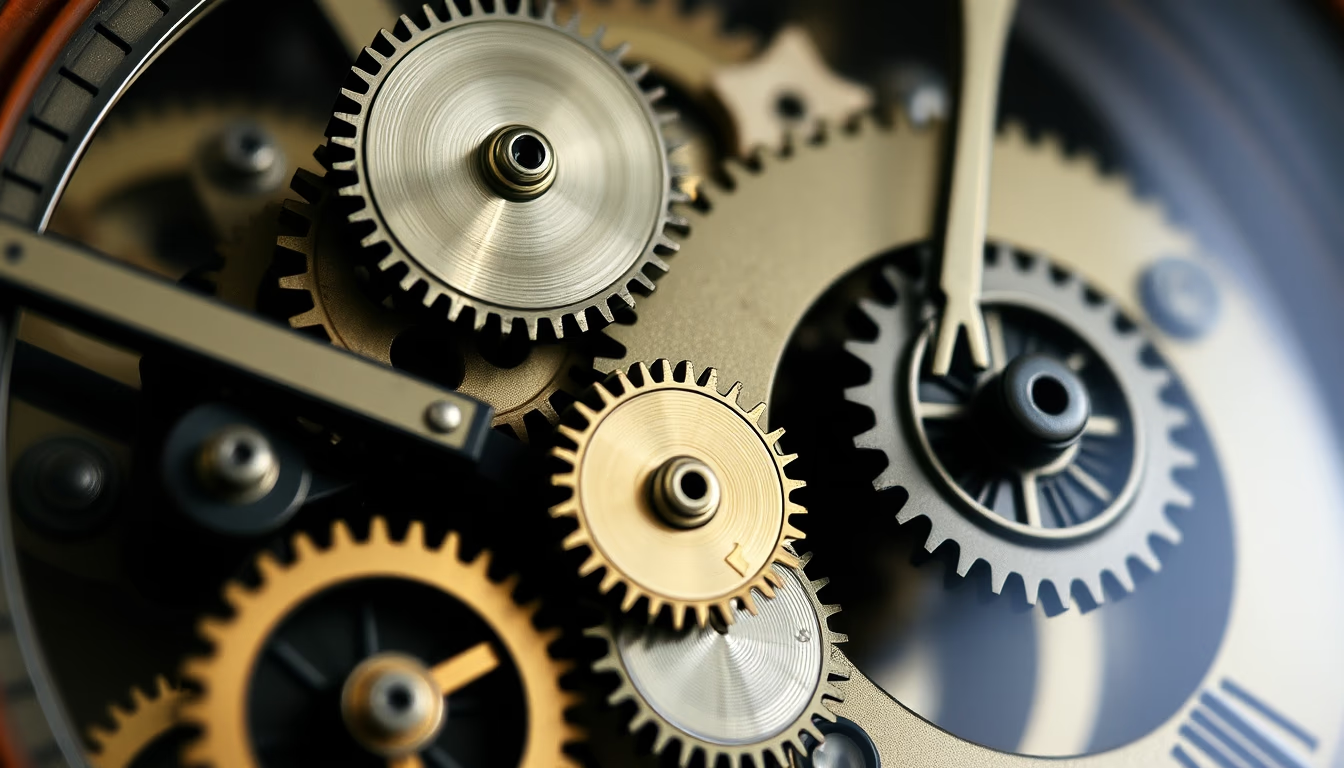
Mechanical clock gears are essential components that convert spring energy into precise hand movement.
About this subject
Mechanical clock gears form a torque and angular velocity transmission system known as the gear train. This mechanism, usually made of brass or steel toothed wheels, reduces the high rotation of the mainspring to the slow, constant rotation of the hands. Each clock has a specific gear combination calculated to ensure the power reserve (typically 24 or 40 hours) and timekeeping accuracy.
The history of gears dates back to medieval tower clocks from the 14th century, such as those at Salisbury Cathedral (1386) and Rouen (1389). These early mechanisms used large wrought iron gears with hand-cut teeth. The Industrial Revolution of the 19th century enabled mass production of precise gears, making clocks more affordable and reliable. Tooth cutting evolved from the verge escapement to cycloidal and involute gear profiles, now standard in horology.
Interestingly, the number of teeth on each gear determines the transmission ratio. For example, a typical wristwatch may have a 1:30 ratio from the mainspring barrel to the escape wheel. Lubrication is critical: special oils reduce friction on pivots and teeth, preventing premature wear. High-end gear wheels are polished and, in luxury watches, may be hand-decorated with patterns like Côtes de Genève.
Beyond conventional clocks, mechanical gears are used in marine chronometers, pendulum clocks, and complications such as chronographs and minute repeaters. Servicing an antique clock requires technical skill to disassemble, clean, and lubricate each gear, ensuring that the legacy of precision mechanics continues to function for decades.
Frequently Asked Questions
What is the function of gears in a mechanical clock?
Gears transmit energy from the mainspring to the hands, reducing rotation and ensuring time accuracy. The gear train converts force into controlled motion.
What material are clock gears made of?
Traditionally, they are made of brass (copper-zinc alloy) or steel. Brass is common for its corrosion resistance and easy machining, while steel is used in high-wear parts.
What causes wear in clock gears?
The main cause is friction between teeth and pivots. Lack of proper lubrication, dust, and humidity accelerate wear. Hence, antique clocks need periodic maintenance every 3-5 years.
Direct URL
https://pub-c7d6a6ea828543ac903a74a341ccb2e1.r2.dev/imagens/mechanical-clock-gears-film-grain-authentic-p2.avifHow to credit
Include a visible link back to UtilizAí. Copy one of the snippets below:
<a href="https://xn--utiliza-eza.com/en/midia/imagens/mechanical-clock-gears-film-grain-authentic-p2">Mechanical clock gears</a> by <a href="https://xn--utiliza-eza.com">UtilizAí</a>, licensed under <a href="https://creativecommons.org/licenses/by/4.0/">CC BY 4.0</a>.
[Mechanical clock gears](https://xn--utiliza-eza.com/en/midia/imagens/mechanical-clock-gears-film-grain-authentic-p2) by [UtilizAí](https://xn--utiliza-eza.com), CC BY 4.0
License: CC-BY-4.0