Mass spectrometer device
1344×768 · AVIF · CC BY 4.0
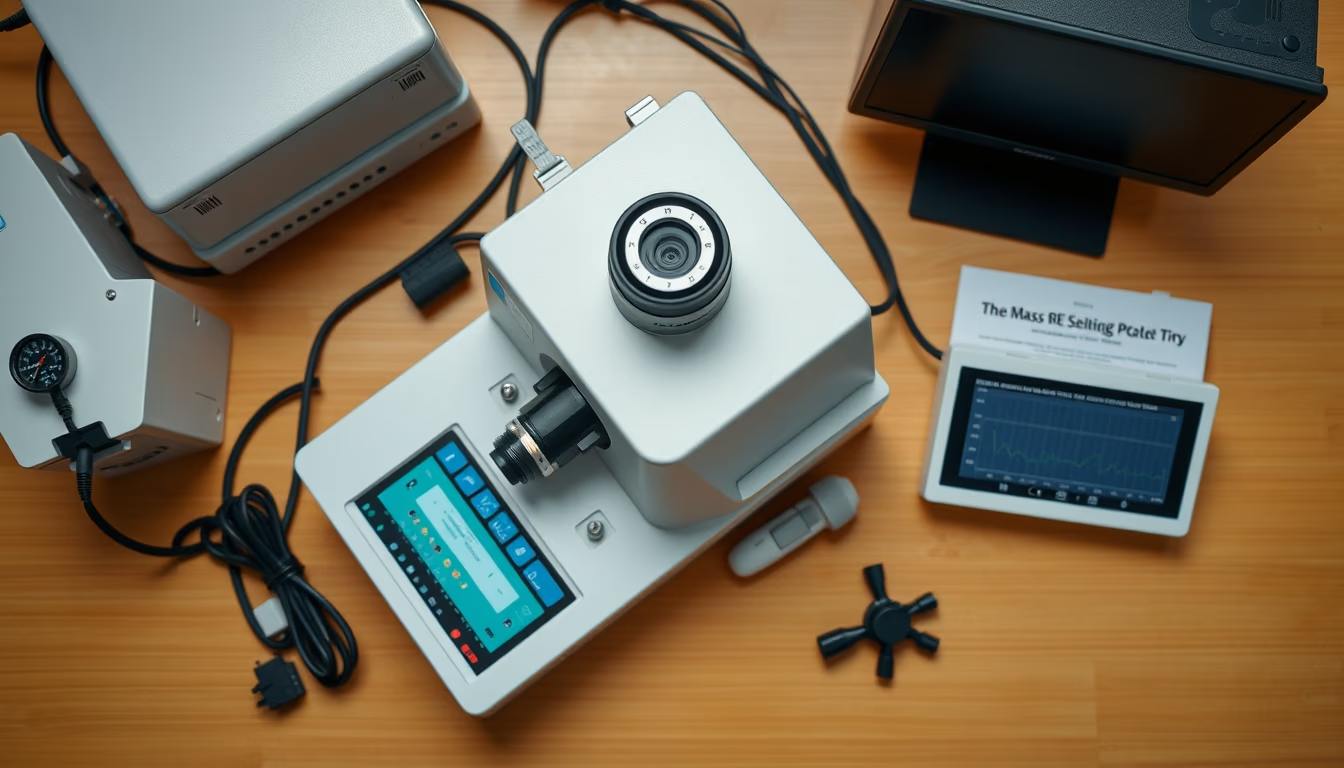
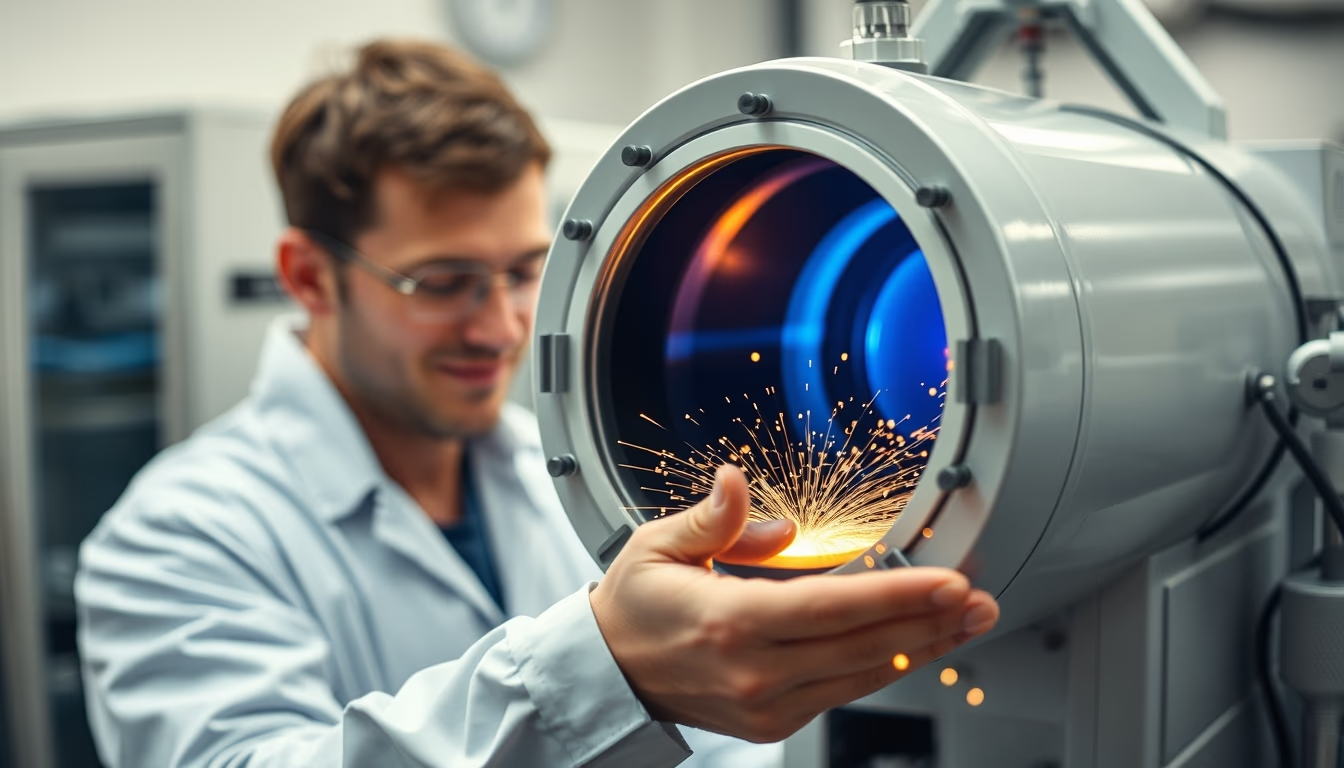
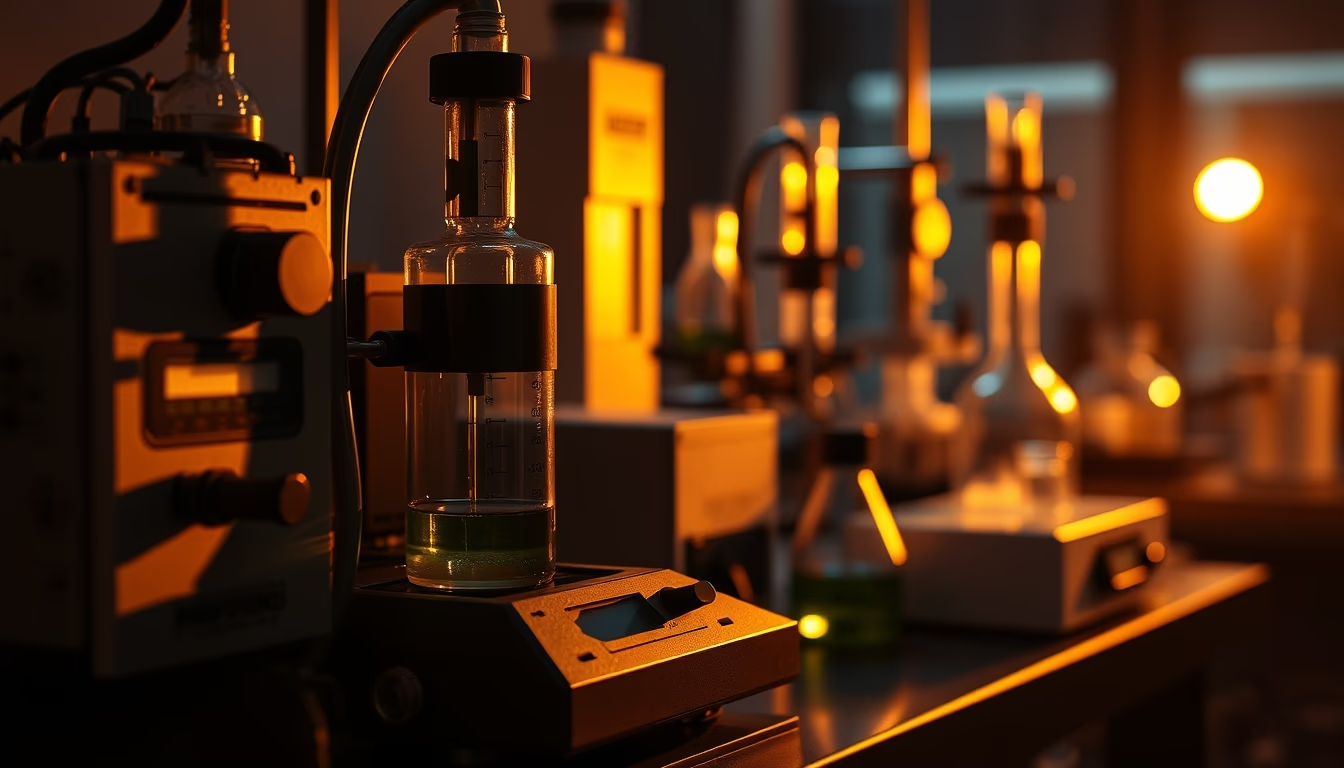
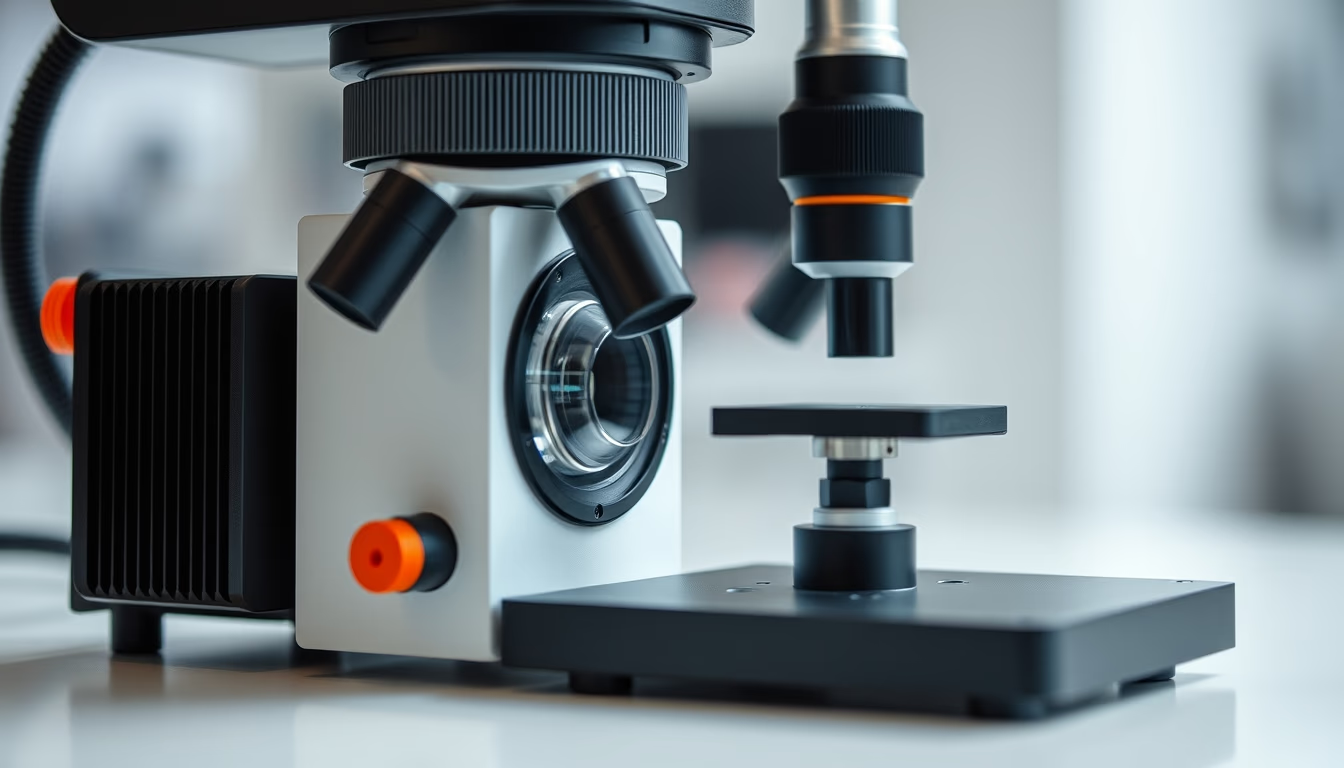
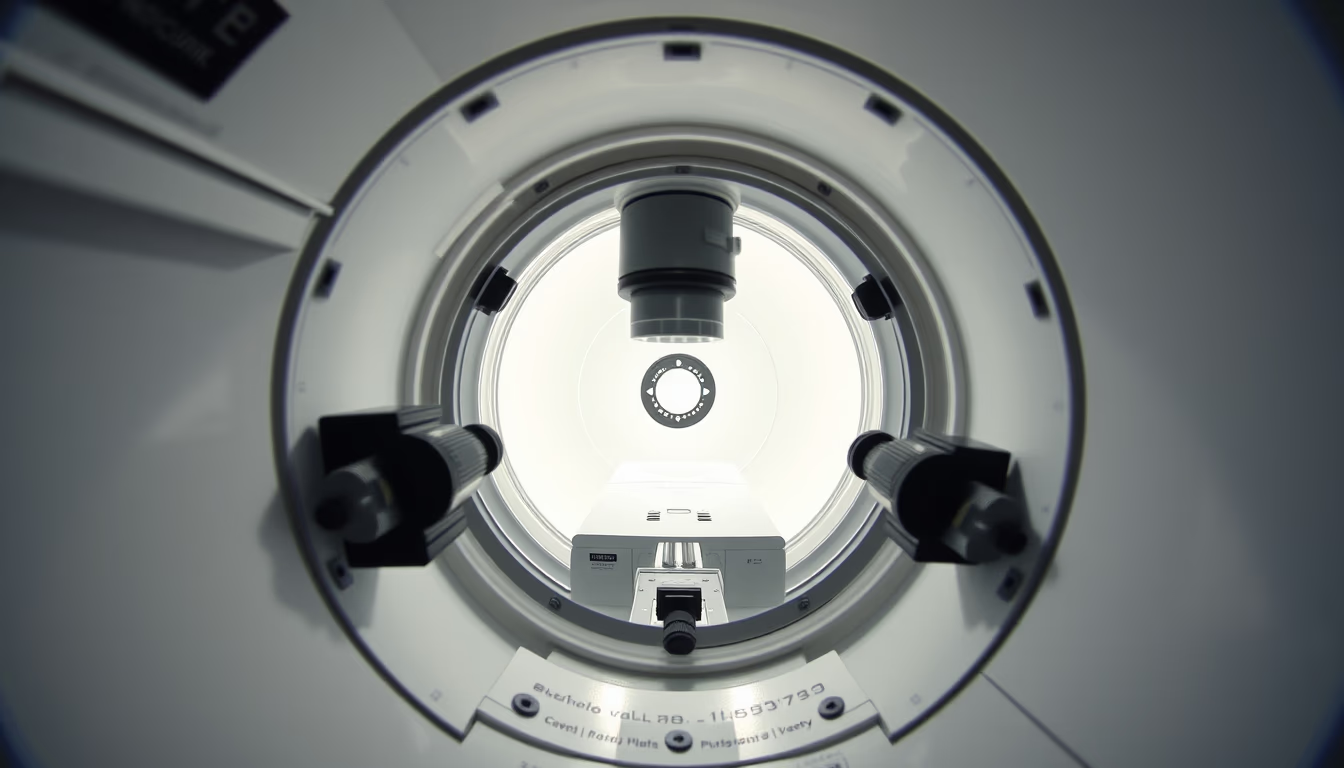
Mass spectrometer, an instrument that measures the mass-to-charge ratio of ions, essential for chemical and biological analyses.
About this subject
The mass spectrometer is a fundamental instrument in chemistry, biochemistry, and physics laboratories. It works by ionizing molecules and separating the resulting ions based on their mass-to-charge ratio (m/z). The process involves three main steps: ionization, mass analysis, and detection. During ionization, techniques such as electrospray ionization (ESI) or matrix-assisted laser desorption/ionization (MALDI) convert molecules into ions. Then the mass analyzer, which can be a quadrupole, time-of-flight (TOF), or ion trap, separates the ions according to their mass. Finally, the detector records the ions, generating a mass spectrum that reveals the relative abundance of each ion.
Mass spectrometry has vast and critical applications. In proteomics, it identifies and quantifies proteins in biological samples, aiding in the discovery of disease biomarkers. In pharmacology, it monitors drug metabolism. In environmental chemistry, it detects trace-level pollutants such as pesticides in water or soil. It is also used in geochronology to date rocks and minerals by measuring isotopes of elements like uranium and lead.
A notable fact: the first mass spectrometer was built by Francis William Aston in 1919, who won the Nobel Prize in Chemistry in 1922 for discovering isotopes of non-radioactive elements. Since then, technology has evolved dramatically: modern instruments can measure masses with an accuracy of up to 0.0001 daltons and detect compounds at concentrations as low as parts per trillion. Some hybrid models, such as the tandem mass spectrometer (MS/MS), allow selected ions to be fragmented and detailed structural information to be obtained, essential for identifying unknown molecules.
In Brazil, mass spectrometry is widely used in universities, research institutes, and industries. The National Synchrotron Light Laboratory (LNLS) in Campinas houses a high-resolution mass spectrometer for advanced studies in materials and biology. The popularization of techniques like real-time mass spectrometry (DART) enables rapid analyses without sample preparation, opening doors for applications in food safety and quality control.
Frequently Asked Questions
What is a mass spectrometer used for?
It identifies and quantifies molecules based on their mass, used in chemical, biological, pharmacological, and environmental analyses to detect compounds, determine structures, and measure isotopes.
What are common types of mass analyzers?
The main types are quadrupole, time-of-flight (TOF), ion trap, and magnetic sector. Each has specific advantages in resolution, mass range, and speed.
How does mass spectrometry help in drug discovery?
It monitors drug metabolism, identifies metabolites, and quantifies the drug in the body, aiding in development and testing of efficacy and safety.
Direct URL
https://pub-c7d6a6ea828543ac903a74a341ccb2e1.r2.dev/imagens/mass-spectrometer-device-isometric-flat-lay-fresh15.avifHow to credit
Include a visible link back to UtilizAí. Copy one of the snippets below:
<a href="https://xn--utiliza-eza.com/en/midia/imagens/mass-spectrometer-device-isometric-flat-lay-fresh15">Mass spectrometer device</a> by <a href="https://xn--utiliza-eza.com">UtilizAí</a>, licensed under <a href="https://creativecommons.org/licenses/by/4.0/">CC BY 4.0</a>.
[Mass spectrometer device](https://xn--utiliza-eza.com/en/midia/imagens/mass-spectrometer-device-isometric-flat-lay-fresh15) by [UtilizAí](https://xn--utiliza-eza.com), CC BY 4.0
License: CC-BY-4.0