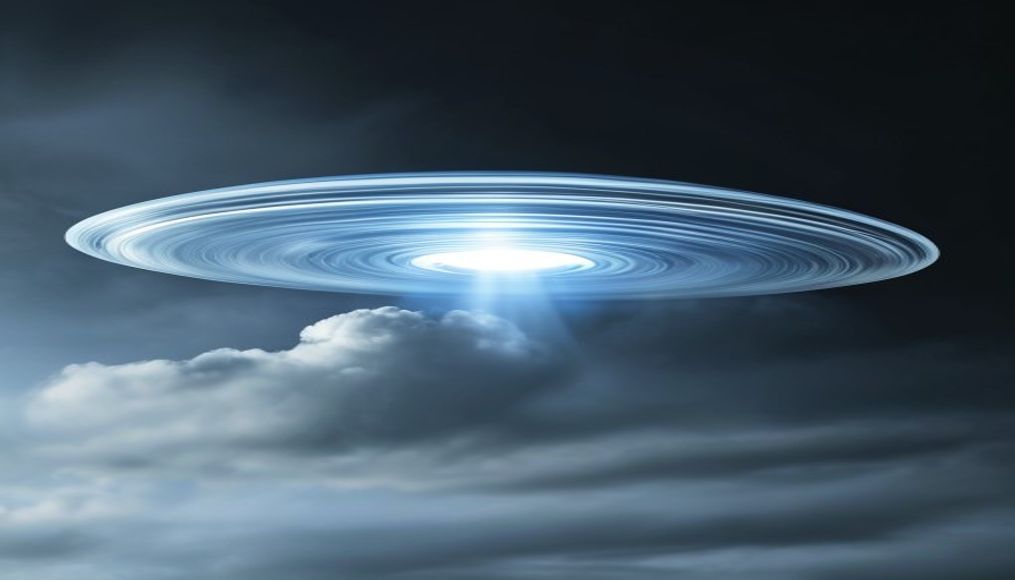
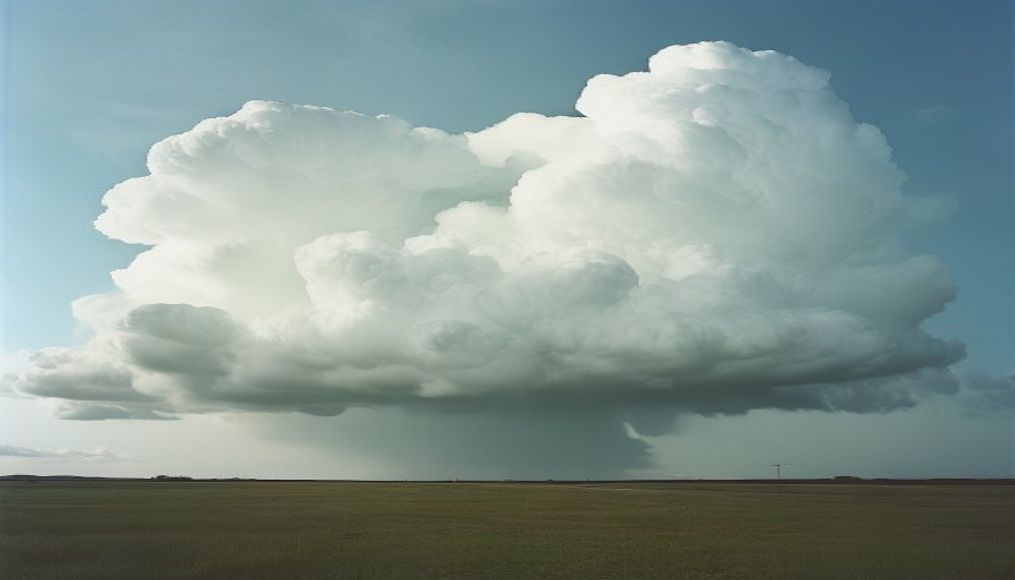
Lenticular cloud ufo
1344×768 · AVIF · CC BY 4.0
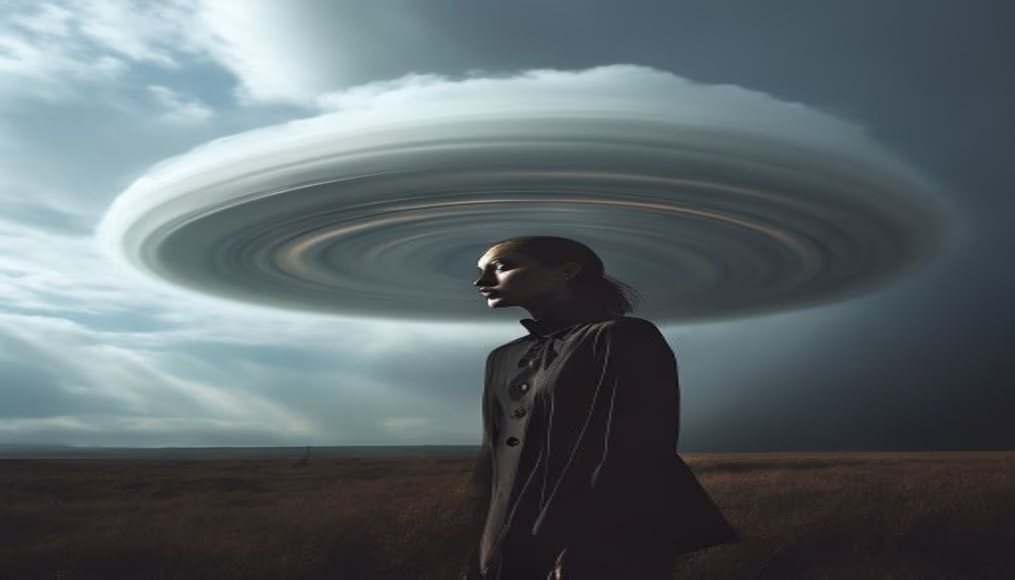
Lenticular clouds, often mistaken for UFOs, are rare atmospheric formations that occur over mountainous regions and inspire everything from science to fashion.
About this subject
Lenticular clouds are stationary atmospheric formations that resemble flying saucers or convex lenses. They form when moist, stable air is forced upward by a geographic barrier, such as a mountain, then cools and condenses into layers. The result is aerodynamic, symmetrical clouds that appear to hover motionless even in strong winds. This phenomenon is most common in regions like the Andes, the Alps, and Mount Fuji in Japan.
Due to their unusual shape, lenticular clouds are the most frequent explanation for UFO sightings. Famous cases, such as the 1954 sighting in New York and the 1997 Phoenix Lights incident, were later attributed to these clouds. In meteorology, they indicate severe turbulence, making them feared by aviation pilots. The World Meteorological Organization classifies them as Altocumulus lenticularis (Ac len) and Stratocumulus lenticularis (Sc len), depending on altitude.
Beyond scientific interest, lenticular clouds have gained a place in pop culture and fashion. In high-fashion editorial, their surreal and futuristic aesthetic is used as a backdrop for campaigns exploring the contrast between natural and technological. The smooth texture and sharp edges of these clouds evoke artificial forms, creating an atmosphere of alien elegance. Designers like Iris van Herpen and brands such as Prada have incorporated lenticular cloud imagery into runway shows and editorials, symbolizing the intersection of atmosphere and haute couture.
A curious fact is that under ideal conditions, lenticular clouds can form a stack of multiple layers, like a pile of pancakes, a phenomenon known as "stacked lenticulars." This visual spectacle is rare and sought after by nature photographers and storm chasers. Despite their beauty, they pose a danger to aviation, as the associated turbulence can damage aircraft. On the other hand, glider pilots and hang gliders use them as indicators of rising air currents.
Frequently Asked Questions
What causes the flying saucer shape of lenticular clouds?
The lens or saucer shape occurs when moist air is forced upward by a mountain, cooling and condensing into layers. The stability of the atmosphere molds the sharp edges and symmetry of the cloud.
Why are lenticular clouds associated with UFOs?
Because their aerodynamic shape and stationary appearance resemble classic flying saucer reports. Many famous sightings, such as the Phoenix Lights, were explained as lenticular clouds.
Are lenticular clouds dangerous for flights?
Yes, they indicate severe turbulence at high altitudes. Aviation pilots avoid them, while glider pilots seek them as signs of rising air currents.
Direct URL
https://pub-c7d6a6ea828543ac903a74a341ccb2e1.r2.dev/imagens/lenticular-cloud-ufo-high-fashion-editorial-p0.avifHow to credit
Include a visible link back to UtilizAí. Copy one of the snippets below:
<a href="https://xn--utiliza-eza.com/en/midia/imagens/lenticular-cloud-ufo-high-fashion-editorial-p0">Lenticular cloud ufo</a> by <a href="https://xn--utiliza-eza.com">UtilizAí</a>, licensed under <a href="https://creativecommons.org/licenses/by/4.0/">CC BY 4.0</a>.
[Lenticular cloud ufo](https://xn--utiliza-eza.com/en/midia/imagens/lenticular-cloud-ufo-high-fashion-editorial-p0) by [UtilizAí](https://xn--utiliza-eza.com), CC BY 4.0
License: CC-BY-4.0