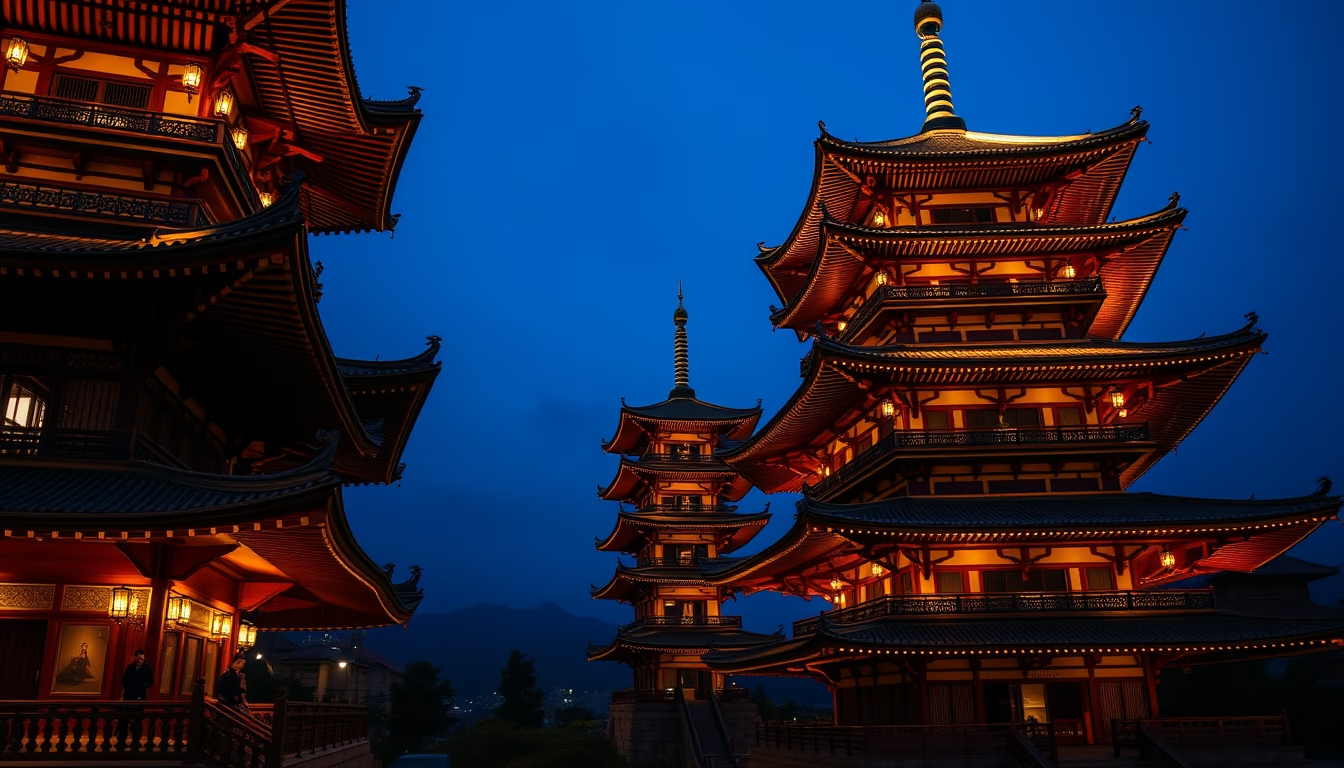
Koan mountain temple
1344×768 · AVIF · CC BY 4.0
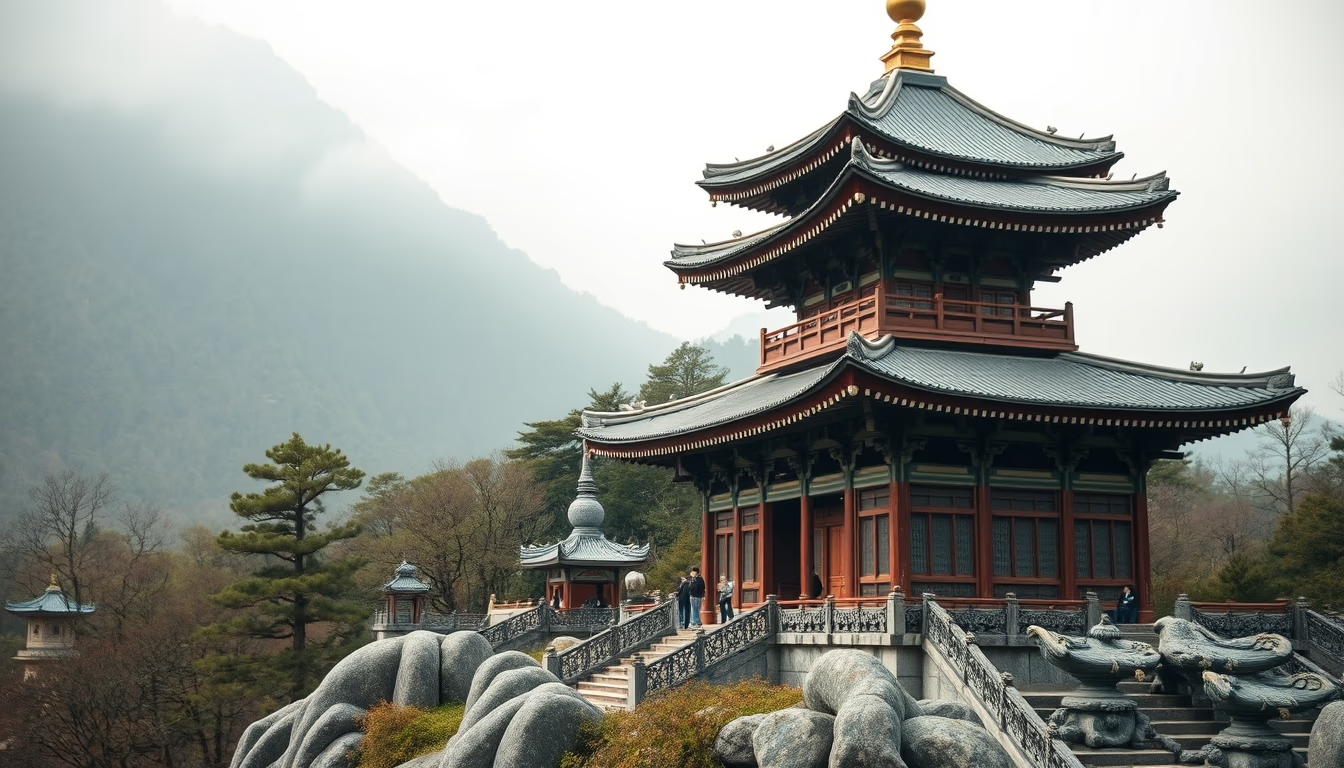
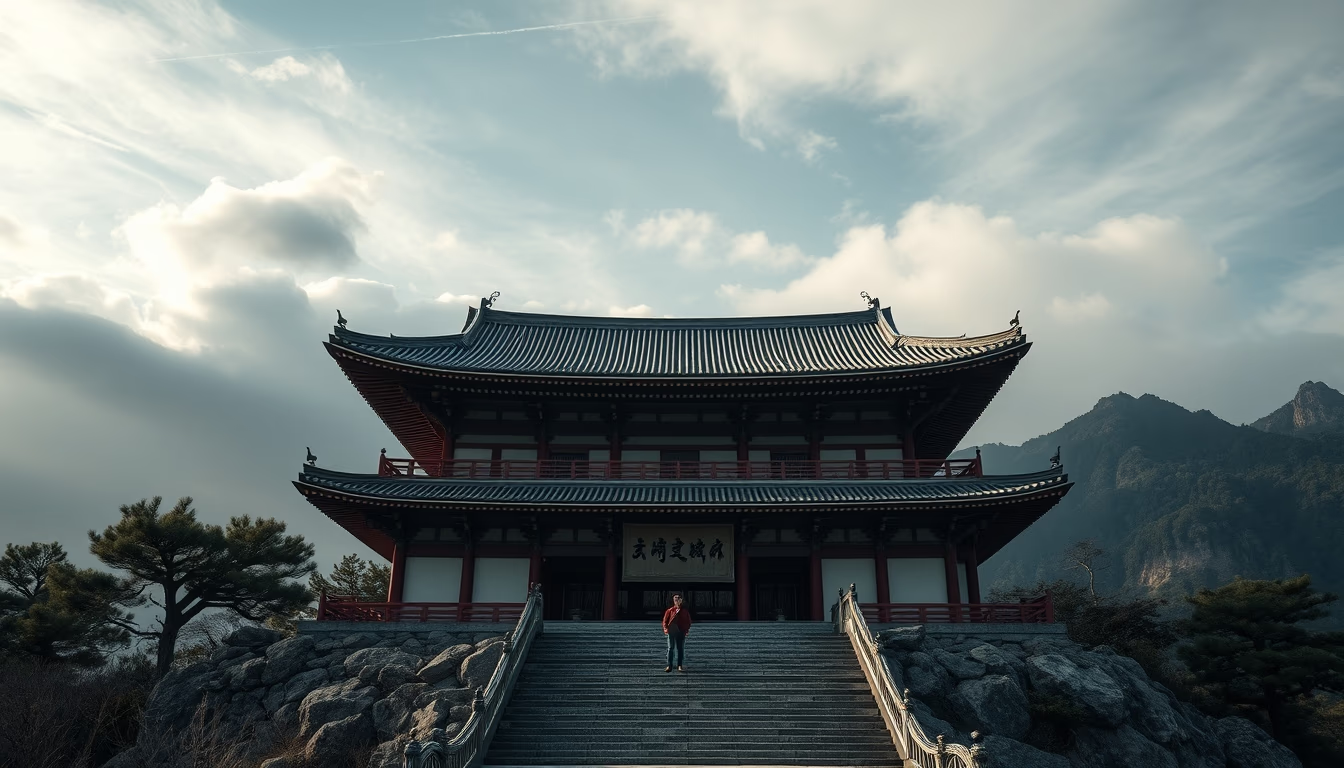
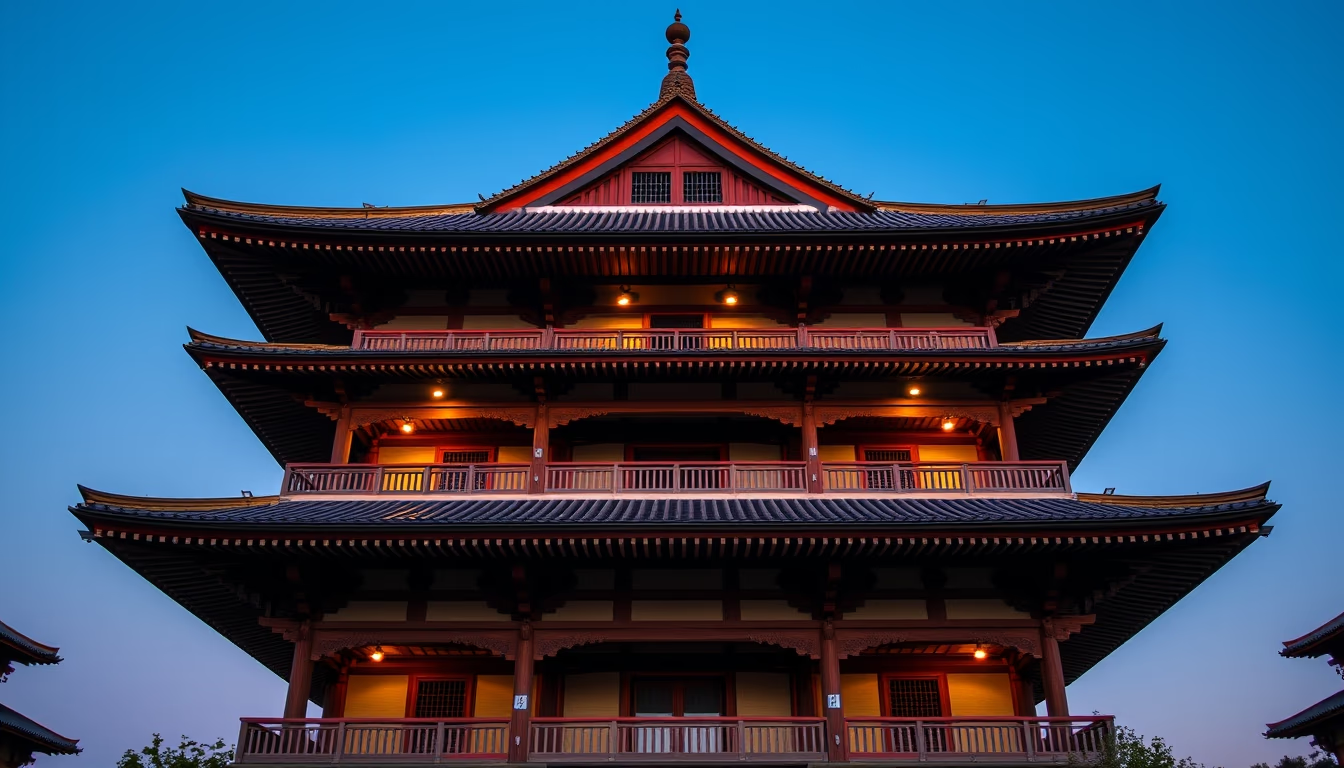
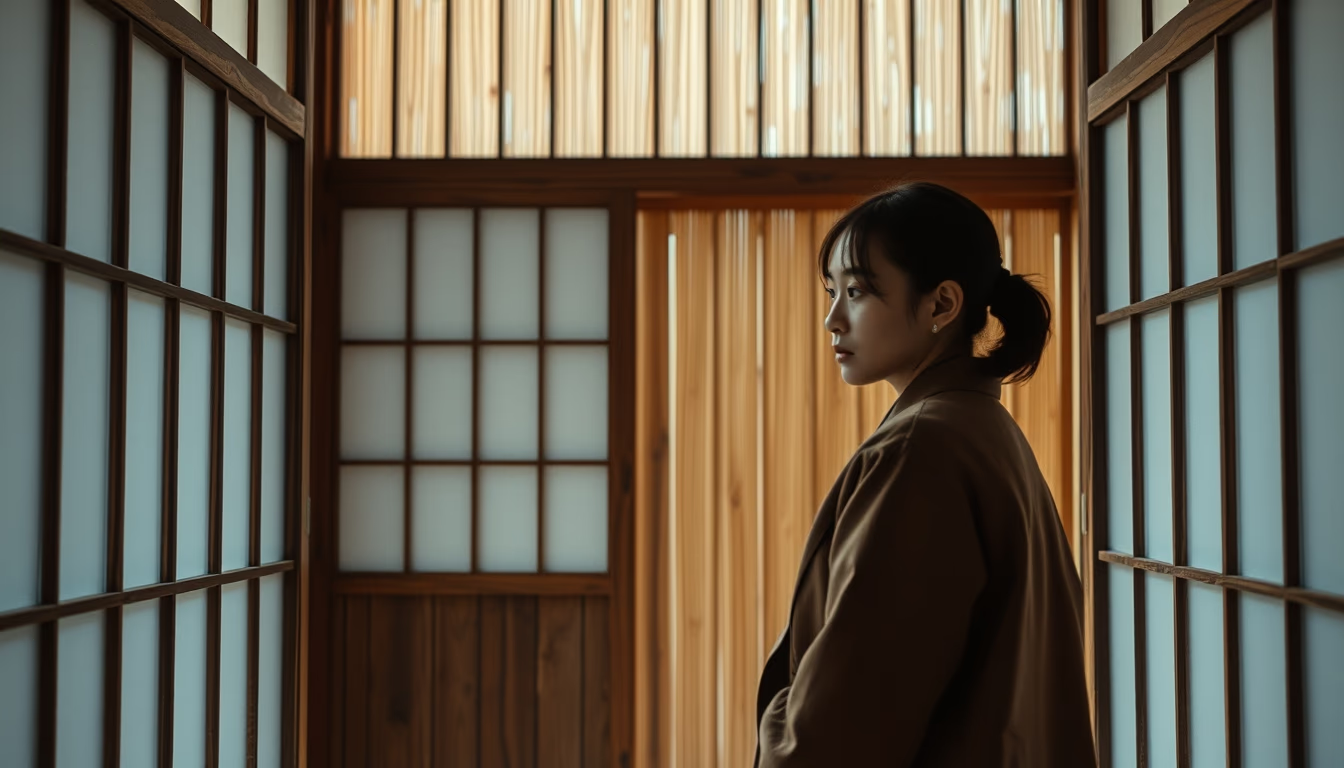
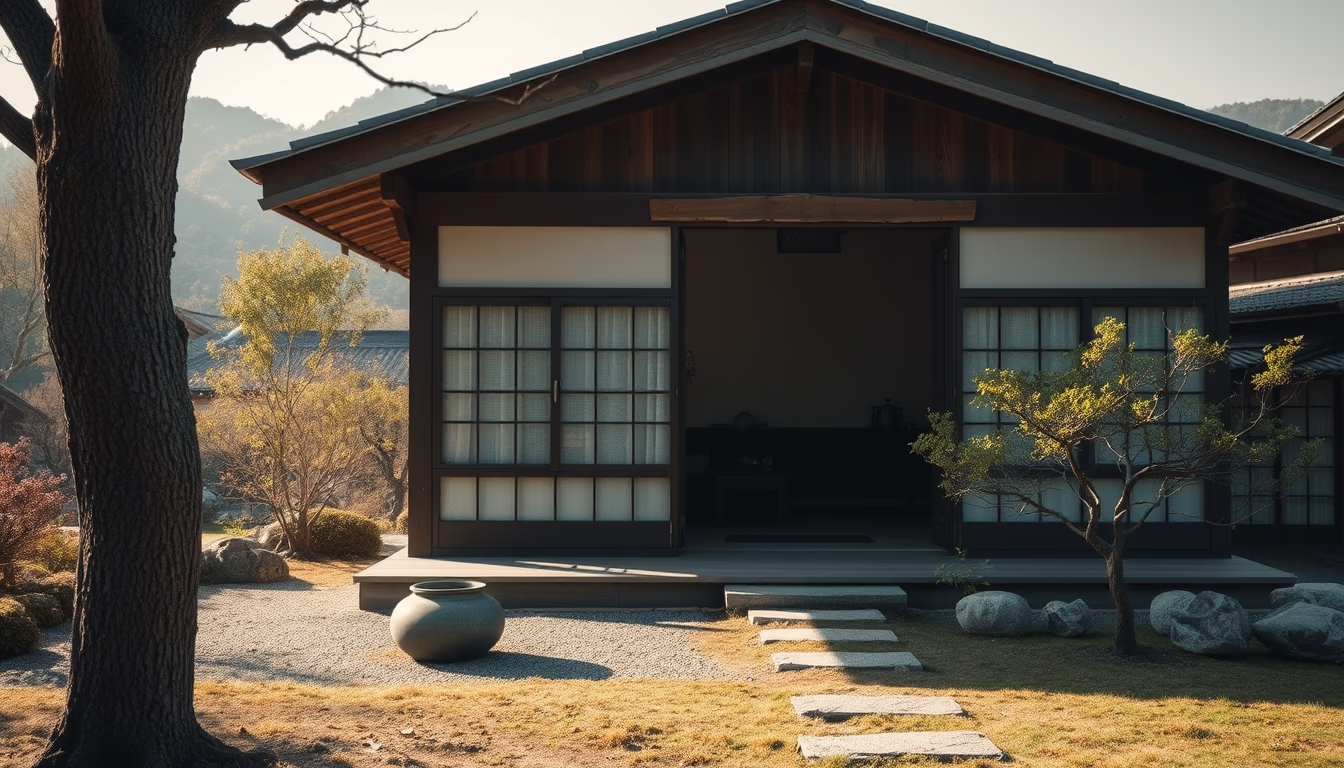
Mountain temple devoted to koan practice in Zen Buddhism, blending traditional architecture and meditation amidst nature.
About this subject
In Zen Buddhism, mountain temples are privileged sites for koan practice, paradoxical riddles that challenge logic and lead to enlightenment. These temples, typically located on isolated peaks in China, Japan, and Korea, provide a silent, contemplative environment essential for absorbing the teachings. The architecture includes meditation halls (zendo), rock gardens, and ornate gates, all arranged to foster introspection.
Historically, monasteries like Shaolin Temple (China) and Eiheiji (Japan) became centers for koan study from the 12th century onward. The term 'koan' derives from the Chinese 'gong'an,' meaning 'public case,' referring to dialogues between masters and disciples recorded in collections such as 'The Gateless Gate' (Mumonkan). The practice involves meditating on a koan until the rational mind quiets and intuitive understanding arises, often expressed in poetic form.
The mountainous location is not accidental: mountains symbolize spiritual elevation and detachment from worldly affairs. Many temples are built on steep slopes, with winding paths that prepare the pilgrim for inner experience. Mist, wind, and isolation amplify the sense of transcendence, while architecture blends with the landscape using natural materials like wood and stone. Today, these temples attract both monks and laypeople seeking intensive training (sesshin).
Frequently Asked Questions
What is a koan in Zen Buddhism?
A koan is a question or paradox used in the Zen tradition to disrupt logical thinking and induce a direct experience of enlightenment. Classic examples include 'What is the sound of one hand clapping?' and 'What was your face before your parents were born?'.
Where are the main mountain temples dedicated to koans?
The most famous temples are in Japan (such as Eiheiji and Engakuji), China (Shaolin Temple and Mount Wutai), and Korea (Haeinsa Temple). Many are located in mountainous regions and offer meditation retreats.
What is the function of the mountain environment in koan practice?
The mountain provides isolation, silence, and closeness to nature, elements that foster concentration and detachment from worldly concerns. The landscape inspires awareness of impermanence and interdependence, core themes in Zen.
Direct URL
https://pub-c7d6a6ea828543ac903a74a341ccb2e1.r2.dev/imagens/koan-mountain-temple-macro-closeup-fresh11.avifHow to credit
Include a visible link back to UtilizAí. Copy one of the snippets below:
<a href="https://xn--utiliza-eza.com/en/midia/imagens/koan-mountain-temple-macro-closeup-fresh11">Koan mountain temple</a> by <a href="https://xn--utiliza-eza.com">UtilizAí</a>, licensed under <a href="https://creativecommons.org/licenses/by/4.0/">CC BY 4.0</a>.
[Koan mountain temple](https://xn--utiliza-eza.com/en/midia/imagens/koan-mountain-temple-macro-closeup-fresh11) by [UtilizAí](https://xn--utiliza-eza.com), CC BY 4.0
License: CC-BY-4.0