Koan mountain temple
1344×768 · AVIF · CC BY 4.0
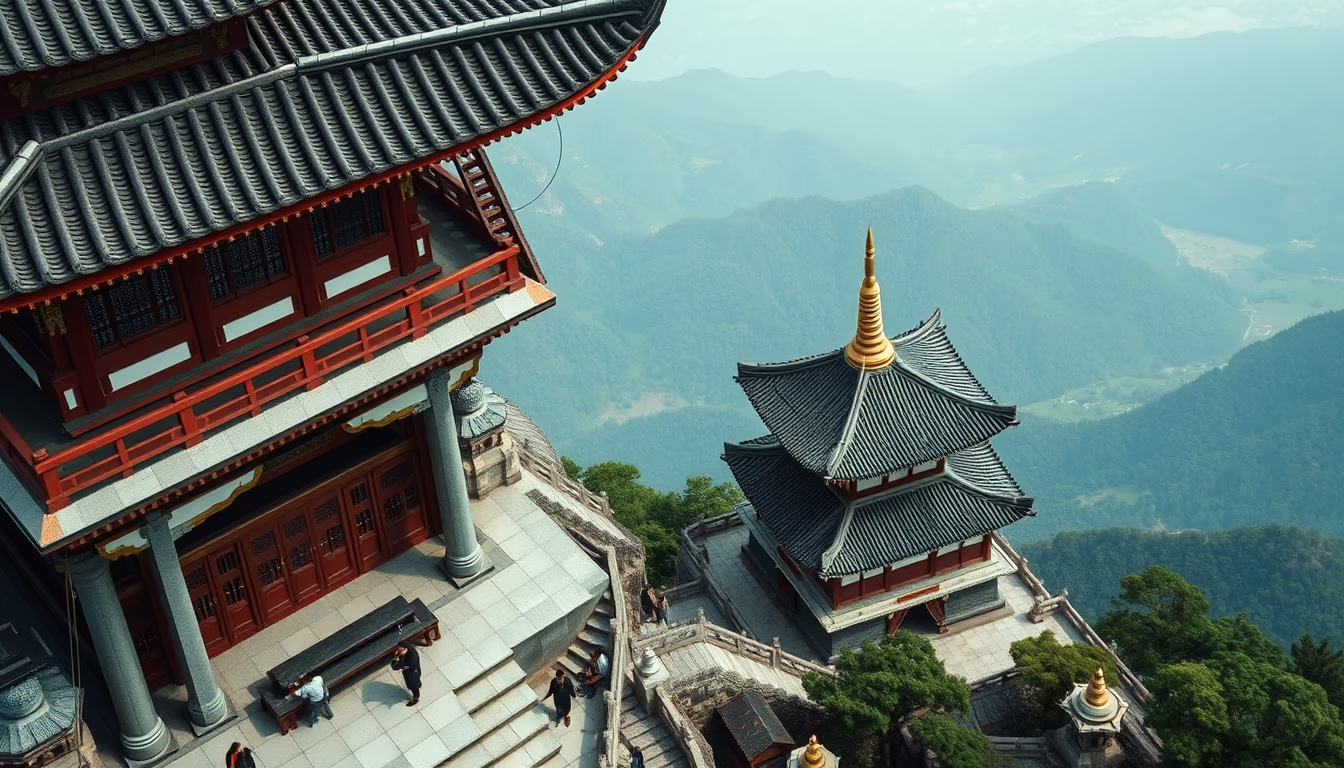
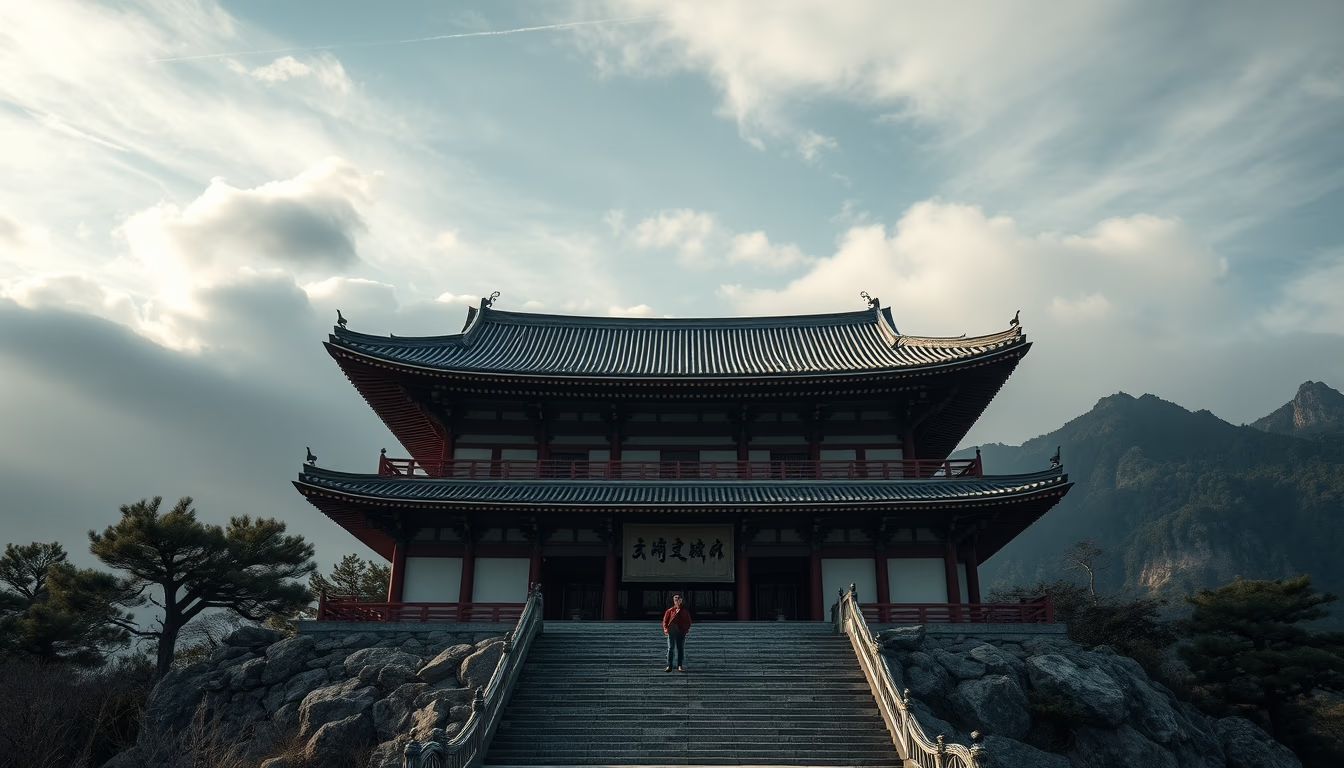
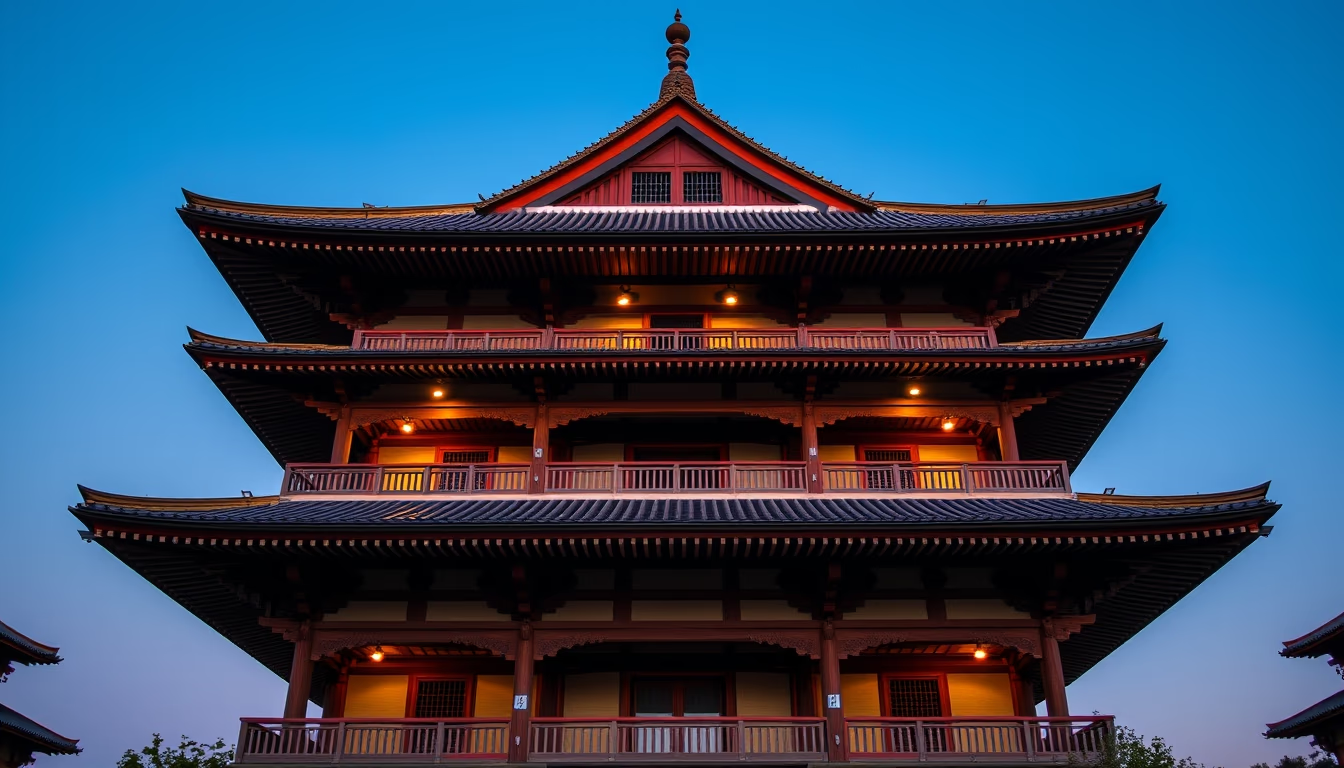
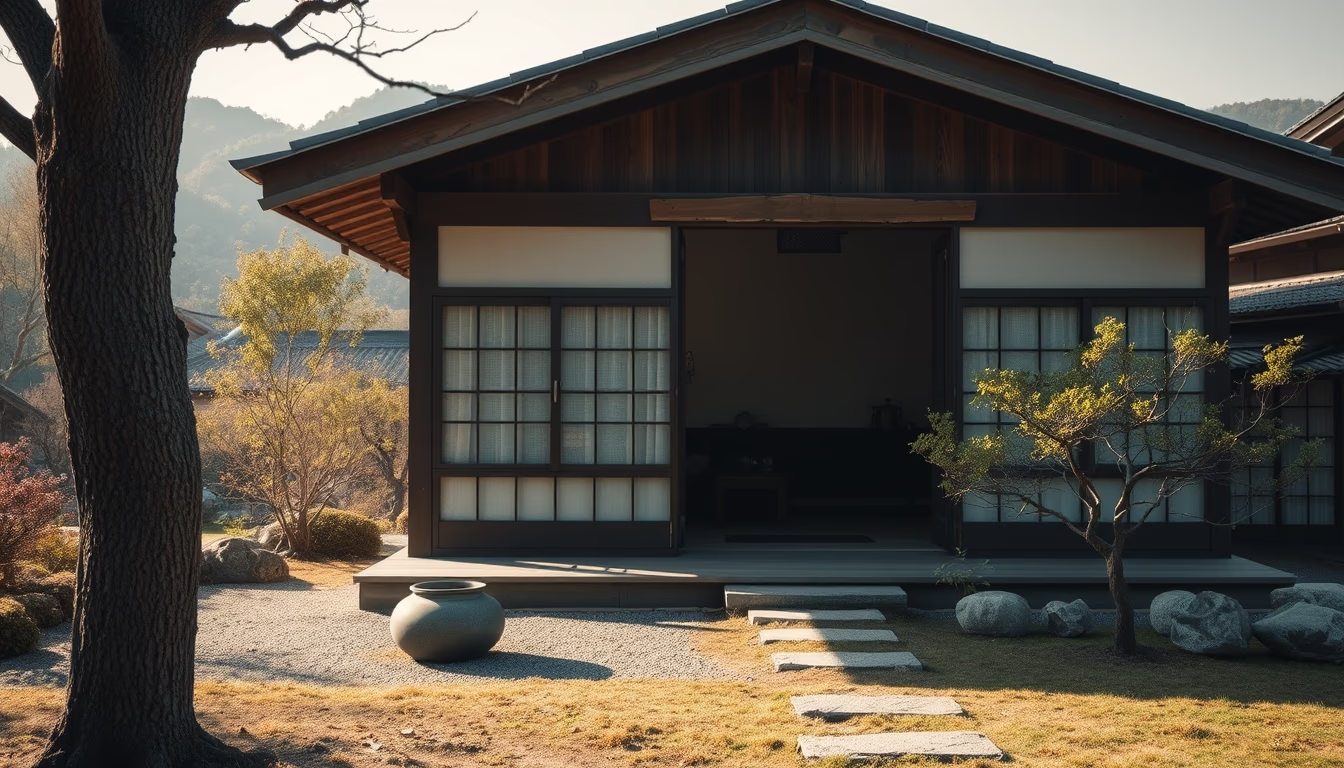
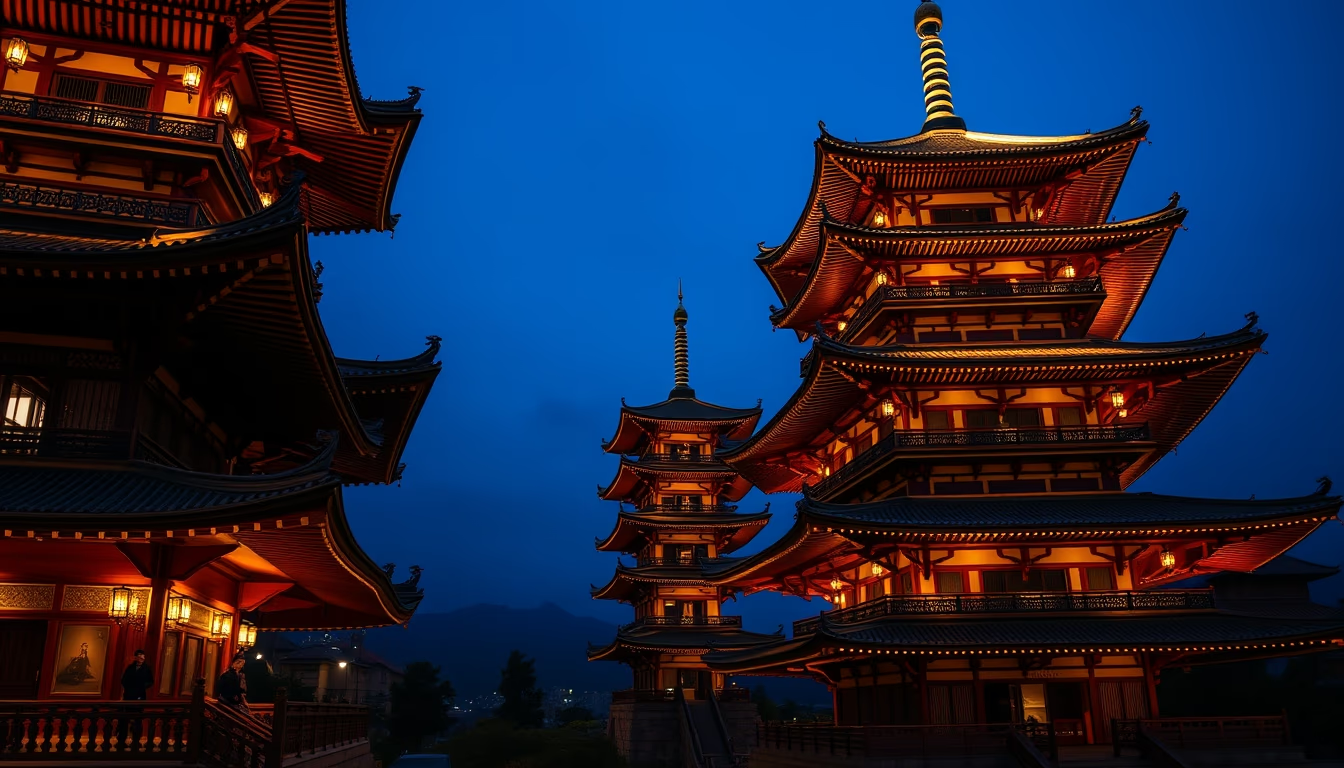
Zen mountain temples, known as koan mountain temples, combine serene landscapes with the study of paradoxical riddles for spiritual awakening.
About this subject
Koan mountain temples are Zen Buddhist practice centers located in mountainous areas, designed to facilitate meditation and the study of koans. Koans are paradoxical stories or questions, such as "What is the sound of one hand clapping?", used to transcend logical thought and attain enlightenment. The tradition originated in China during the Tang dynasty, with masters like Linji Yixuan, and was brought to Japan by monks such as Eisai and Dogen. Temples like Tofuku-ji in Kyoto or Eihei-ji in the mountains of Fukui exemplify Zen architecture, with rock gardens and tea rooms that promote introspection.
The choice of remote mountain locations is intentional: isolation helps practitioners focus, while nature inspires a direct connection with emptiness and impermanence, core concepts in Zen. Monks spend years solving koans under a master's guidance, a process that can lead to sudden insights known as satori. The mountainous environment also symbolizes the spiritual journey, with steep climbs representing the effort needed to overcome the ego.
Historical curiosities: Chinese master Zhaozhou Congshen used the koan "Does a dog have Buddha-nature?" to challenge students. In Japan, Shōgen-ji Monastery is famous for its koans recorded in the book "Mumonkan". The practice continues today, with temples open to visitors seeking to understand the mind beyond words.
Frequently Asked Questions
What exactly is a koan?
A koan is a paradoxical story, question, or statement used in Zen Buddhism to provoke deep doubt and lead to enlightenment. Classic examples include 'What is the sound of one hand?' and 'What was your face before your parents were born?'.
Why are Zen temples built in the mountains?
Mountain temples provide isolation and silence, essential for intensive meditation. The surrounding nature also serves as a reminder of impermanence and helps practitioners detach from worldly distractions.
What is the importance of koans in Zen training?
Koans are tools to break dualistic thinking and conventional logic. By resolving a koan, the practitioner experiences an intuitive leap of consciousness, called kenshō or satori, which is a glimpse of one's true nature.
Direct URL
https://pub-c7d6a6ea828543ac903a74a341ccb2e1.r2.dev/imagens/koan-mountain-temple-isometric-flat-lay-fresh3.avifHow to credit
Include a visible link back to UtilizAí. Copy one of the snippets below:
<a href="https://xn--utiliza-eza.com/en/midia/imagens/koan-mountain-temple-isometric-flat-lay-fresh3">Koan mountain temple</a> by <a href="https://xn--utiliza-eza.com">UtilizAí</a>, licensed under <a href="https://creativecommons.org/licenses/by/4.0/">CC BY 4.0</a>.
[Koan mountain temple](https://xn--utiliza-eza.com/en/midia/imagens/koan-mountain-temple-isometric-flat-lay-fresh3) by [UtilizAí](https://xn--utiliza-eza.com), CC BY 4.0
License: CC-BY-4.0