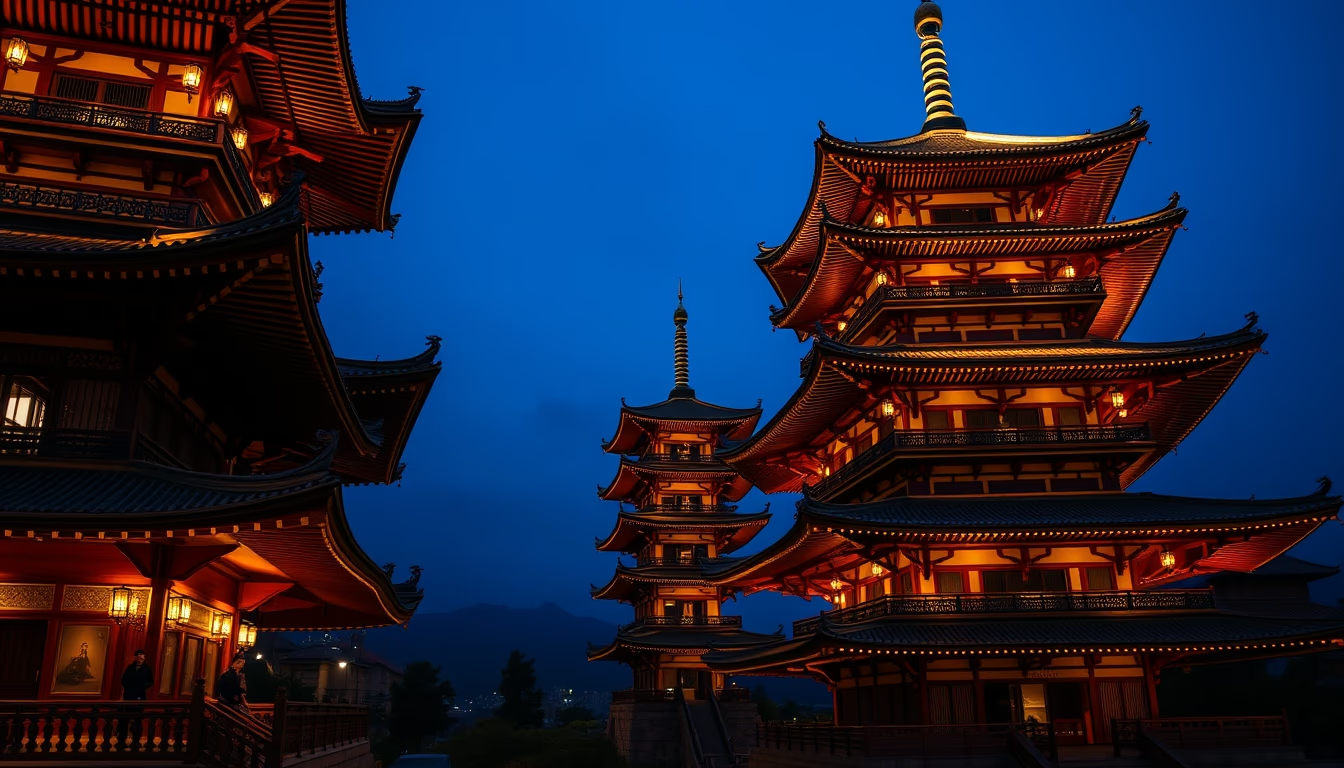
Koan mountain temple
1344×768 · AVIF · CC BY 4.0
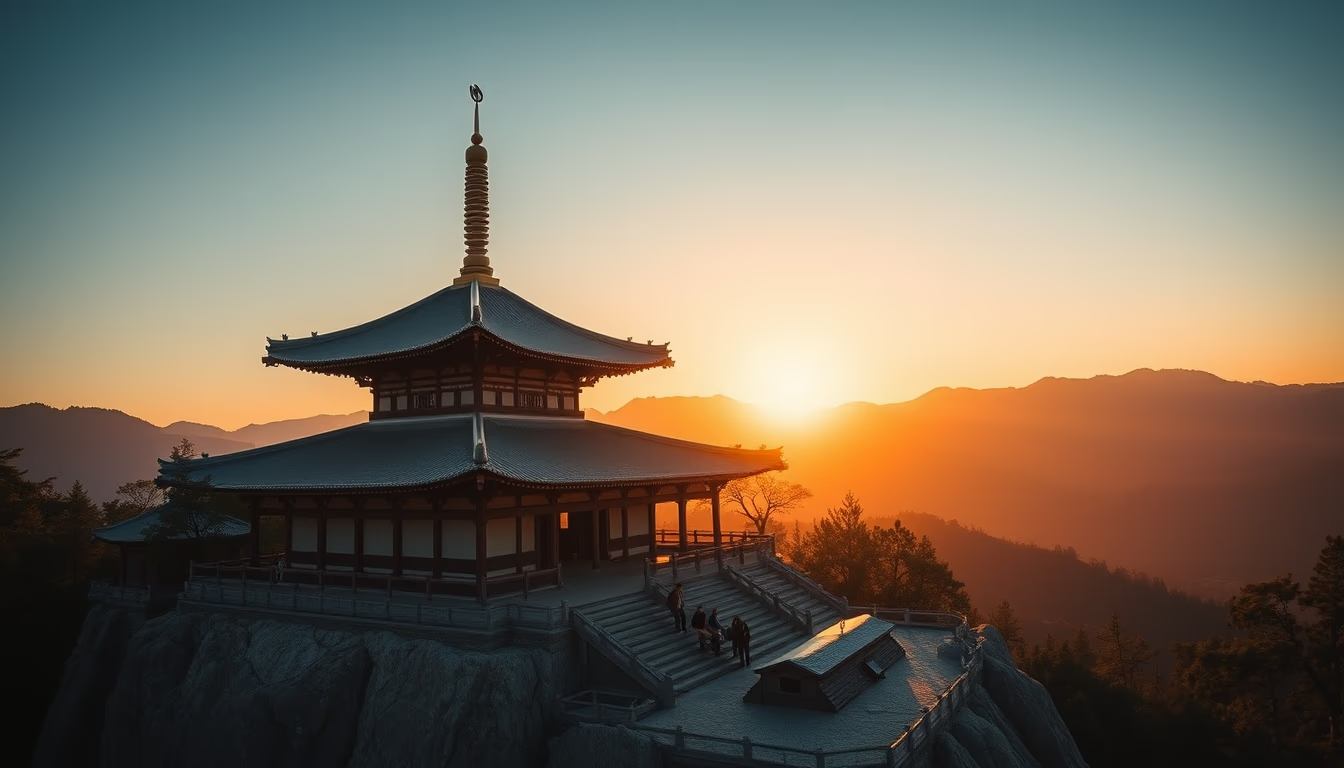
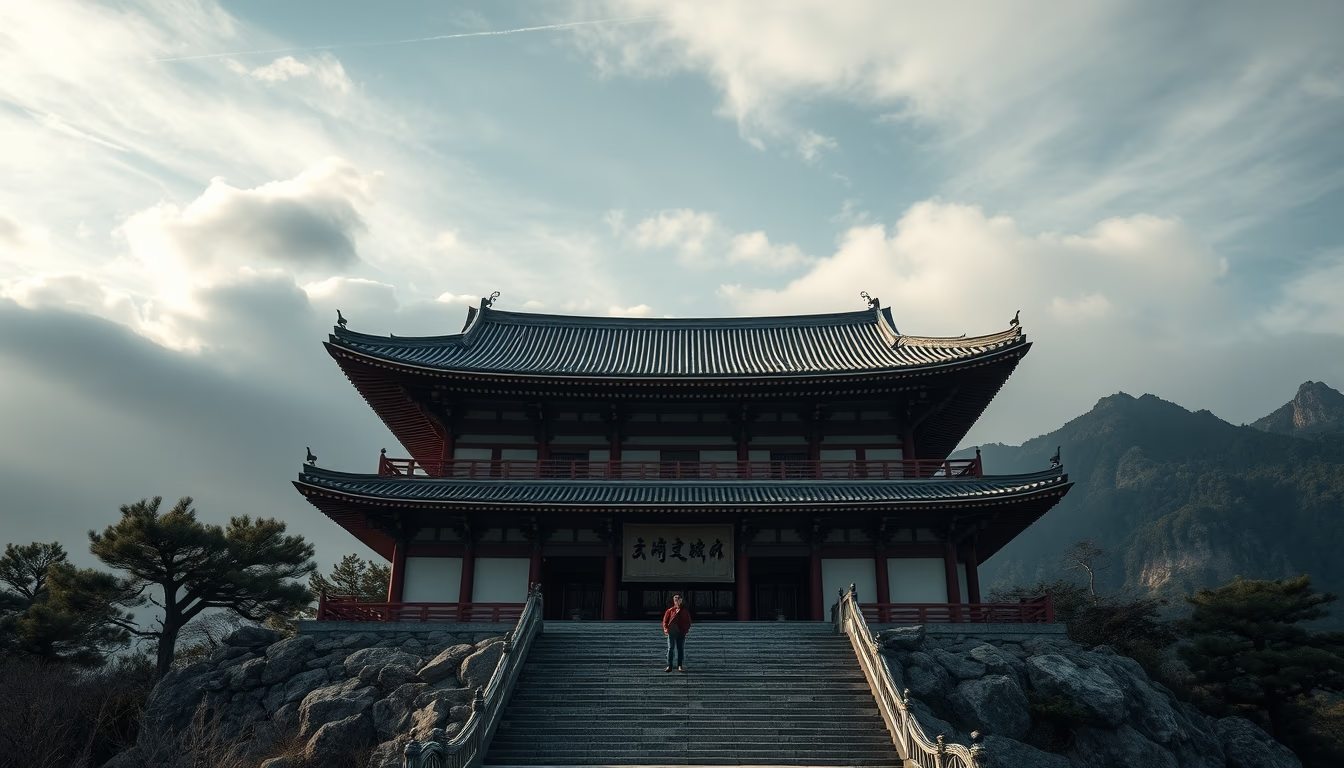
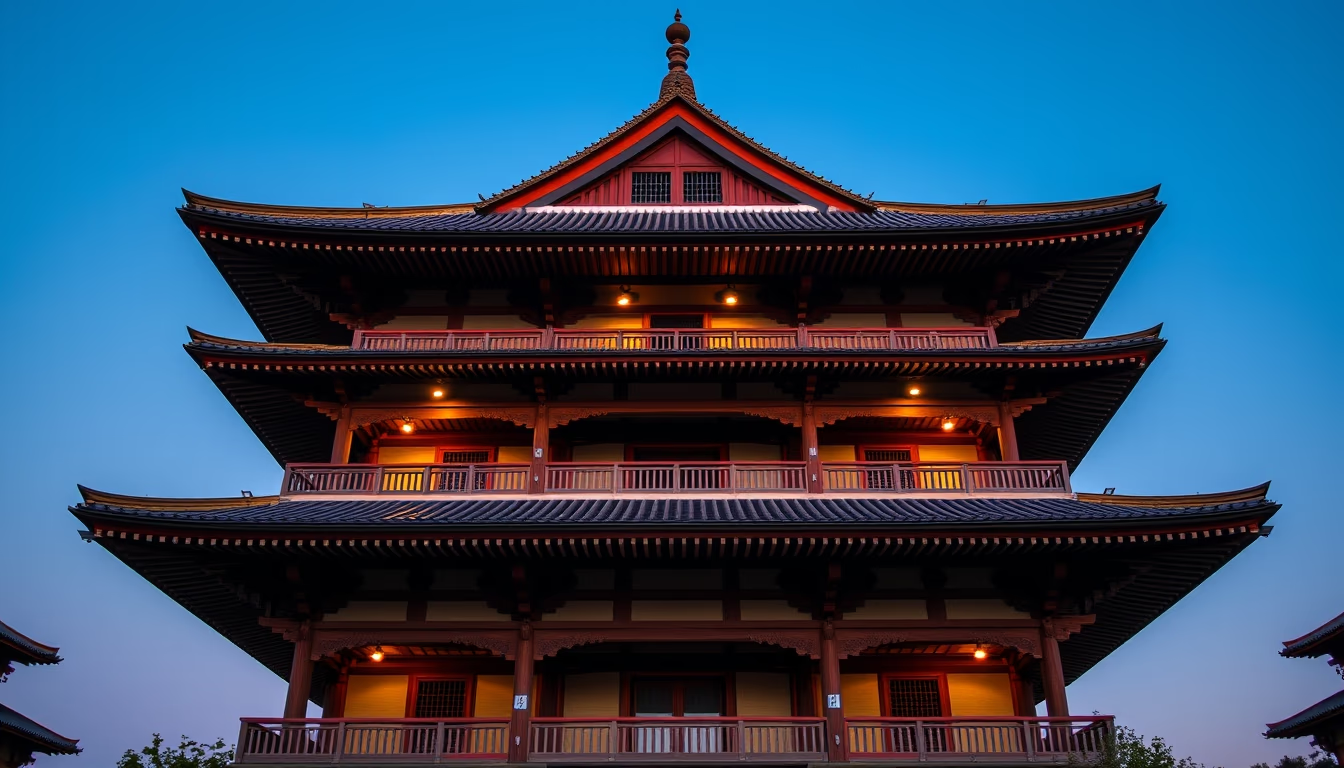
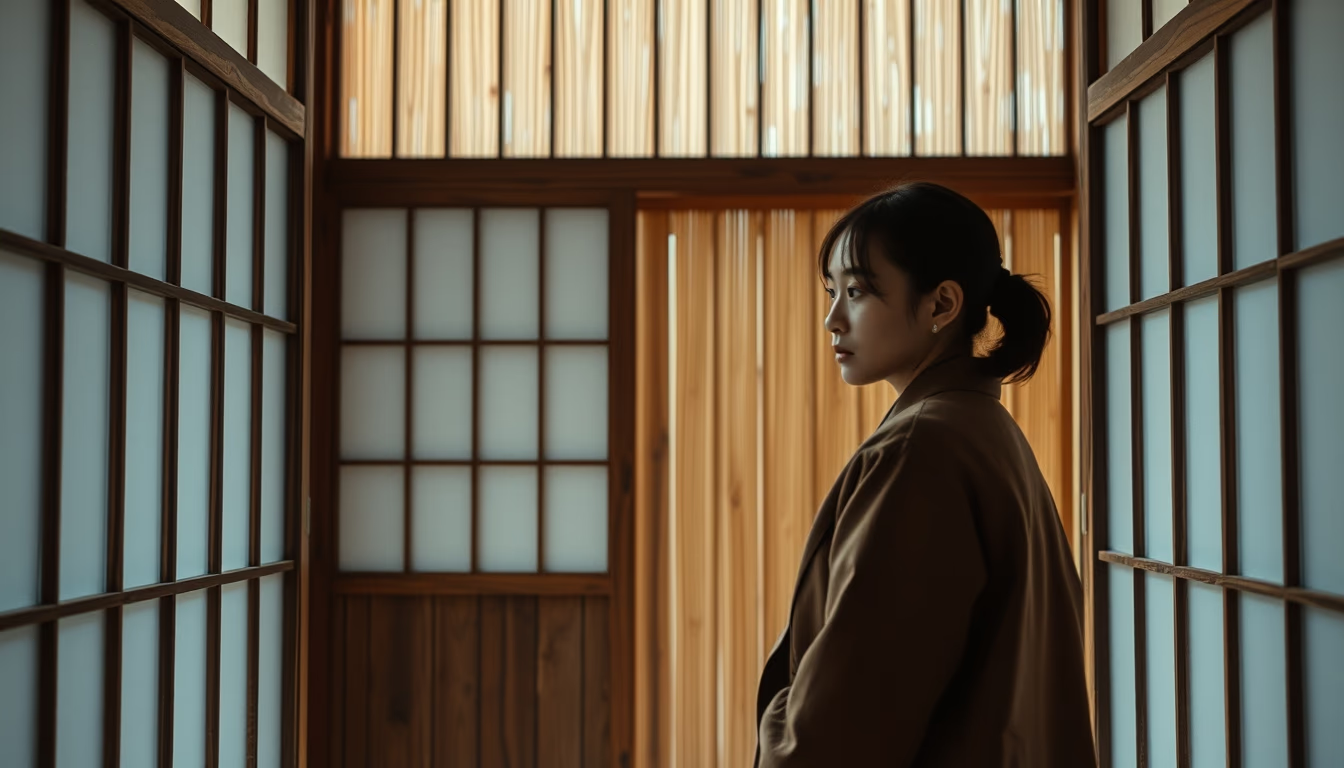
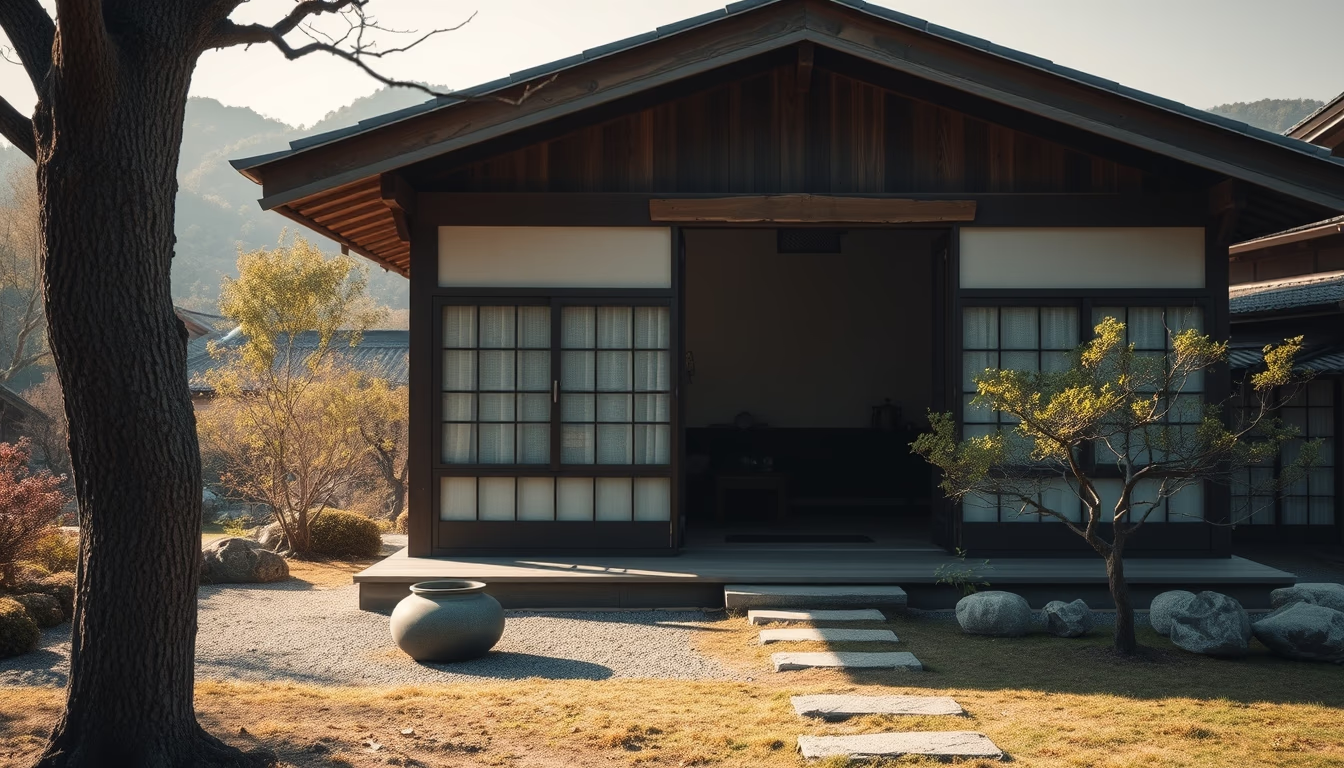
Zen mountain temples combine minimalist architecture with natural landscapes, creating environments conducive to meditation and self-discovery.
About this subject
The tradition of building temples on remote mountains dates back to Chan Buddhism in China, which influenced Japanese Zen. These sites were chosen to distance monks from urban distractions and bring them closer to nature, considered essential for enlightenment. In Japan, iconic examples include the Mount Koya complex, founded in the 9th century by Kobo Daishi, and the temples of Kyoto, such as Kiyomizu-dera, which integrates into the mountainside.
The architecture of these temples follows principles of simplicity and harmony with the terrain. Curved roofs, exposed wood, and gardens of stone or moss are common. The use of natural materials and the absence of excessive ornamentation reflect the wabi-sabi aesthetic, which values imperfection and transience. Many Zen temples also feature a karesansui (dry garden), where the arrangement of rocks and gravel evokes abstract landscapes for meditation.
While there is no specific 'Koan mountain temple,' the term koan refers to the paradoxical riddles used in Zen training to break logical thinking. The image of a temple atop a mountain symbolizes the spiritual journey toward enlightenment, where silence and contemplation are key tools. Mountains like Mount Hiei near Kyoto housed hermit monks who practiced austerities.
Interestingly, many mountain Zen temples today offer meditation programs and lodging for visitors, such as Eihei-ji and Soji-ji in Japan. They allow ordinary people to experience monastic routine, including zazen (seated meditation) and daily chores. This practice has gained global popularity, attracting those seeking relief from modern stress.
Frequently Asked Questions
What is a koan in Zen Buddhism?
A koan is a paradoxical question or story used in Zen training to trigger insights beyond logical thought. Famous examples include 'What is the sound of one hand clapping?'
Where are the main Zen mountain temples located?
In Japan, notable ones include Mount Koya (Koyasan) and temples in Kyoto like Kinkaku-ji and Ryoan-ji. In China, sacred mountains such as Wutai Shan and Emei Shan house historic Buddhist temples.
Can I visit a Zen temple for meditation?
Yes, many Zen temples offer meditation programs and short stays, such as Eihei-ji and Soji-ji Temple. It is advisable to book in advance and follow the temple's rules.
Direct URL
https://pub-c7d6a6ea828543ac903a74a341ccb2e1.r2.dev/imagens/koan-mountain-temple-cinematic-wide-shot-fresh8.avifHow to credit
Include a visible link back to UtilizAí. Copy one of the snippets below:
<a href="https://xn--utiliza-eza.com/en/midia/imagens/koan-mountain-temple-cinematic-wide-shot-fresh8">Koan mountain temple</a> by <a href="https://xn--utiliza-eza.com">UtilizAí</a>, licensed under <a href="https://creativecommons.org/licenses/by/4.0/">CC BY 4.0</a>.
[Koan mountain temple](https://xn--utiliza-eza.com/en/midia/imagens/koan-mountain-temple-cinematic-wide-shot-fresh8) by [UtilizAí](https://xn--utiliza-eza.com), CC BY 4.0
License: CC-BY-4.0