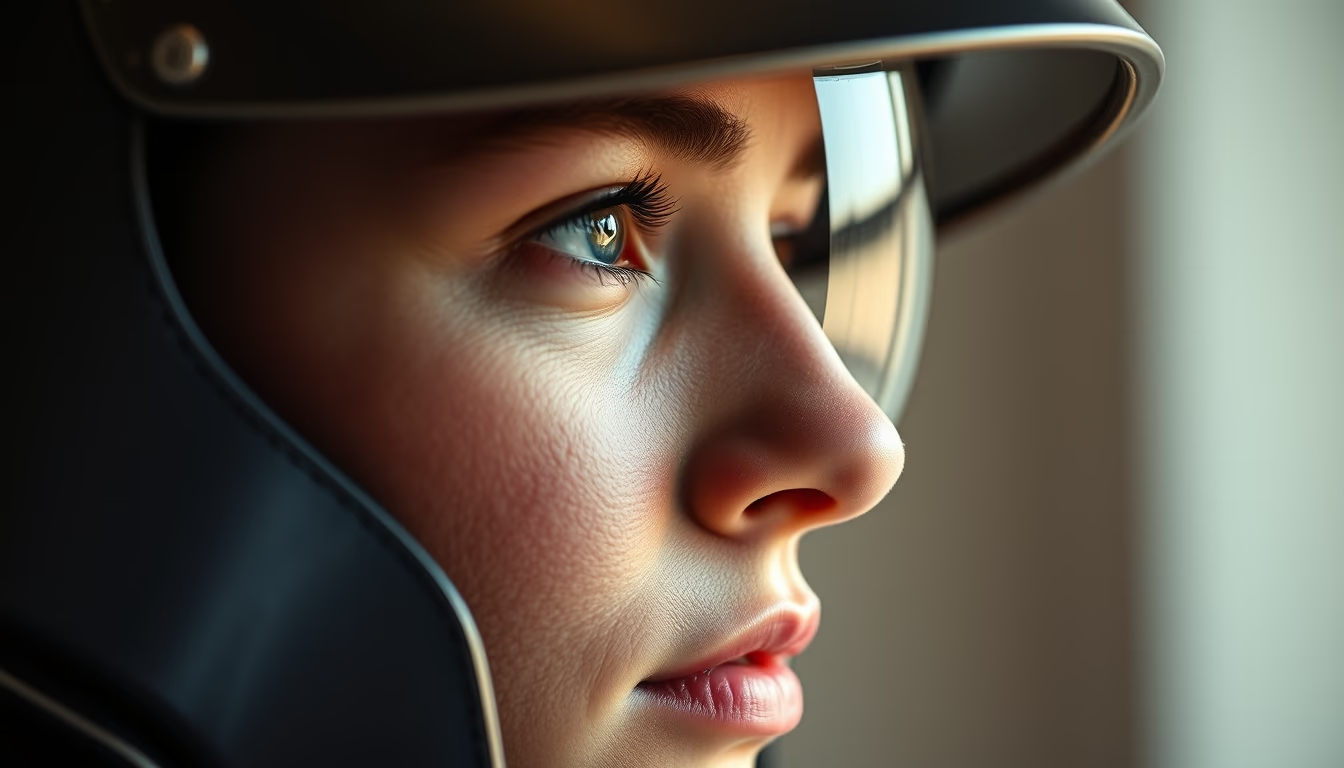
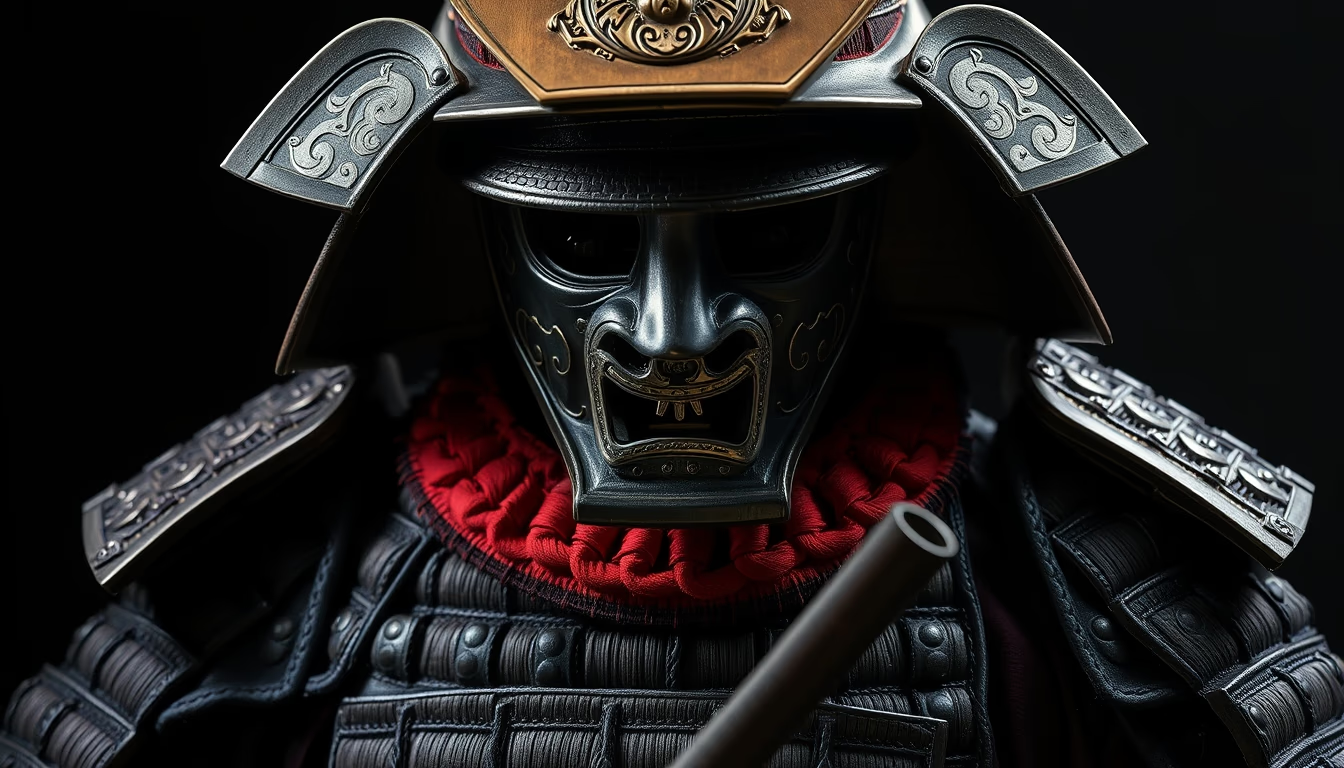
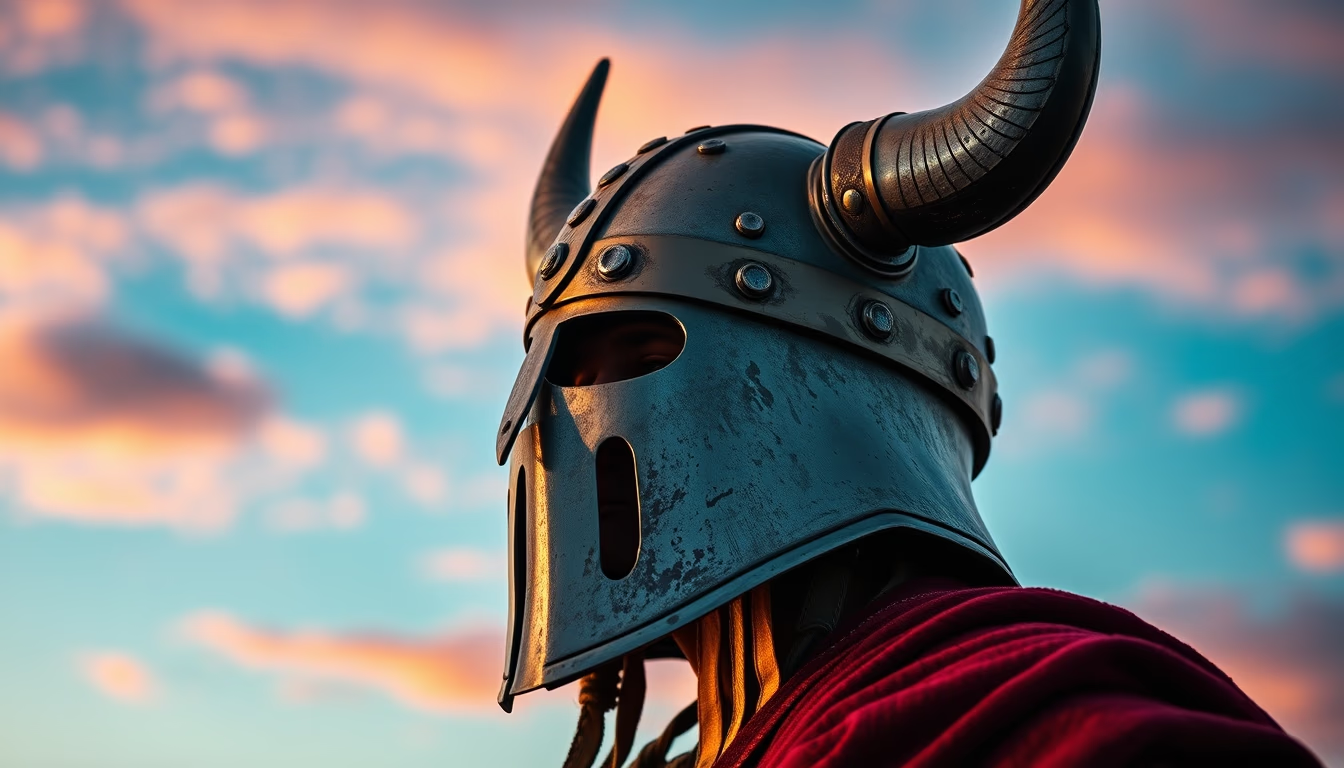
Knight visor closeup
1344×768 · AVIF · CC BY 4.0

A close-up of a medieval knight visor reveals details of facial protection used in battles and tournaments, influenced by European design from the 14th to 16th centuries.
About this subject
The visor was an essential component of the medieval helmet, developed to protect the knight's face without completely compromising vision and breathing. It emerged around the 14th century, evolving from earlier closed helmets like the bascinet, which often used a mail aventail. Over time, the visor became articulated, allowing the knight to lift or remove the piece when not in combat.
Visors were primarily made of steel, hammered and forged by specialized armorers. Design varied by region and period: in Germany, 'hounds skull' visors with pointed shapes predominated; in Italy, visors tended to be more rounded. The horizontal slits, called 'sights,' provided a limited field of vision, while small holes at the bottom aided breathing and sweat drainage.
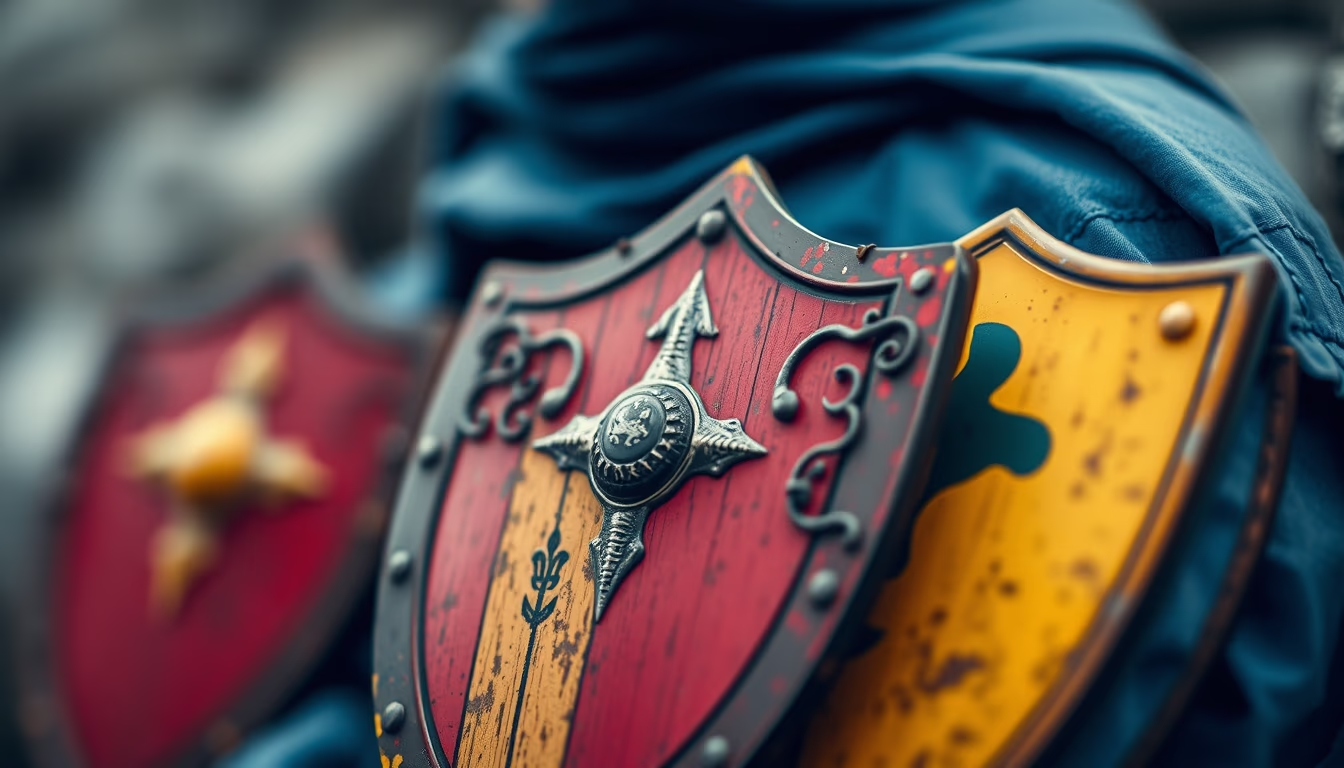
In tournaments, the visor was often decorated with the knight's coat of arms or colors, serving as identification and a symbol of lineage. Some models included a lady's 'favor,' tied or painted on. The visor also appeared in heraldry as a graphical element in noble family coats of arms.
With the decline of full plate armor in the 17th century, the visor lost its functional role, but remained a cultural icon, present in films, literature, and historical reenactments. Modern replica production uses traditional or modern techniques, such as casting and welding, to ensure historical accuracy.
Frequently Asked Questions
How did a knight's visor work?
The visor was hinged to the helmet, allowing it to be raised or lowered. In combat, it remained closed to protect the face, with slits for vision and breathing. Outside battle, it was raised for better ventilation and communication.
What materials were medieval visors made of?
Most were made of forged steel or iron, with sufficient thickness to withstand sword blows and arrows. Some tournament visors included additional reinforcements, such as metal bars.
Why did visors have slits and holes?
The horizontal slits, called 'sights,' allowed the knight to see the battlefield. Small holes at the bottom facilitated breathing and sweat drainage, preventing moisture buildup.
Direct URL
https://pub-c7d6a6ea828543ac903a74a341ccb2e1.r2.dev/imagens/knight-visor-closeup-fish-eye-wide-angle-p9.avifHow to credit
Include a visible link back to UtilizAí. Copy one of the snippets below:
<a href="https://xn--utiliza-eza.com/en/midia/imagens/knight-visor-closeup-fish-eye-wide-angle-p9">Knight visor closeup</a> by <a href="https://xn--utiliza-eza.com">UtilizAí</a>, licensed under <a href="https://creativecommons.org/licenses/by/4.0/">CC BY 4.0</a>.
[Knight visor closeup](https://xn--utiliza-eza.com/en/midia/imagens/knight-visor-closeup-fish-eye-wide-angle-p9) by [UtilizAí](https://xn--utiliza-eza.com), CC BY 4.0
License: CC-BY-4.0