Industrial robot arm welding
1344×768 · AVIF · CC BY 4.0
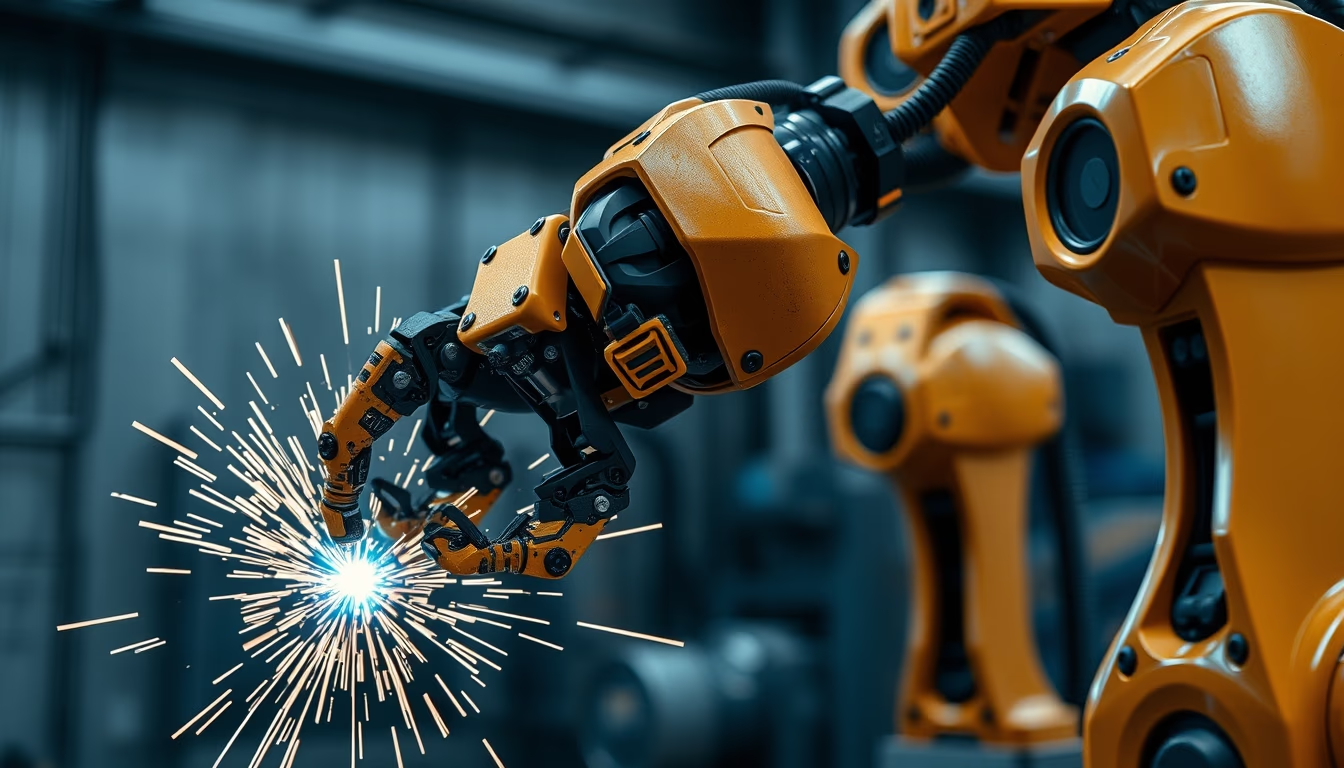
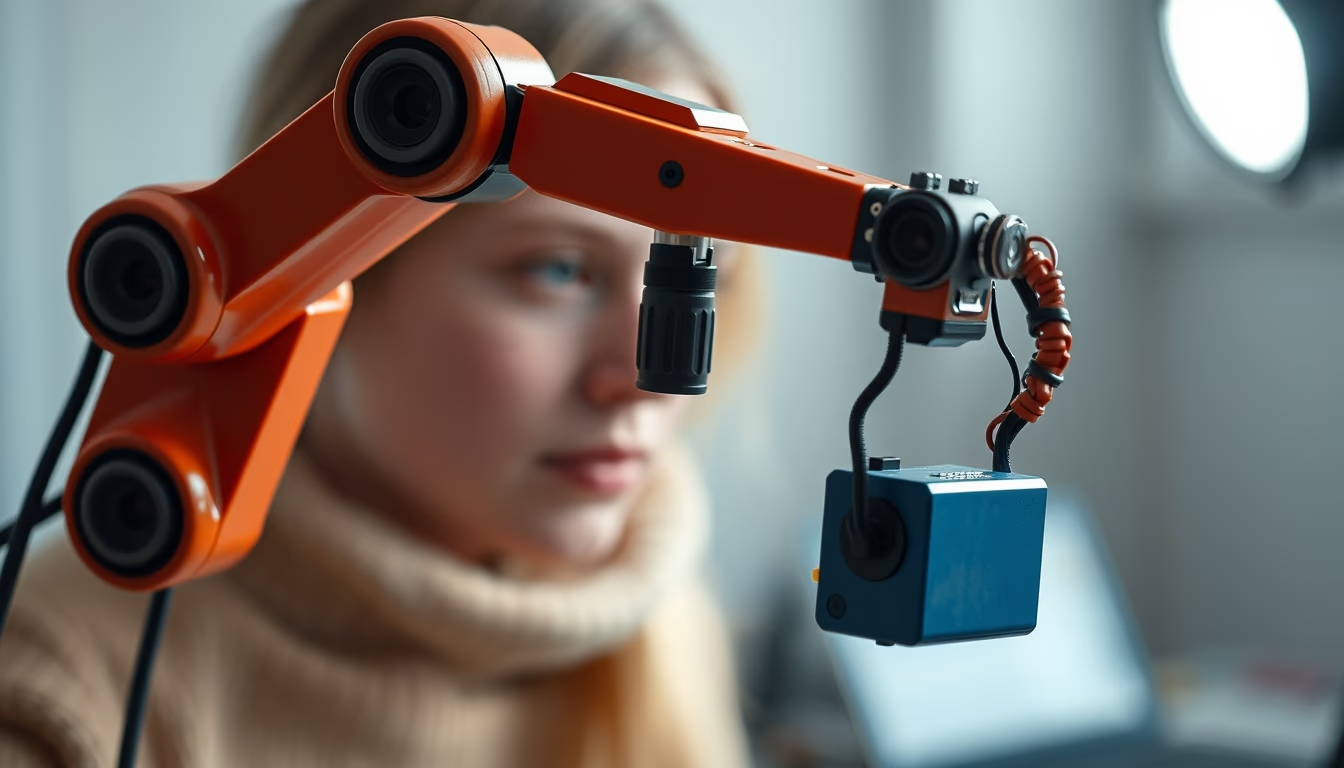
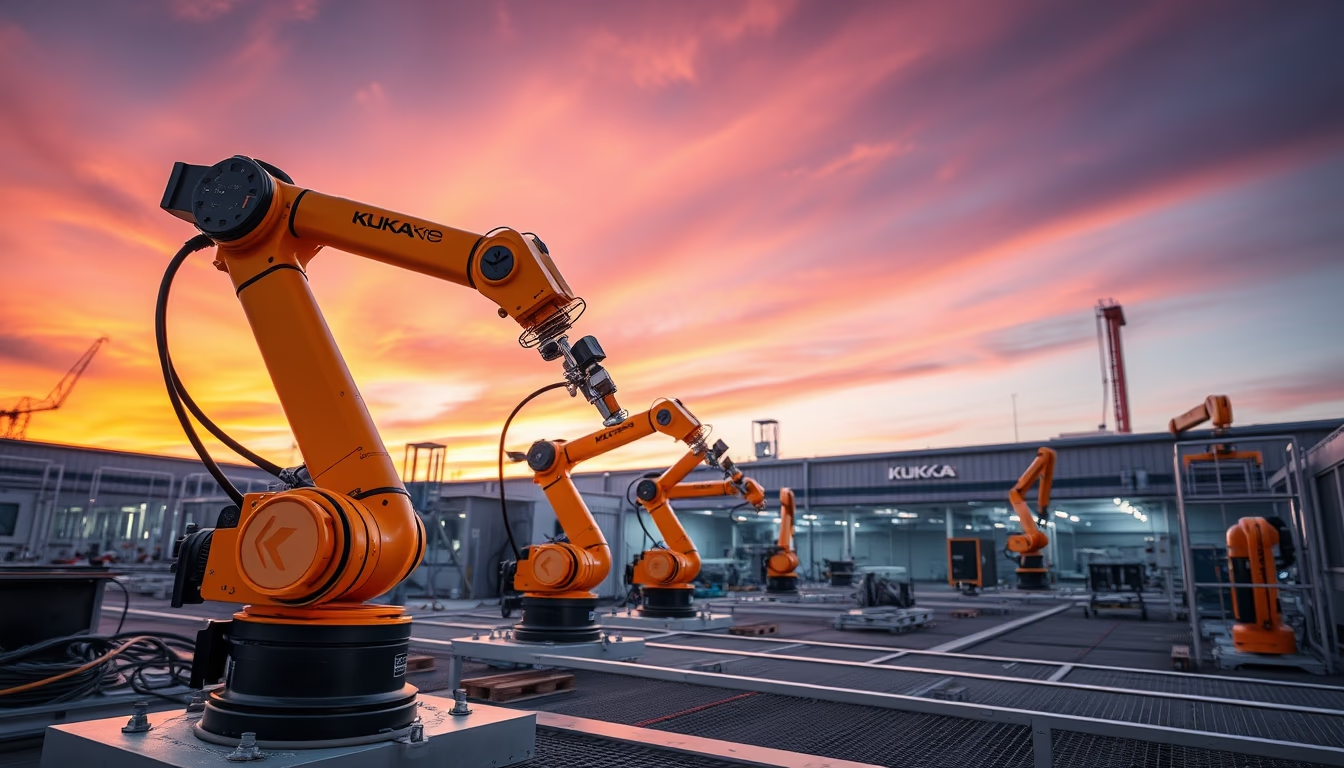
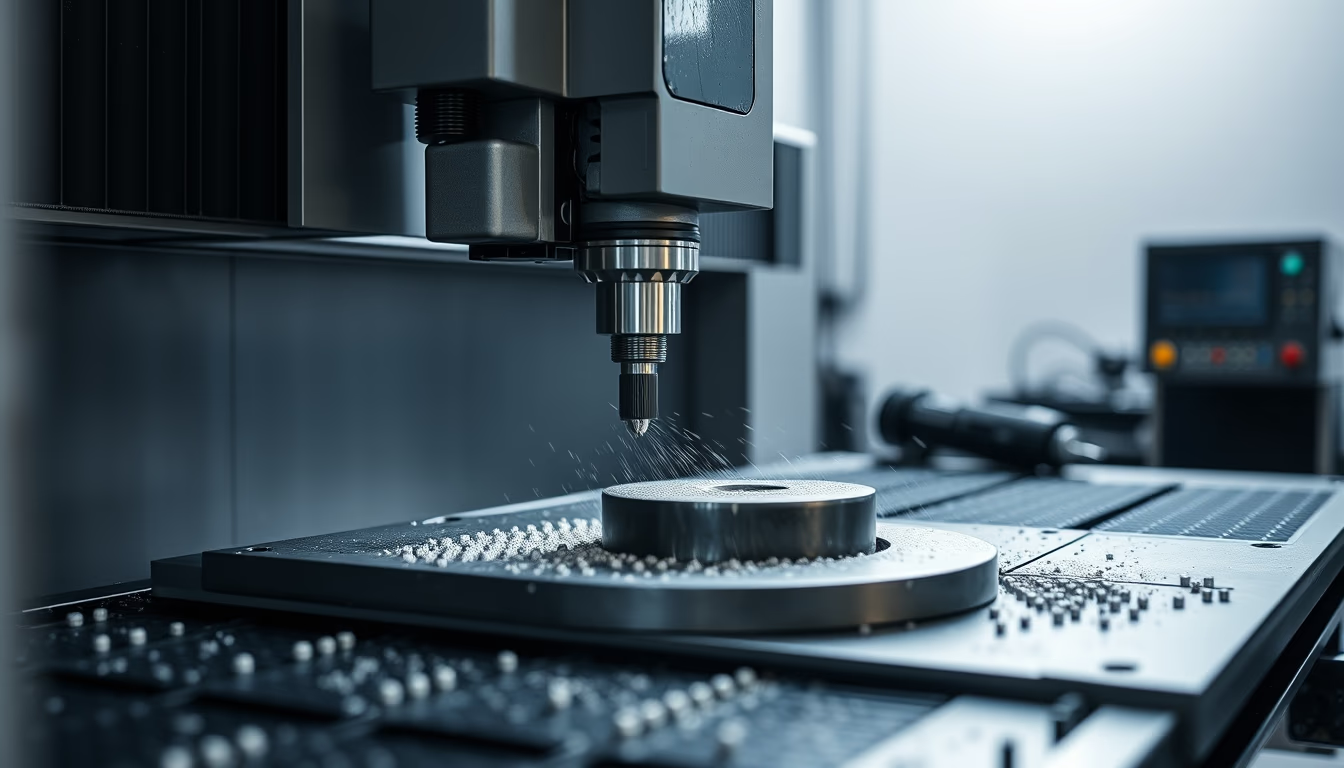
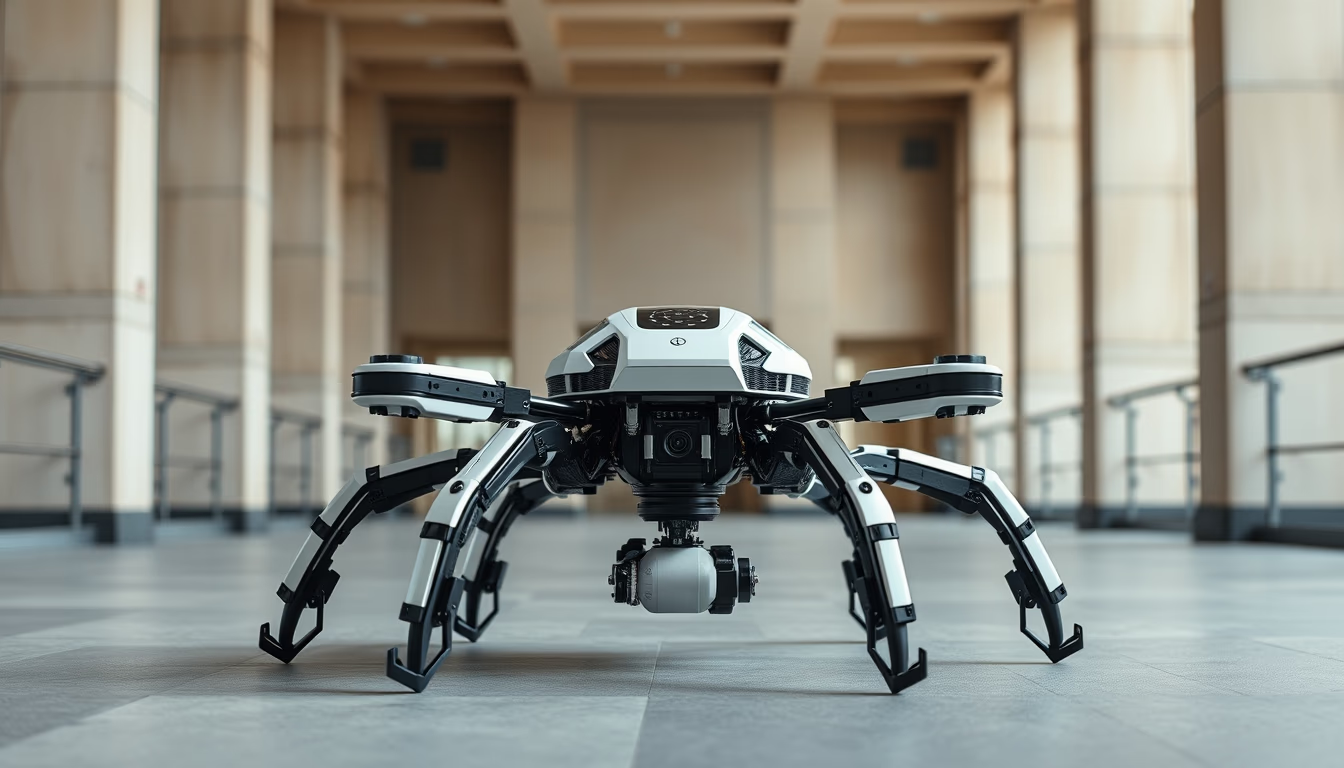
Industrial robots for welding automate manufacturing processes with high precision and repeatability, boosting productivity and quality on assembly lines.
About this subject
Industrial robotic arms for welding are essential equipment in modern manufacturing. They consist of an articulated manipulator, typically with six degrees of freedom, carrying a welding torch. The robot follows programmed paths to join metal parts with high accuracy, repeating the cycle thousands of times without fatigue. Robotic welding is widely used in automotive, metalworking, shipbuilding, and aerospace industries.
Technologies involved include MIG (Metal Inert Gas), TIG (Tungsten Inert Gas), and spot welding. Vision and force sensors enable the robot to adapt to part variations, adjusting the trajectory in real time. This ensures consistent welds even in harsh environments with high temperatures and toxic fumes. Integration with vacuum and safety systems isolates the operator from hazards.
Historically, the first industrial robot was Unimate, used for welding car bodies at General Motors in 1961. Since then, technology has evolved into collaborative robots (cobots) that work alongside humans, equipped with proximity sensors. Today, welding robots can learn new patterns via offline programming or manual guidance, reducing setup time.
In Industry 4.0, these arms are connected to IoT networks, allowing remote monitoring of parameters such as current, voltage, and speed. Machine learning algorithms analyze data to predict electrode wear and optimize the process. Despite the high initial investment, return comes from reduced rework, increased productivity, and improved final product quality.
Frequently Asked Questions
How does a robotic arm perform welding?
The robotic arm moves a welding torch along programmed paths, controlling parameters such as current, voltage, and speed. Vision and force sensors adjust the trajectory in real time to ensure joint precision.
What are the main advantages of robotic welding compared to manual welding?
It offers higher precision, repeatability, productivity, and safety, eliminating the welder's exposure to fumes, heat, and radiation. It reduces rework and long-term operational costs.
In which industries is robotic welding most common?
It is prevalent in automotive (body assembly), metalworking (structures), shipbuilding (steel plates), and aerospace (light alloy components).
Direct URL
https://pub-c7d6a6ea828543ac903a74a341ccb2e1.r2.dev/imagens/industrial-robot-arm-welding-national-geographic-style-p4.avifHow to credit
Include a visible link back to UtilizAí. Copy one of the snippets below:
<a href="https://xn--utiliza-eza.com/en/midia/imagens/industrial-robot-arm-welding-national-geographic-style-p4">Industrial robot arm welding</a> by <a href="https://xn--utiliza-eza.com">UtilizAí</a>, licensed under <a href="https://creativecommons.org/licenses/by/4.0/">CC BY 4.0</a>.
[Industrial robot arm welding](https://xn--utiliza-eza.com/en/midia/imagens/industrial-robot-arm-welding-national-geographic-style-p4) by [UtilizAí](https://xn--utiliza-eza.com), CC BY 4.0
License: CC-BY-4.0