Illuminated manuscript
1344×768 · AVIF · CC BY 4.0
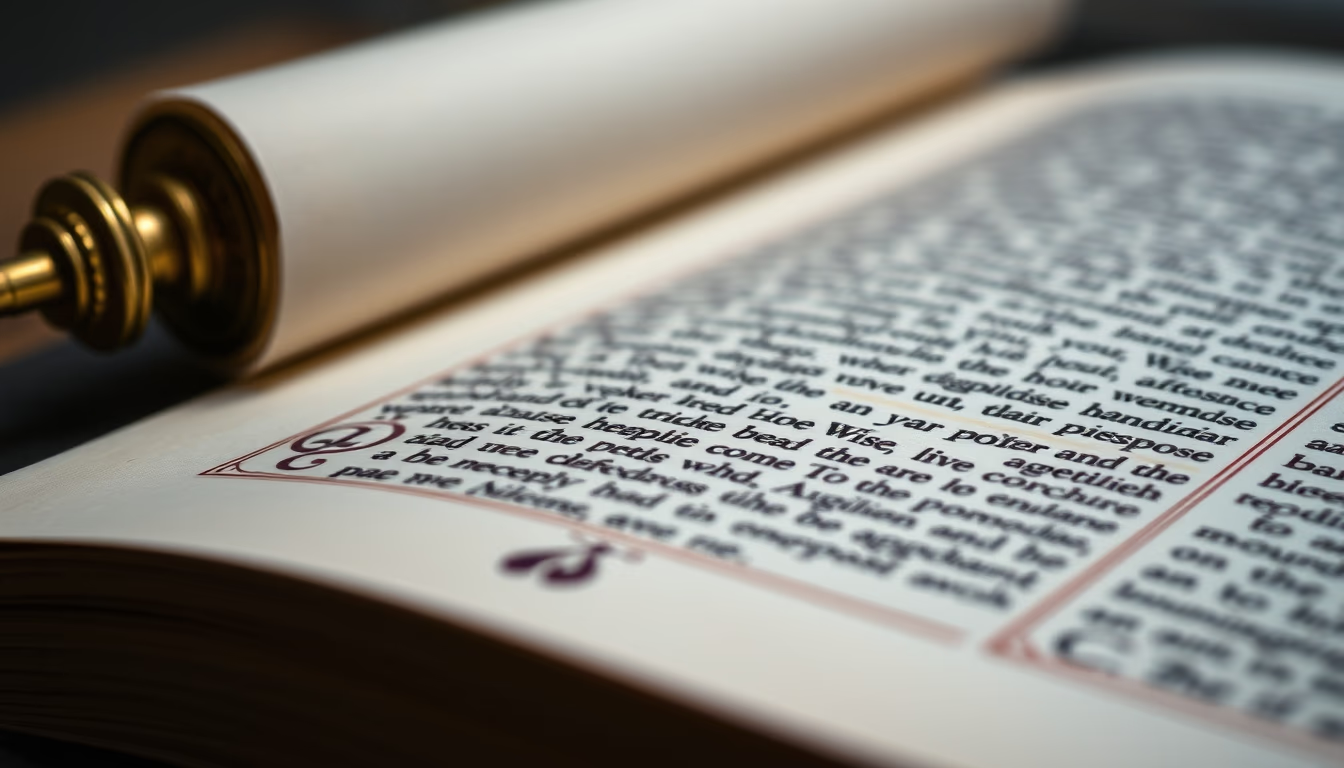
Illuminated manuscripts blend text with gold leaf and vibrant colors, revealing medieval art and faith.
About this subject
Illuminated manuscripts are handwritten books decorated with ornamental initials, borders, and illustrations, often highlighted with gold or silver. Produced between the 5th and 15th centuries, mainly in European monasteries, these artifacts represent the peak of medieval art. The term "illuminated" comes from the Latin illuminare, meaning to light up, referring to the gleam of metal leaf applied to pages. Parchment, made from animal skin, was the common support, offering a durable surface for complex techniques.
Creating these manuscripts required specialized skills and costly materials. Gold was beaten into thin leaves and applied with glue or egg white. Pigments like ultramarine blue (from Afghan lapis lazuli) and vermilion (cinnabar) were ground and mixed with binders. Monk scribes and illuminators worked in scriptoria, dedicated copying and decoration rooms. Notable examples include the Book of Kells (Ireland, c. 800 AD) with its intricate Celtic carpet pages, and the Apocalypse of Trèves (Germany, c. 800 AD), illustrating biblical visions with vibrant apocalyptic scenes.
Culturally, illuminated manuscripts were crucial for preserving classical knowledge and Christian texts during the Middle Ages. They served as liturgical tools, symbols of power, and objects of contemplation. The Catholic Church commissioned many, funding artists and ensuring transmission of ancient works. The invention of the printing press by Gutenberg in the 15th century drastically reduced production, making illuminated manuscripts rare relics.
Interestingly, the cost of an illuminated manuscript could equal that of a small rural estate. Ultramarine blue was so valuable that its use was reserved for the Virgin Mary's robes and kings. Many manuscripts were disassembled over the centuries to sell individual leaves, but complete copies survive in museums and libraries such as the Bibliothèque nationale de France and the British Library. Their sizes ranged from large liturgical volumes to small portable books of hours.
Frequently Asked Questions
What does 'illuminated' mean in illuminated manuscripts?
The term 'illuminated' comes from the Latin illuminare, meaning to light up or adorn with light. It refers to the use of gold and silver in decorations to give brightness and radiance to the pages.
What is the most famous illuminated manuscript?
The Book of Kells, a 9th-century Irish gospel book, is considered a masterpiece of Insular art. Its pages feature intricate decorations, vibrant colors, and ornate details that fascinate scholars and visitors alike.
How long did it take to produce an illuminated manuscript?
Production time varied greatly, but complex manuscripts could take months or even years. They involved teams of monks specialized in writing, painting, gold application, and binding.
Direct URL
https://pub-c7d6a6ea828543ac903a74a341ccb2e1.r2.dev/imagens/illuminated-manuscript-macro-closeup-p5.avifHow to credit
Include a visible link back to UtilizAí. Copy one of the snippets below:
<a href="https://xn--utiliza-eza.com/en/midia/imagens/illuminated-manuscript-macro-closeup-p5">Illuminated manuscript</a> by <a href="https://xn--utiliza-eza.com">UtilizAí</a>, licensed under <a href="https://creativecommons.org/licenses/by/4.0/">CC BY 4.0</a>.
[Illuminated manuscript](https://xn--utiliza-eza.com/en/midia/imagens/illuminated-manuscript-macro-closeup-p5) by [UtilizAí](https://xn--utiliza-eza.com), CC BY 4.0
License: CC-BY-4.0