Illuminated manuscript
1344×768 · AVIF · CC BY 4.0
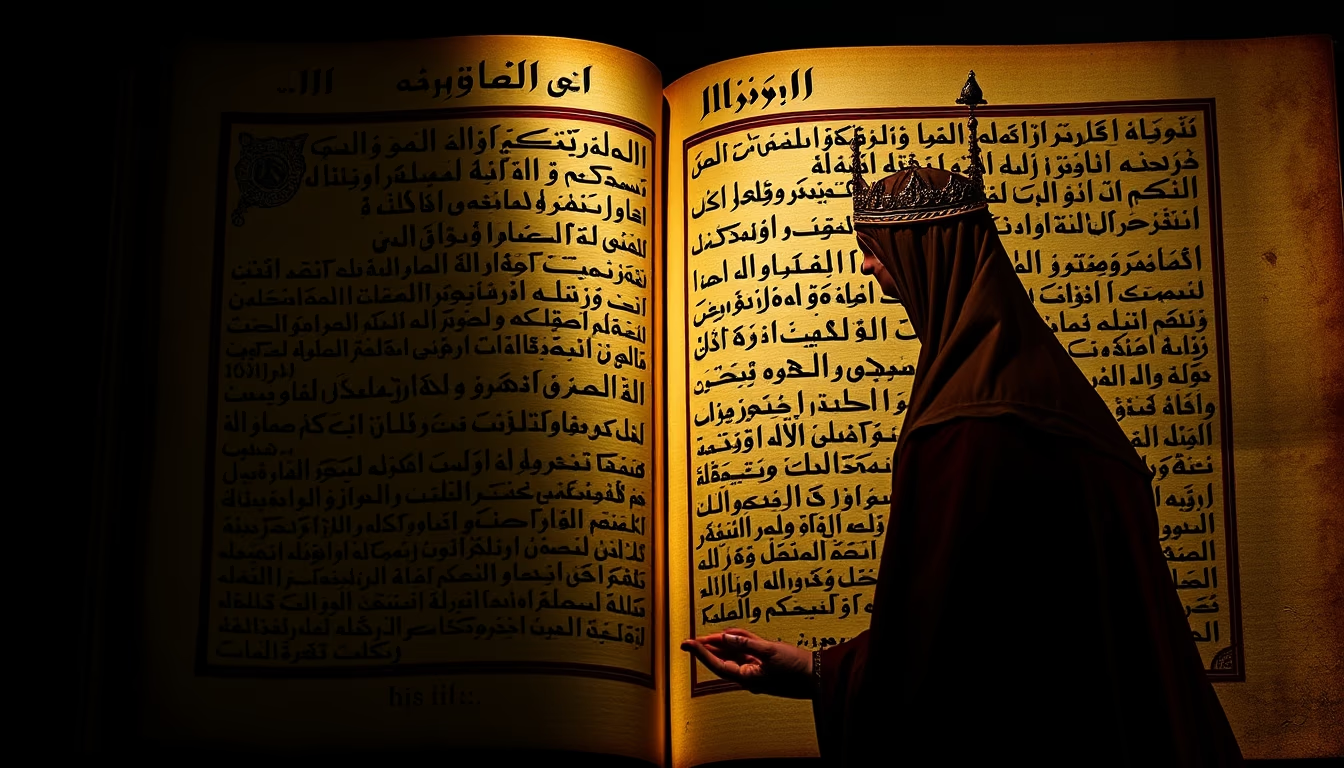
Illuminated manuscripts blend sacred text with rich ornamentation, flourishing in medieval Europe between the 6th and 16th centuries.
About this subject
Illuminated manuscripts are handwritten books decorated with ornate initials, borders, and miniature paintings. The term “illuminated” comes from the Latin “illuminare”, referring to the use of gold and silver to “light up” the pages. This art reached its peak in medieval Europe, especially in monasteries and scriptoria, where monk copyists and illuminators spent months or years on a single volume. Materials included parchment (animal skin) or vellum (calfskin), pigments from minerals like lapis lazuli (ultramarine blue) and vermilion, and beaten gold leaf. Techniques like tempera and gold leaf application required extreme skill.
Historical context: the earliest examples date from Late Antiquity, but the greatest production occurred during the Romanesque and Gothic periods. Books like the Book of Kells (c. 800 AD, Ireland) and the Rohan Hours (15th century, France) are icons. Besides religious works (Bibles, psalters, books of hours), there were secular manuscripts such as bestiaries and chronicles. Gutenberg’s printing press in 1450 drastically reduced demand, but the art survived in luxury illuminations for nobility until the 16th century.
Trivia: gold was ground in honey or gum arabic to form a malleable paste. Purple pigment from mollusks was so expensive that only emperors could afford manuscripts with purple backgrounds. Many manuscripts were dismembered in the 19th century to sell individual leaves to collectors, a practice now criticized for destroying the historical integrity of the works.
Frequently Asked Questions
What is the most famous illuminated manuscript in the world?
The Book of Kells (c. 800 AD), housed at Trinity College Dublin, is considered the most famous, with exuberant decoration and complex capital letters.
How were the paints for illuminations made?
Pigments came from minerals (lapis lazuli for blue, malachite for green), plants (dragon’s blood for red), and metals (gold leaf). They were mixed with binders like egg white or gum arabic.
Why are illuminated manuscripts so valuable today?
Due to their rarity, artistic beauty, and historical significance. Each book is unique, handcrafted, and many survived centuries in poor conditions. A single folio can fetch thousands of dollars at auction.
Direct URL
https://pub-c7d6a6ea828543ac903a74a341ccb2e1.r2.dev/imagens/illuminated-manuscript-fine-art-photography-p7.avifHow to credit
Include a visible link back to UtilizAí. Copy one of the snippets below:
<a href="https://xn--utiliza-eza.com/en/midia/imagens/illuminated-manuscript-fine-art-photography-p7">Illuminated manuscript</a> by <a href="https://xn--utiliza-eza.com">UtilizAí</a>, licensed under <a href="https://creativecommons.org/licenses/by/4.0/">CC BY 4.0</a>.
[Illuminated manuscript](https://xn--utiliza-eza.com/en/midia/imagens/illuminated-manuscript-fine-art-photography-p7) by [UtilizAí](https://xn--utiliza-eza.com), CC BY 4.0
License: CC-BY-4.0