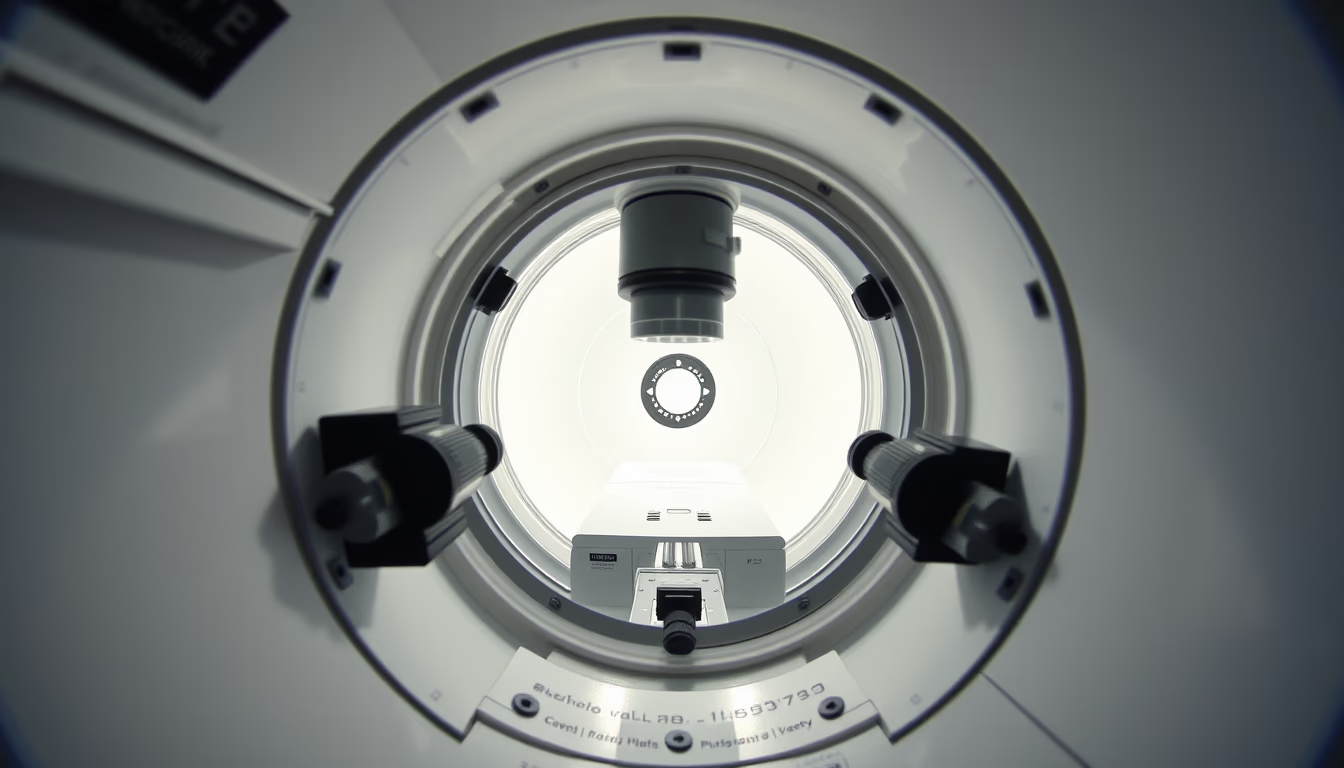
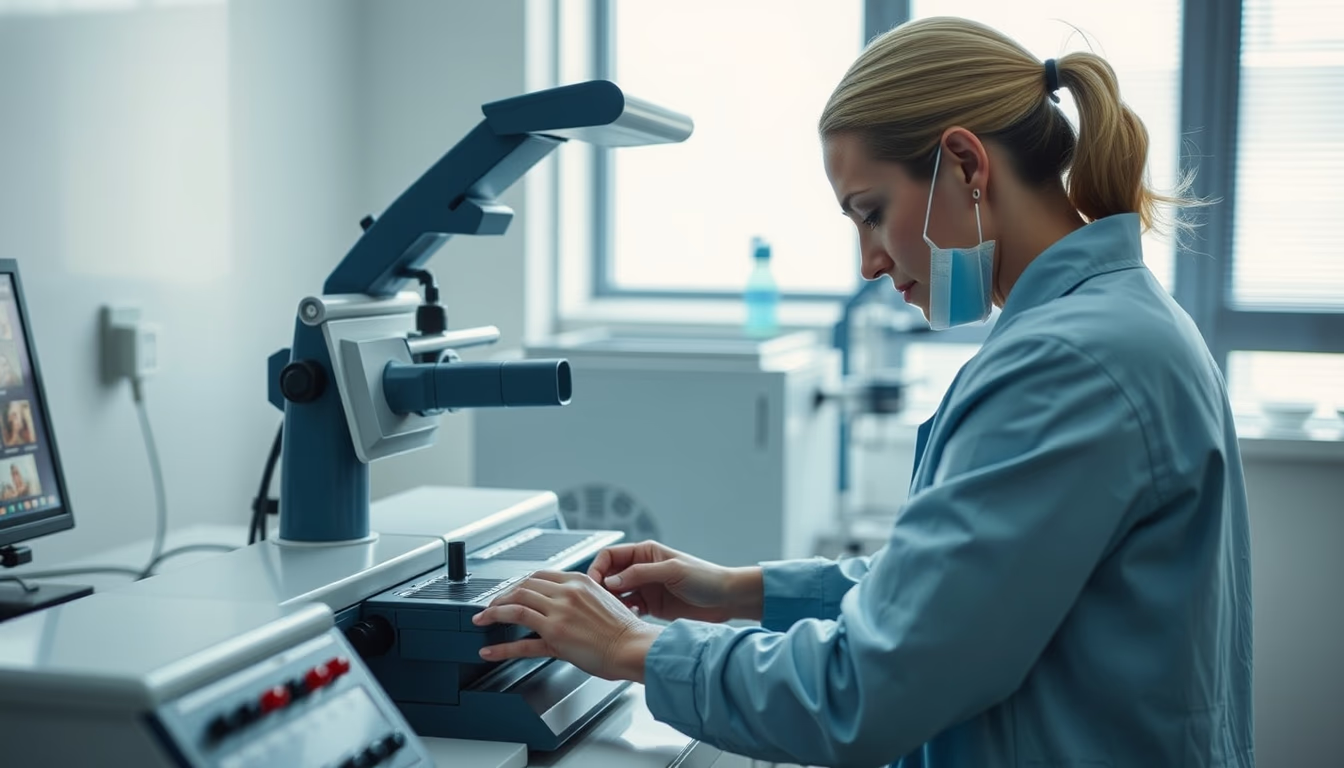
Gene sequencer machine
1344×768 · AVIF · CC BY 4.0

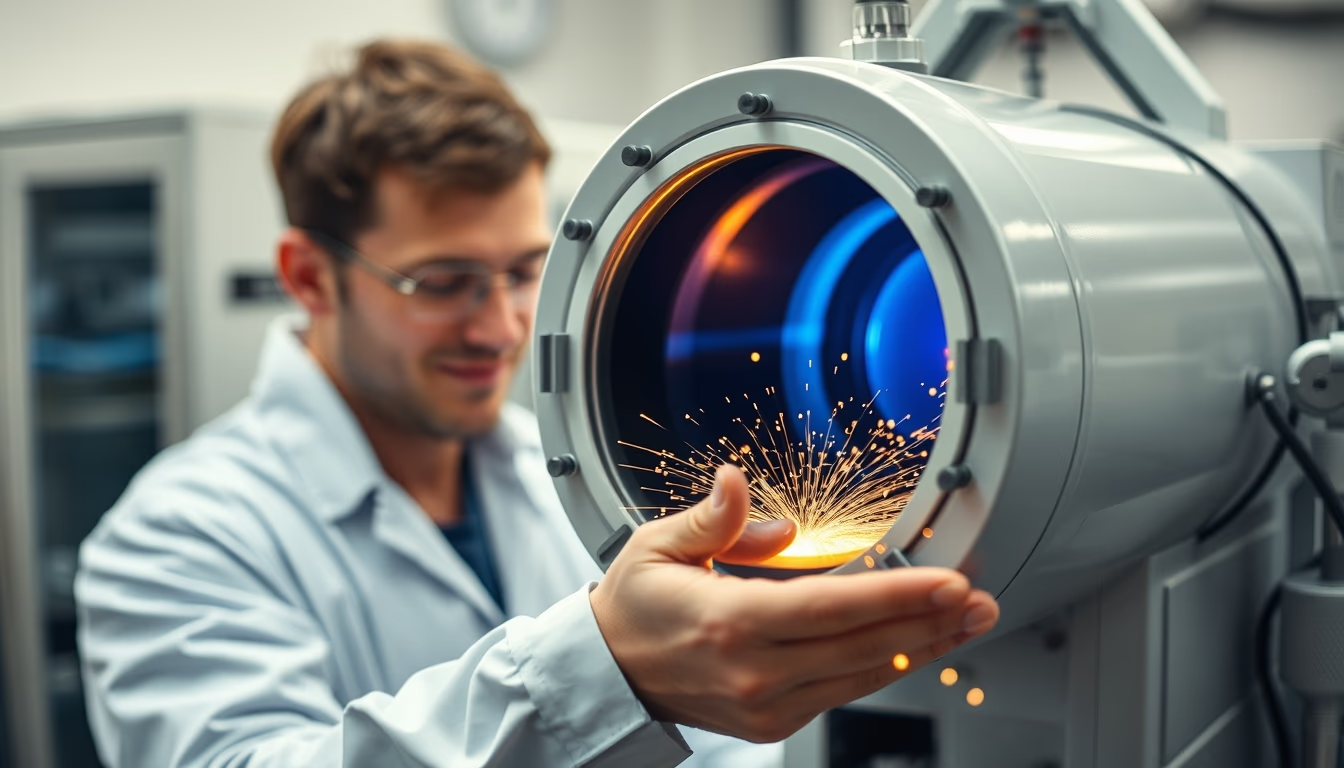
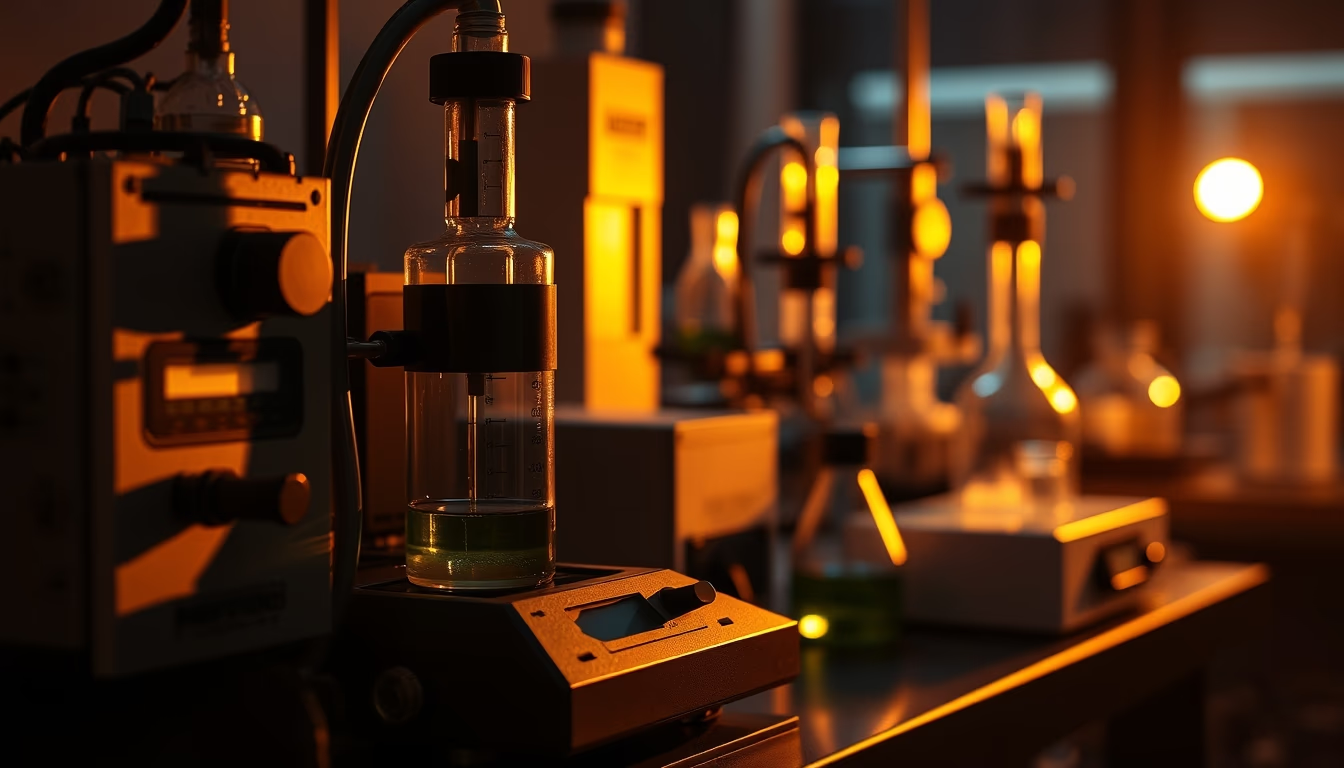
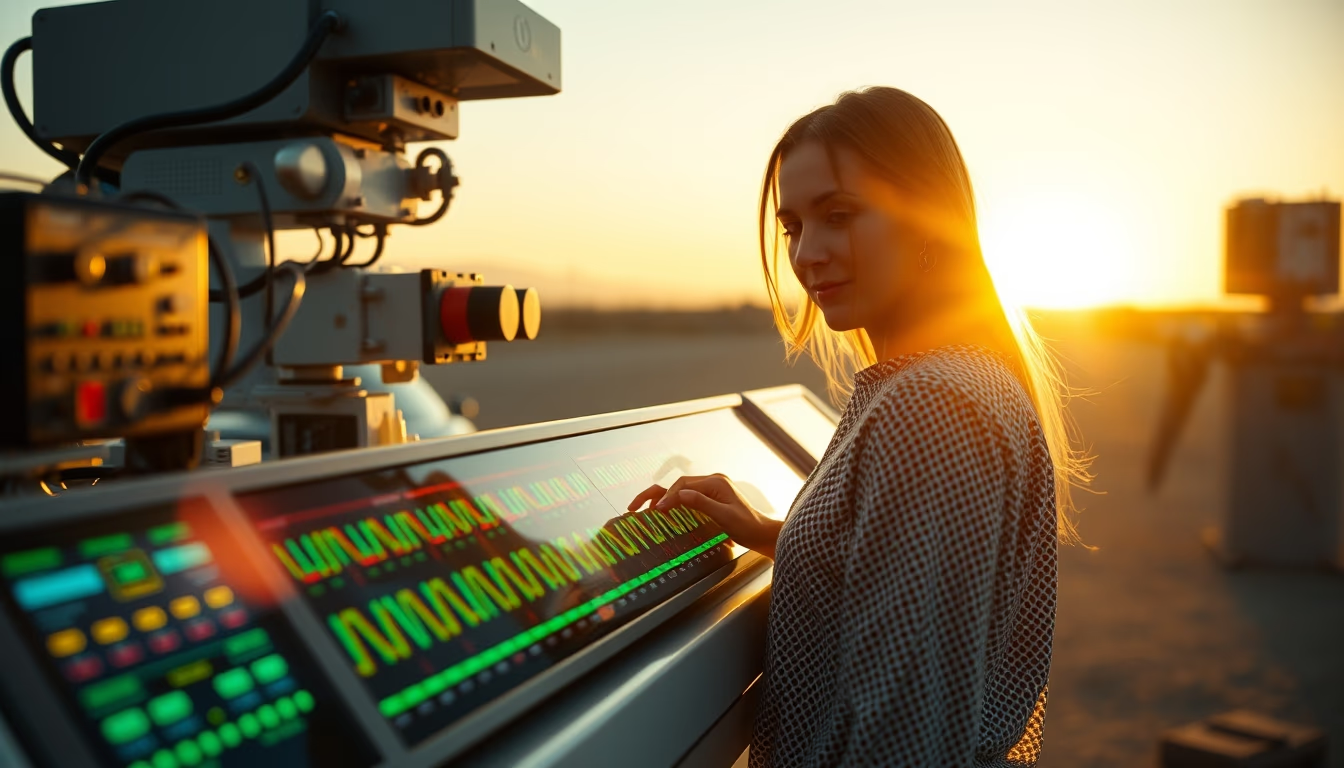
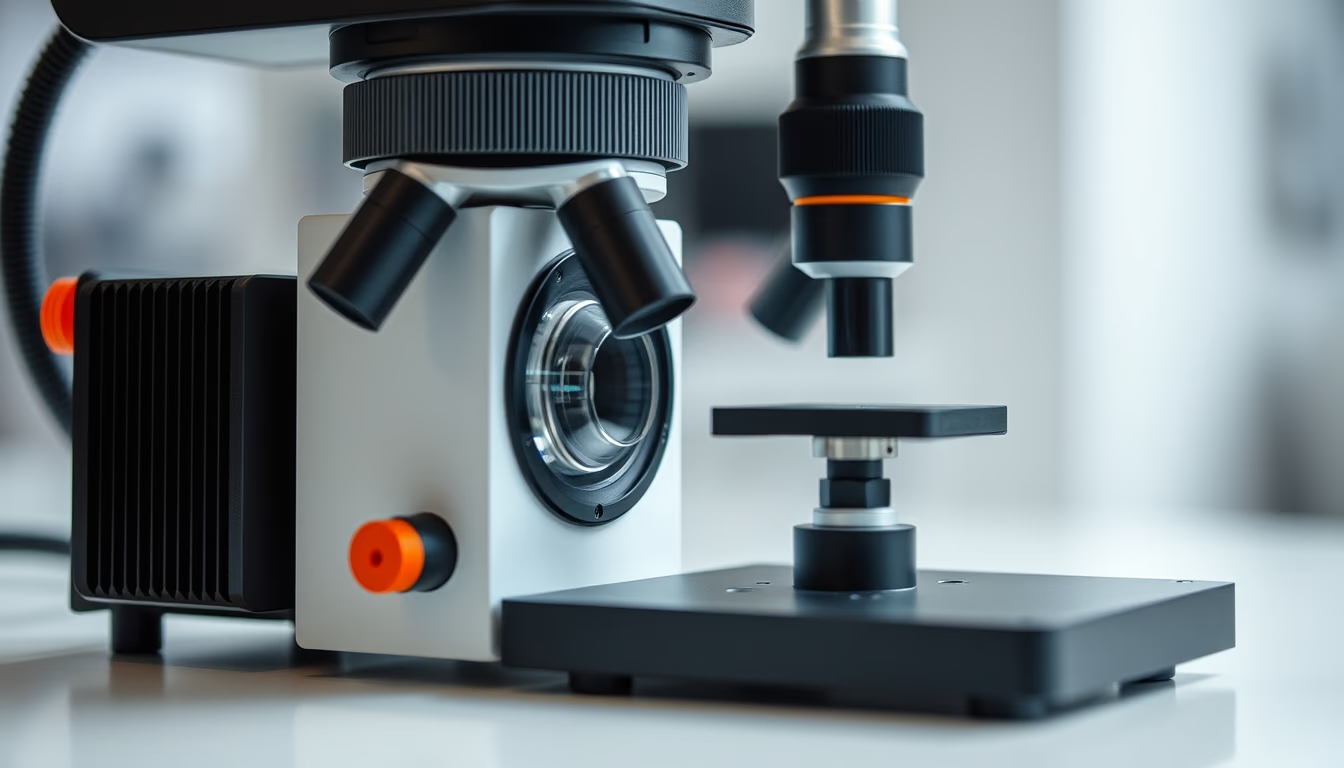
Gene sequencing machine used to decipher DNA, essential in medical research and biotechnology.
About this subject
A gene sequencer is a laboratory instrument that determines the exact order of nucleotides (A, T, C, G) in a DNA molecule. This technology revolutionized molecular biology, enabling everything from complete human genome mapping to the identification of mutations associated with hereditary diseases and cancer. The first sequencers emerged in the 1970s with the Sanger method, which was slow and expensive. From the 2000s onward, next-generation sequencing (NGS) techniques, such as Illumina and Ion Torrent platforms, exponentially increased speed and reduced costs, making projects like the Human Genome Project (completed in 2003) and the 1000 Genomes Project possible.
Today, sequencers are used in various fields: clinical diagnostics, oncology, pharmacogenomics, microbiology, and forensic science. In personalized medicine, for example, sequencing tumor DNA allows selecting more effective targeted therapies for each patient. In infectious disease, the technique is used to monitor pathogen outbreaks, such as sequencing variants of SARS-CoV-2 during the COVID-19 pandemic.
Modern sequencers can generate gigabytes of data per run, requiring sophisticated bioinformatics software for analysis. The cost per human genome has dropped from about US$100 million in 2001 to less than US$1000 in 2023, making sequencing accessible to hospitals and research centers worldwide. Machines like Illumina's NovaSeq and PacBio's Sequel dominate the market, each with specific advantages in long or short reads.
Interestingly, sequencing techniques are also applied in archaeology and paleontology, allowing reconstruction of DNA from extinct species such as the woolly mammoth and Neanderthal, helping to understand human evolution.
Frequently Asked Questions
What is a gene sequencer and what is it used for?
It is an instrument that reads the sequence of DNA bases. It is used to identify genes, mutations, and genetic variants, being essential in medical diagnostics, research, and personalized medicine.
What is the difference between Sanger sequencing and NGS?
Sanger sequencing is slower and more expensive, ideal for short fragments. NGS (Next-Generation Sequencing) is high-throughput, processing millions of fragments simultaneously, reducing time and cost for large projects like whole genomes.
How is gene sequencing used in cancer treatment?
Sequencing tumor DNA identifies specific mutations, enabling targeted therapies and personalized immunotherapies. It also helps monitor tumor evolution and drug resistance.
Direct URL
https://pub-c7d6a6ea828543ac903a74a341ccb2e1.r2.dev/imagens/gene-sequencer-machine-rembrandt-lighting-dramatic-shadows-fresh15.avifHow to credit
Include a visible link back to UtilizAí. Copy one of the snippets below:
<a href="https://xn--utiliza-eza.com/en/midia/imagens/gene-sequencer-machine-rembrandt-lighting-dramatic-shadows-fresh15">Gene sequencer machine</a> by <a href="https://xn--utiliza-eza.com">UtilizAí</a>, licensed under <a href="https://creativecommons.org/licenses/by/4.0/">CC BY 4.0</a>.
[Gene sequencer machine](https://xn--utiliza-eza.com/en/midia/imagens/gene-sequencer-machine-rembrandt-lighting-dramatic-shadows-fresh15) by [UtilizAí](https://xn--utiliza-eza.com), CC BY 4.0
License: CC-BY-4.0