Gene sequencer machine
1344×768 · AVIF · CC BY 4.0
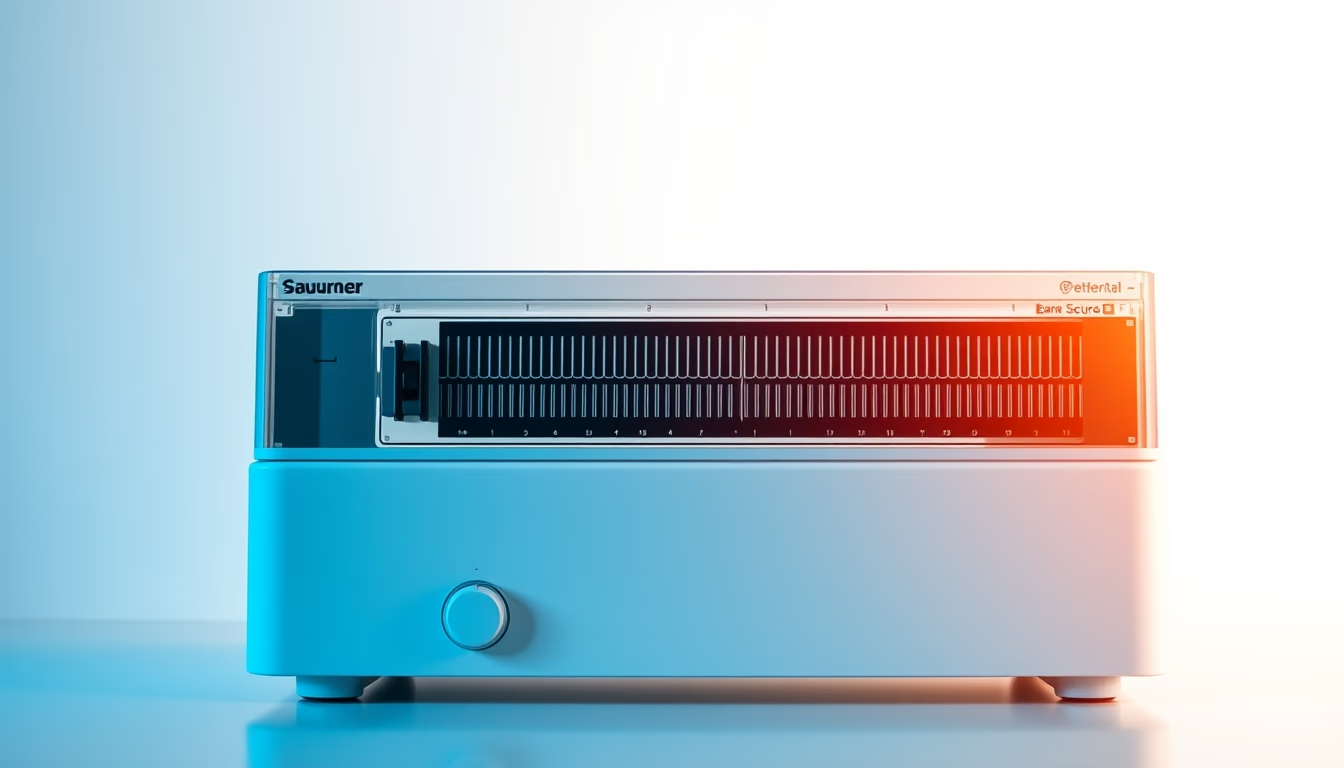
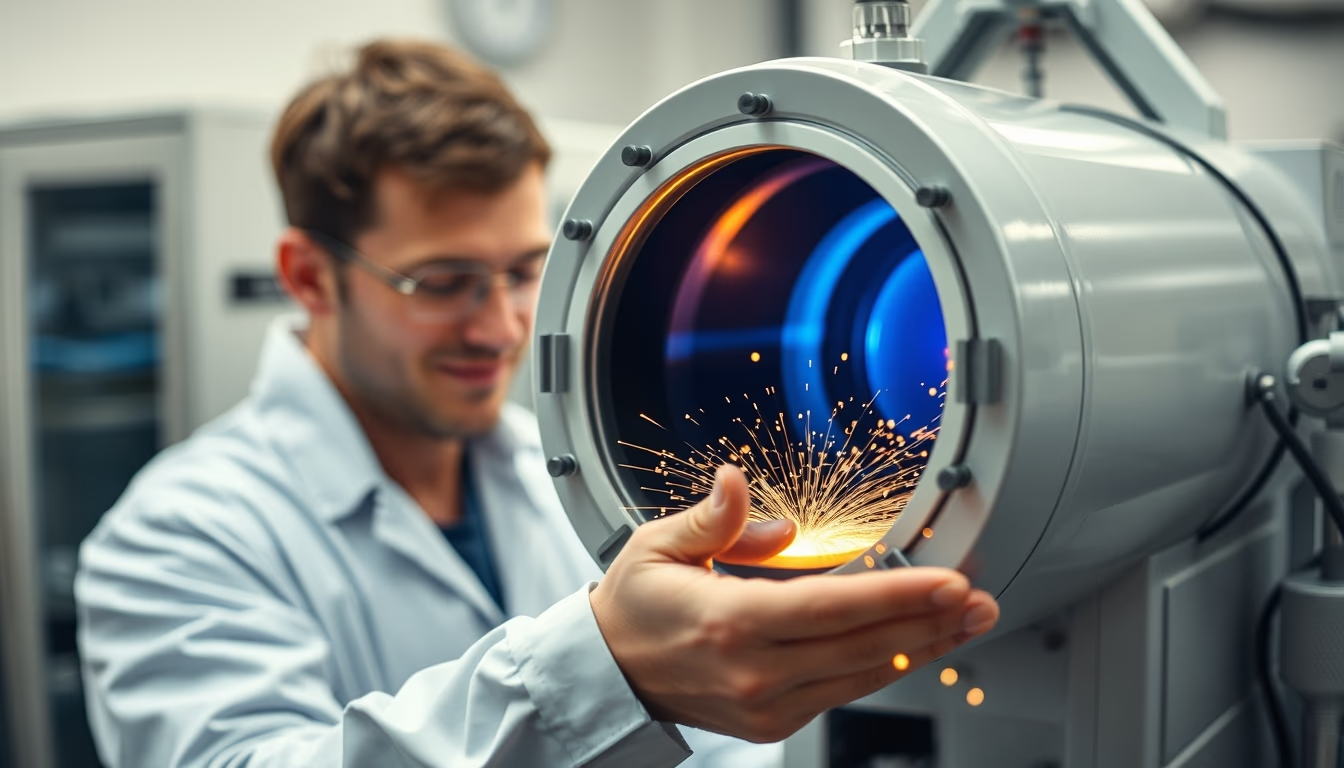
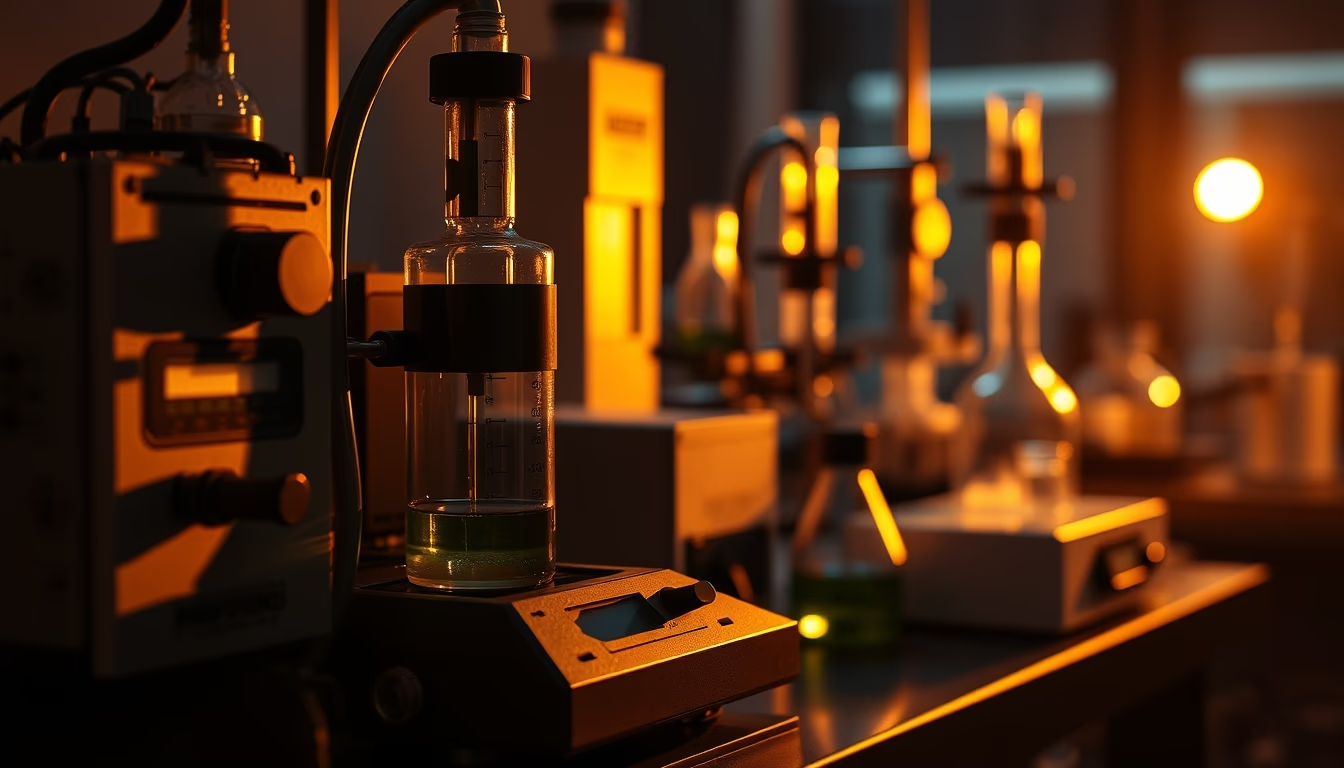
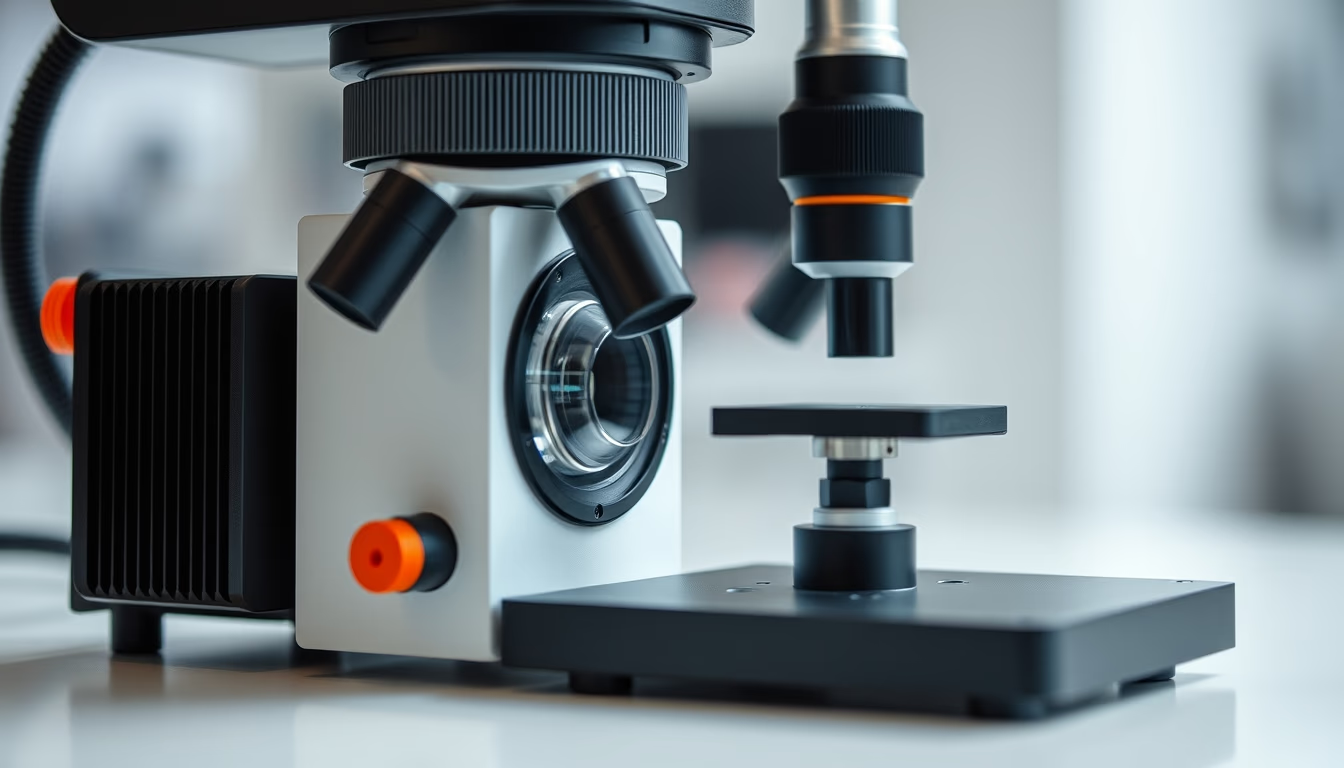
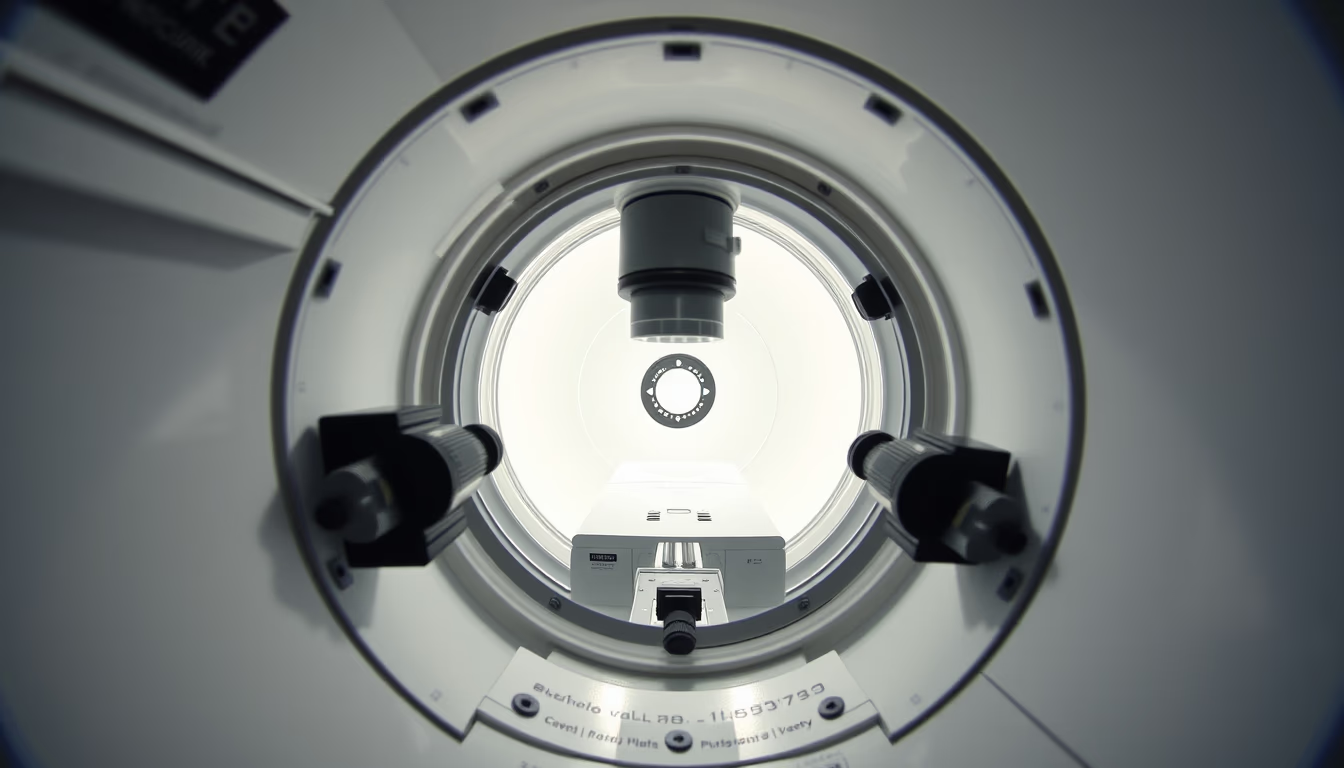
Gene sequencers are laboratory instruments that determine the order of nucleotides in DNA, revolutionizing modern genomics.
About this subject
Gene sequencers, also known as DNA sequencers, are sophisticated machines capable of reading the exact sequence of nitrogenous bases (adenine, thymine, cytosine, and guanine) that make up an organism's genetic material. This technology transformed molecular biology, enabling everything from identifying genetic variants associated with diseases to tracking pathogens during outbreaks. The first commercial method, Sanger sequencing, emerged in the 1970s and was used in the Human Genome Project, completed in 2003. Today, high-throughput instruments from companies like Illumina and Thermo Fisher process millions of DNA fragments simultaneously, reducing time and cost to hundreds of dollars per human genome.
Modern sequencers work by fragmenting DNA, ligating adapters, and amplifying via PCR on a solid surface or in droplets. Fluorescently labeled nucleotides are incorporated by DNA polymerase, and the machine detects emitted colors to build a digital sequence. Accuracy is remarkable, with error rates below 0.1% under optimized conditions. Applications extend beyond health: in agriculture, sequencing improves crops and monitors pests; in paleogenomics, it enabled reconstruction of Neanderthal and mammoth genomes.
The evolution of sequencers follows miniaturization and capacity increase. In 2024, Pacific Biosciences released the Revio, generating 15 gigabases per hour, while Oxford Nanopore sells portable devices the size of a phone that read DNA in real time. The cost per human genome dropped from $100 million in 2001 to under $600 in 2023, fueling precision medicine and population genomics. Countries like Brazil invest in sequencing centers for research on biodiversity and tropical diseases such as yellow fever and COVID-19. In labs worldwide, these machines run 24/7, feeding data into repositories like GenBank, which now holds over 2.5 billion sequences.
Notable facts include the first bacterial genome (Haemophilus influenzae) sequenced in 1995, and the genome of Brazilian Marcos, in 2015, was the first complete genome of a black individual fully sequenced in Brazil. The technology also sequences RNA, revealing gene expression patterns. Challenges remain: interpreting non-coding variants and storing massive data, as a single run can generate terabytes. Public and private labs collaborate on AI algorithms to extract clinical meaning, paving the way for personalized therapies and more accurate diagnostics.
Frequently Asked Questions
What is the difference between Sanger sequencing and next-generation sequencing?
Sanger sequencing is a traditional method that reads fragments up to 1000 bases per reaction, ideal for small projects. Next-generation sequencing (NGS) processes millions of fragments simultaneously, enabling rapid and low-cost whole genome sequencing.
How long does it take to sequence a human genome today?
With modern high-throughput instruments, a human genome can be sequenced in about 24 hours, including sample preparation and run. Portable devices like MinION can sequence in real time but with lower coverage.
Can gene sequencing detect hereditary diseases?
Yes, sequencing identifies mutations in genes associated with hereditary diseases such as cystic fibrosis and hereditary cancer. However, not all variants have known clinical significance, requiring careful interpretation by genetics specialists.
Direct URL
https://pub-c7d6a6ea828543ac903a74a341ccb2e1.r2.dev/imagens/gene-sequencer-machine-minimalist-composition-fresh1.avifHow to credit
Include a visible link back to UtilizAí. Copy one of the snippets below:
<a href="https://xn--utiliza-eza.com/en/midia/imagens/gene-sequencer-machine-minimalist-composition-fresh1">Gene sequencer machine</a> by <a href="https://xn--utiliza-eza.com">UtilizAí</a>, licensed under <a href="https://creativecommons.org/licenses/by/4.0/">CC BY 4.0</a>.
[Gene sequencer machine](https://xn--utiliza-eza.com/en/midia/imagens/gene-sequencer-machine-minimalist-composition-fresh1) by [UtilizAí](https://xn--utiliza-eza.com), CC BY 4.0
License: CC-BY-4.0