Gene sequencer machine
1344×768 · AVIF · CC BY 4.0
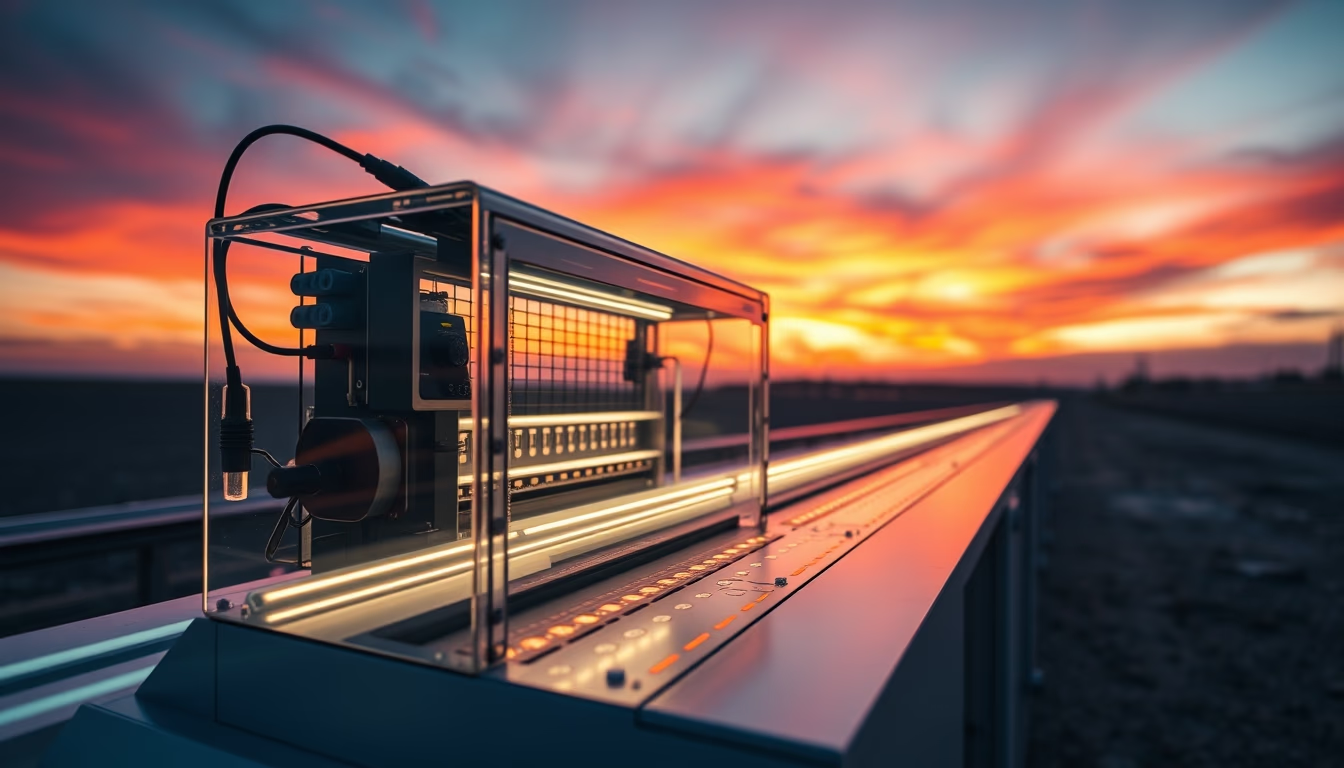
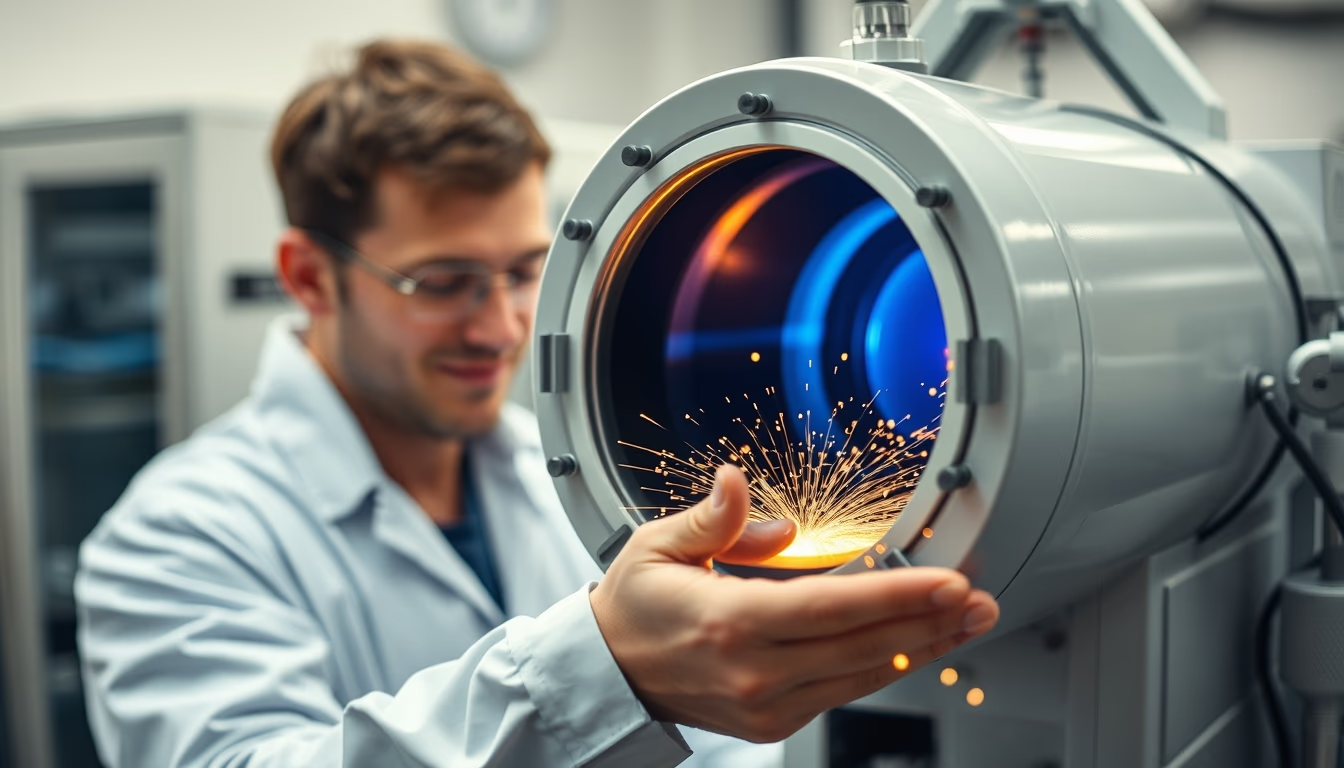
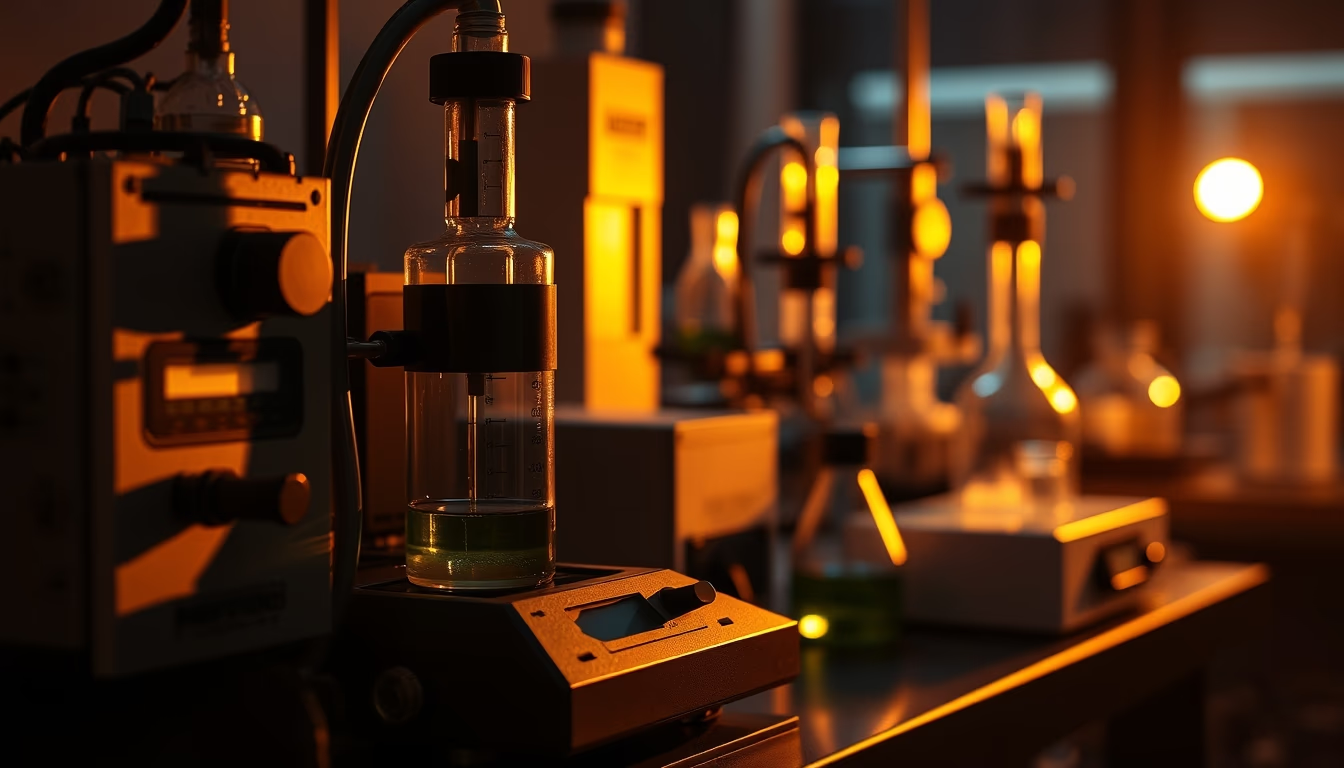
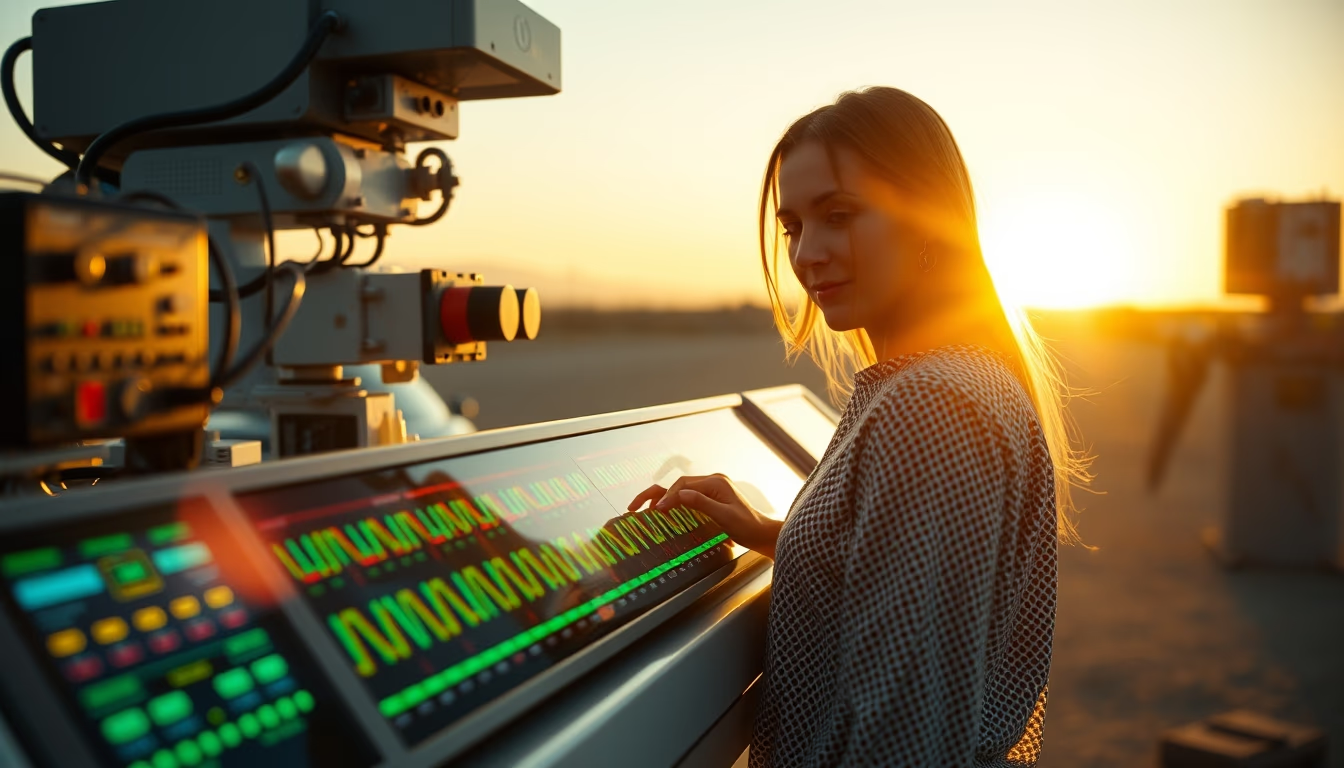
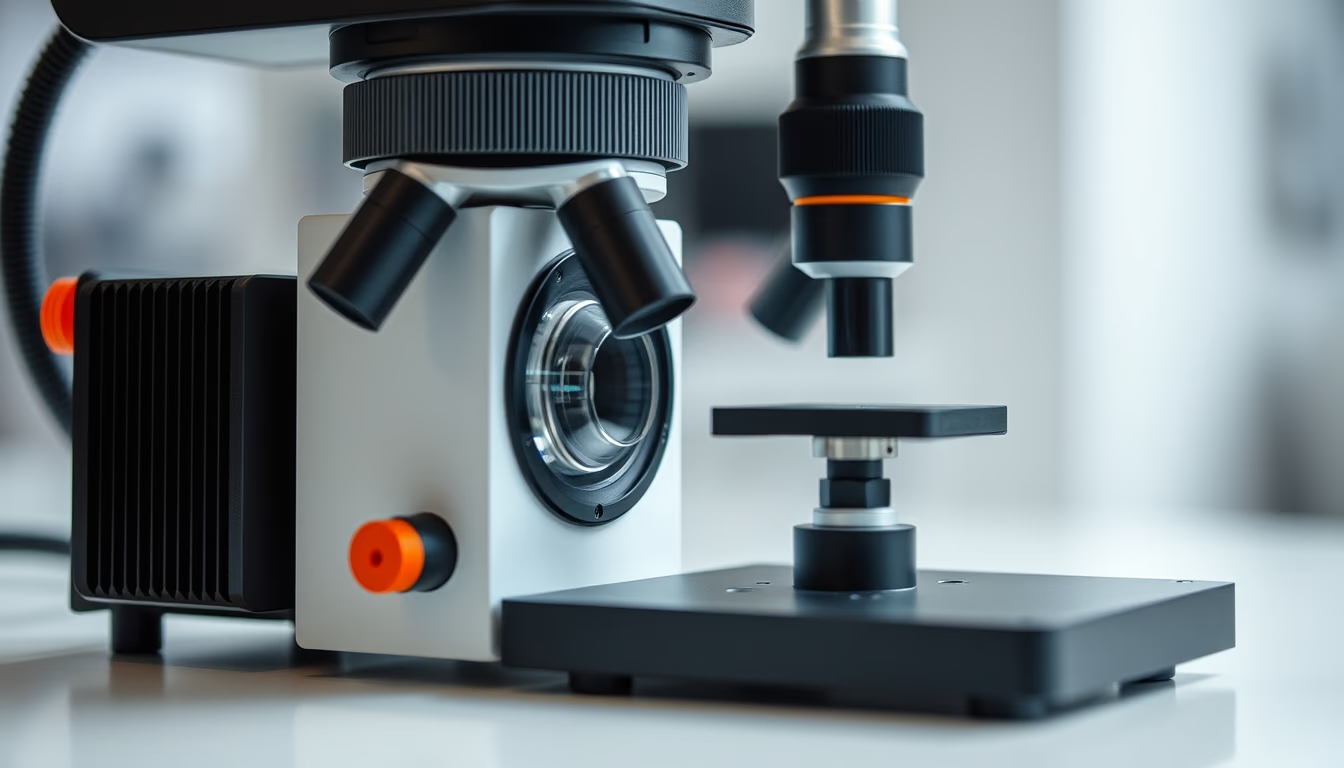
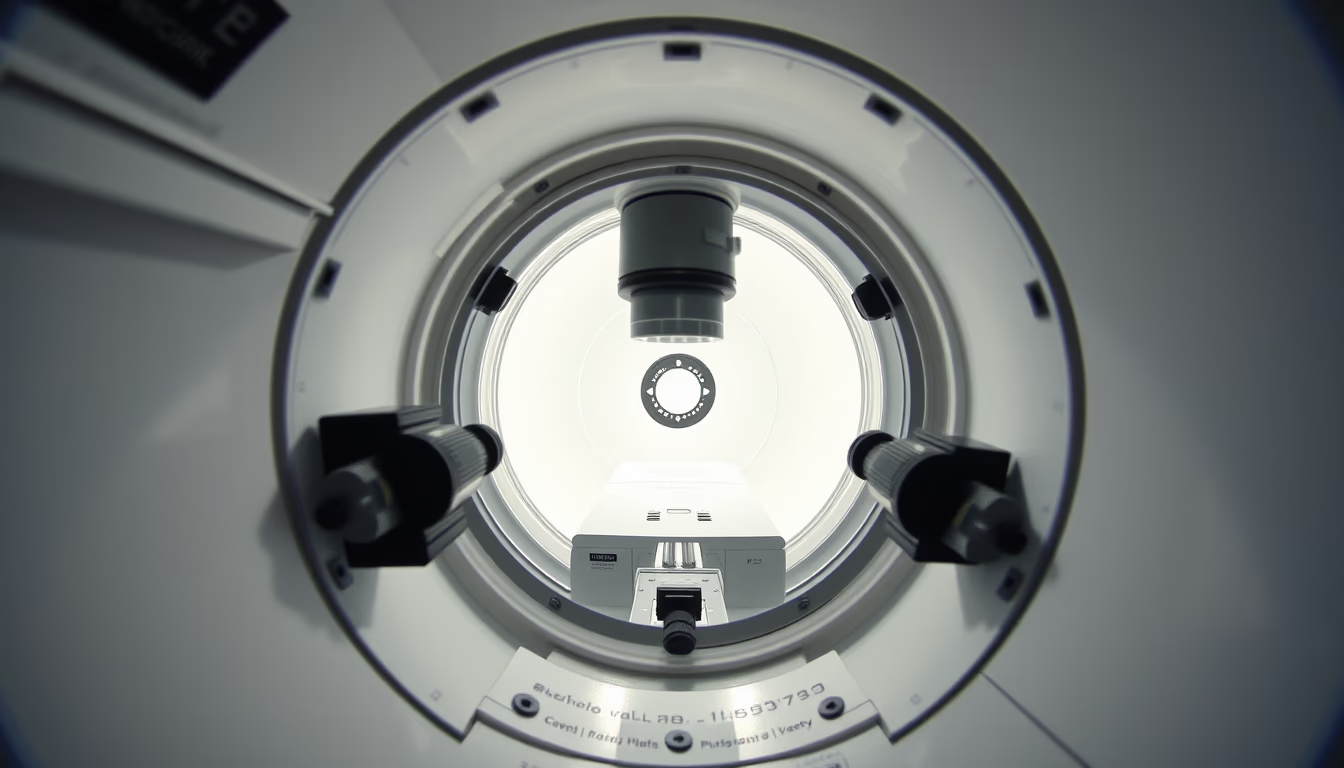
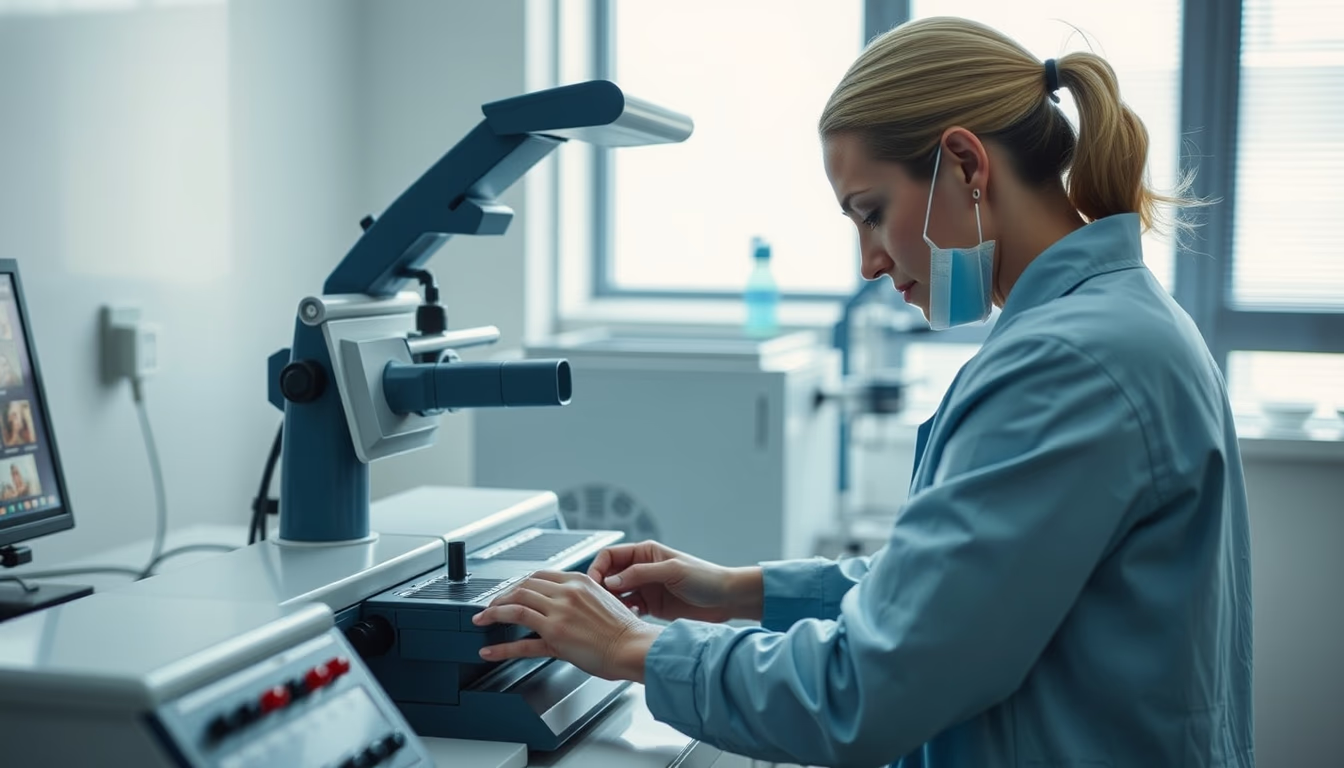
Gene sequencing machine that revolutionizes DNA analysis, enabling rapid and accurate decoding of entire genomes.
About this subject
A gene sequencer is a laboratory instrument that determines the exact order of nucleotides (A, T, C, G) in a DNA molecule. This technology has rapidly evolved since the Human Genome Project, now allowing a complete human genome to be sequenced in less than a day at costs reduced to hundreds of dollars. Modern machines, such as those from Illumina (sequencing by synthesis) and PacBio (single-molecule real-time sequencing), employ high-throughput methods generating millions of simultaneous reads.
The basic principle involves DNA fragmentation, adapter ligation, bridge amplification, and detection of fluorescence with each incorporated nucleotide. Raw data is processed by bioinformatics software to assemble the genome or identify variants. In medicine, sequencing is crucial for diagnosing genetic diseases, precision oncology, and pharmacogenomics. In research, it enables evolutionary studies, microbiome analysis, and synthetic biology. The technology is also applied in forensics, agriculture, and epidemiological surveillance, such as sequencing viral variants.
Before next-generation sequencing (NGS), the Sanger method was the standard but limited to short fragments. NGS increased scale by orders of magnitude, enabling projects like the 1000 Genomes Project and the Earth BioGenome Project. Current challenges include storage and analysis of massive data volumes and interpretation of variants of uncertain clinical significance. The trend is miniaturization and portability, such as the Oxford Nanopore MinION, which fits in a palm and performs real-time reads.
Frequently Asked Questions
How does DNA sequencing work in a modern machine?
DNA is fragmented, adapters are ligated, and fragments are bridge-amplified on a flow cell surface. Fluorescently labeled nucleotides are incorporated one by one, and a camera records the emitted color each cycle, reconstructing the sequence.
What is the difference between first-generation (Sanger) and second-generation (NGS) sequencing?
Sanger sequencing processes one fragment at a time using dideoxy terminators, making it slow and expensive for large genomes. NGS performs millions of parallel reactions, drastically reducing time and cost, enabling rapid whole-genome sequencing.
What are the main medical applications of genetic sequencing?
Diagnosis of hereditary diseases, identification of cancer mutations for targeted therapy, pharmacogenomics to personalize medications, and newborn screening. It is also used in prenatal testing and infectious disease diagnostics.
Direct URL
https://pub-c7d6a6ea828543ac903a74a341ccb2e1.r2.dev/imagens/gene-sequencer-machine-long-exposure-fresh11.avifHow to credit
Include a visible link back to UtilizAí. Copy one of the snippets below:
<a href="https://xn--utiliza-eza.com/en/midia/imagens/gene-sequencer-machine-long-exposure-fresh11">Gene sequencer machine</a> by <a href="https://xn--utiliza-eza.com">UtilizAí</a>, licensed under <a href="https://creativecommons.org/licenses/by/4.0/">CC BY 4.0</a>.
[Gene sequencer machine](https://xn--utiliza-eza.com/en/midia/imagens/gene-sequencer-machine-long-exposure-fresh11) by [UtilizAí](https://xn--utiliza-eza.com), CC BY 4.0
License: CC-BY-4.0