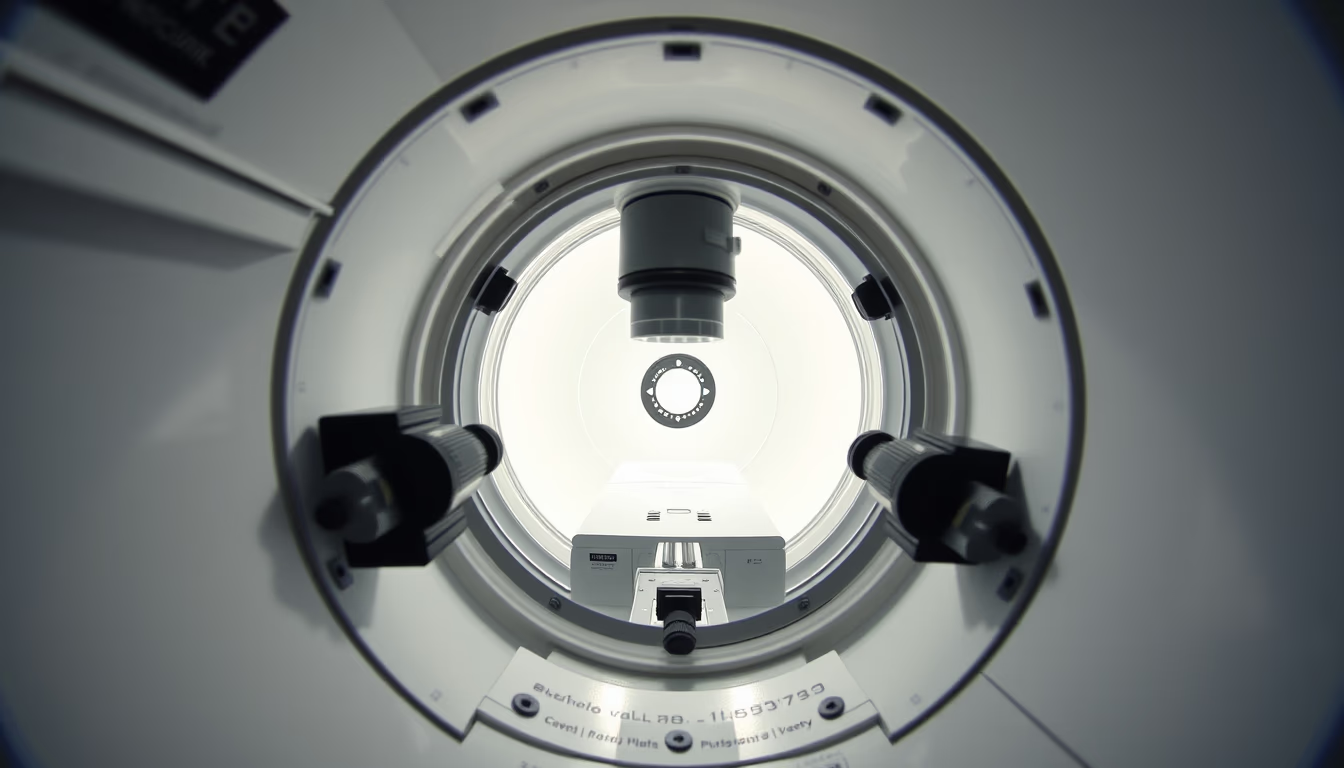
Gene sequencer machine
1344×768 · AVIF · CC BY 4.0
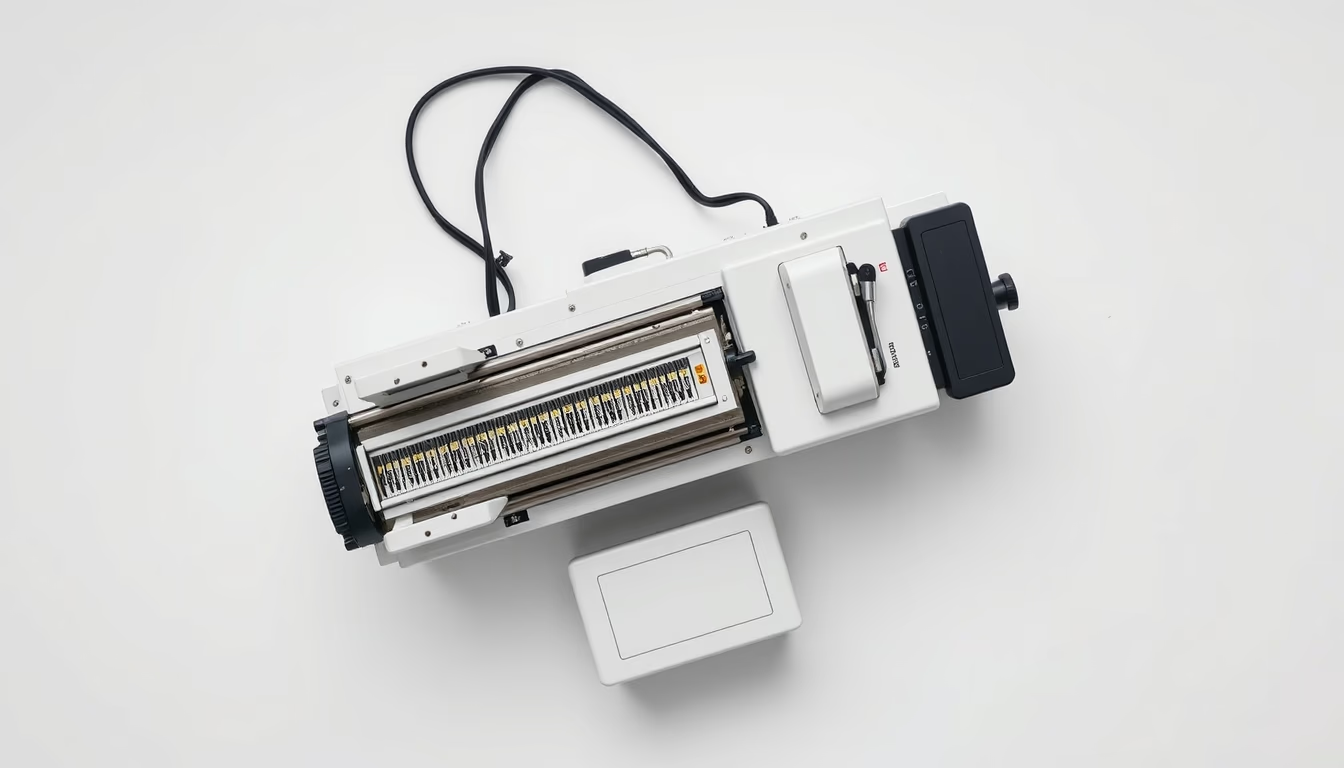
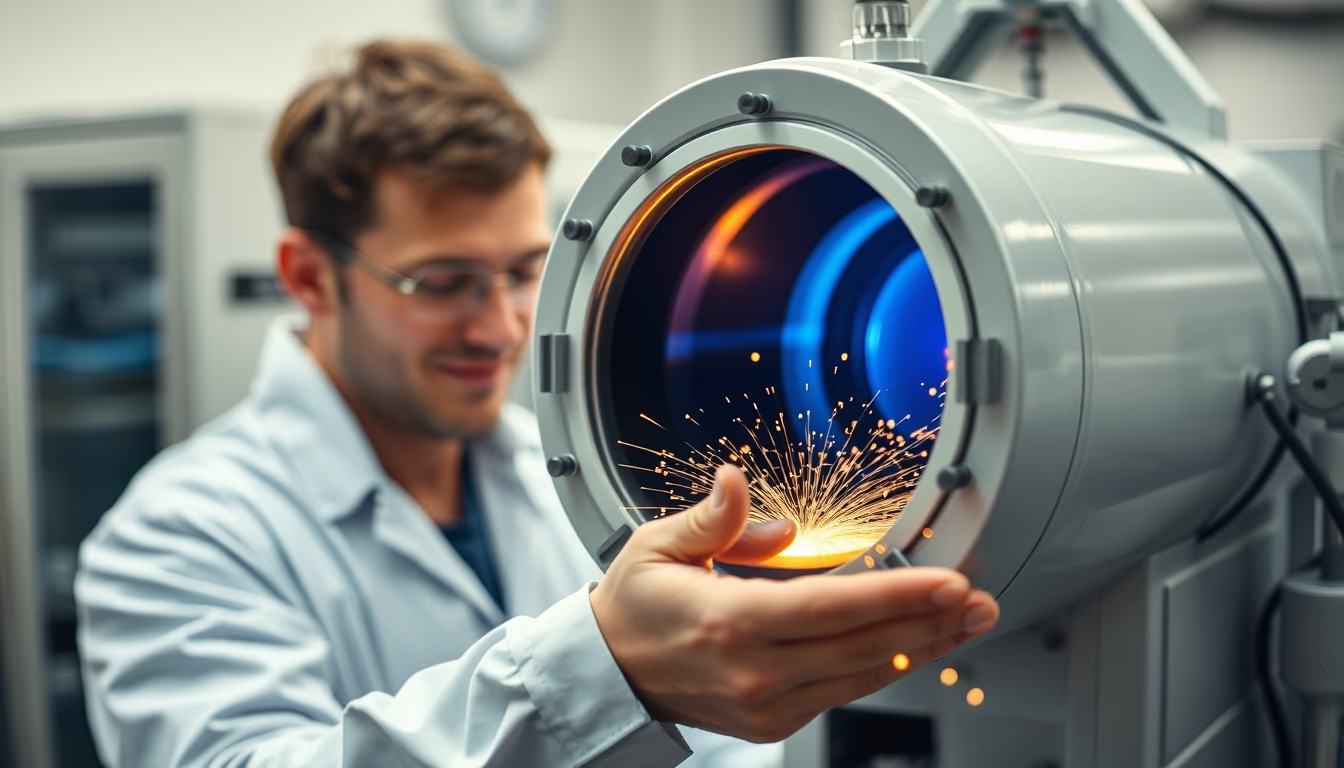
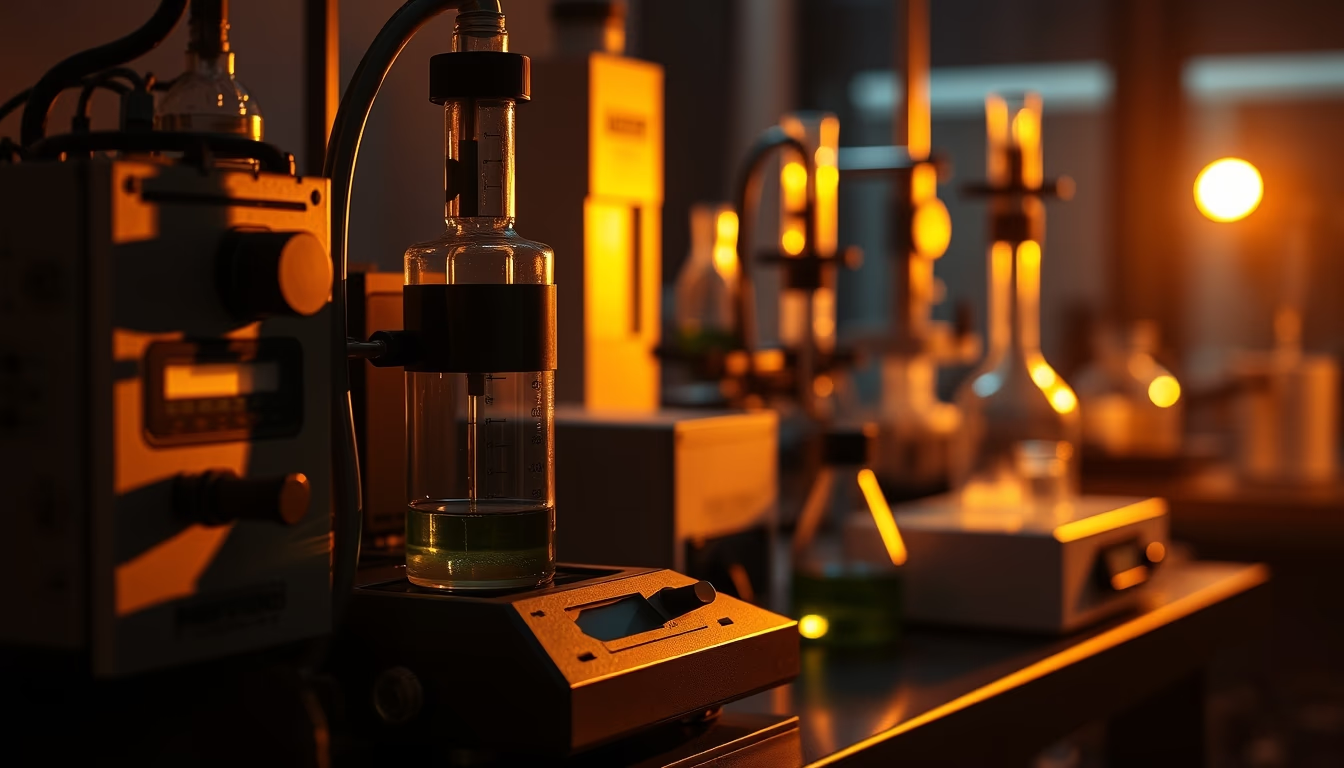
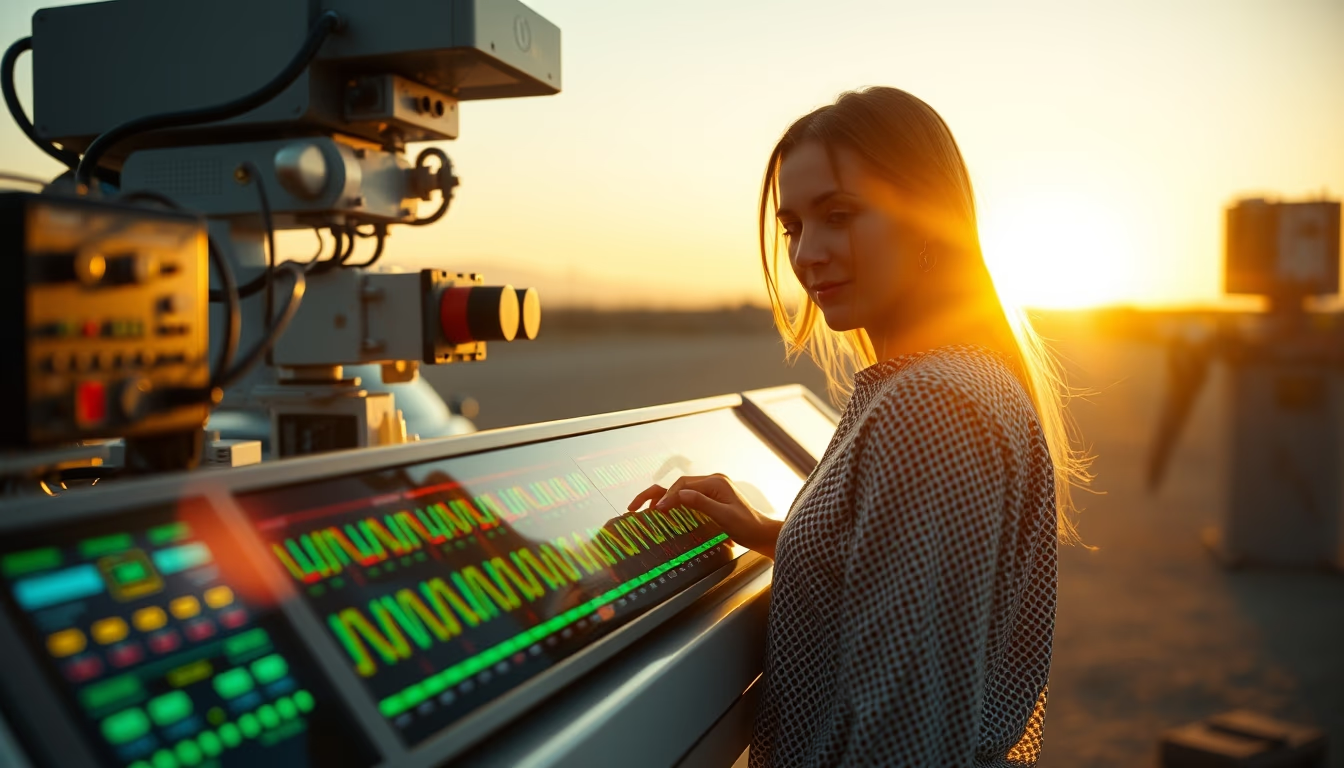
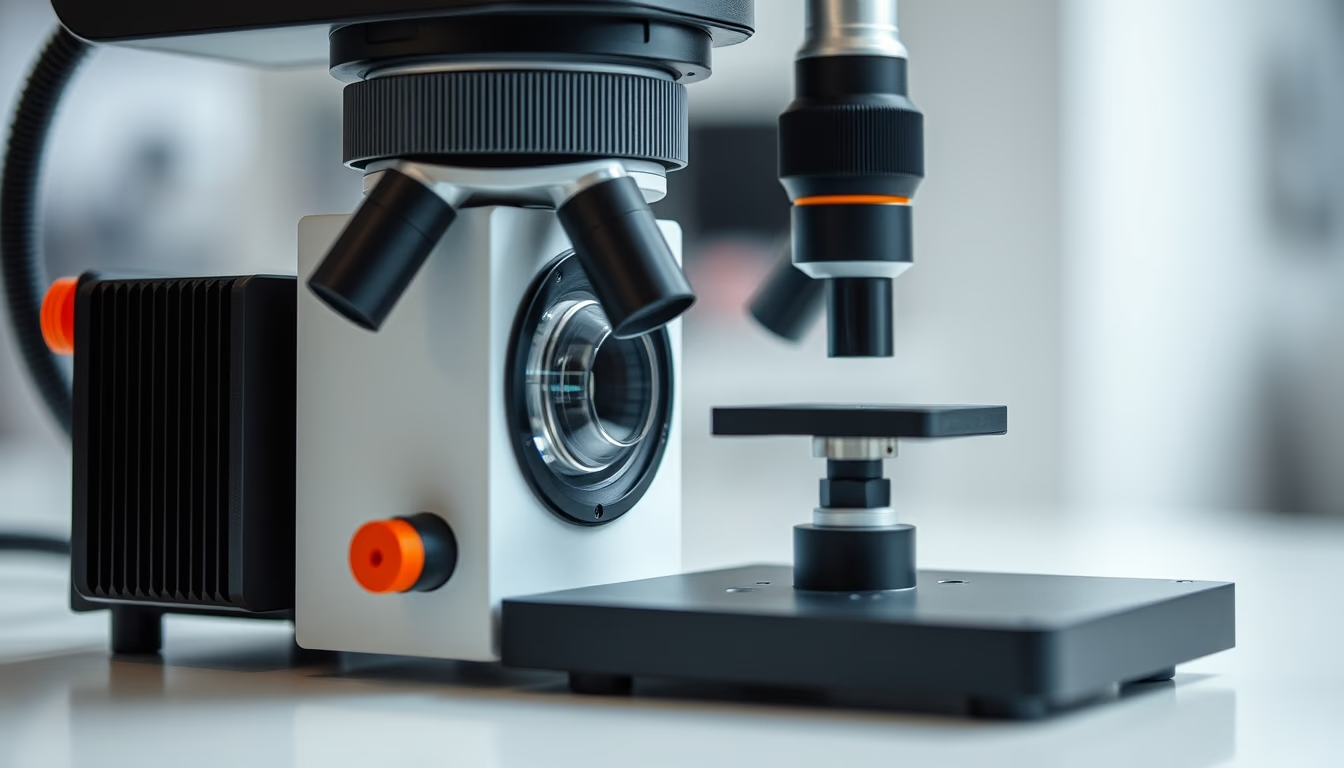
Gene sequencing machine revolutionizes molecular biology, enabling fast and accurate reading of DNA from organisms.
About this subject
A gene sequencer is a laboratory instrument that determines the exact order of nucleotides (adenine, thymine, cytosine, and guanine) in a DNA molecule. This technology, starting with the Sanger method in the 1970s, has evolved into high-throughput platforms such as those from Illumina and Oxford Nanopore, capable of sequencing complete genomes in hours. The basic principle involves DNA fragmentation, amplification, and parallel reading of millions of fragments, with detection via fluorescence or ionic current variations.
The importance of sequencers extends beyond academic research. In medicine, they enable identification of mutations causing cancer, rare diseases, and pharmacogenomics, which personalizes treatments based on the patient's genetic profile. During the COVID-19 pandemic, rapid sequencing of SARS-CoV-2 was crucial for monitoring variants and guiding vaccines. In agriculture, it assists in genetic improvement of crops and detection of pathogens in livestock.
In Brazil, institutions like Fiocruz and the Butantan Institute use sequencers for genomic surveillance and vaccine development. Sequencing costs have plummeted: the first human genome cost US$ 3 billion; today, a complete genome can be sequenced for less than US$ 1,000. This democratization drives population genomics and preventive medicine.
Interestingly, modern sequencers generate terabytes of data per run, requiring powerful bioinformatics tools for analysis. Accuracy has exceeded 99.9%, but challenges such as assembling repetitive genome regions still demand new approaches.
Frequently Asked Questions
How does a gene sequencer work?
The sequencer fragments DNA, amplifies the fragments, and reads the nitrogenous bases via fluorescence or electrical changes. Modern methods like sequencing by synthesis (Illumina) use dye-labeled nucleotides, while nanopores detect current variations as bases pass through.
What is the difference between Sanger sequencing and next-generation sequencing (NGS)?
Sanger is a low-throughput method suitable for short sequences (up to ~1,000 bases). NGS processes millions of fragments simultaneously, enabling complete genomes in hours at a much lower cost per base.
What is gene sequencing used for in medicine?
In medicine, sequencing identifies genetic mutations linked to cancer, hereditary diseases, and drug responses. It is also used in prenatal diagnosis, infection monitoring, and development of personalized therapies.
Direct URL
https://pub-c7d6a6ea828543ac903a74a341ccb2e1.r2.dev/imagens/gene-sequencer-machine-isometric-flat-lay-fresh12.avifHow to credit
Include a visible link back to UtilizAí. Copy one of the snippets below:
<a href="https://xn--utiliza-eza.com/en/midia/imagens/gene-sequencer-machine-isometric-flat-lay-fresh12">Gene sequencer machine</a> by <a href="https://xn--utiliza-eza.com">UtilizAí</a>, licensed under <a href="https://creativecommons.org/licenses/by/4.0/">CC BY 4.0</a>.
[Gene sequencer machine](https://xn--utiliza-eza.com/en/midia/imagens/gene-sequencer-machine-isometric-flat-lay-fresh12) by [UtilizAí](https://xn--utiliza-eza.com), CC BY 4.0
License: CC-BY-4.0