Gene sequencer machine
1344×768 · AVIF · CC BY 4.0
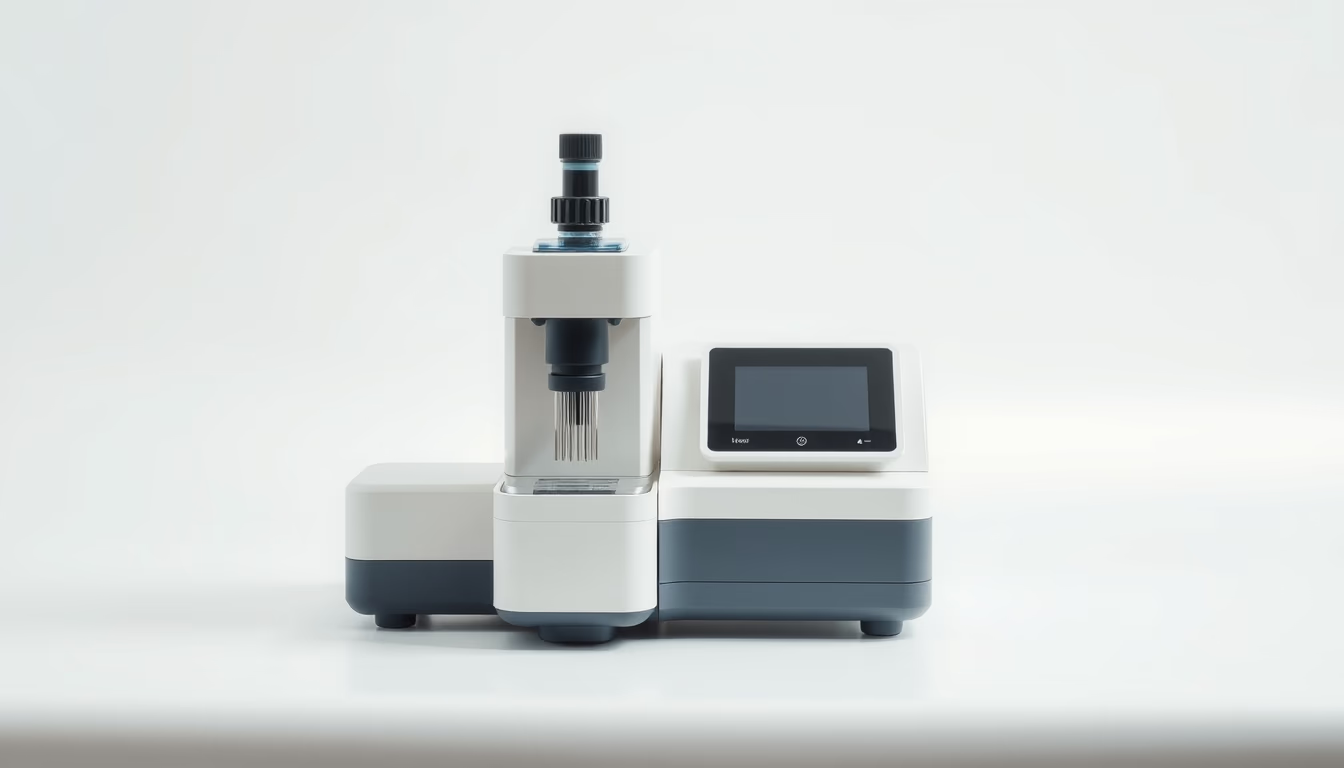
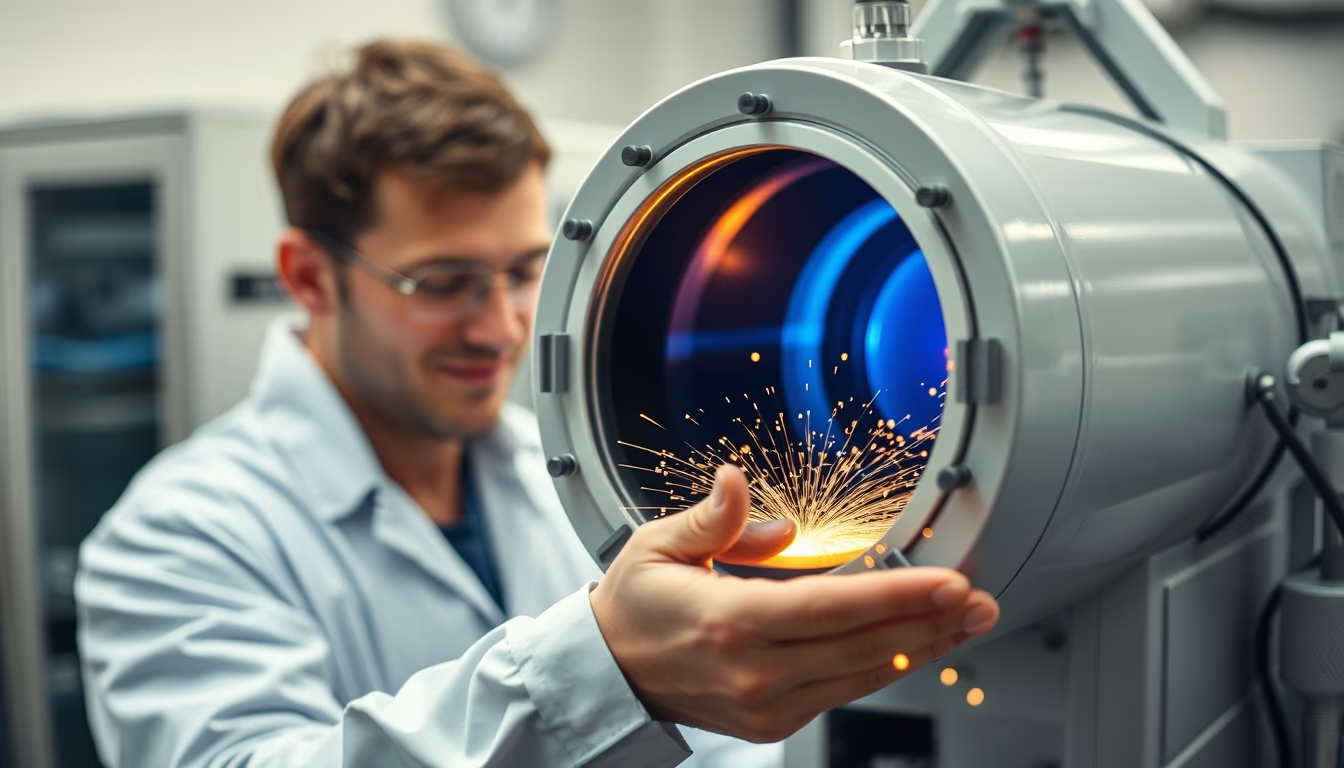
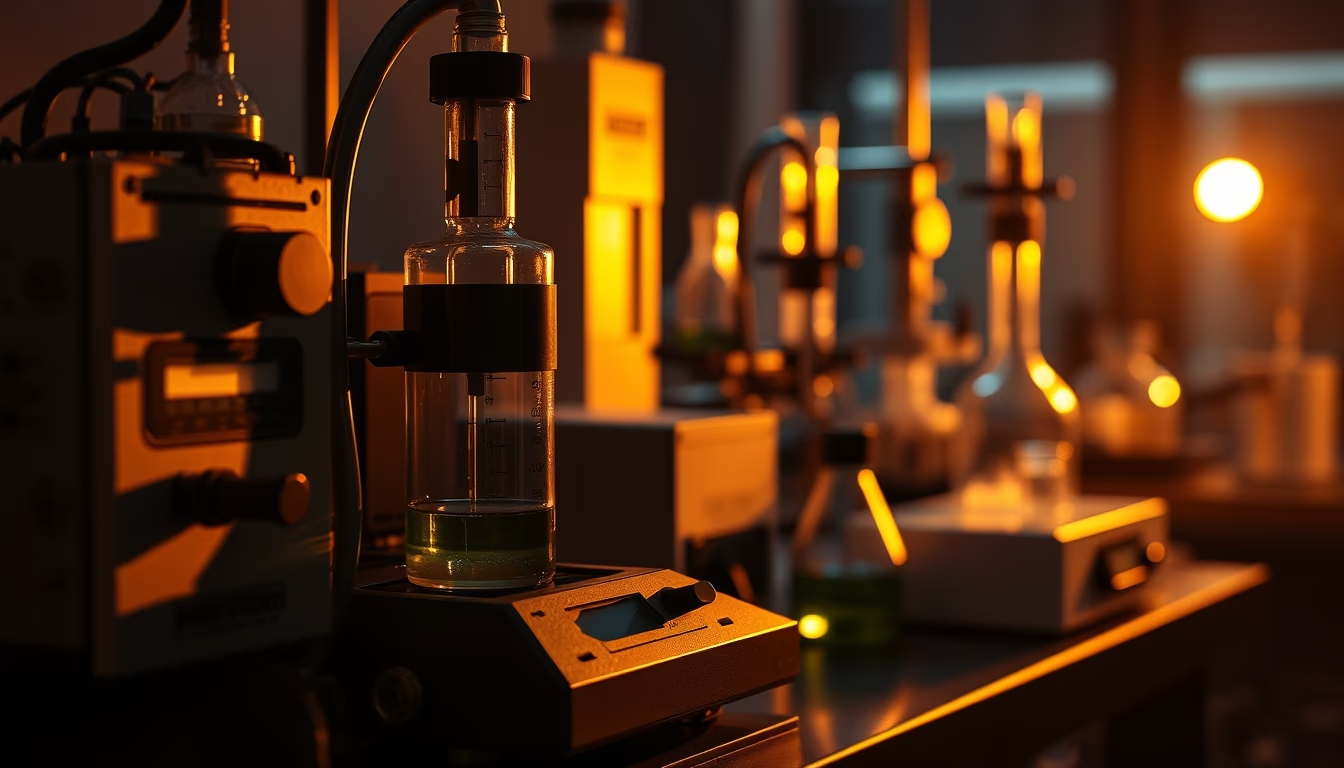
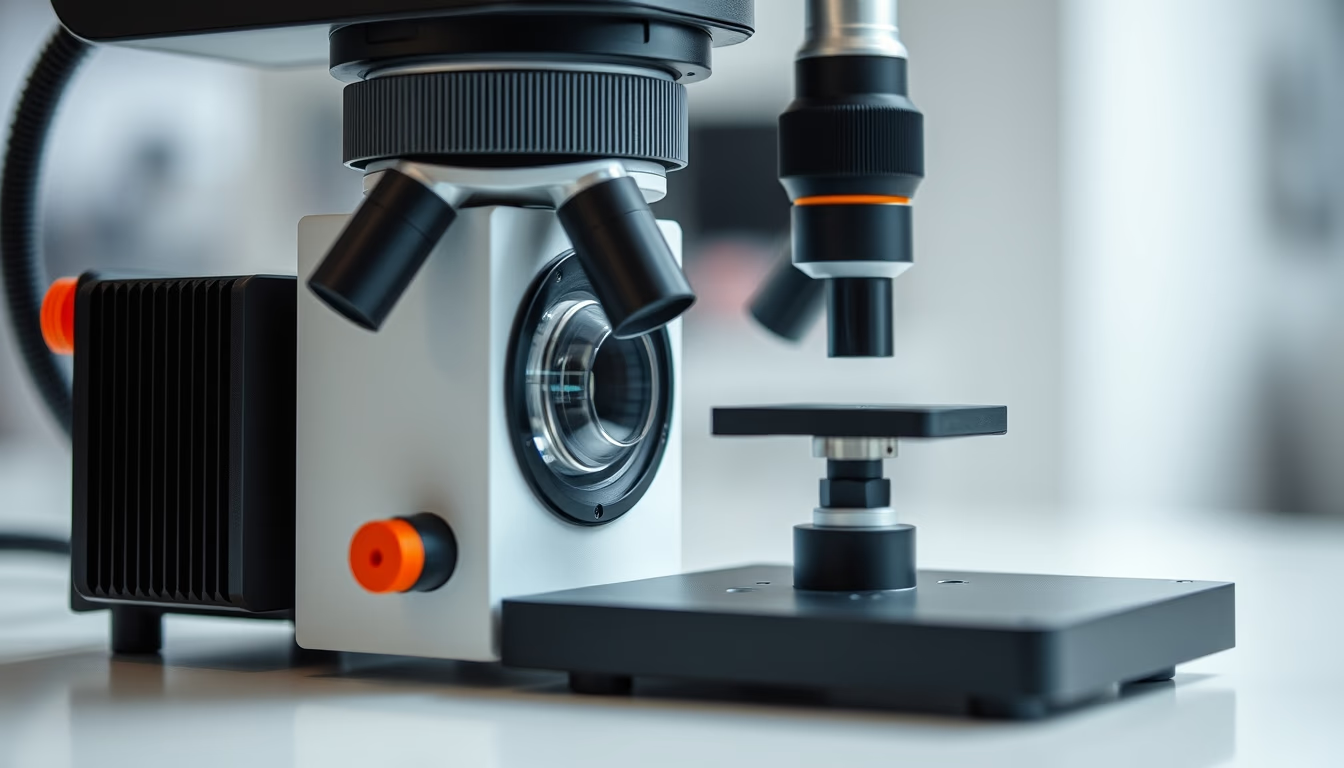
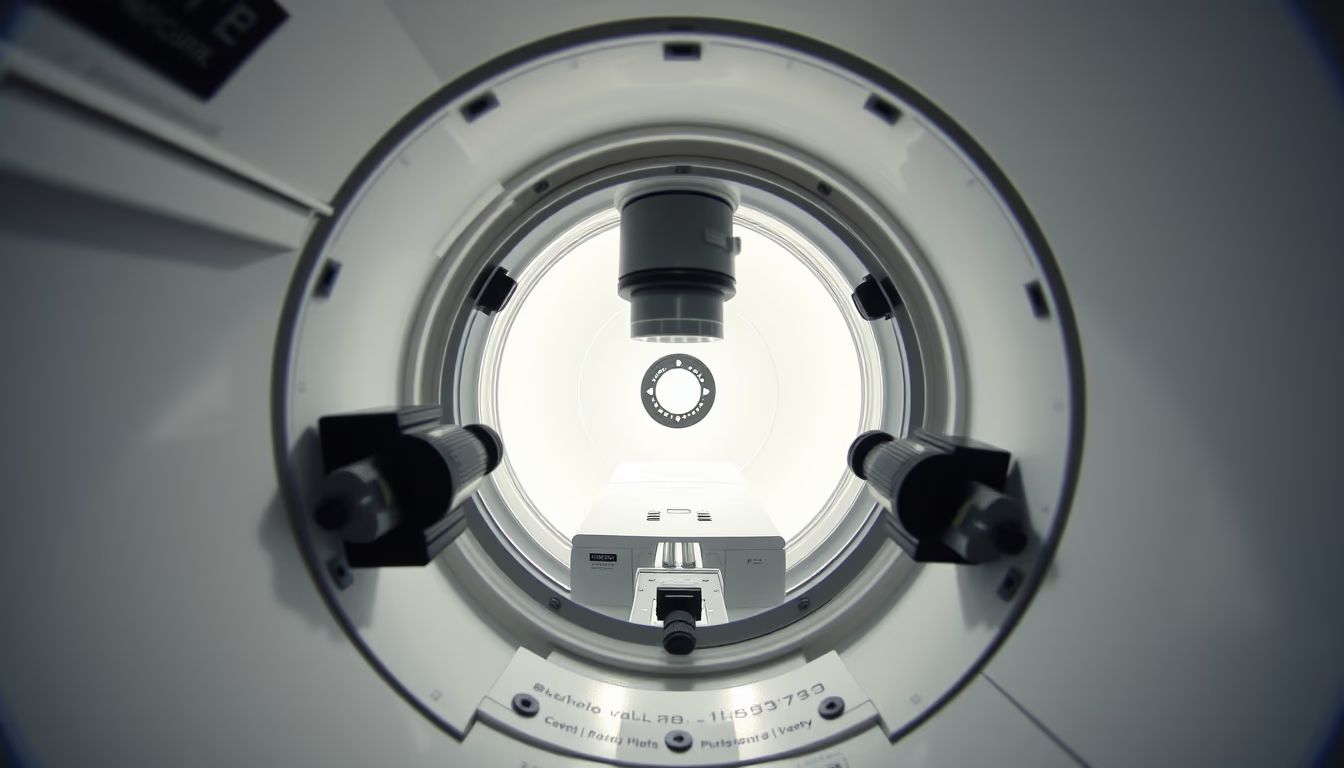
Gene sequencer machine, equipment that reads DNA for research, diagnostics, and personalized medicine.
About this subject
A gene sequencer is a laboratory instrument that determines the precise order of nucleotide bases (adenine, cytosine, guanine, thymine) in a DNA molecule. This process, called DNA sequencing, revolutionized molecular biology and medicine. Since the Human Genome Project was completed in 2003, machines have evolved dramatically in speed and cost: sequencing an entire human genome today can cost less than a thousand dollars and take just hours, something unthinkable decades ago.
The most widespread technologies include sequencing by synthesis (Illumina), which uses fluorescent nucleotides and optical detection, and nanopore sequencing (Oxford Nanopore), which measures changes in electrical current as DNA passes through a protein pore. There are also third-generation methods, such as PacBio, which reads long DNA molecules in real time. Each technology has specific advantages: Illumina offers high accuracy and low cost per base, while Nanopore enables long reads and portability.
In clinical practice, sequencers are used to diagnose rare genetic diseases, guide targeted cancer therapies, identify pathogens during infectious outbreaks, and monitor tumor mutations over the course of treatment. In research, they enable studies on evolution, microbiomes, agriculture, and synthetic biology. The impact is so great that genetic sequencing is now an essential tool in reference hospitals and research centers in Brazil and worldwide.
Miniaturization and automation continue to advance. Equipment such as the MinION fits in the palm of the hand and can be used in the field, even in remote regions of the Amazon or Africa. The trend is that sequencing will become faster, cheaper, and more accessible, broadening access to genomic medicine for populations previously excluded.
Frequently Asked Questions
What is a gene sequencer machine?
It is a laboratory instrument that reads the DNA base sequence, allowing identification of genes, mutations, and genetic variations. It is used in research, medical diagnostics, and biotechnology.
How does a gene sequencer work?
It depends on the technology. In sequencing by synthesis (Illumina), fluorescently labeled nucleotides are incorporated and detected by cameras. In nanopore sequencing (Oxford Nanopore), DNA passing through a pore alters electrical current, and this variation is interpreted as the sequence.
What are the main applications of genetic sequencing?
Diagnosis of hereditary diseases, identification of cancer mutations, pathogen monitoring (e.g., COVID-19), biodiversity studies, agriculture, and personalized medicine. It is also used in ancestry tests.
Direct URL
https://pub-c7d6a6ea828543ac903a74a341ccb2e1.r2.dev/imagens/gene-sequencer-machine-commercial-product-photography-fresh4.avifHow to credit
Include a visible link back to UtilizAí. Copy one of the snippets below:
<a href="https://xn--utiliza-eza.com/en/midia/imagens/gene-sequencer-machine-commercial-product-photography-fresh4">Gene sequencer machine</a> by <a href="https://xn--utiliza-eza.com">UtilizAí</a>, licensed under <a href="https://creativecommons.org/licenses/by/4.0/">CC BY 4.0</a>.
[Gene sequencer machine](https://xn--utiliza-eza.com/en/midia/imagens/gene-sequencer-machine-commercial-product-photography-fresh4) by [UtilizAí](https://xn--utiliza-eza.com), CC BY 4.0
License: CC-BY-4.0