Gecko climbing glass
1344×768 · AVIF · CC BY 4.0
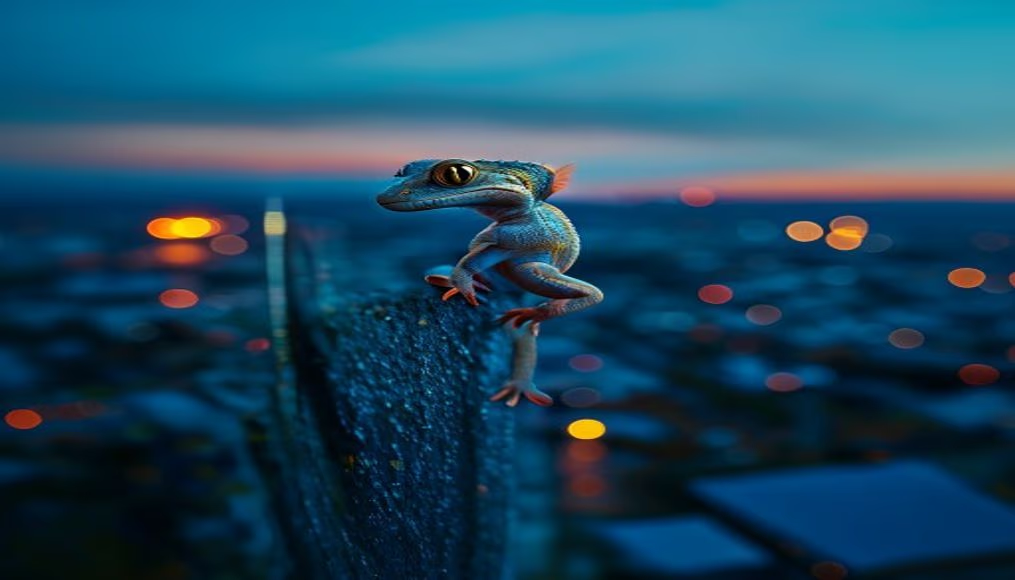
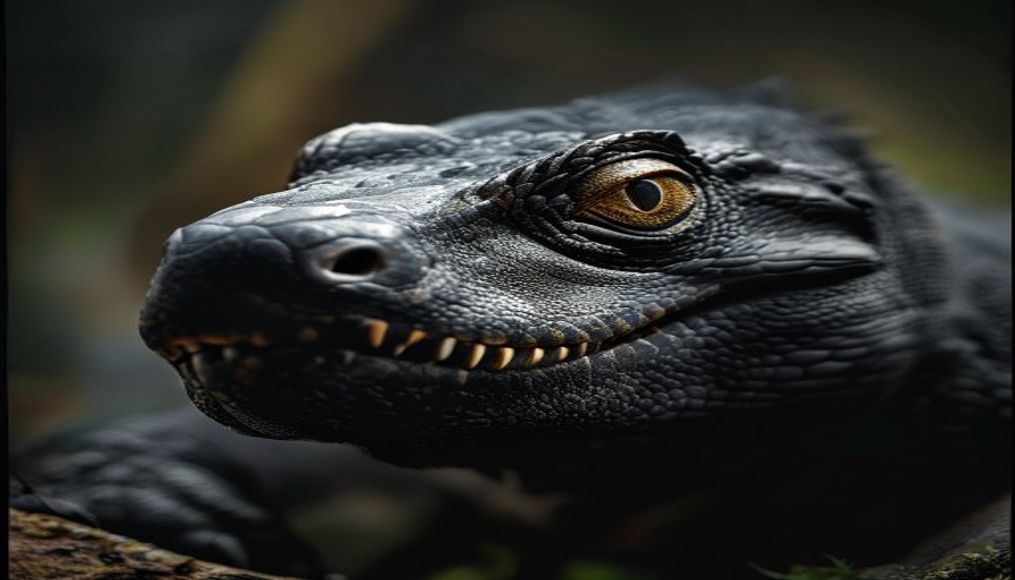
Geckos are lizards known for their remarkable ability to climb smooth surfaces like glass, thanks to millions of tiny hairs on their feet that create van der Waals force.
About this subject
Geckos belong to the infraorder Gekkota and are found on every continent except Antarctica. There are over 1,500 described species, with diverse sizes, colors, and habits. Their most notable feature is the reversible adhesion of their feet, allowing them to climb vertical surfaces and even upside down on polished glass. This phenomenon results from structures called lamellae, which contain thousands of microscopic hairs (setae). Each seta branches into hundreds of even smaller tips (spatulae), increasing contact area and generating intermolecular van der Waals forces. This evolutionary adaptation is so efficient that it has inspired research in robotics and adhesive materials, such as gecko-inspired tapes.
While many associate geckos with tropical regions, some species inhabit deserts or mountains. The common house gecko (Hemidactylus frenatus), for example, is widespread in Brazilian urban areas, controlling insect populations. Unlike other lizards, geckos produce varied vocalizations, from clicks to mating calls. Another curiosity is caudal autotomy: many geckos can drop their tail when threatened, which regenerates later, though with different color and texture.
The ability to climb glass is not innate to all geckos. Species living in rougher environments may have weaker adhesion. Studies show that adhesion efficiency depends on humidity and temperature. Additionally, geckos regularly clean their feet with their tongue to remove particles that could reduce grip. This trait has sparked scientific interest in developing reusable adhesives and climbing systems for robots.
Frequently Asked Questions
How do geckos manage to climb smooth surfaces like glass?
Geckos use millions of microscopic hairs called setae on their feet, which branch into spatulae. These structures generate van der Waals forces, enabling adhesion even on polished glass.
Can all geckos climb glass?
No. Adhesion ability varies among species. Geckos living in rough environments may have reduced adhesion, while species adapted to smooth surfaces have more specialized setae.
What inspires research into gecko-inspired adhesives?
The reversible and self-cleaning adhesion of gecko feet inspires the development of reusable adhesive tapes, climbing robots, and fastening materials that work in both dry and wet conditions.
Direct URL
https://pub-c7d6a6ea828543ac903a74a341ccb2e1.r2.dev/imagens/gecko-climbing-glass-aerial-drone-shot-p2.avifHow to credit
Include a visible link back to UtilizAí. Copy one of the snippets below:
<a href="https://xn--utiliza-eza.com/en/midia/imagens/gecko-climbing-glass-aerial-drone-shot-p2">Gecko climbing glass</a> by <a href="https://xn--utiliza-eza.com">UtilizAí</a>, licensed under <a href="https://creativecommons.org/licenses/by/4.0/">CC BY 4.0</a>.
[Gecko climbing glass](https://xn--utiliza-eza.com/en/midia/imagens/gecko-climbing-glass-aerial-drone-shot-p2) by [UtilizAí](https://xn--utiliza-eza.com), CC BY 4.0
License: CC-BY-4.0