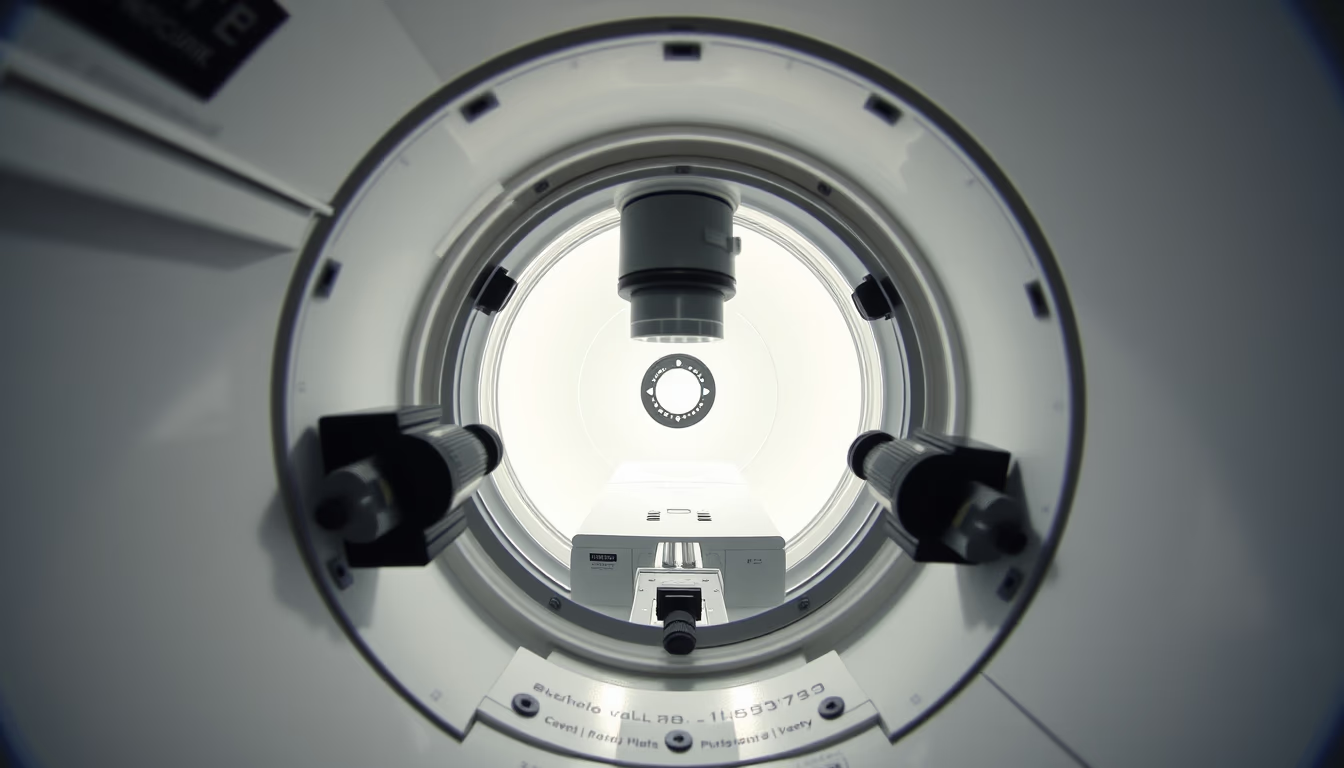
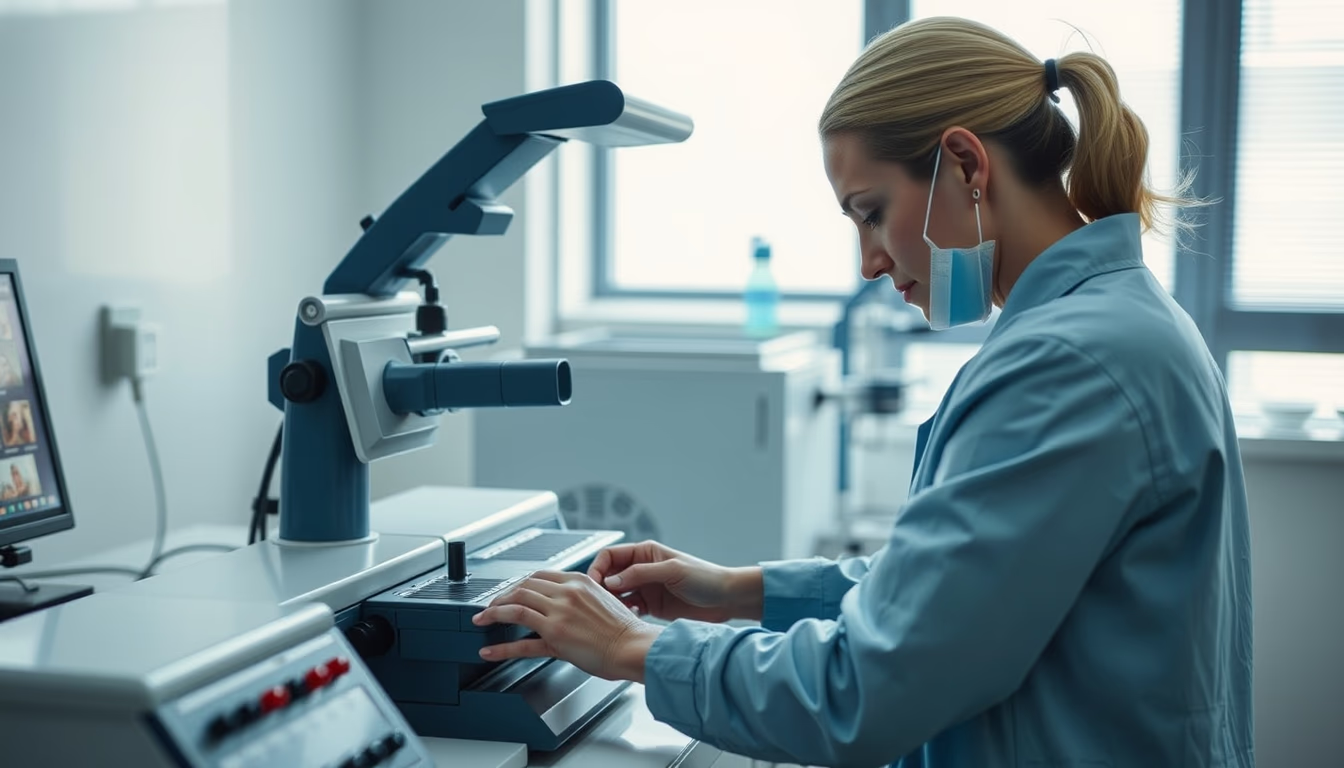
Gas chromatograph
1344×768 · AVIF · CC BY 4.0
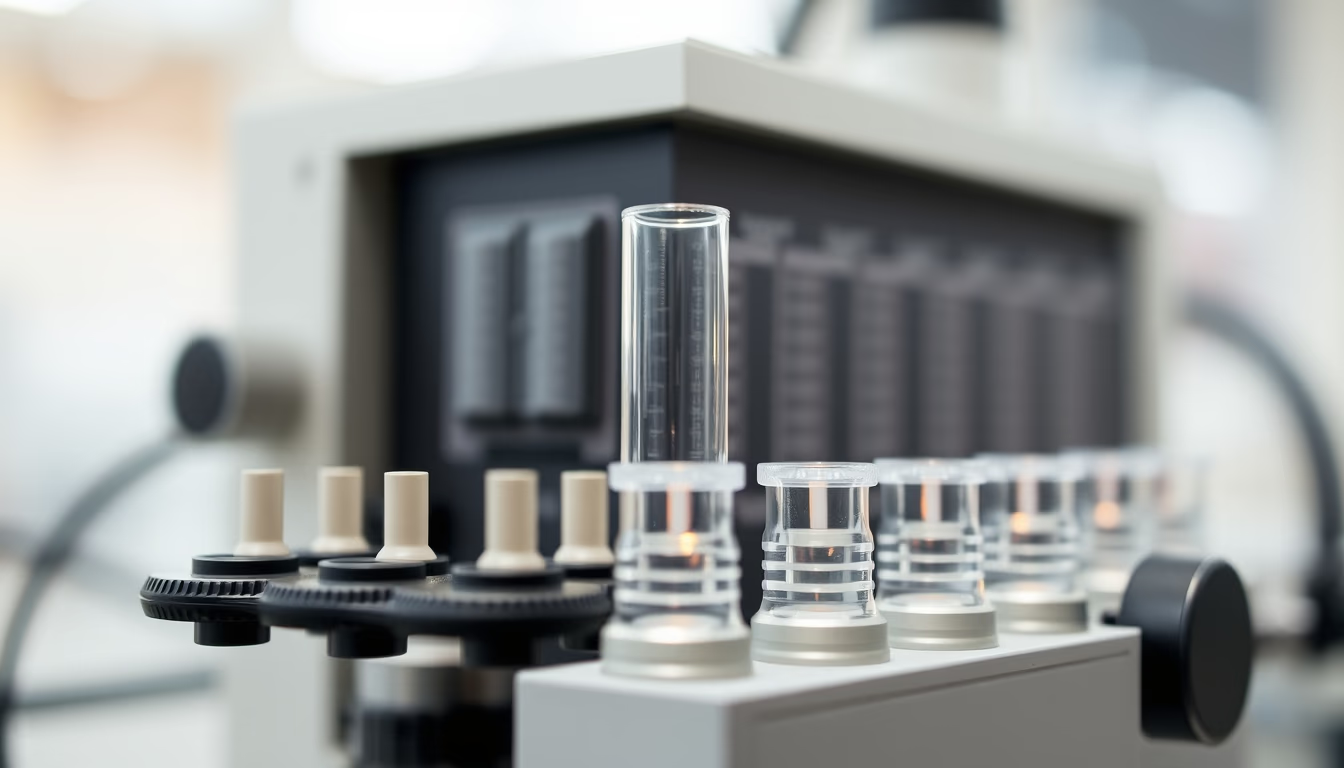
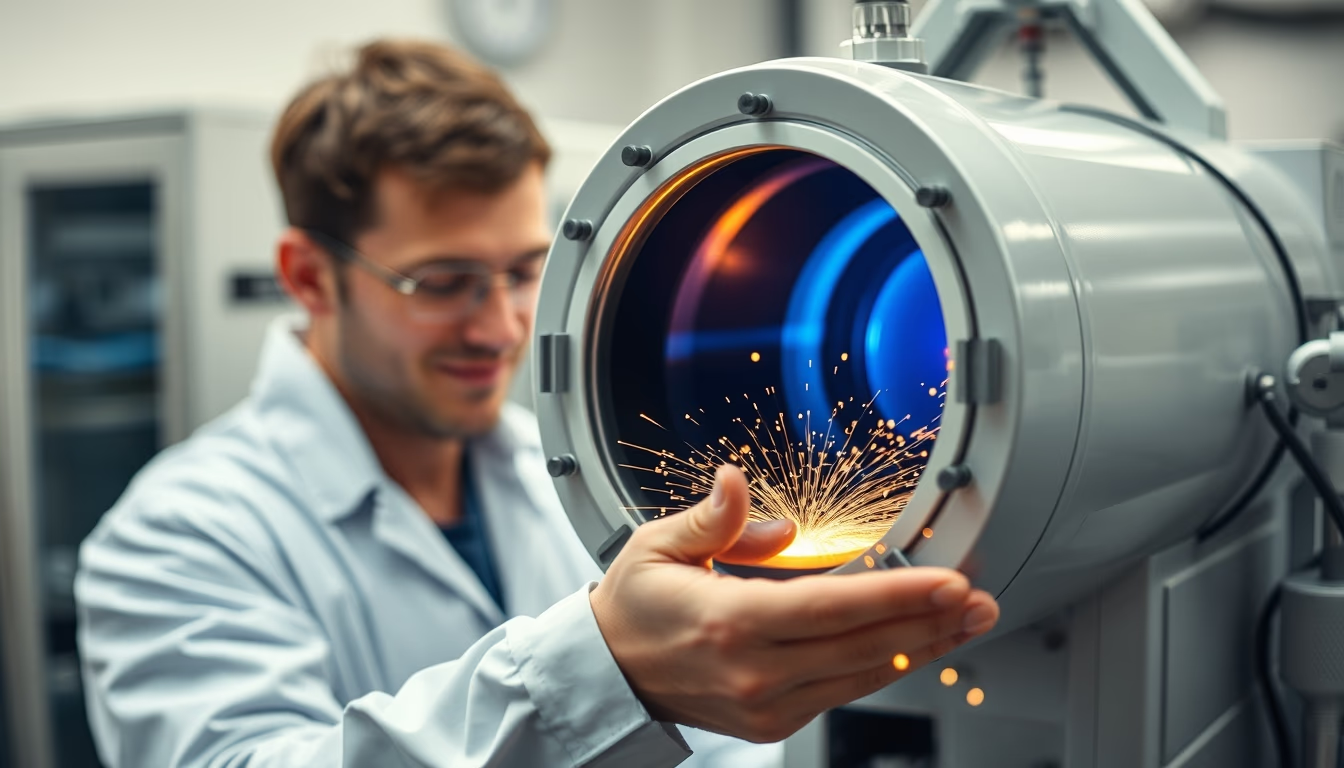
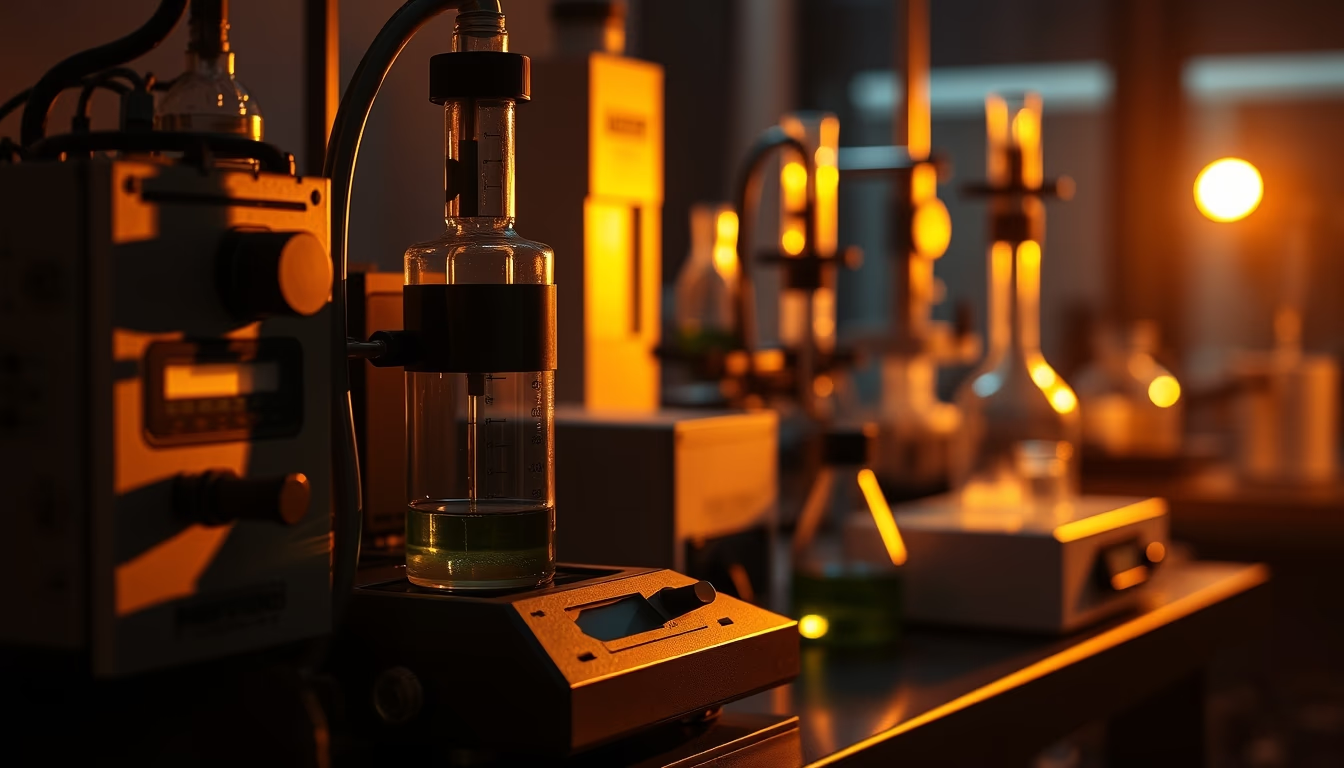
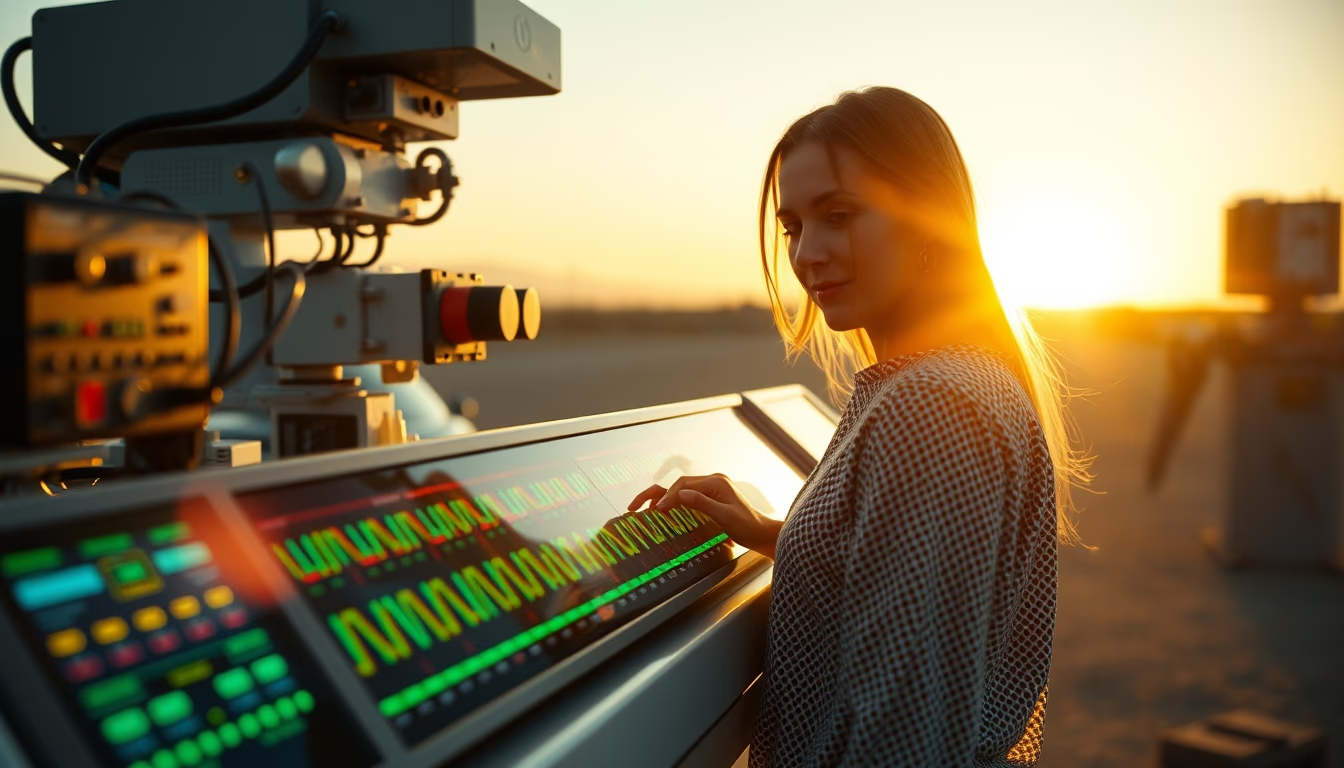
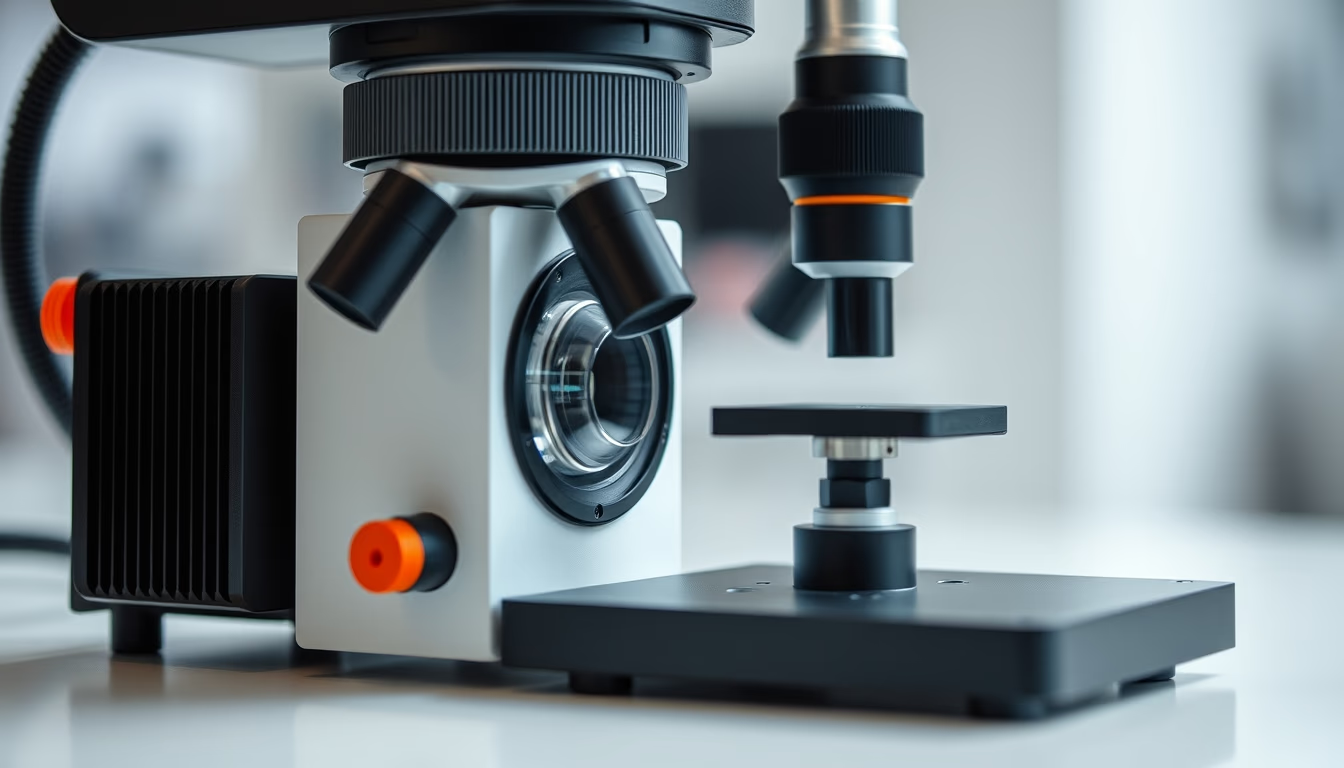
Gas chromatograph separates volatile compounds with high precision, essential in analytical chemistry and quality control.
About this subject
The gas chromatograph is an analytical instrument used to separate and identify volatile compounds in a mixture. Its principle relies on the differential distribution of components between a mobile gas phase and a stationary phase (solid or liquid) inside a column. The technique was developed by Archer John Porter Martin and Richard Laurence Millington Synge in the 1940s, earning them the Nobel Prize in Chemistry in 1952. Today, it is an indispensable tool in chemistry, pharmaceutical, petrochemical, forensic, and environmental laboratories.
In practice, a sample is injected into a carrier gas stream (typically helium or nitrogen) that passes through a capillary or packed column. Compounds are separated based on their different interactions with the stationary phase, detected by detectors such as flame ionization detector (FID) or mass spectrometer (GC-MS). Sensitivity is remarkable: concentrations down to parts per trillion (ppt) can be detected.
Interestingly, gas chromatographs were sent to Mars aboard the Viking landers in the 1970s to analyze Martian soil. Although no organic compounds were found at that time, the legacy continues with more refined instruments in later missions. In everyday life, GC-MS is used in doping tests, food analysis for pesticide residues, and fuel quality control.
Frequently Asked Questions
How does a gas chromatograph work?
A vaporized sample is carried by an inert gas through a column with a stationary phase. Components separate based on volatility and affinity, eluting at characteristic retention times and being detected (e.g., by FID or MS).
What are the main applications of gas chromatography?
Fuel analysis, pharmaceutical quality control, environmental monitoring, forensic toxicology, food and beverage testing, and identification of organic compounds in research.
Who invented the gas chromatograph?
Archer Martin and Richard Synge laid the groundwork with partition chromatography (Nobel Prize 1952). The first practical gas chromatograph was built by Martin and A. T. James in 1952.
Direct URL
https://pub-c7d6a6ea828543ac903a74a341ccb2e1.r2.dev/imagens/gas-chromatograph-tilt-shift-miniature-fresh16.avifHow to credit
Include a visible link back to UtilizAí. Copy one of the snippets below:
<a href="https://xn--utiliza-eza.com/en/midia/imagens/gas-chromatograph-tilt-shift-miniature-fresh16">Gas chromatograph</a> by <a href="https://xn--utiliza-eza.com">UtilizAí</a>, licensed under <a href="https://creativecommons.org/licenses/by/4.0/">CC BY 4.0</a>.
[Gas chromatograph](https://xn--utiliza-eza.com/en/midia/imagens/gas-chromatograph-tilt-shift-miniature-fresh16) by [UtilizAí](https://xn--utiliza-eza.com), CC BY 4.0
License: CC-BY-4.0