Gas chromatograph
1344×768 · AVIF · CC BY 4.0
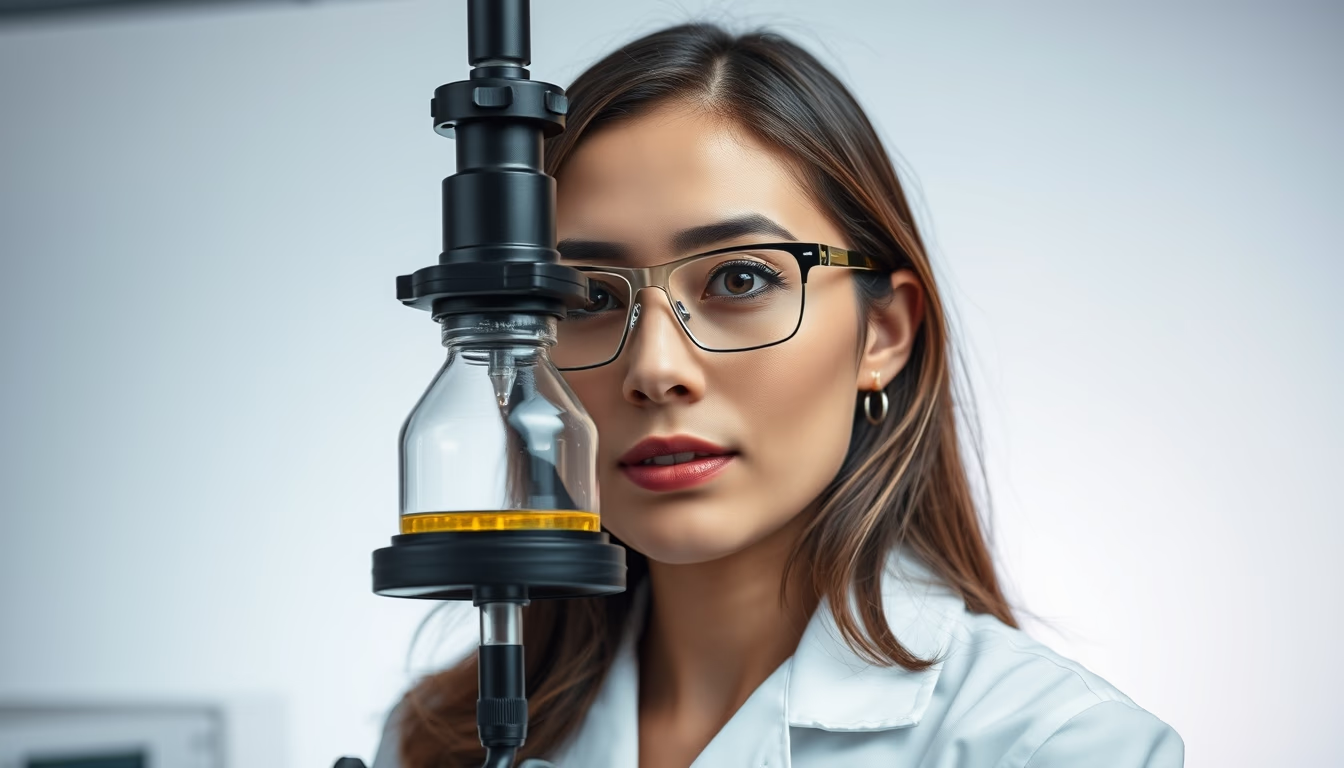
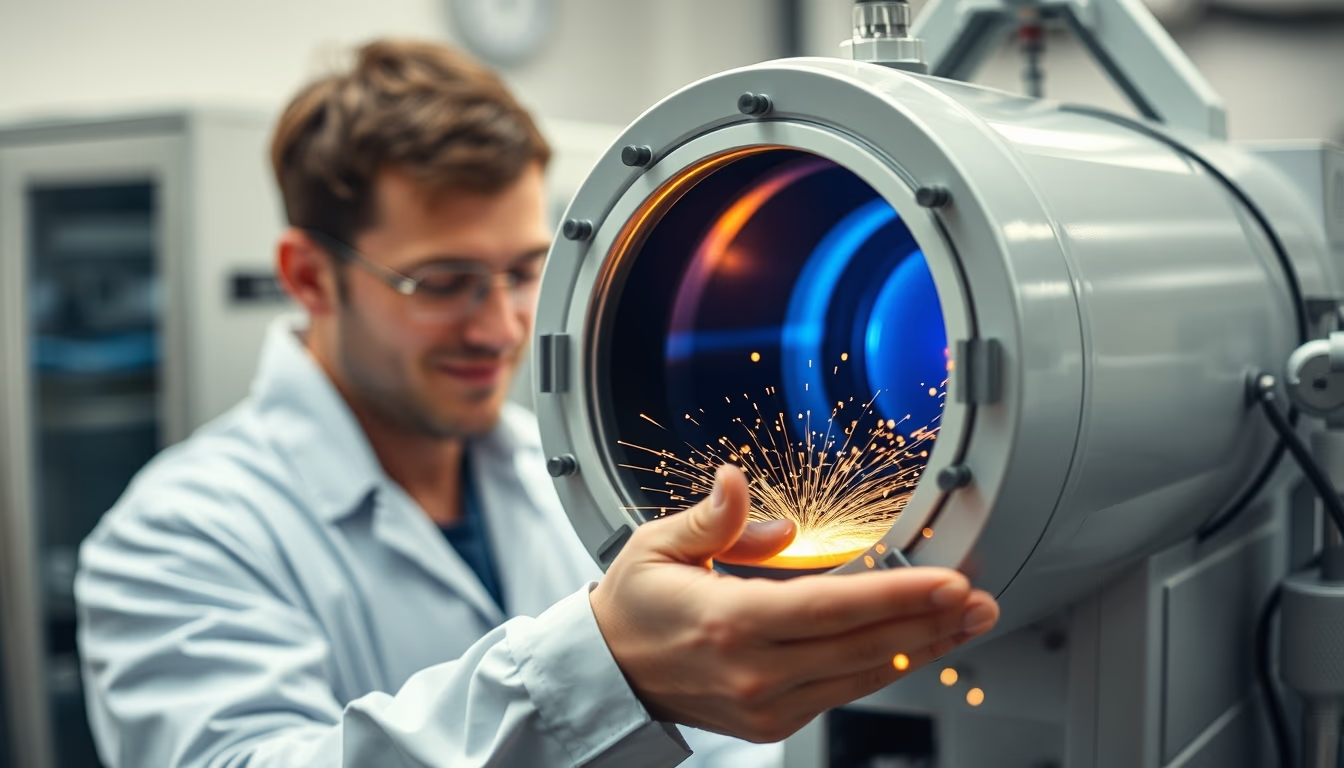
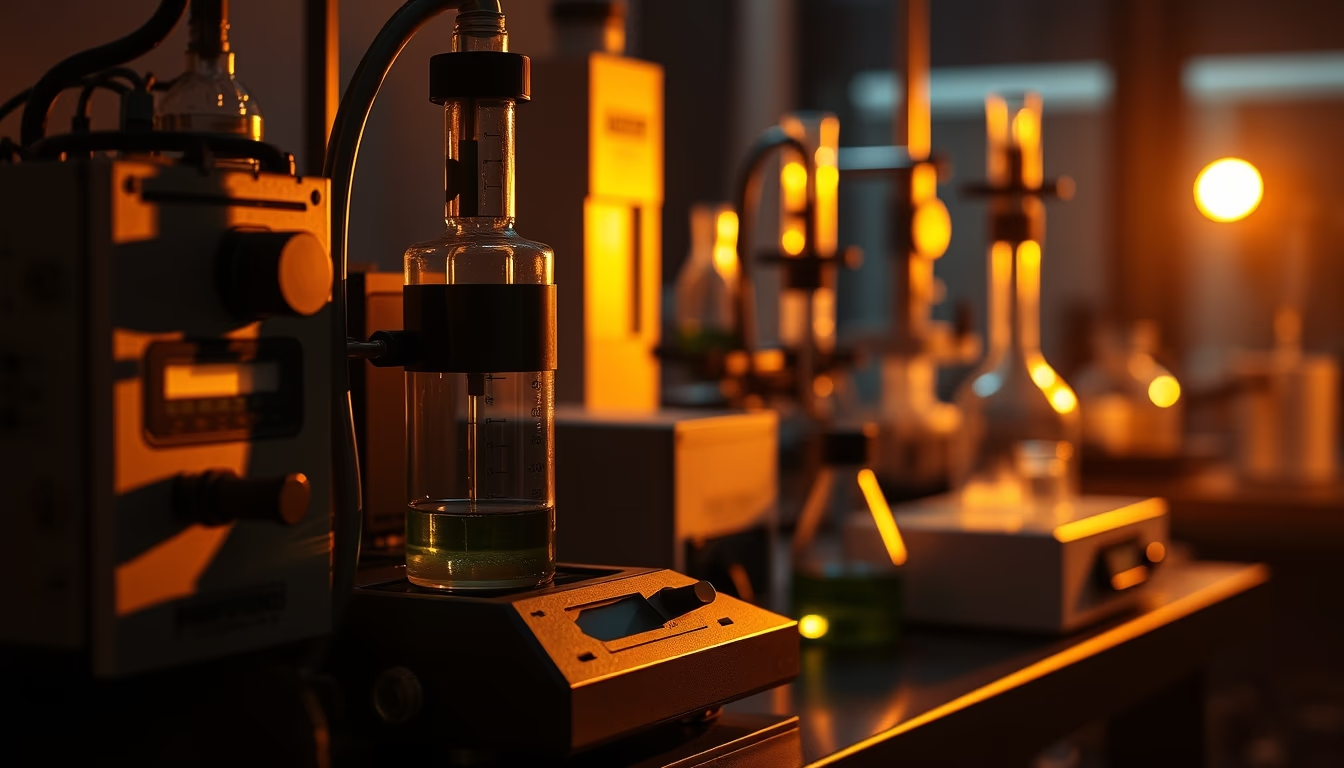
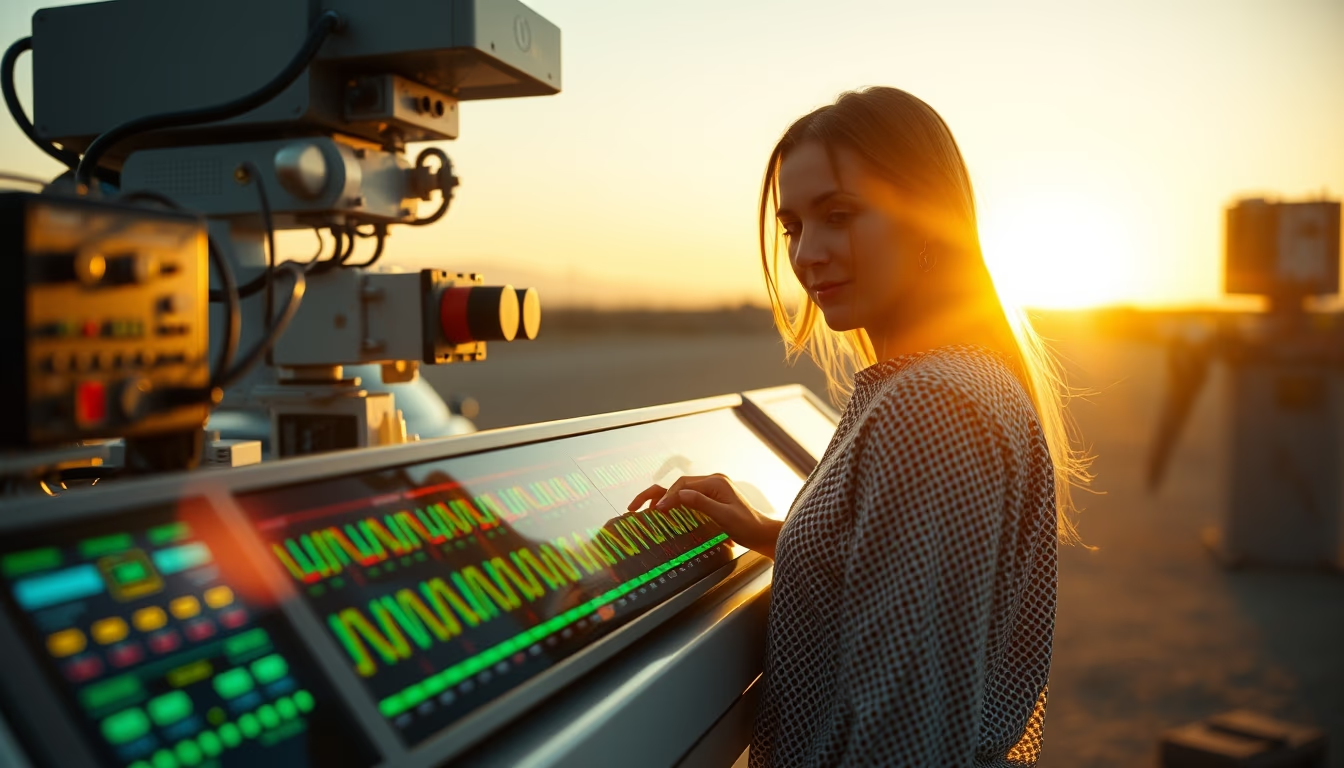
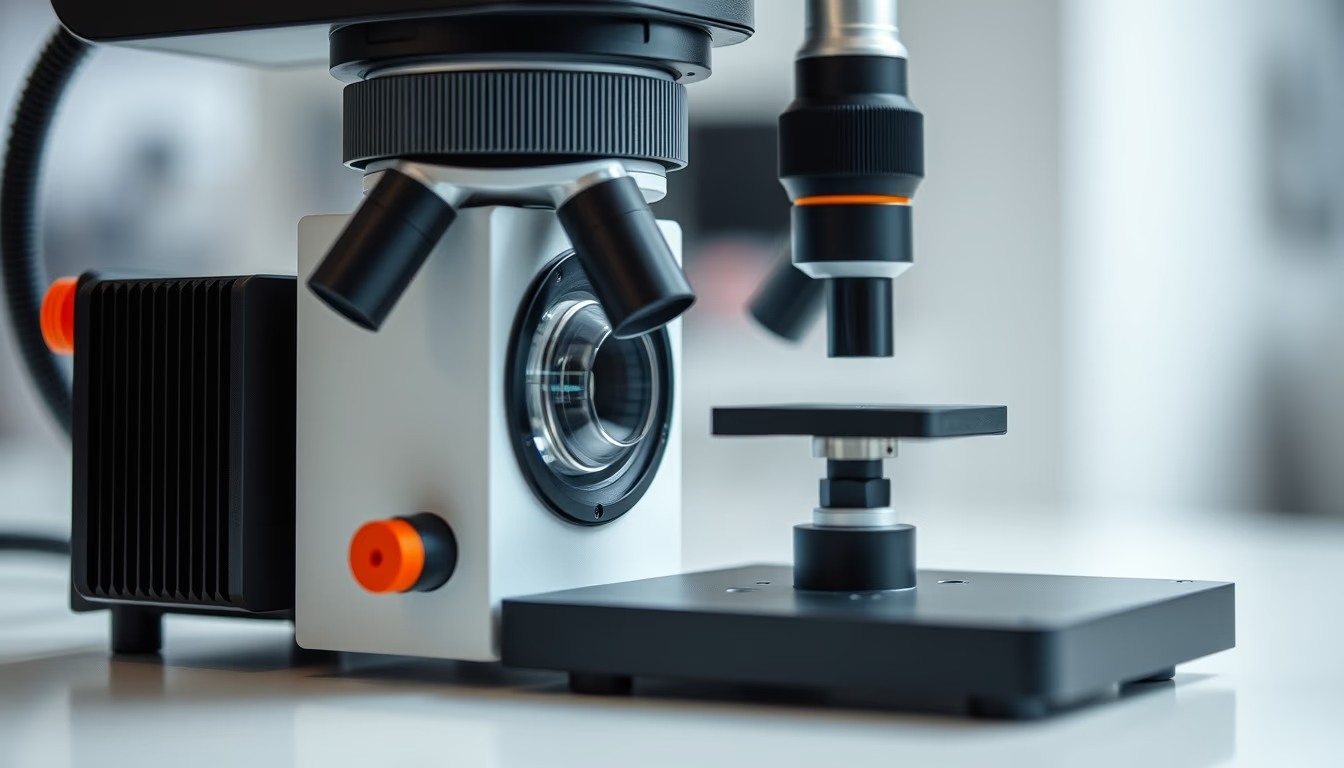
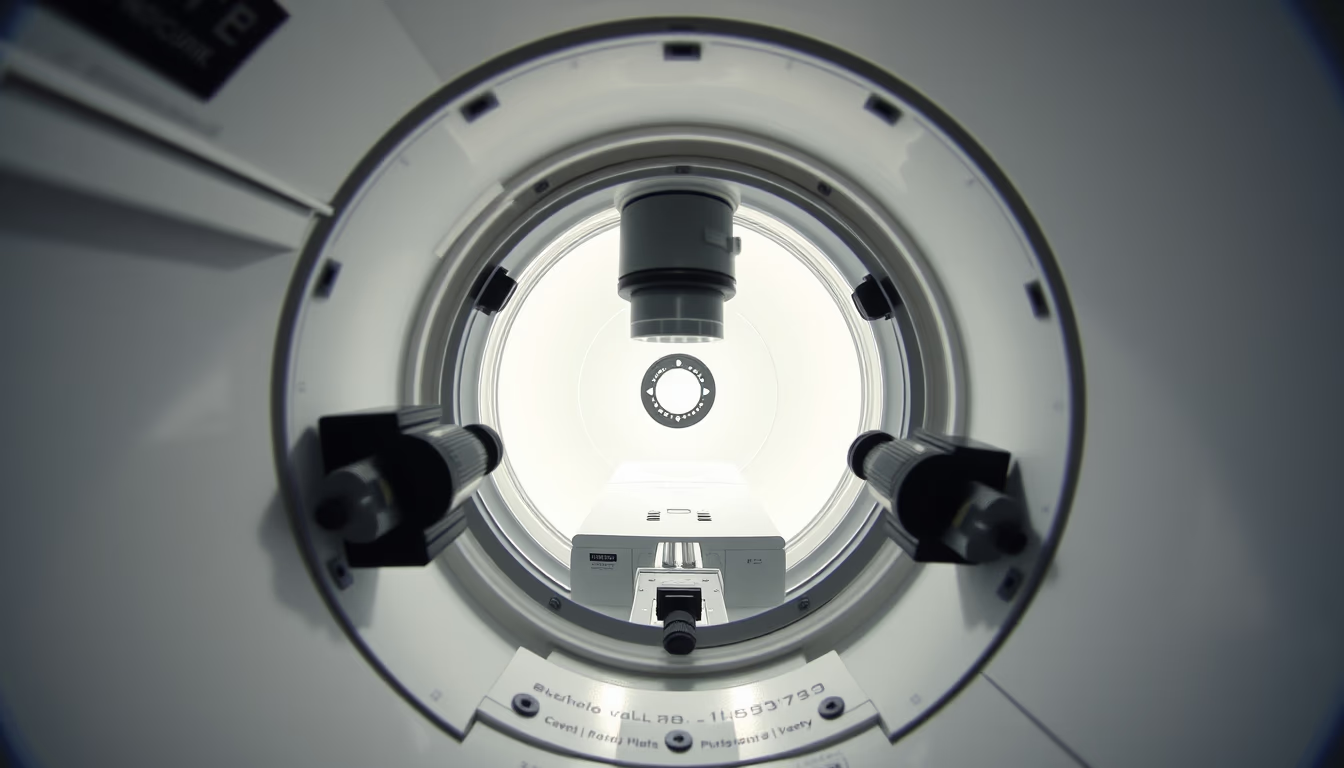
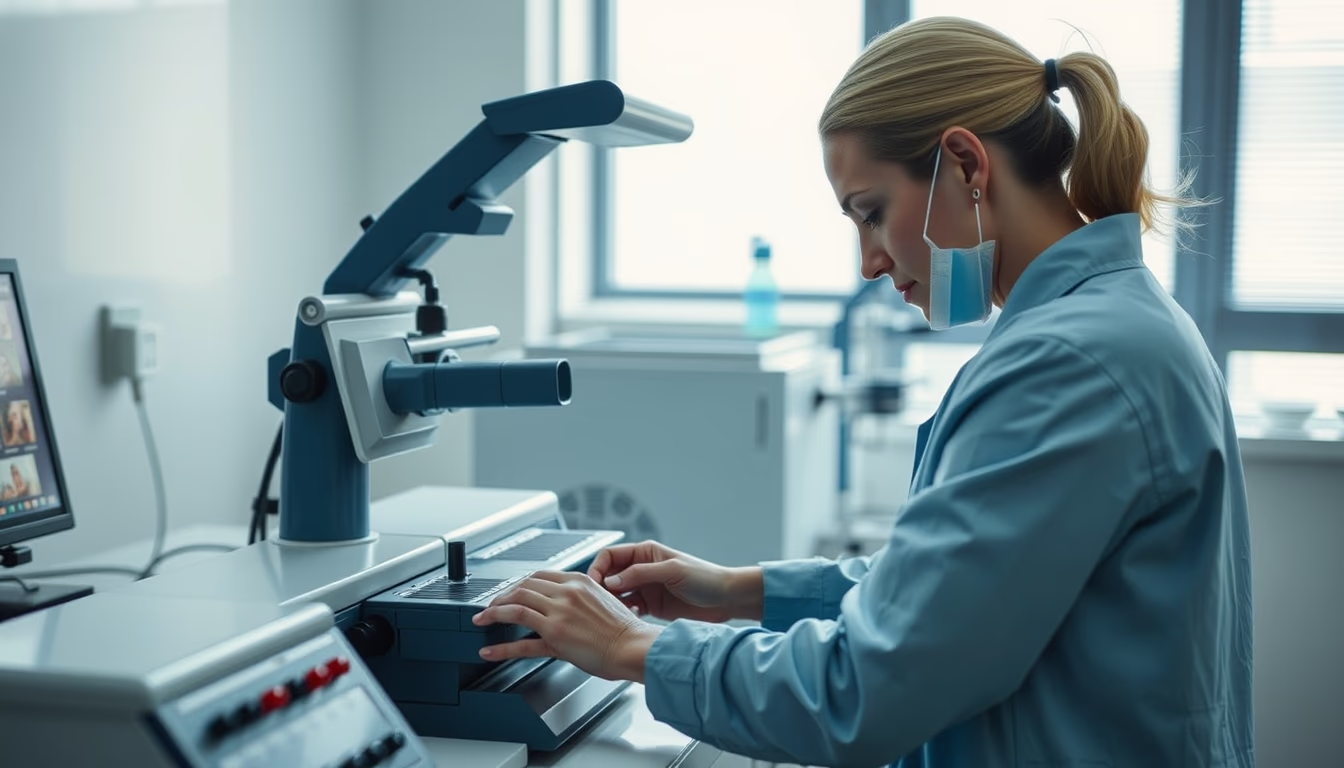
Gas chromatograph, essential equipment for separating and analyzing volatile compounds, used in chemistry, forensic, and quality control laboratories.
About this subject
Gas chromatography is an analytical technique that separates mixtures of volatile or vaporizable substances without decomposition. The principle relies on the partition of analytes between a mobile gas phase (carrier gas, such as helium or nitrogen) and a stationary phase inside a column. Typical instrumentation includes an injector, a capillary or packed column, and a detector. The sample is vaporized, injected via syringe, and carried by the gas; each component interacts differently with the stationary phase, resulting in distinct retention times.
Applications of gas chromatography are vast. In the petrochemical industry, it is used to analyze fuel composition and oils. In forensic laboratories, it is standard for blood alcohol detection, drugs of abuse, and explosive residues. The pharmaceutical sector employs it to verify solvent purity and active ingredients. In the food industry, it monitors aromas, contaminants like pesticides, and additives. The technique is also essential for environmental analysis of volatile organic compounds (VOCs) in air, water, and soil.
Modern gas chromatography originated from the work of James and Martin in 1952, which earned Martin the Nobel Prize. Since then, it has evolved with high-efficiency capillary columns and sensitive detectors. The most common detectors are the flame ionization detector (FID), thermal conductivity detector (TCD), and especially the mass spectrometer (GC-MS), which identifies each peak by its fragmentation spectrum. GC-MS is considered the gold standard for organic compound analysis.
Operating a gas chromatograph requires careful calibration, internal standards, and precise temperature control (programmed ramps). Fused silica capillary columns are now the main choice due to their resolution and stability. Analysis time can range from minutes to hours, depending on sample complexity and method. The instrument is robust and found in hundreds of laboratories worldwide, being key for safety, quality, and regulatory compliance.
Frequently Asked Questions
How does a gas chromatograph work?
The vaporized sample is injected into a stream of inert gas (helium, nitrogen) that passes through a column with a stationary phase. Components are separated by interaction and retention time, then detected.
What are the applications of gas chromatography?
Used for volatile compound analysis in petrochemicals, forensics (drugs, alcohol), food industry (flavors, contaminants), pharmaceuticals (solvent purity), and environmental monitoring (VOCs).
What is the difference between GC and GC-MS?
GC uses generic detectors (FID, TCD) giving concentration signals, while GC-MS couples a mass spectrometer, allowing structural identification via ion fragmentation patterns.
Direct URL
https://pub-c7d6a6ea828543ac903a74a341ccb2e1.r2.dev/imagens/gas-chromatograph-studio-editorial-portrait-fresh0.avifHow to credit
Include a visible link back to UtilizAí. Copy one of the snippets below:
<a href="https://xn--utiliza-eza.com/en/midia/imagens/gas-chromatograph-studio-editorial-portrait-fresh0">Gas chromatograph</a> by <a href="https://xn--utiliza-eza.com">UtilizAí</a>, licensed under <a href="https://creativecommons.org/licenses/by/4.0/">CC BY 4.0</a>.
[Gas chromatograph](https://xn--utiliza-eza.com/en/midia/imagens/gas-chromatograph-studio-editorial-portrait-fresh0) by [UtilizAí](https://xn--utiliza-eza.com), CC BY 4.0
License: CC-BY-4.0