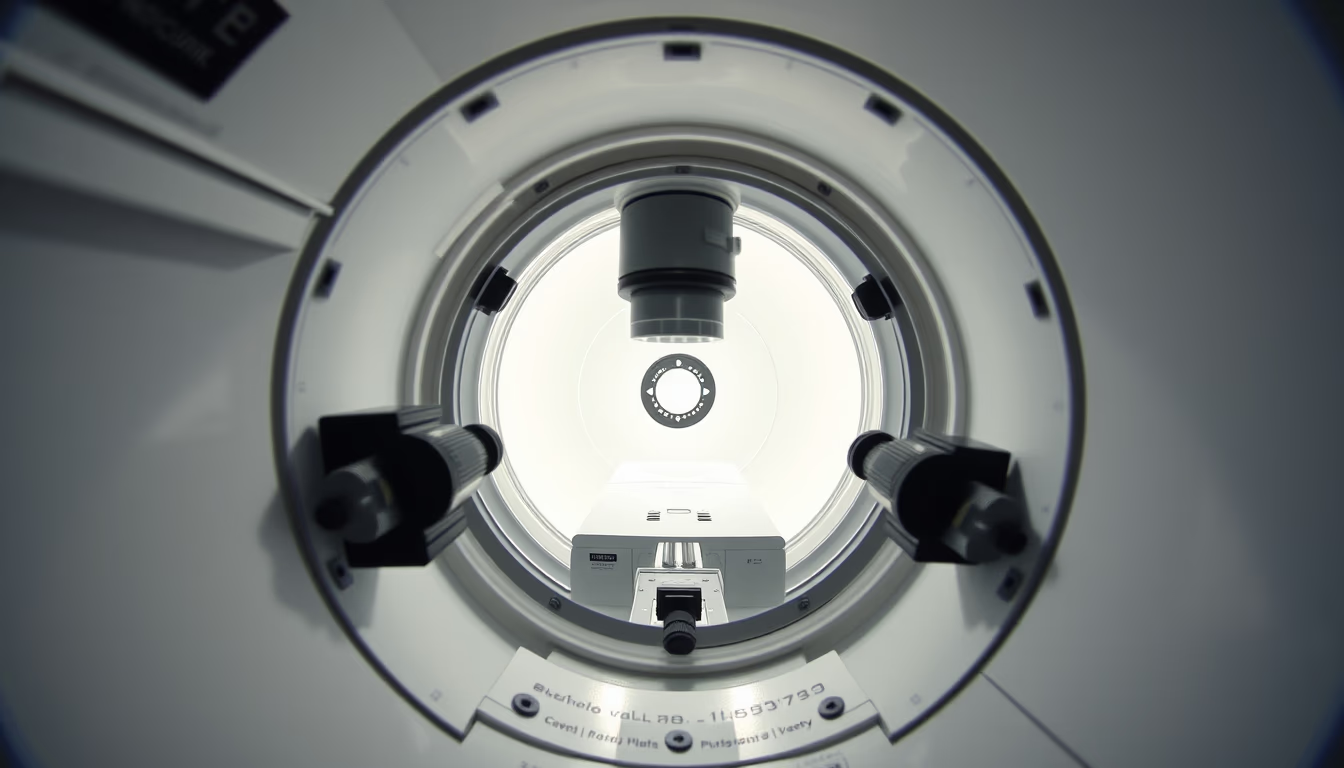
Gas chromatograph
1344×768 · AVIF · CC BY 4.0
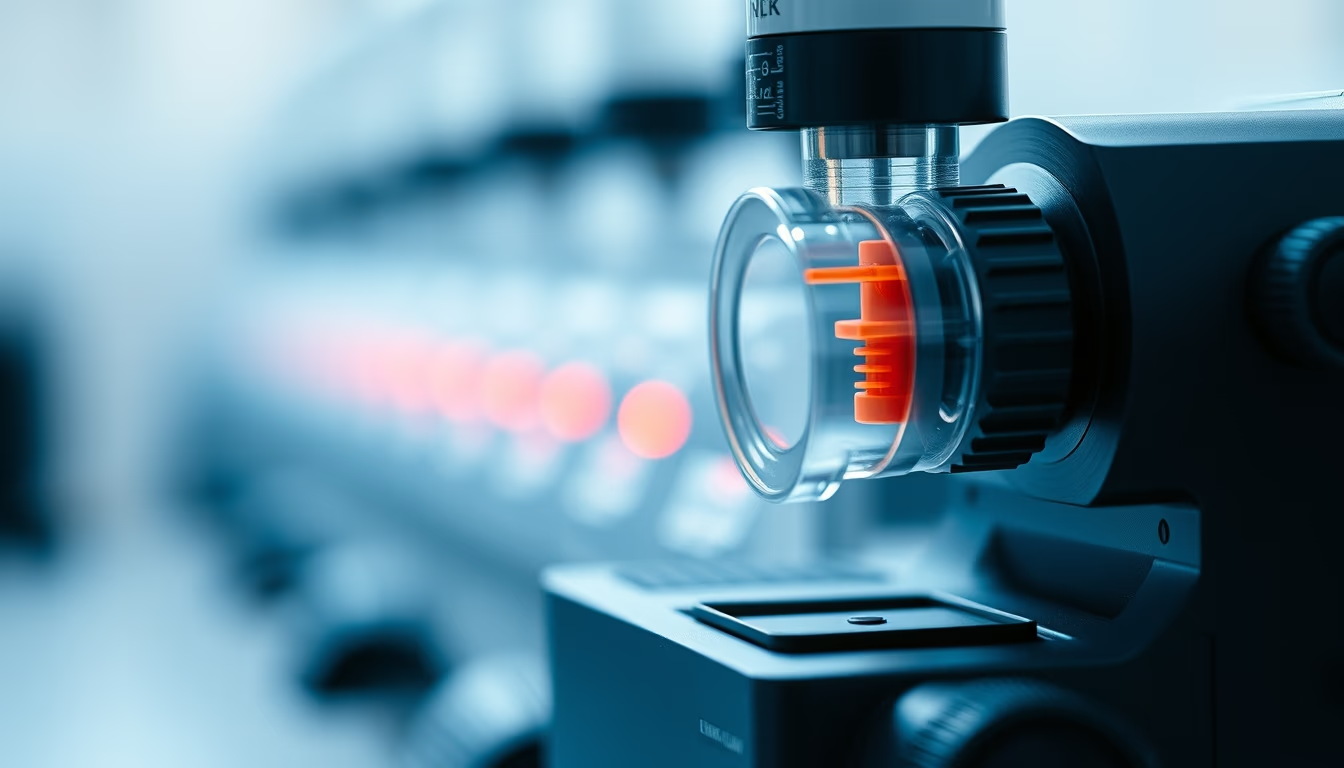
A gas chromatograph is an analytical instrument that separates and identifies volatile compounds in complex mixtures.
About this subject
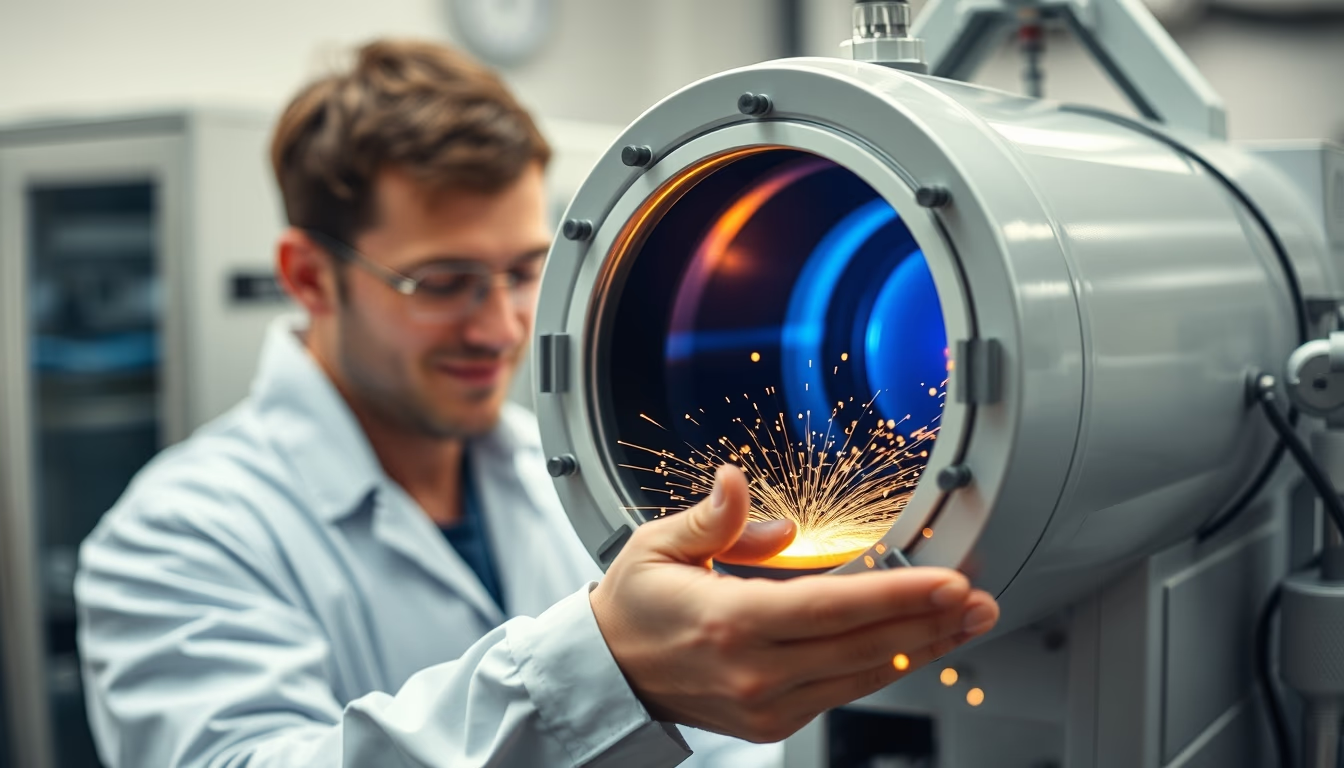
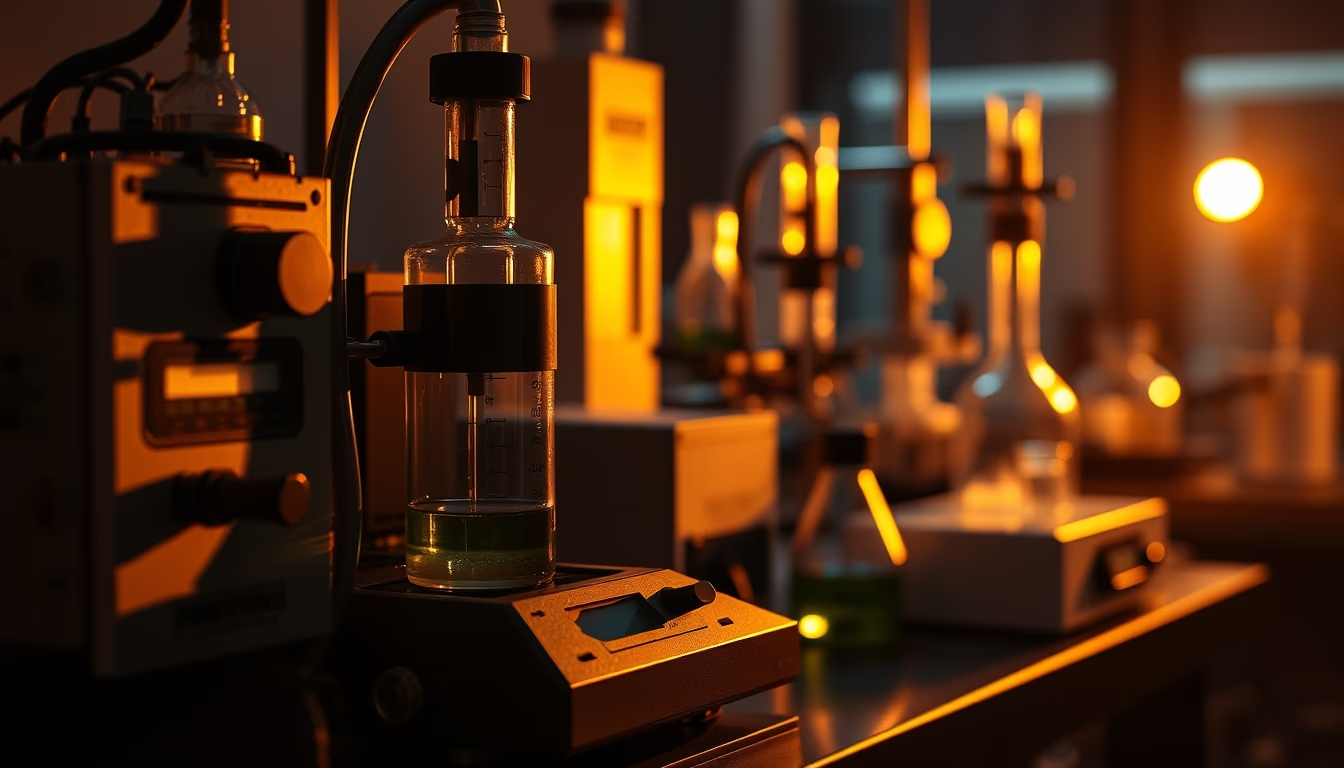
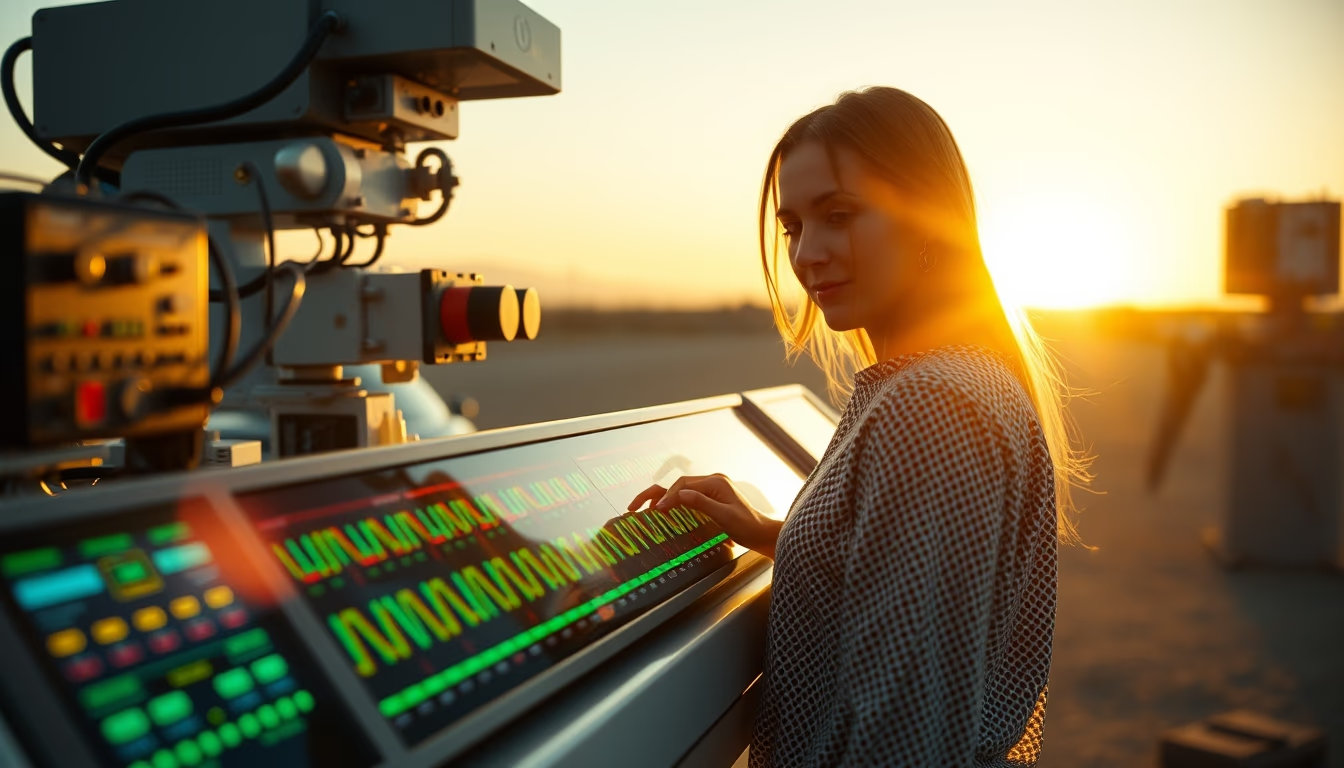
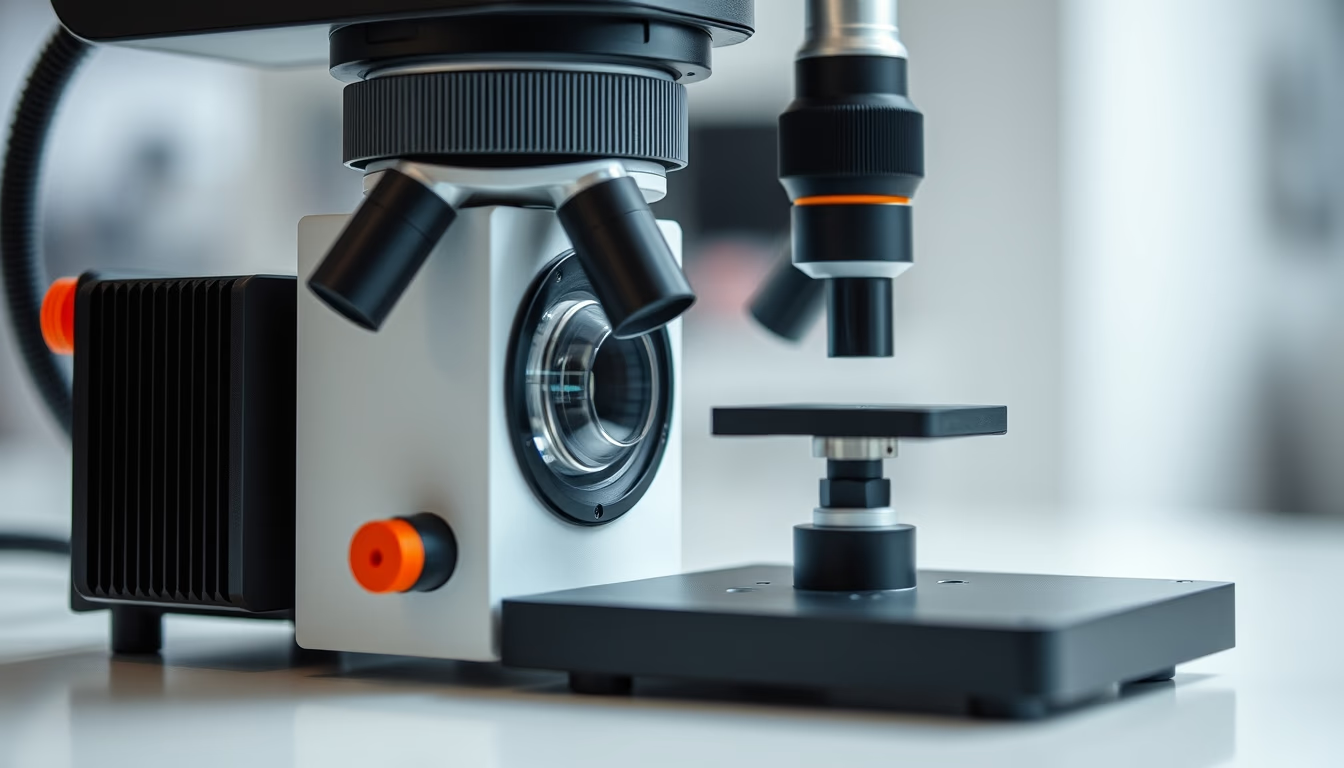
A gas chromatograph is a pivotal instrument in analytical chemistry laboratories, used to separate, identify, and quantify components of mixtures that can be vaporized without decomposition. The operational principle relies on the differential distribution of analytes between a gaseous mobile phase (carrier gas, such as helium or nitrogen) and a stationary solid or liquid phase inside a capillary column. As the vaporized sample travels through the column, each compound interacts uniquely with the stationary phase, resulting in distinct retention times. These times are recorded by a detector, such as a flame ionization detector (FID) or mass spectrometer (GC-MS), generating a chromatogram that serves as a fingerprint of the sample. Invented in the 1950s by Archer Martin and Anthony James, the technique revolutionized fields like petrochemicals, food quality control, environmental analysis, and pharmaceuticals. High resolution and sensitivity allow detection of trace substances, such as pesticides in water or drugs in biological fluids. In Brazil, its use is widespread in universities, industries, and regulatory agencies like ANVISA and MAPA. Modern instruments often feature temperature programming and automation to analyze dozens of samples per day. Maintenance includes cleaning the injector and periodic replacement of the column and septa.
Frequently Asked Questions
What is a gas chromatograph used for?
It is used to separate, identify, and quantify volatile or semi-volatile compounds in complex samples, such as in fuel, food, beverage, pharmaceutical, and environmental contaminant analysis.
What is the difference between gas chromatography and liquid chromatography?
Gas chromatography uses a gas as the mobile phase and is suitable for volatile and thermally stable compounds; liquid chromatography (HPLC) handles non-volatile or thermolabile compounds using a liquid solvent as the mobile phase.
How do you interpret a chromatogram?
Each peak in a chromatogram represents a compound. The retention time identifies the substance by comparison with standards, and the peak area is related to its concentration in the sample.
Direct URL
https://pub-c7d6a6ea828543ac903a74a341ccb2e1.r2.dev/imagens/gas-chromatograph-macro-closeup-fresh2.avifHow to credit
Include a visible link back to UtilizAí. Copy one of the snippets below:
<a href="https://xn--utiliza-eza.com/en/midia/imagens/gas-chromatograph-macro-closeup-fresh2">Gas chromatograph</a> by <a href="https://xn--utiliza-eza.com">UtilizAí</a>, licensed under <a href="https://creativecommons.org/licenses/by/4.0/">CC BY 4.0</a>.
[Gas chromatograph](https://xn--utiliza-eza.com/en/midia/imagens/gas-chromatograph-macro-closeup-fresh2) by [UtilizAí](https://xn--utiliza-eza.com), CC BY 4.0
License: CC-BY-4.0