Gas chromatograph
1344×768 · AVIF · CC BY 4.0
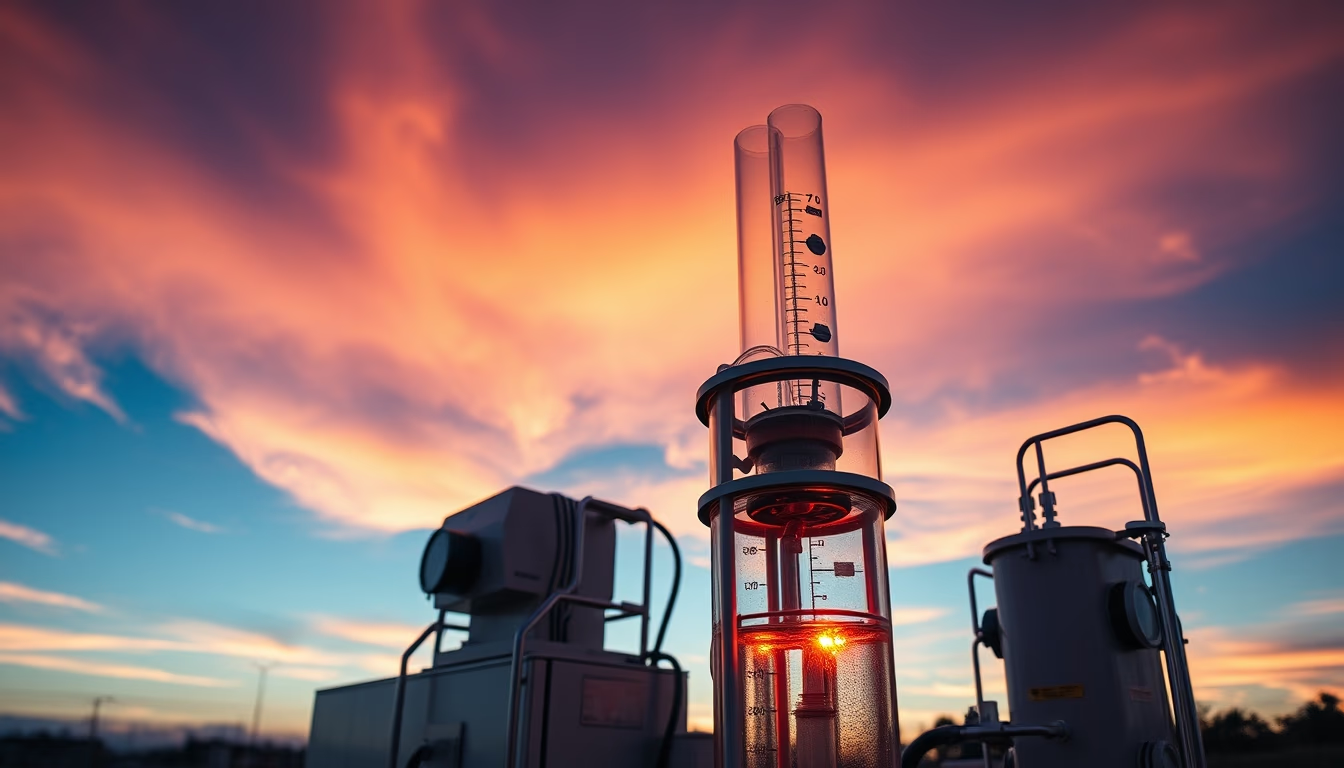
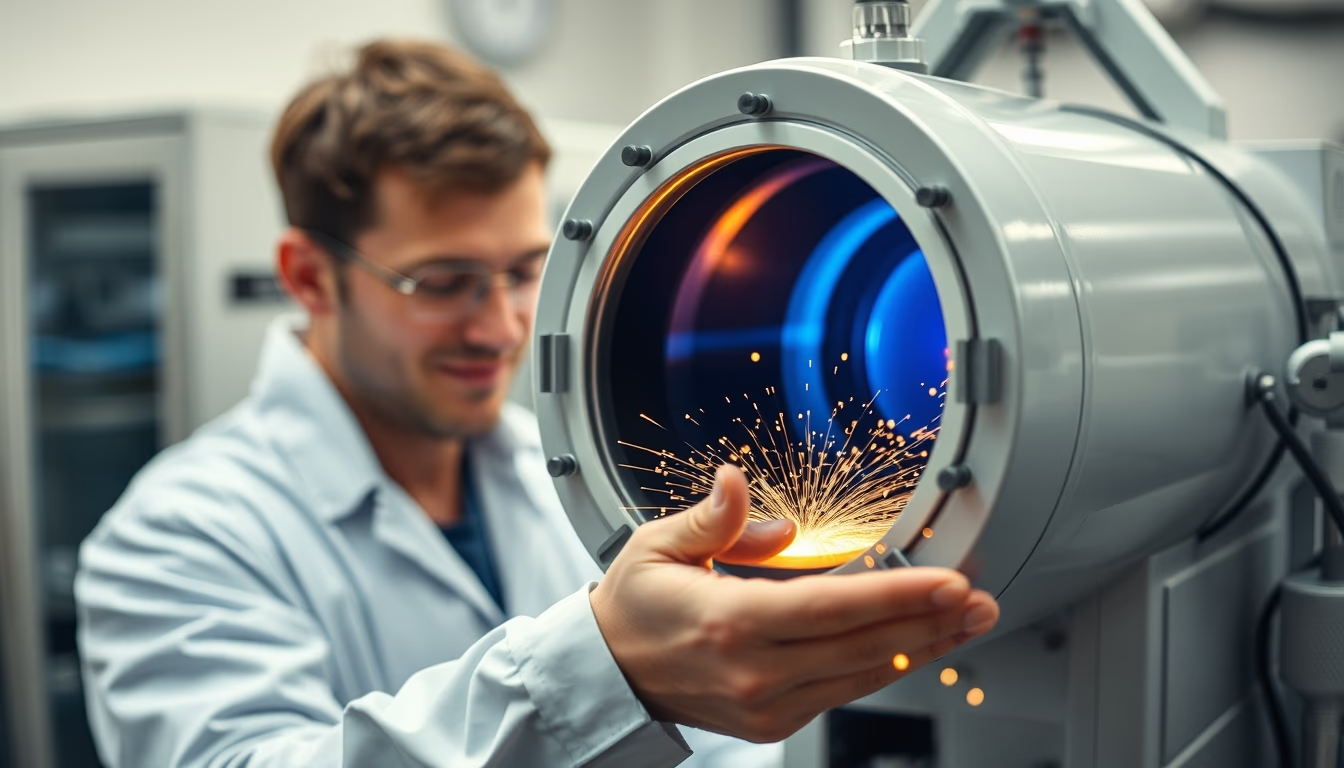
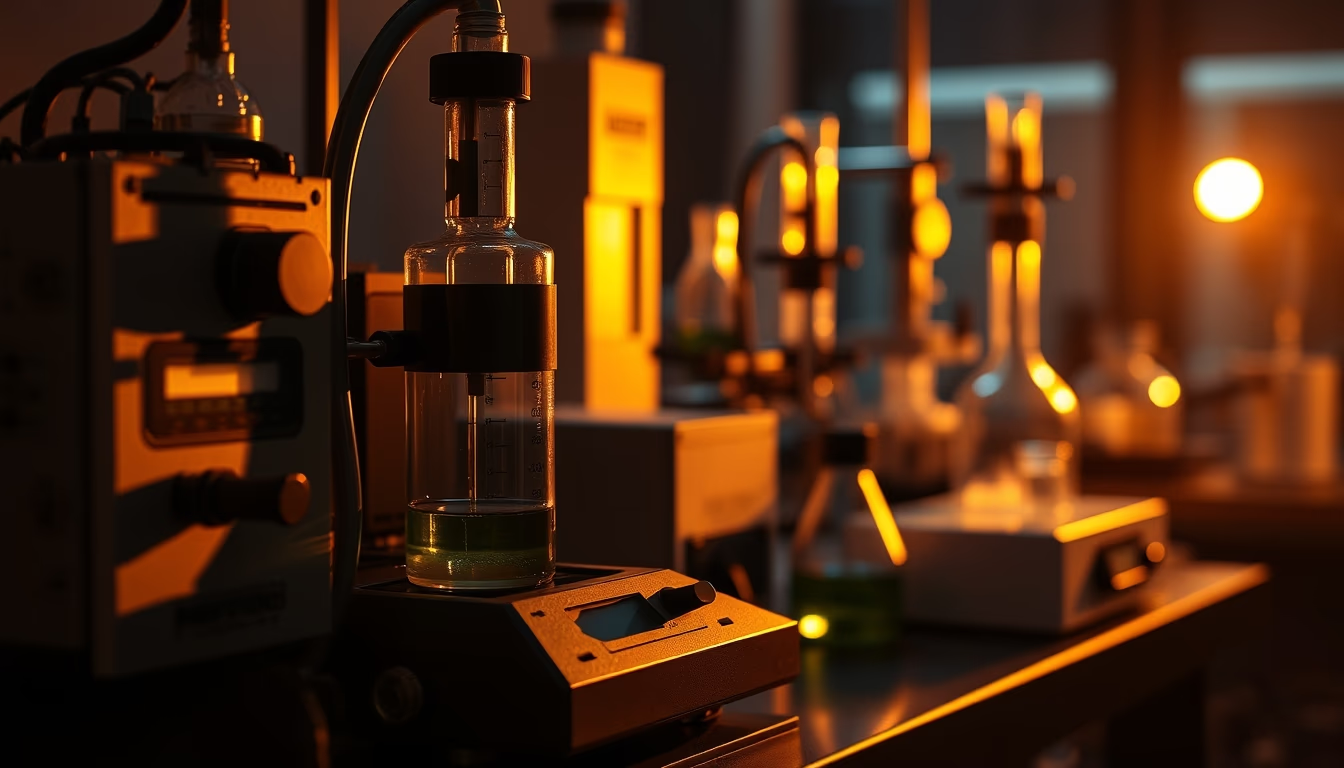
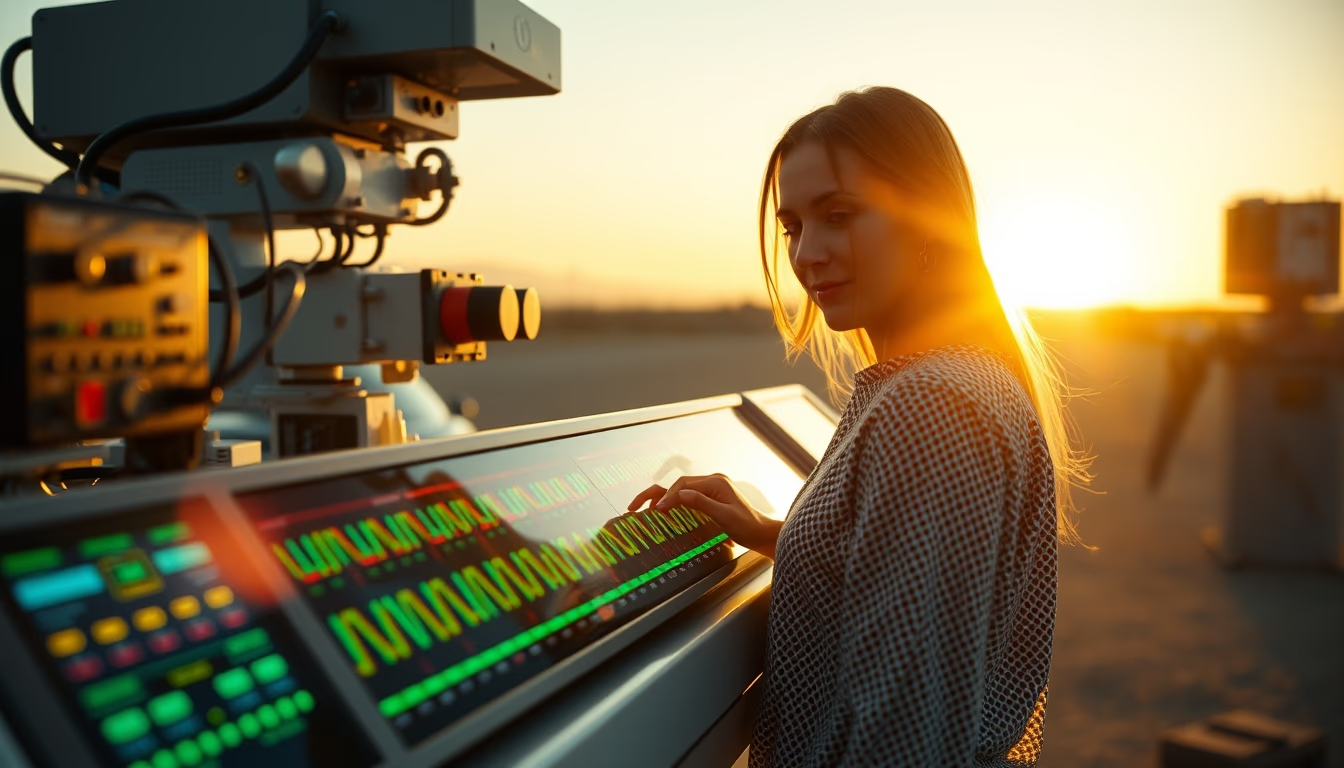
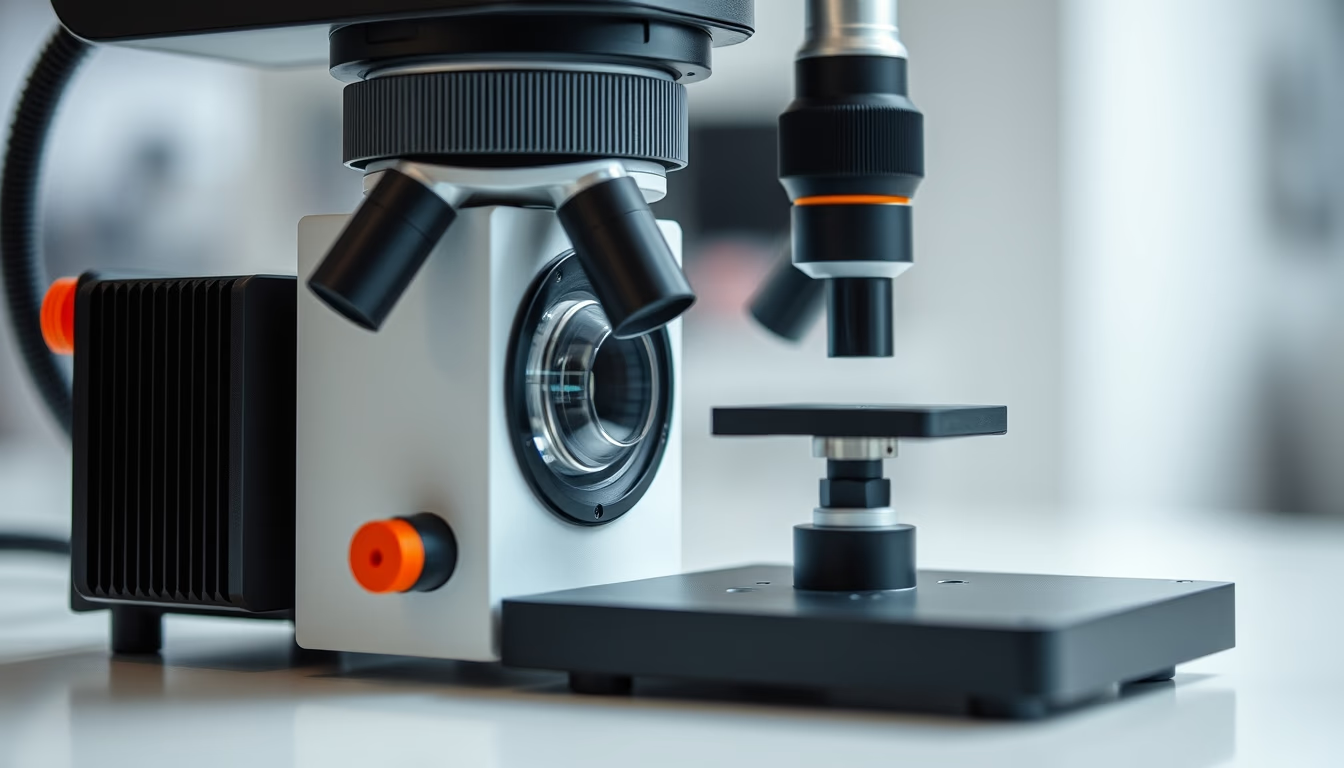
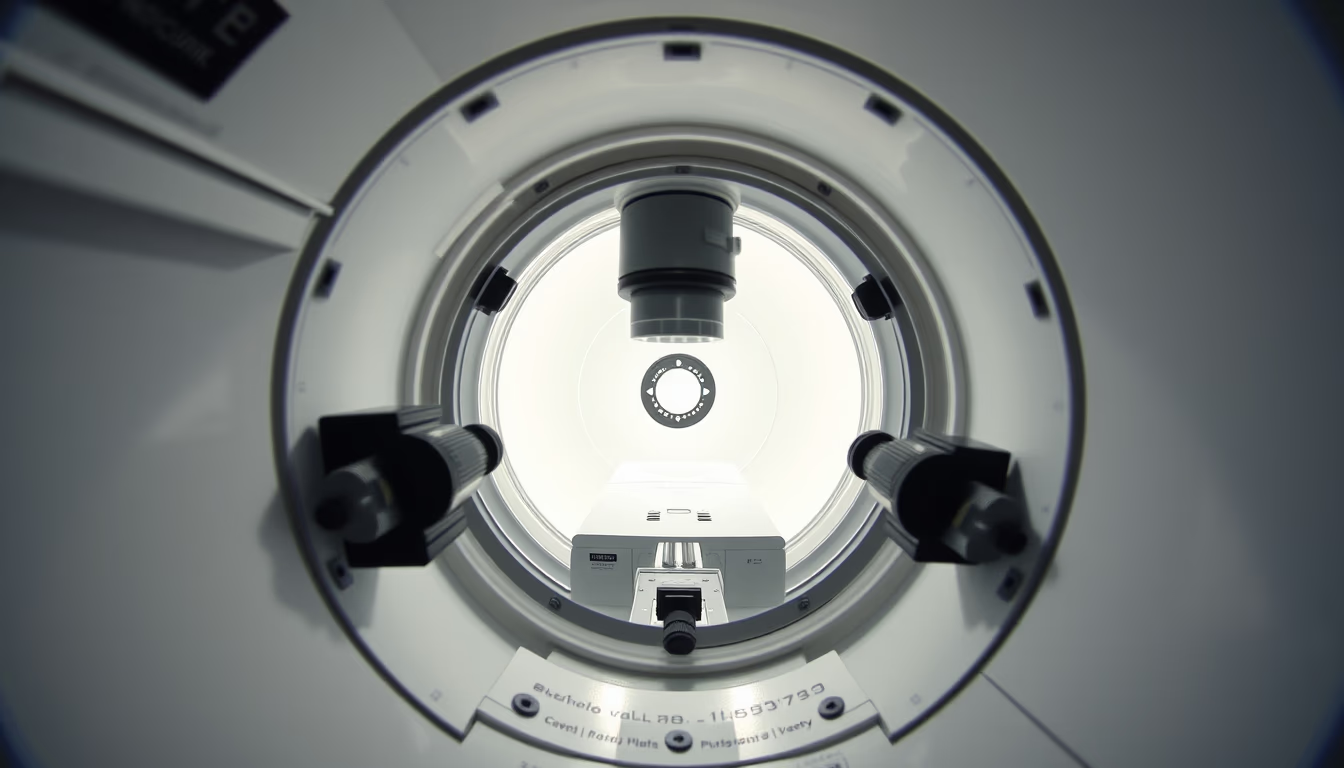
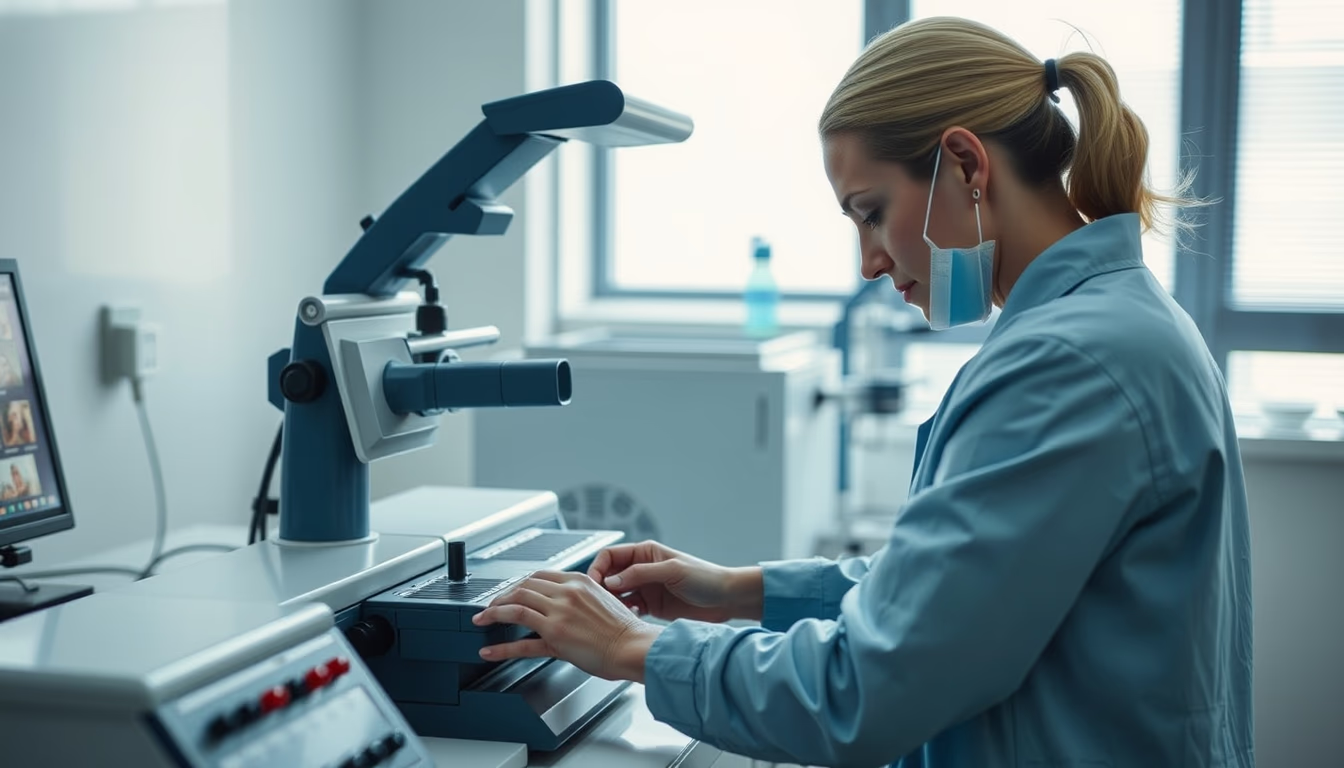
Gas chromatograph, an analytical instrument that separates and identifies volatile compounds in complex samples, essential in chemistry laboratories.
About this subject
The gas chromatograph is a fundamental instrument in analytical chemistry, used to separate, identify, and quantify volatile compounds in a sample. Gas chromatography (GC) was developed in the 1950s by scientists such as Archer Martin and Anthony James, who received the Nobel Prize in Chemistry in 1952 for their work on partition chromatography. The principle involves injecting a vaporized sample into a capillary or packed column, where components are separated based on their interaction with the stationary phase and the gaseous mobile phase, typically helium, nitrogen, or hydrogen.
The detector is a key component, with common types being the flame ionization detector (FID) and mass spectrometer (GC-MS). FID is sensitive to organic compounds, while GC-MS allows structural identification. GC applications are vast, including food and beverage analysis, pharmaceuticals, fuels, environmental samples, and forensics. For example, in the petrochemical industry, it determines gasoline and diesel composition; in clinical settings, it monitors drugs of abuse in blood.
A technical curiosity: the chromatographic column can be tens of meters long with an internal diameter less than 0.25 mm, coated internally with a thin polymer layer (stationary phase). The oven temperature is programmed to increase gradually, optimizing separation of compounds with different boiling points. The retention time of each substance is characteristic, enabling identification by comparison with standards.
Modern gas chromatographs are controlled by software that manages automatic injection, temperature ramps, and data acquisition. The precision and sensitivity make it indispensable in research and quality control laboratories. A long-exposure image might highlight the glow of displays or the movement of an autosampler, but the focus remains on the precise instrumentation and the science behind chemical separation.
Frequently Asked Questions
What is a gas chromatograph used for?
It is used to separate, identify, and quantify volatile compounds in complex samples, applied in chemistry labs, pharmaceutical, petrochemical industries, environmental analysis, and forensics.
What is the difference between GC and GC-MS?
GC (gas chromatography) uses detectors like FID for quantification. GC-MS couples a mass spectrometer, allowing molecular structure identification, providing both quantity and identity of analytes.
What samples can be analyzed by gas chromatography?
Samples that can be vaporized without decomposition, such as volatile organic compounds, gases, solvents, hydrocarbons, esters, and many drugs. High molecular weight or thermolabile samples may require derivatization.
Direct URL
https://pub-c7d6a6ea828543ac903a74a341ccb2e1.r2.dev/imagens/gas-chromatograph-long-exposure-fresh13.avifHow to credit
Include a visible link back to UtilizAí. Copy one of the snippets below:
<a href="https://xn--utiliza-eza.com/en/midia/imagens/gas-chromatograph-long-exposure-fresh13">Gas chromatograph</a> by <a href="https://xn--utiliza-eza.com">UtilizAí</a>, licensed under <a href="https://creativecommons.org/licenses/by/4.0/">CC BY 4.0</a>.
[Gas chromatograph](https://xn--utiliza-eza.com/en/midia/imagens/gas-chromatograph-long-exposure-fresh13) by [UtilizAí](https://xn--utiliza-eza.com), CC BY 4.0
License: CC-BY-4.0