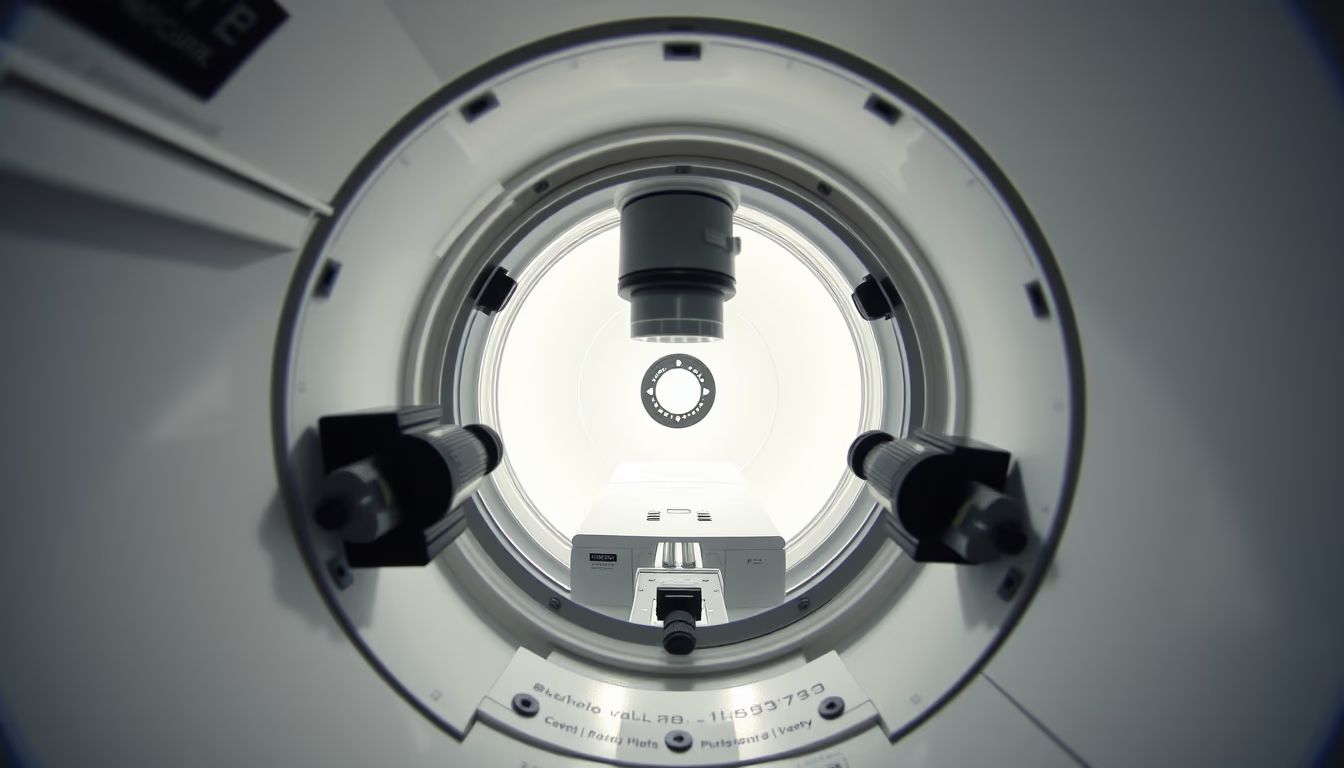
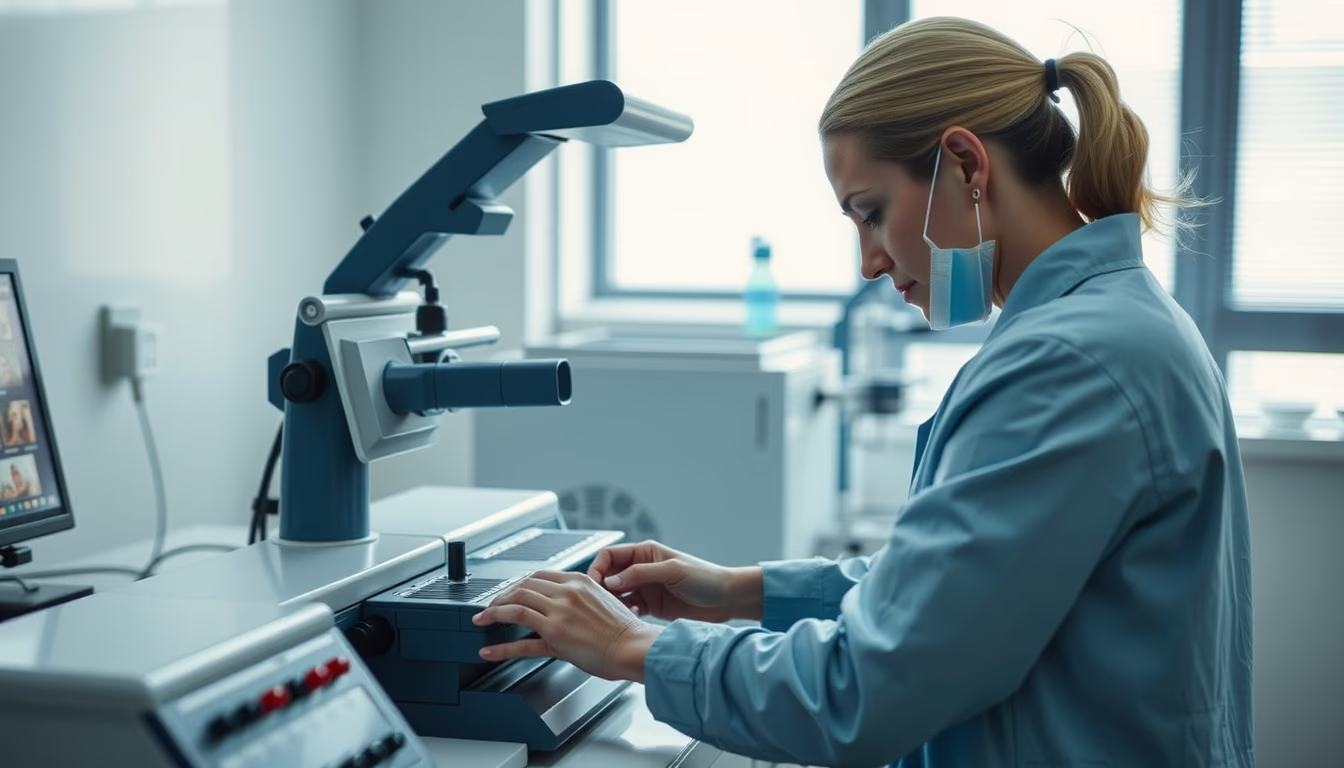
Gas chromatograph
1344×768 · AVIF · CC BY 4.0
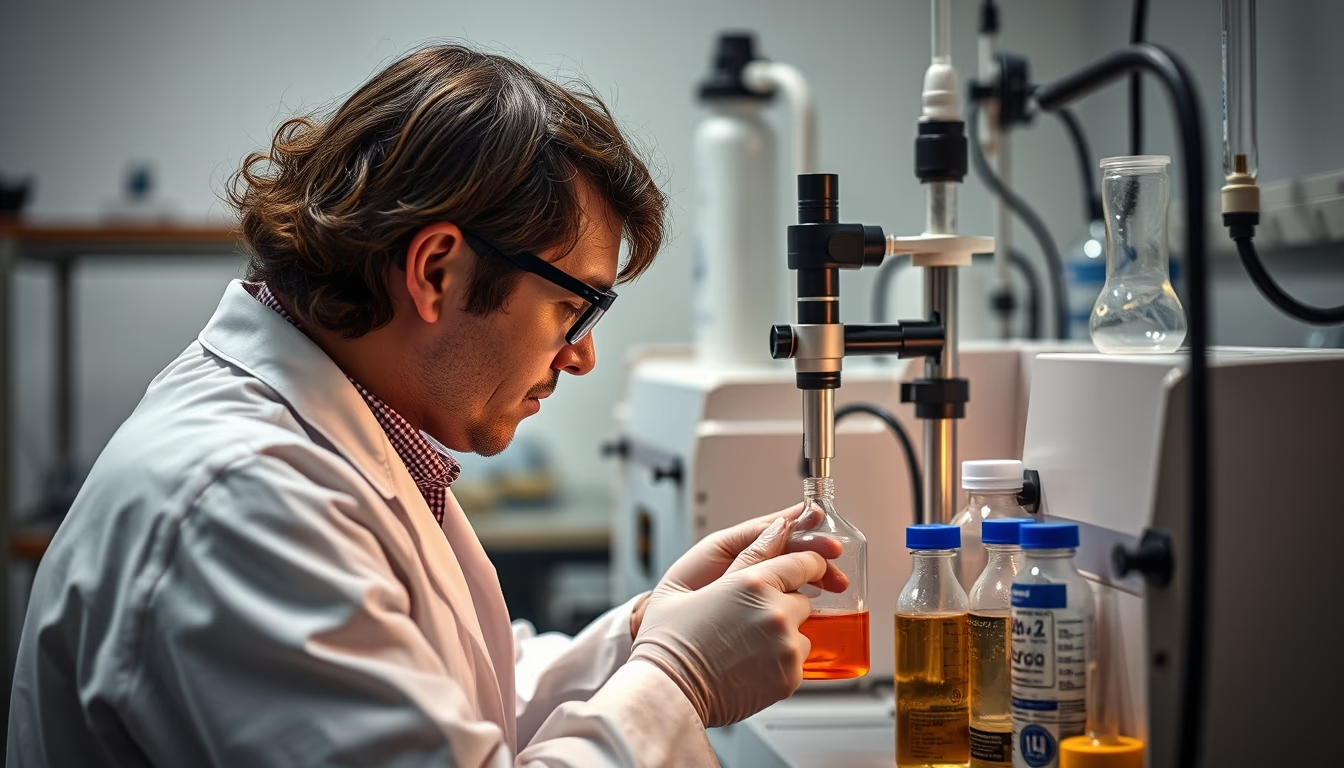
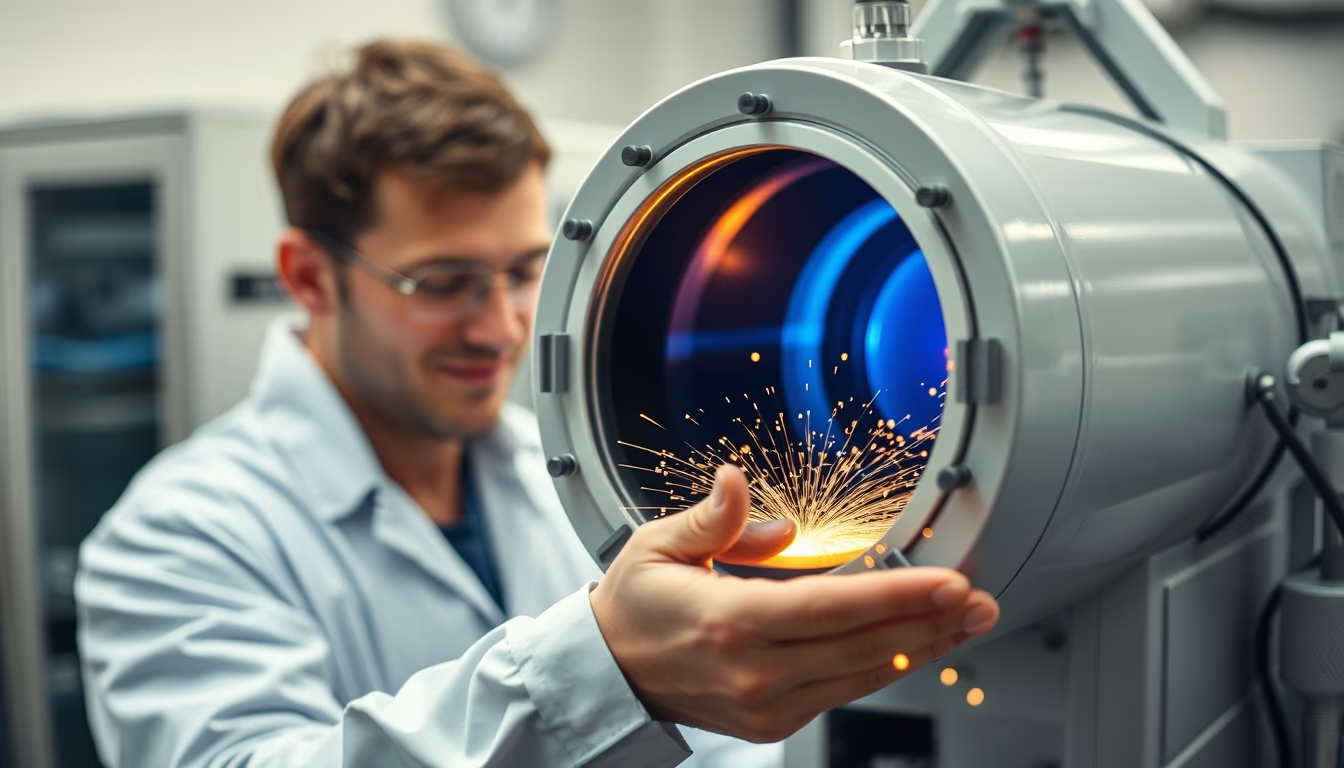
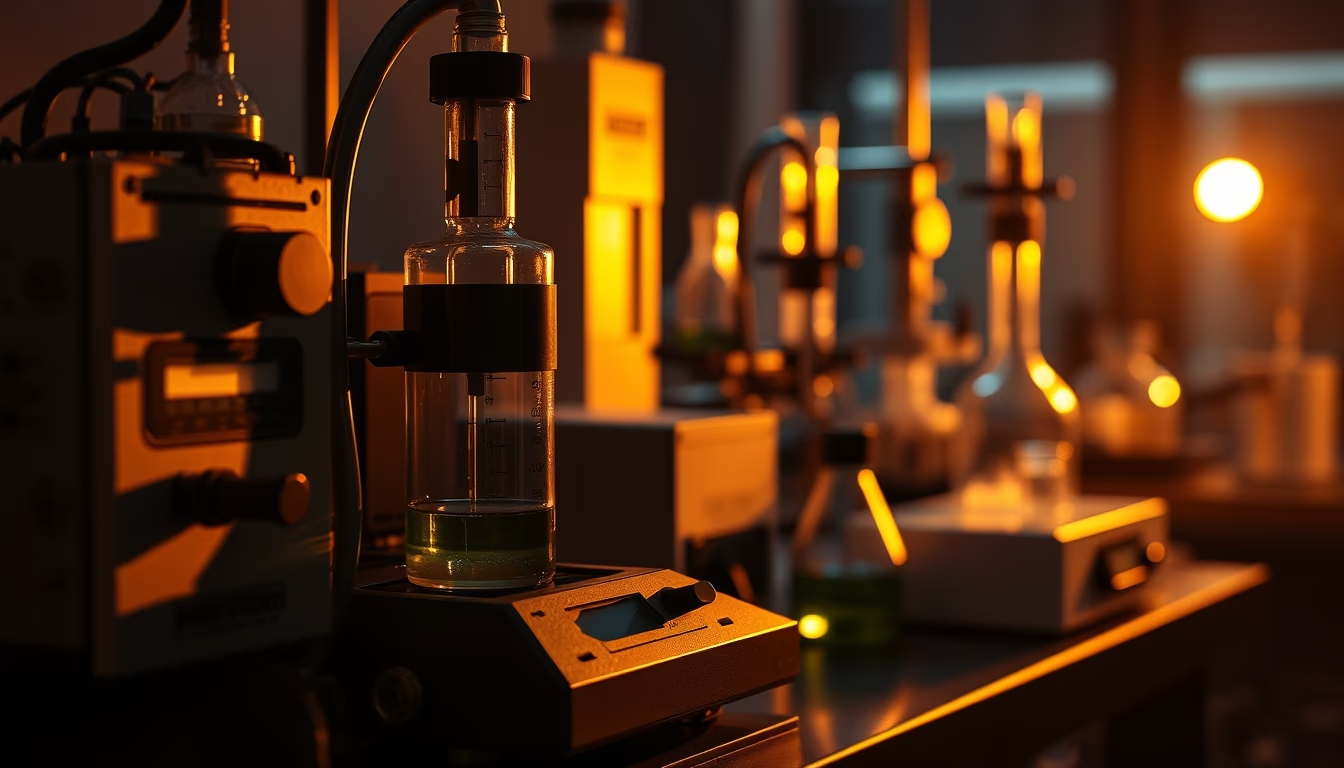
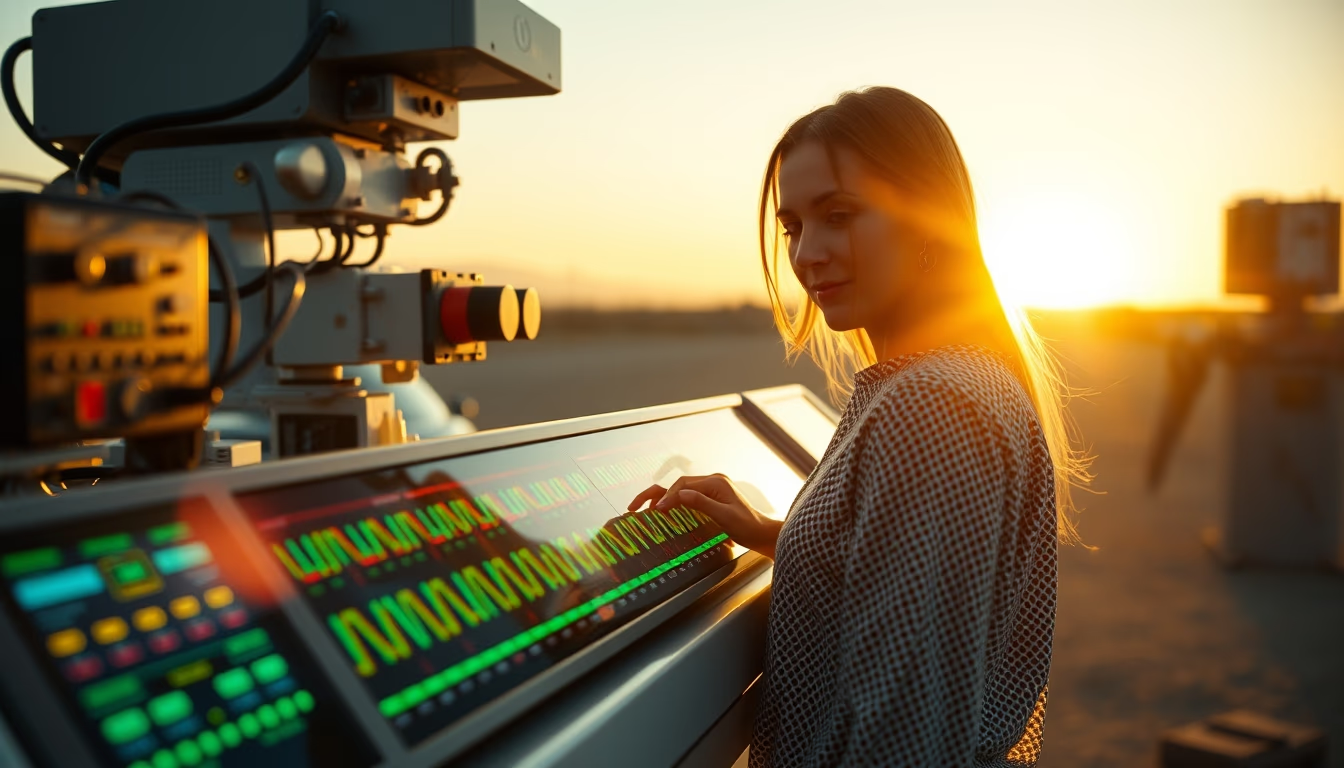
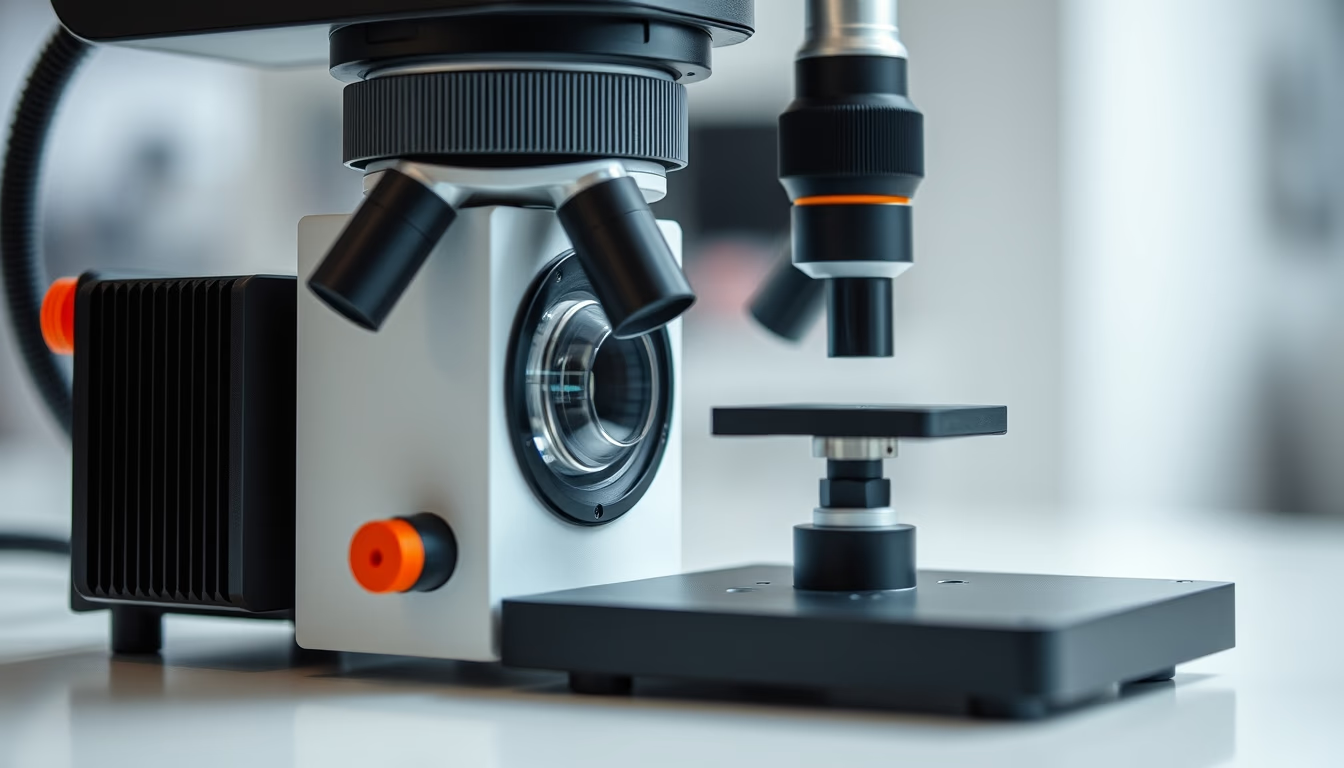
A gas chromatograph is an analytical instrument that separates and identifies volatile components in a sample, essential in chemistry labs and industries.
About this subject
The gas chromatograph is a fundamental tool in analytical chemistry, used to separate and quantify volatile substances in complex mixtures. The operating principle is based on the differential interaction of compounds with a stationary phase (solid or liquid) inside a capillary column, while a gaseous mobile phase (usually helium, nitrogen, or hydrogen) carries the vaporized sample. Components elute at different times, generating a chromatogram that allows identification of each substance by its retention time.
Initially developed by Archer Martin and Anthony James in the 1950s, the method revolutionized chemical analysis, enabling separation of mixtures with high resolution and sensitivity. Since then, it has evolved with more efficient capillary columns and detectors such as flame ionization detector (FID) and mass spectrometer (GC-MS), expanding its applicability.
Its applications are vast: in the petrochemical industry for fuel analysis, in food quality control to detect contaminants and aromas, in forensic laboratories to identify drugs and poisons, and in environmental monitoring of atmospheric pollutants. The ability to analyze samples in minute quantities (nanograms) makes the gas chromatograph indispensable in scientific research and industrial processes.
Frequently Asked Questions
How does a gas chromatograph work?
The sample is vaporized and injected into a stream of inert gas (mobile phase) that passes through a column containing a stationary phase. Sample components interact differently with the stationary phase, eluting at distinct times and being detected at the outlet.
What are the main detectors used in gas chromatography?
The most common are the Flame Ionization Detector (FID), sensitive to organic compounds, and the Thermal Conductivity Detector (TCD). For advanced analysis, a mass spectrometer (GC-MS) is coupled for structural identification.
In which fields is gas chromatography most applied?
It is widely used in petrochemical, pharmaceutical, and food industries, in environmental labs for pollutant analysis, and in forensic sciences for toxicology and identification of illicit substances.
Direct URL
https://pub-c7d6a6ea828543ac903a74a341ccb2e1.r2.dev/imagens/gas-chromatograph-documentary-nature-style-fresh7.avifHow to credit
Include a visible link back to UtilizAí. Copy one of the snippets below:
<a href="https://xn--utiliza-eza.com/en/midia/imagens/gas-chromatograph-documentary-nature-style-fresh7">Gas chromatograph</a> by <a href="https://xn--utiliza-eza.com">UtilizAí</a>, licensed under <a href="https://creativecommons.org/licenses/by/4.0/">CC BY 4.0</a>.
[Gas chromatograph](https://xn--utiliza-eza.com/en/midia/imagens/gas-chromatograph-documentary-nature-style-fresh7) by [UtilizAí](https://xn--utiliza-eza.com), CC BY 4.0
License: CC-BY-4.0