Gas chromatograph
1344×768 · AVIF · CC BY 4.0
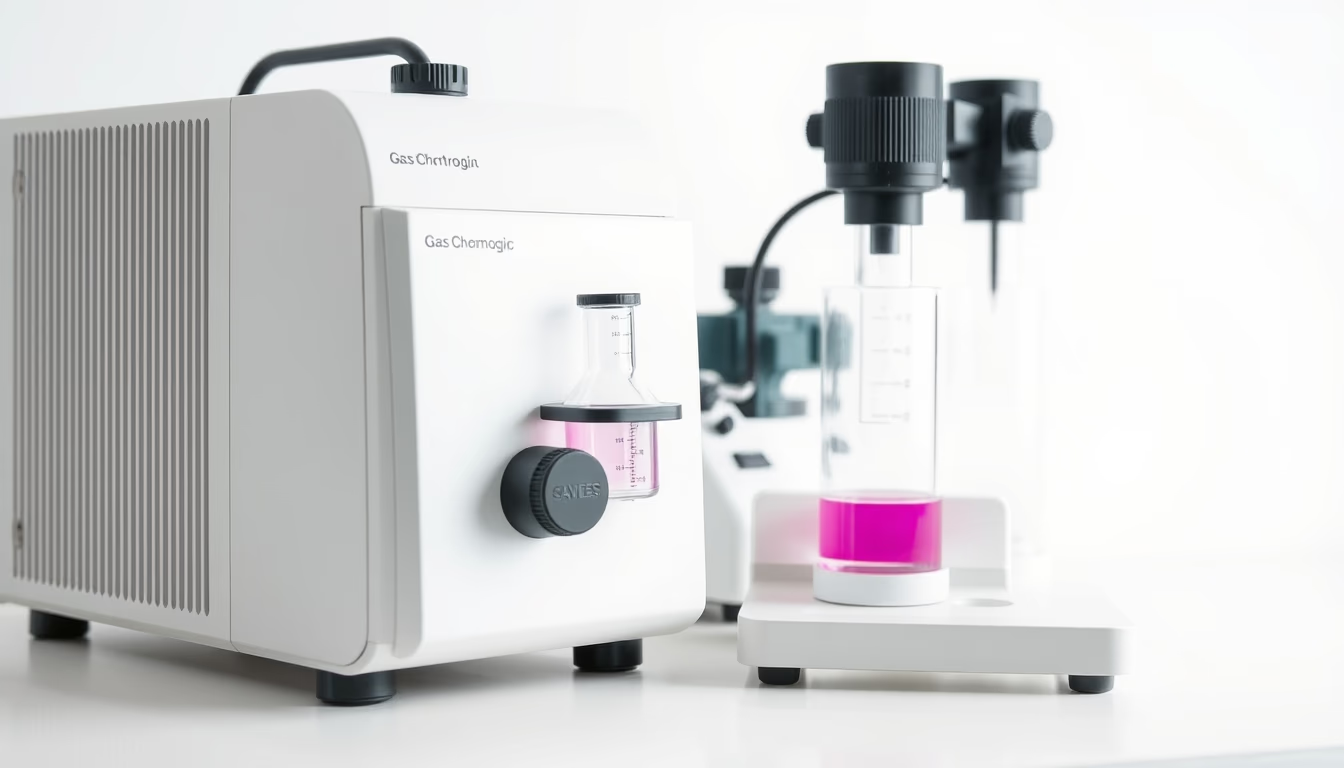
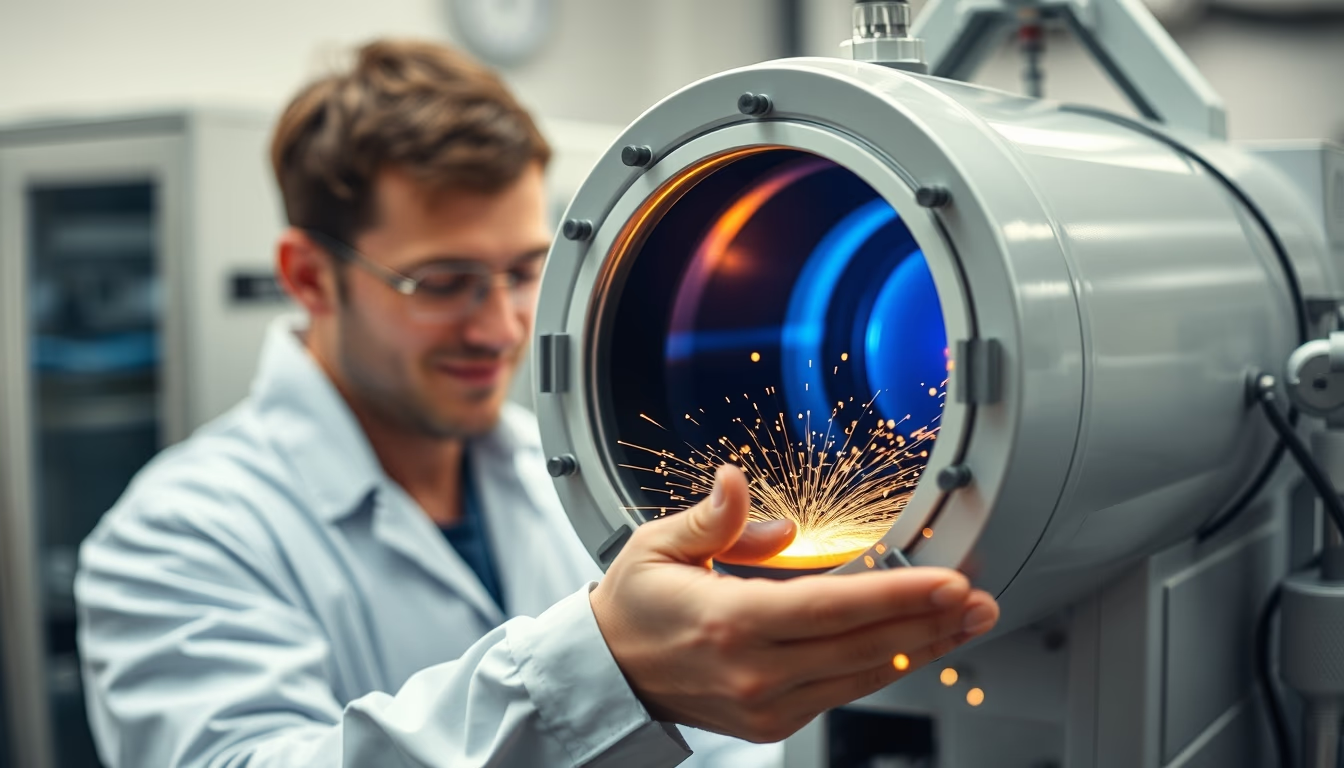
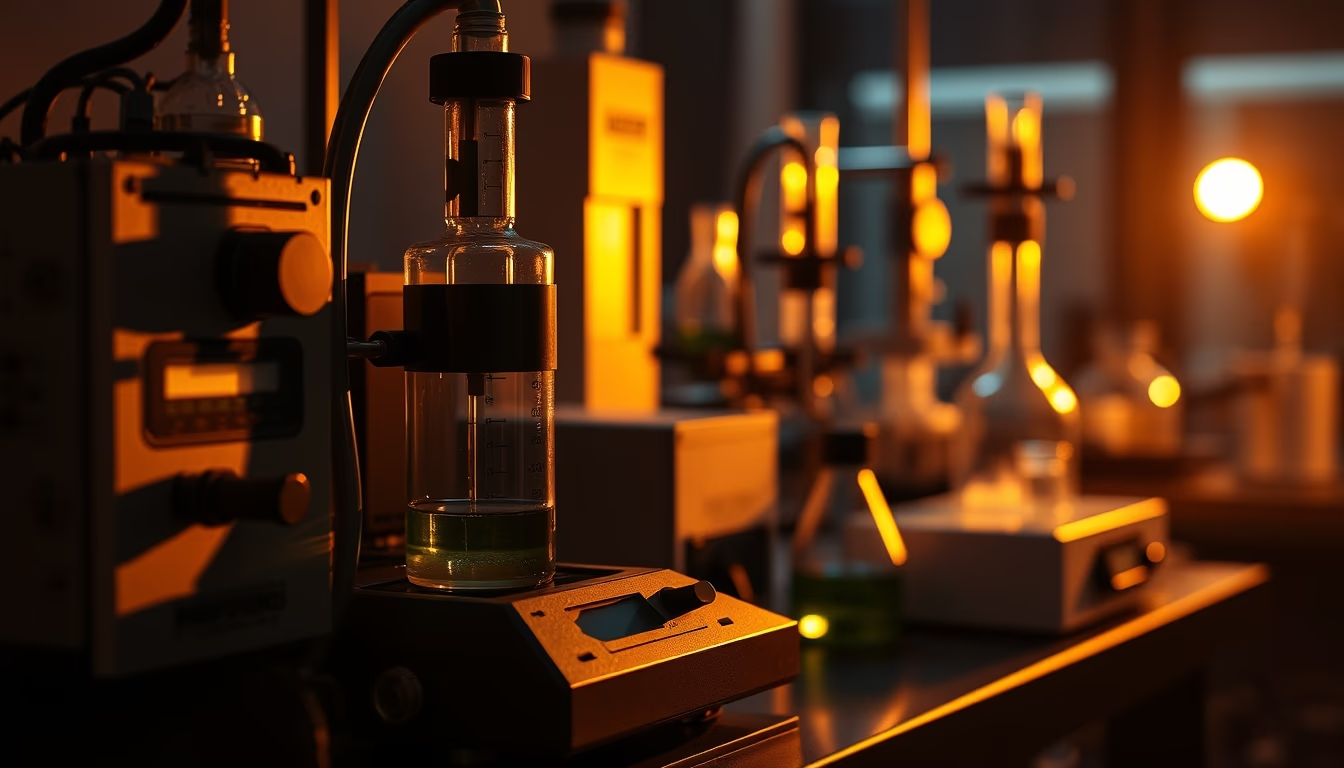
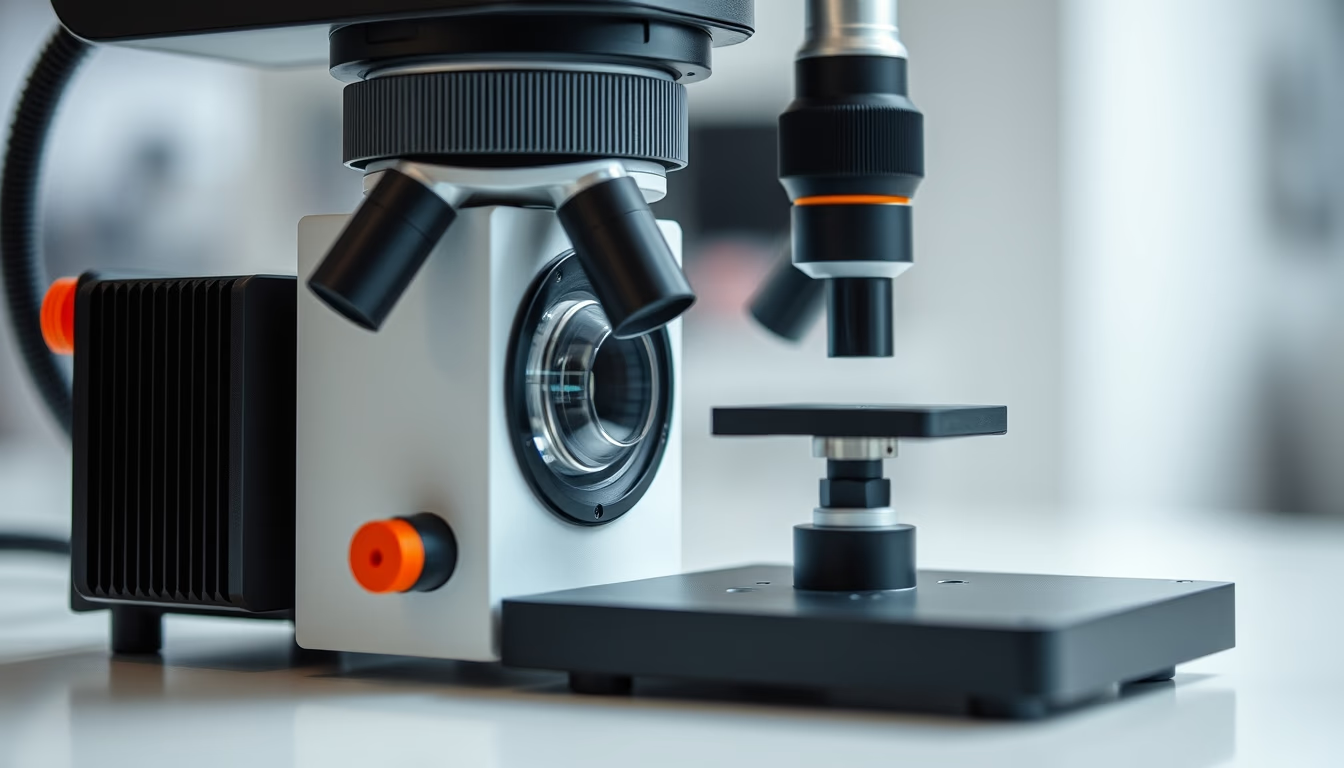
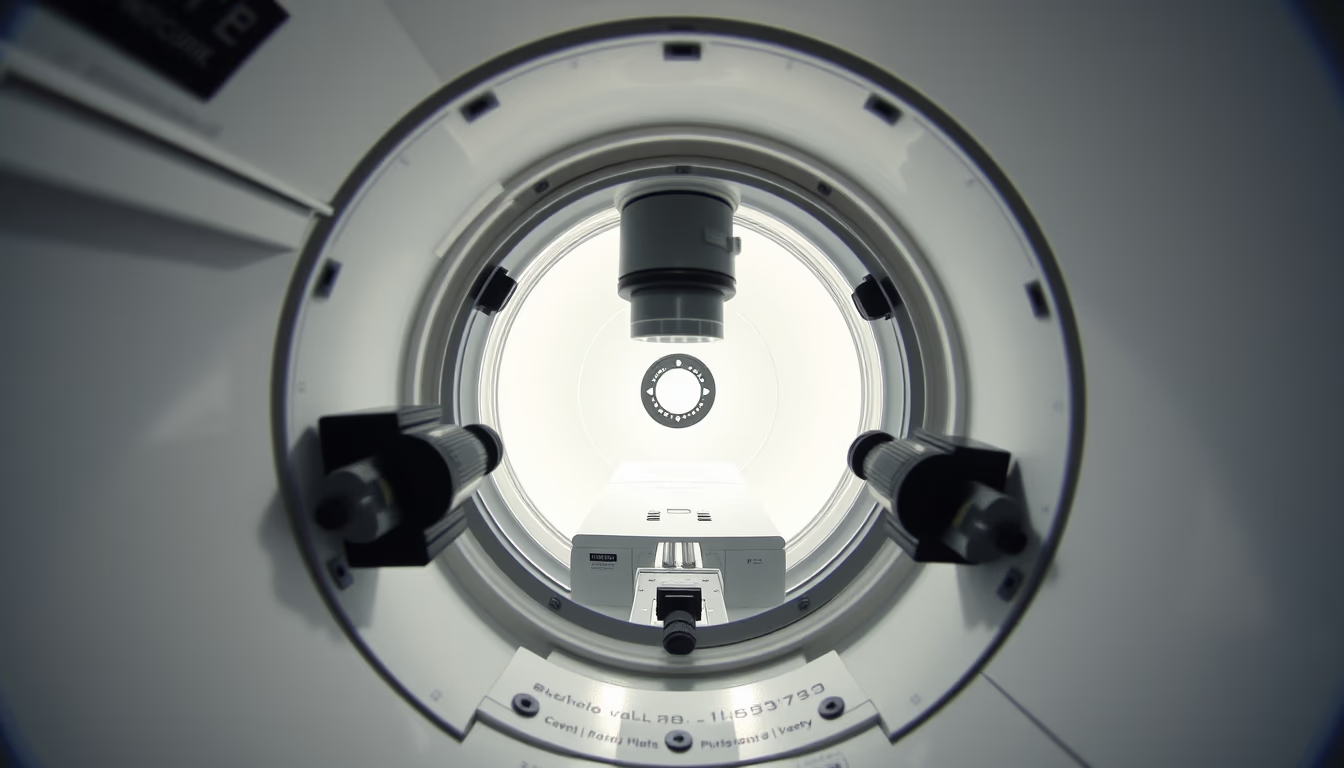
A gas chromatograph is an analytical instrument that separates and identifies volatile components in samples, essential in chemistry laboratories.
About this subject
A gas chromatograph (GC) is a fundamental analytical instrument in chemistry, used to separate and quantify compounds in a gaseous or vaporizable sample. The principle involves partitioning analytes between a gaseous mobile phase (carrier gas such as helium or nitrogen) and a stationary liquid or solid phase inside a capillary column. As the sample is injected and heated, components travel through the column at different speeds, resulting in distinct retention times that allow identification.
The technique is widely applied in pharmaceutical quality control, environmental analysis, food safety, and petrochemicals. For instance, GC is used to detect pesticides in food, monitor air pollutants, or analyze fuel composition. Sensitivity and resolution can be enhanced with detectors like flame ionization detectors (FID) or mass spectrometers (GC-MS).
Historically, the first gas chromatograph was developed in the 1950s by James and Martin, who received the Nobel Prize in Chemistry in 1952 for their contributions to chromatography. Since then, significant advances have been made in columns, injectors, and data analysis software. Modern instruments, like the one depicted, offer full automation, precise temperature control, and integration with spectral libraries.
A notable fact: gas chromatography can be coupled with mass spectrometry (GC-MS) to identify unknown compounds via fragmentation patterns, making it indispensable in forensic and research laboratories.
Frequently Asked Questions
What is a gas chromatograph used for?
It separates, identifies, and quantifies volatile components in samples. It is used in food, pharmaceutical, fuel, and environmental analysis.
What is the difference between gas chromatography and liquid chromatography?
Gas chromatography uses a gaseous mobile phase, suitable for volatile and thermally stable compounds. Liquid chromatography (HPLC) is for non-volatile or heat-sensitive compounds.
What does GC-MS stand for?
GC-MS stands for gas chromatography-mass spectrometry, a technique that combines chromatographic separation with mass-based molecular identification.
Direct URL
https://pub-c7d6a6ea828543ac903a74a341ccb2e1.r2.dev/imagens/gas-chromatograph-commercial-product-photography-fresh6.avifHow to credit
Include a visible link back to UtilizAí. Copy one of the snippets below:
<a href="https://xn--utiliza-eza.com/en/midia/imagens/gas-chromatograph-commercial-product-photography-fresh6">Gas chromatograph</a> by <a href="https://xn--utiliza-eza.com">UtilizAí</a>, licensed under <a href="https://creativecommons.org/licenses/by/4.0/">CC BY 4.0</a>.
[Gas chromatograph](https://xn--utiliza-eza.com/en/midia/imagens/gas-chromatograph-commercial-product-photography-fresh6) by [UtilizAí](https://xn--utiliza-eza.com), CC BY 4.0
License: CC-BY-4.0