Frog skin texture macro
1344×768 · AVIF · CC BY 4.0
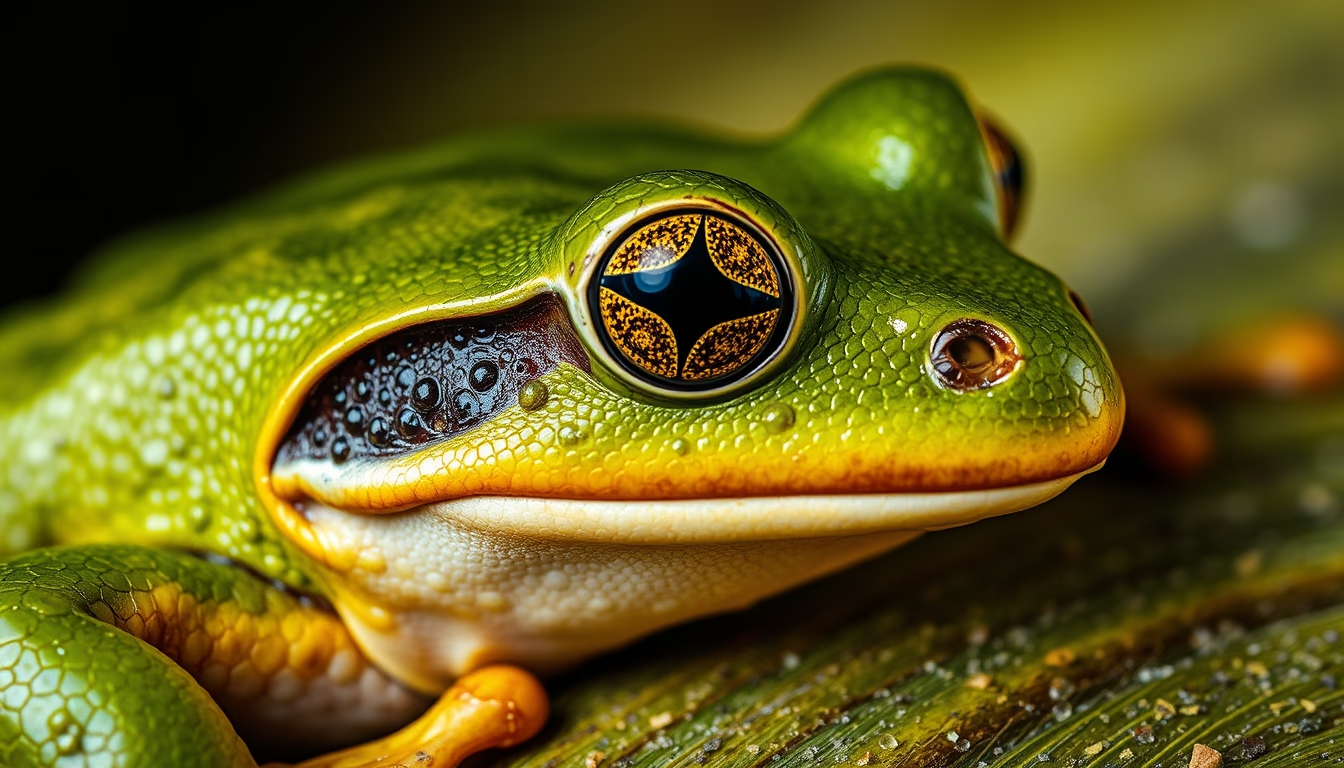
Frog skin texture reveals unique patterns and reliefs, resulting from evolutionary adaptations for respiration and camouflage.
About this subject
Frog skin is a multifunctional organ that goes far beyond simple body covering. Unlike human skin, it is thin, permeable, and rich in mucous glands that keep the surface moist, essential for cutaneous respiration, the process by which amphibians absorb oxygen directly through their skin. This moisture also facilitates gas exchange and helps with water regulation. In terms of texture, the skin can be smooth, granular, or warty, depending on the species and habitat. The bumps and ridges, often mistaken for warts, are actually glands that secrete defensive substances like toxins to ward off predators.
Frog skin patterns are equally remarkable. Specialized pigment cells, chromatophores, produce colors and designs ranging from vibrant green to earthy brown, often with irregular spots or wavy lines. This diversity serves primarily for camouflage, allowing the animal to blend into leaves, bark, or soil. Some species, such as poison dart frogs, exhibit warning colors (aposematism) to signal toxicity. The texture and coloration are so unique that they have inspired designers and scientists: fabric prints, non-slip coatings, and self-cleaning surfaces have all been based on observations of amphibian skin.
Interestingly, the rough texture of certain frogs is not merely visual; it also plays a sensory role. The protrusions and grooves increase surface area, improving water absorption and tactile perception of the environment. In nocturnal species, the skin may feature microcrystals that reflect light, aiding vision in low light. In contemporary high fashion design, frog skin, without using the animal itself, has become a reference for tactile and visual textures, exploring organic reliefs that mimic nature sustainably.
Frequently Asked Questions
Why is frog skin moist and slippery?
The moisture comes from mucous glands that keep the skin hydrated for cutaneous respiration, frogs absorb oxygen through their skin. This mucus layer also protects against pathogens and aids locomotion.
Are warts on frogs dangerous?
No, the bumps on frog skin are not true warts. They are granular glands that secrete toxins or irritants for defense. In humans, contact with some species may cause irritation, but not warts.
How does frog skin texture inspire fashion design?
High-fashion designers draw inspiration from the organic patterns, reliefs, and colors of frog skin to create fabrics and textures that mimic nature. This biomimicry allows sustainable innovations, such as tactile prints and coatings that replicate the non-slip and self-cleaning properties observed in amphibians.
Direct URL
https://pub-c7d6a6ea828543ac903a74a341ccb2e1.r2.dev/imagens/frog-skin-texture-macro-high-fashion-editorial-p1.avifHow to credit
Include a visible link back to UtilizAí. Copy one of the snippets below:
<a href="https://xn--utiliza-eza.com/en/midia/imagens/frog-skin-texture-macro-high-fashion-editorial-p1">Frog skin texture macro</a> by <a href="https://xn--utiliza-eza.com">UtilizAí</a>, licensed under <a href="https://creativecommons.org/licenses/by/4.0/">CC BY 4.0</a>.
[Frog skin texture macro](https://xn--utiliza-eza.com/en/midia/imagens/frog-skin-texture-macro-high-fashion-editorial-p1) by [UtilizAí](https://xn--utiliza-eza.com), CC BY 4.0
License: CC-BY-4.0