Frog skin texture macro
1344×768 · AVIF · CC BY 4.0
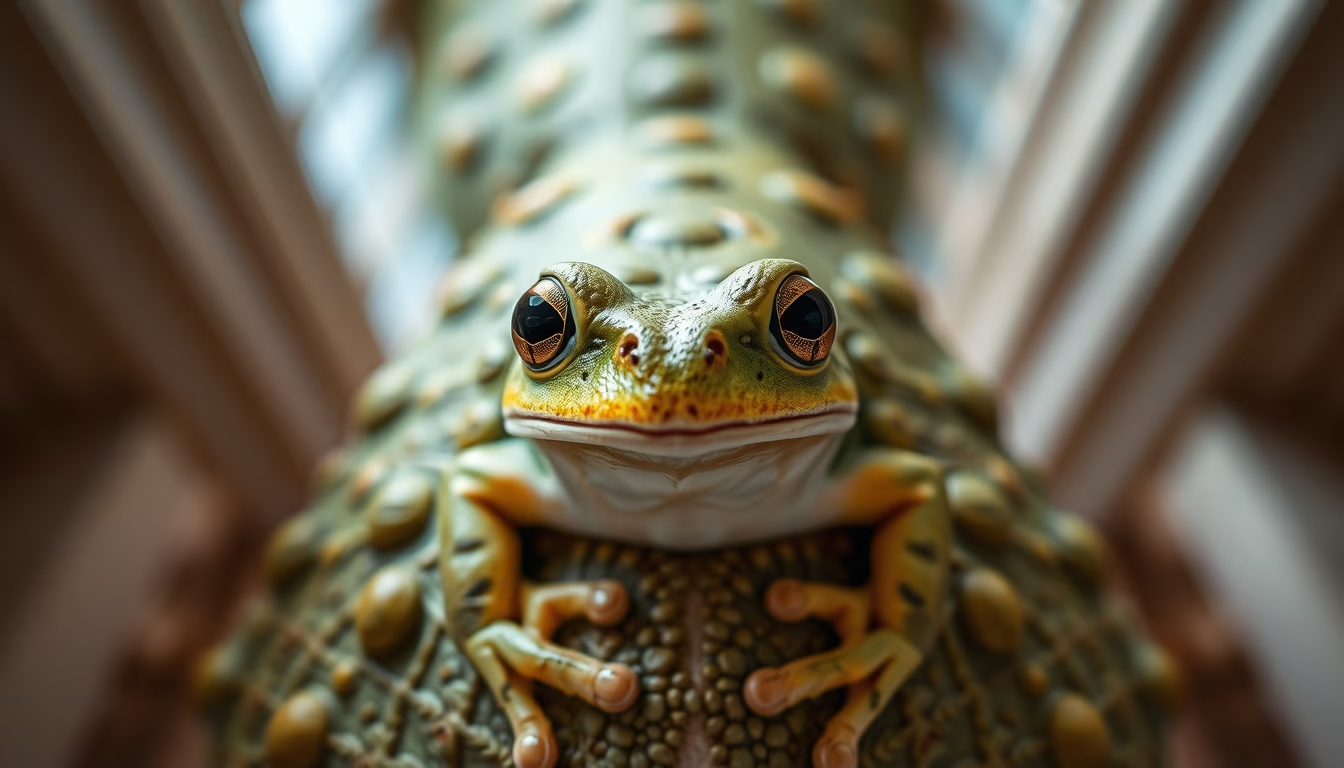
The texture of frog skin reveals unique patterns of biological adaptation, combining vibrant colors and microstructures that inspire technological innovations.
About this subject
The skin of amphibians, especially frogs, is one of the most versatile tissues in nature. Unlike mammalian skin, frog skin is permeable and plays a crucial role in cutaneous respiration, hydration, and defense against pathogens. Its surface is composed of epidermal cells that secrete mucus, keeping the skin moist and facilitating gas exchange. This mucous layer also contains antimicrobial peptides, such as magainins discovered in the African clawed frog (Xenopus laevis), which combat bacteria and fungi.
Frog skin colors and patterns are produced by specialized cells called chromatophores. They are organized in layers: xanthophores (yellow/red), iridophores (blue/green reflection), and melanophores (black/brown). This combination enables mimicry, camouflage, and toxicity signaling. For instance, poison dart frogs (Dendrobatidae) display bright colors that warn predators of their toxicity, while frogs in shaded environments have cryptic tones.
On a macroscopic scale, the roughness and protrusions of frog skin form patterns reminiscent of architectural textures. These microstructures influence adhesion, hydrophobicity, and self-cleaning properties. Biomimetic studies have replicated these surfaces to create coatings that repel water and dirt, inspired by the skin of frogs living in humid areas. The combination of aesthetics and functionality makes frog skin texture a fascinating subject for both biologists and designers.
Frequently Asked Questions
Why is frog skin slippery?
Frog skin produces mucus to keep it moist, crucial for cutaneous respiration. This slimy layer also helps them escape from predators.
How are frog skin colors formed?
Colors are produced by chromatophores, pigment cells that reflect light. Layers of yellow, blue, and black combine to create vibrant patterns.
Does frog skin texture inspire technologies?
Yes, the hydrophobicity and self-cleaning properties of frog skin inspire biomimetic surfaces, such as water-repellent coatings used in architecture and electronics.
Direct URL
https://pub-c7d6a6ea828543ac903a74a341ccb2e1.r2.dev/imagens/frog-skin-texture-macro-architectural-photography-p2.avifHow to credit
Include a visible link back to UtilizAí. Copy one of the snippets below:
<a href="https://xn--utiliza-eza.com/en/midia/imagens/frog-skin-texture-macro-architectural-photography-p2">Frog skin texture macro</a> by <a href="https://xn--utiliza-eza.com">UtilizAí</a>, licensed under <a href="https://creativecommons.org/licenses/by/4.0/">CC BY 4.0</a>.
[Frog skin texture macro](https://xn--utiliza-eza.com/en/midia/imagens/frog-skin-texture-macro-architectural-photography-p2) by [UtilizAí](https://xn--utiliza-eza.com), CC BY 4.0
License: CC-BY-4.0