Fountain pen calligraphy
1344×768 · AVIF · CC BY 4.0
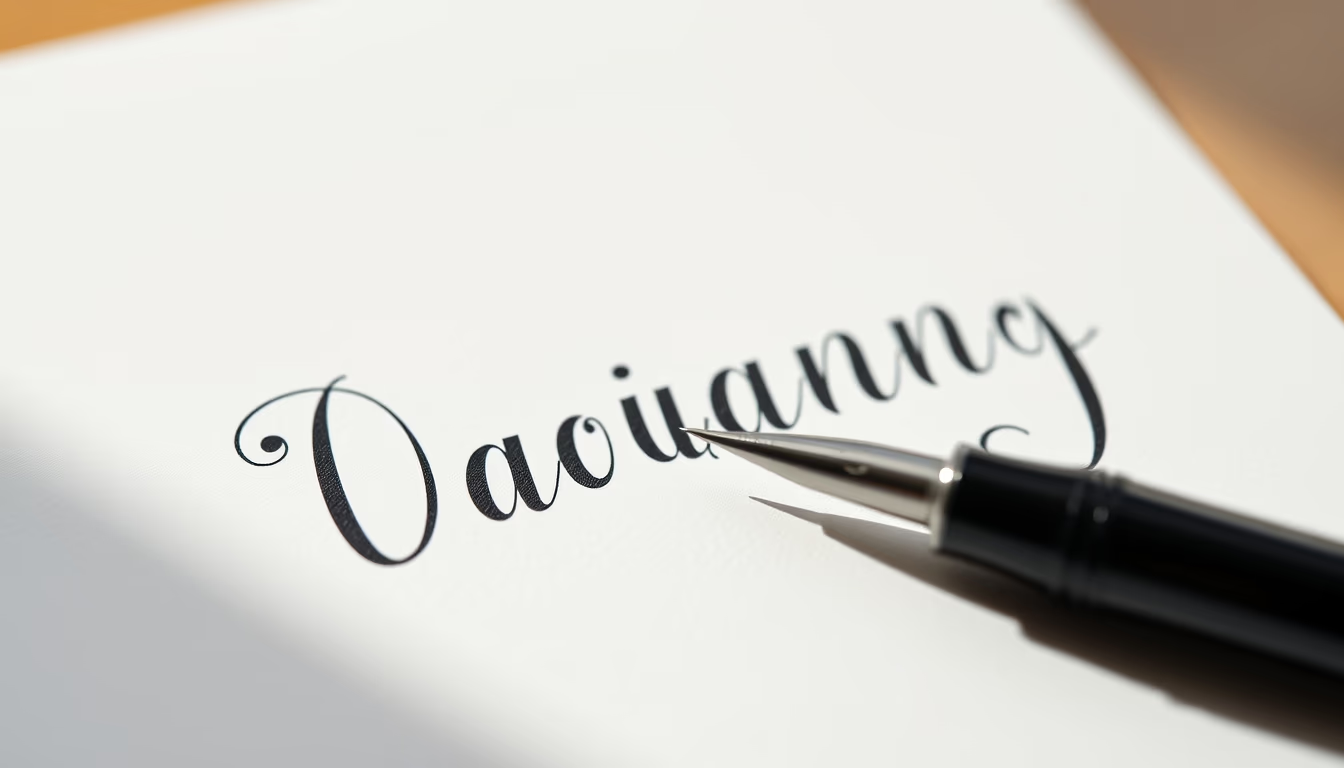
Fountain pen calligraphy is the art of handwriting using ink-filled pens, combining technique, pressure, and angle to create elegant and expressive letters.
About this subject
Fountain pen calligraphy dates back to the 19th century, when Lewis Waterman patented the first reliable fountain pen in 1884. Before that, scribes used bird feathers and natural pigment inks. The fountain pen revolutionized writing by eliminating constant dipping, providing a continuous ink flow. Over time, different nib types emerged, from flexible nibs for copperplate calligraphy to rigid nibs for everyday writing.
Practicing calligraphy with a fountain pen is both functional and artistic. Techniques such as Italic, Copperplate, and Spencerian require precise pressure control to create thick and thin strokes. The pen angle relative to the paper, usually between 45 and 60 degrees, determines letter shapes. Ink choice also matters: pigment-based or dye-based inks with different viscosities and drying times affect contrast and sheen.
In Brazil, fountain pen calligraphy has a niche of enthusiasts who value handwriting as personal expression and resistance to digitization. Specialized stores and collector clubs promote meetings for sharing experiences and preserving historical pieces. Global brands like Montblanc, Pelikan, and Parker are references, but the country also produces handmade pens, such as those from the national brand Crown, combining materials like acrylic resin and precious metals.
Interestingly, fountain pens remain relevant in formal and creative contexts. Many contemporary artists use special inks, such as shimmering ones or those that change color with humidity. Calligraphy with a fountain pen is also a meditative practice, requiring focus and patience, contrasting with the speed of digital screens. Beginners are advised to start with medium or fine nibs and use appropriate paper to prevent ink bleeding.
Frequently Asked Questions
What is the difference between a fountain pen and a ballpoint pen?
A fountain pen uses liquid ink that flows through a nib via capillary action, requiring proper angle and pressure. A ballpoint pen uses viscous ink in a cartridge and a ball at the tip to dispense ink, without needing a specific angle.
How to choose a fountain pen for calligraphy?
For beginners, opt for pens with medium (M) or fine (F) nibs and a light body. Affordable and reliable brands include Lamy Safari, Pilot Metropolitan, or Twsbi Eco. Flexible nibs are better for styles like Copperplate but require more control.
What are the most common calligraphy styles?
The main styles are: Copperplate (English cursive with thick-thin contrasts), Spencerian (elegant and flowing, common in 19th-century USA), Italic (based on Renaissance handwriting), and Gothic or Blackletter. Each requires specific practice.
Direct URL
https://pub-c7d6a6ea828543ac903a74a341ccb2e1.r2.dev/imagens/fountain-pen-calligraphy-minimalist-composition-p11.avifHow to credit
Include a visible link back to UtilizAí. Copy one of the snippets below:
<a href="https://xn--utiliza-eza.com/en/midia/imagens/fountain-pen-calligraphy-minimalist-composition-p11">Fountain pen calligraphy</a> by <a href="https://xn--utiliza-eza.com">UtilizAí</a>, licensed under <a href="https://creativecommons.org/licenses/by/4.0/">CC BY 4.0</a>.
[Fountain pen calligraphy](https://xn--utiliza-eza.com/en/midia/imagens/fountain-pen-calligraphy-minimalist-composition-p11) by [UtilizAí](https://xn--utiliza-eza.com), CC BY 4.0
License: CC-BY-4.0