Feather barbs closeup
1344×768 · AVIF · CC BY 4.0
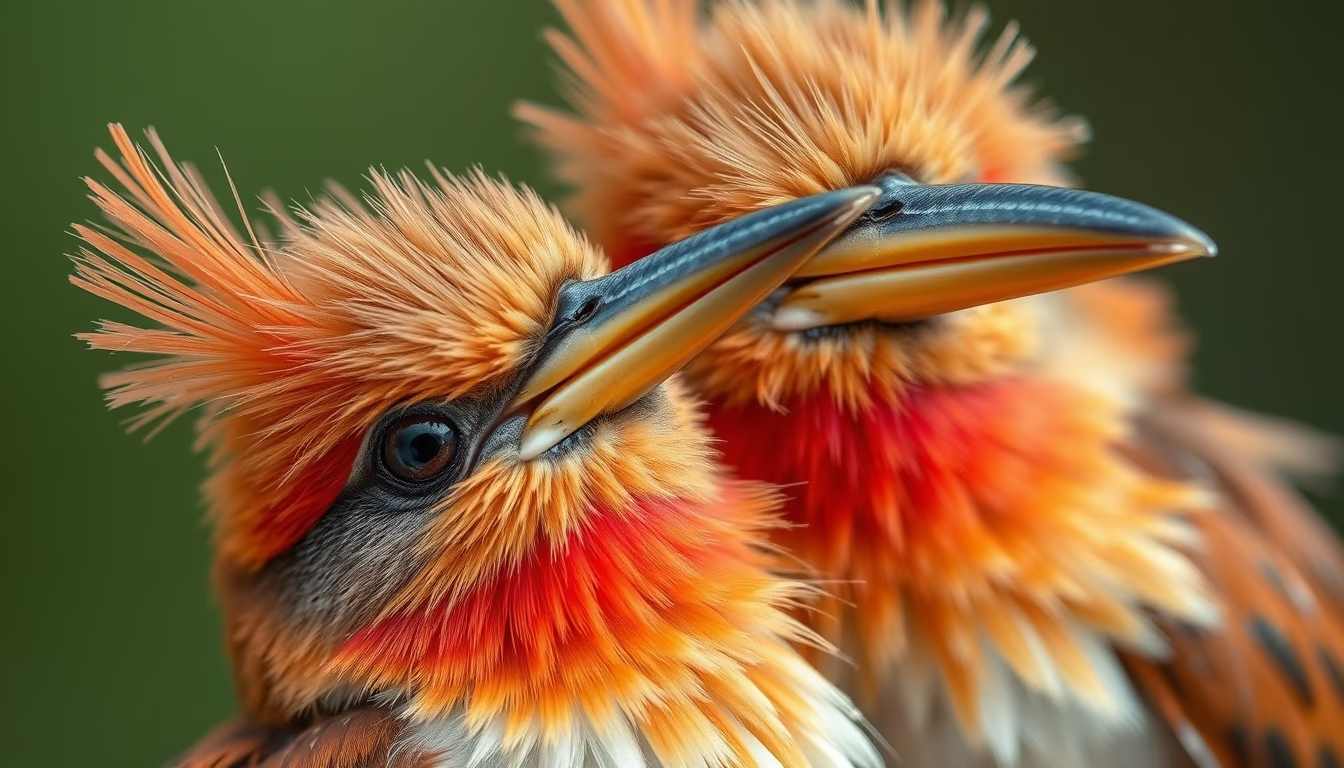
Close-up macro photograph of feather barbs reveals the complex structure that enables flight, insulation, and waterproofing in birds.
About this subject
Feathers are integumentary structures unique to birds, composed of keratin, the same protein found in human hair and nails. Each feather consists of a central shaft (rachis) from which barbs branch out, further subdivided into barbules. These barbules have microscopic hooks that interlock like a zipper, giving the feather rigidity and shape. This architecture is essential for flight, creating an aerodynamic surface that generates lift and thrust. The precise arrangement of barbs also confers waterproofing, as aligned feathers repel water, keeping the bird dry. Moreover, feathers act as thermal insulators, trapping air between barbs to retain body heat, crucial in cold environments. The diversity of colors and patterns, produced by pigments or structural coloration, plays roles in camouflage, communication, and sexual selection. The study of feathers has led to technological innovations, such as Velcro and aerodynamic materials inspired by their structure. In macro photography, details like barbs and barbules are magnified, revealing a world of biological complexity often invisible to the naked eye.
Frequently Asked Questions
What are the barbs of a feather?
Barbs are lateral branches that extend from the central shaft (rachis) of a feather. They further divide into barbules, which have microscopic hooks that interlock to keep the structure cohesive and functional.
How do feathers become waterproof?
Waterproofing results from the precise alignment of barbs and barbules, creating a smooth surface that deflects water. Additionally, birds spread oil from the uropygial gland over their feathers to enhance water repellency.
Why do feathers have such varied colors?
Colors arise from pigments (e.g., melanins, carotenoids) or from the internal structure of feathers that refracts light. These colors serve purposes such as camouflage, mate attraction, or signaling among birds.
Direct URL
https://pub-c7d6a6ea828543ac903a74a341ccb2e1.r2.dev/imagens/feather-barbs-closeup-national-geographic-style-p3.avifHow to credit
Include a visible link back to UtilizAí. Copy one of the snippets below:
<a href="https://xn--utiliza-eza.com/en/midia/imagens/feather-barbs-closeup-national-geographic-style-p3">Feather barbs closeup</a> by <a href="https://xn--utiliza-eza.com">UtilizAí</a>, licensed under <a href="https://creativecommons.org/licenses/by/4.0/">CC BY 4.0</a>.
[Feather barbs closeup](https://xn--utiliza-eza.com/en/midia/imagens/feather-barbs-closeup-national-geographic-style-p3) by [UtilizAí](https://xn--utiliza-eza.com), CC BY 4.0
License: CC-BY-4.0