Fabric weave closeup
1344×768 · AVIF · CC BY 4.0
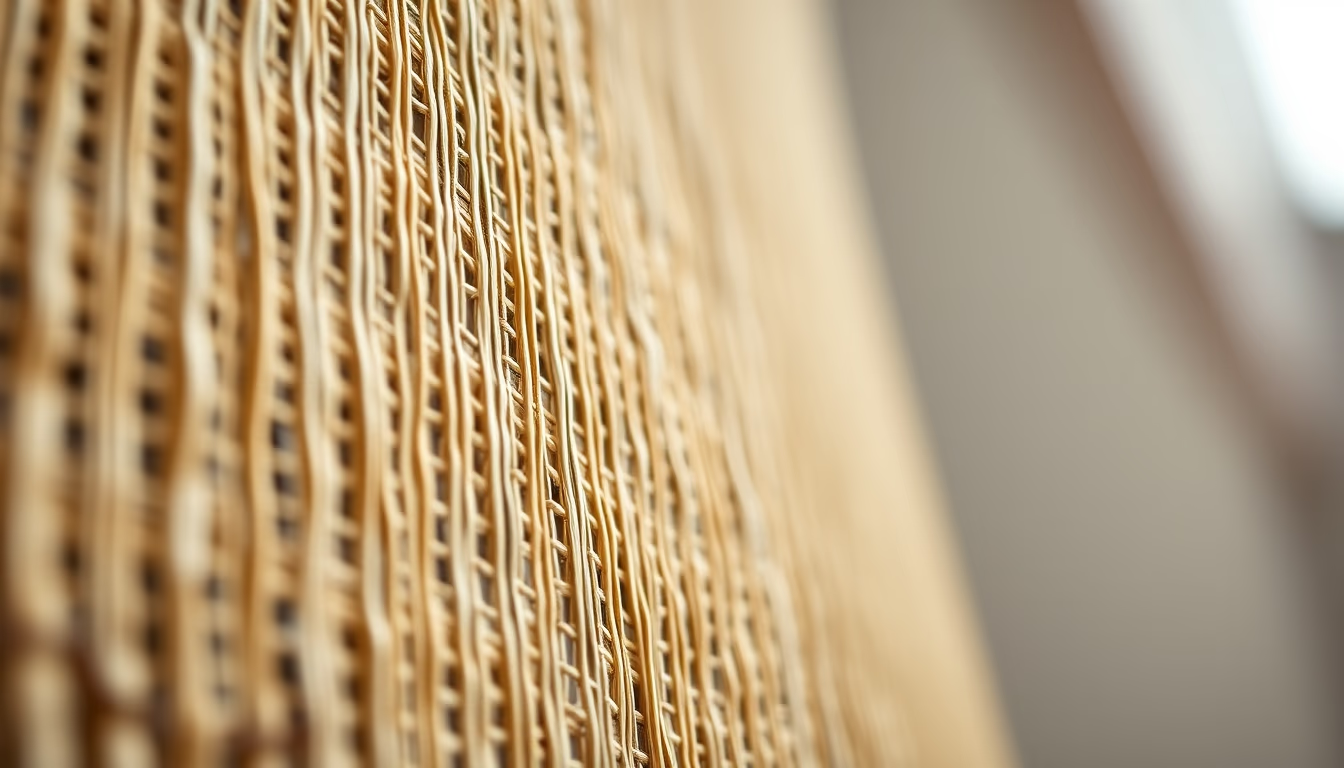
The weave of a fabric reveals its essential structure: the interlacing of yarns that defines strength, texture and drape.
About this subject
The structure of a fabric is defined by its weave type, the pattern by which warp (longitudinal) and weft (transverse) yarns interlace. The three basic types are plain weave, twill and satin. Plain weave, the simplest and most common, alternates one thread over and one under, creating a chessboard pattern. It is used in T-shirts, bedsheets and napkins for its durability and ease of production.
Twill is characterized by visible diagonal lines, resulting from step shifts in the yarn passage. It is typical of denim, drill and uniform fabrics, offering higher tear resistance and better drape. Satin has long floats of yarns on the surface, giving a characteristic shine and soft touch but lower durability; it is common in evening wear and linings.
Beyond basic weaves, there are variations such as jacquard (complex patterns woven by special machines) and knit (which is not a flat weave). Thread count, measured in threads per inch, directly influences fabric weight and transparency. High thread count fabrics, like Egyptian cotton, are softer and more durable.
Historically, the handloom appeared thousands of years ago, but the Industrial Revolution mechanized weaving with Cartwright's power loom and later air-jet looms. Today, the Brazilian textile industry is one of the largest in the world, especially in cotton and knitwear. Knowing weave types helps consumers choose suitable fabrics for clothing, upholstery and more.
Frequently Asked Questions
What is the difference between warp and weft?
Warp threads run lengthwise in the fabric, while weft threads run crosswise. Their interlacing creates the weave structure.
What does 'thread count' mean for fabric?
It is the number of threads per square inch, counting both warp and weft. Higher thread count means denser, softer and more durable fabric, as in high-quality sheets.
Which weave type is the strongest?
Twill weave is generally stronger than plain weave due to its diagonal structure, which distributes stress better. It is used in denim and uniforms.
Direct URL
https://pub-c7d6a6ea828543ac903a74a341ccb2e1.r2.dev/imagens/fabric-weave-closeup-macro-closeup-p3.avifHow to credit
Include a visible link back to UtilizAí. Copy one of the snippets below:
<a href="https://xn--utiliza-eza.com/en/midia/imagens/fabric-weave-closeup-macro-closeup-p3">Fabric weave closeup</a> by <a href="https://xn--utiliza-eza.com">UtilizAí</a>, licensed under <a href="https://creativecommons.org/licenses/by/4.0/">CC BY 4.0</a>.
[Fabric weave closeup](https://xn--utiliza-eza.com/en/midia/imagens/fabric-weave-closeup-macro-closeup-p3) by [UtilizAí](https://xn--utiliza-eza.com), CC BY 4.0
License: CC-BY-4.0