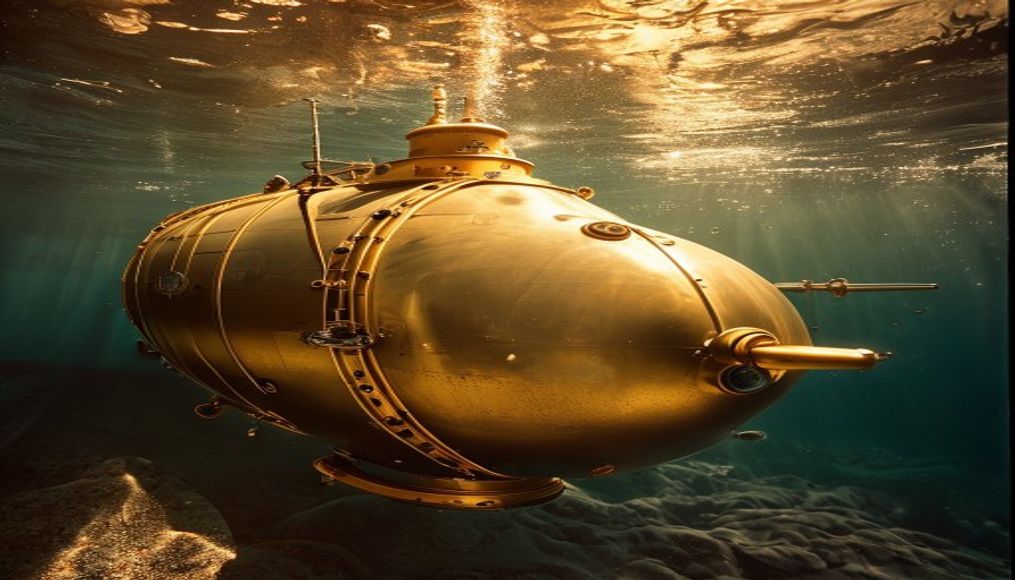
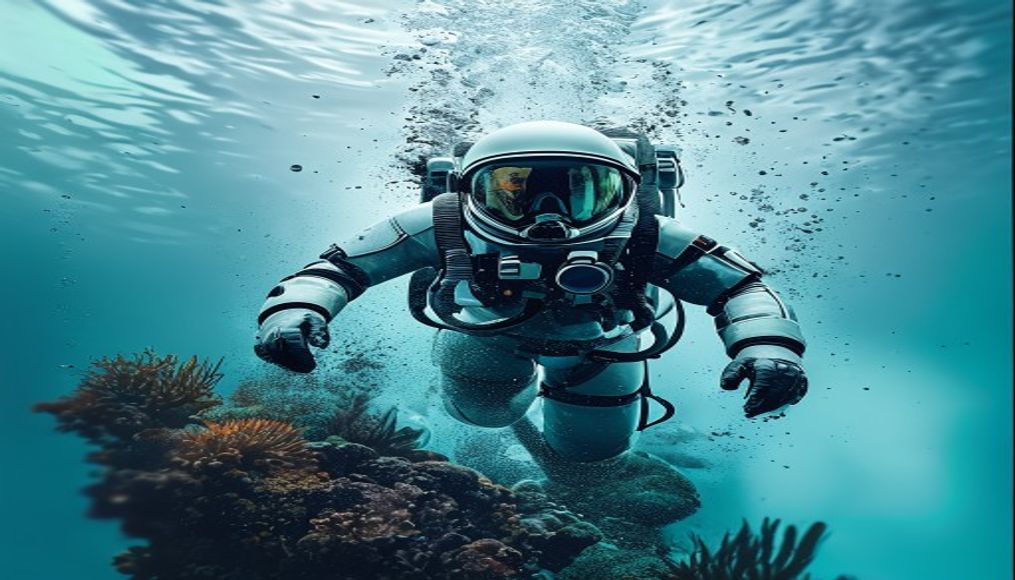
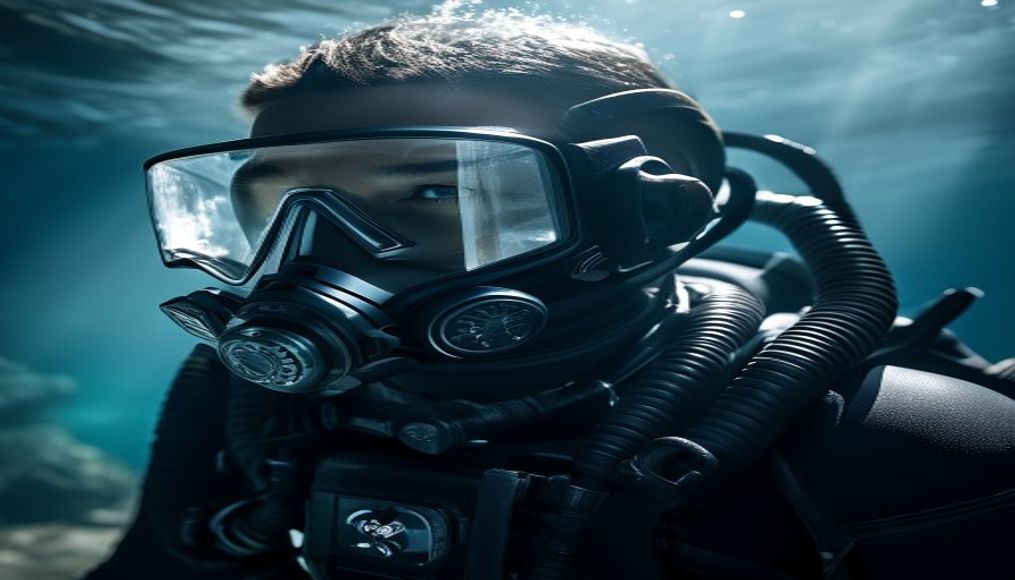
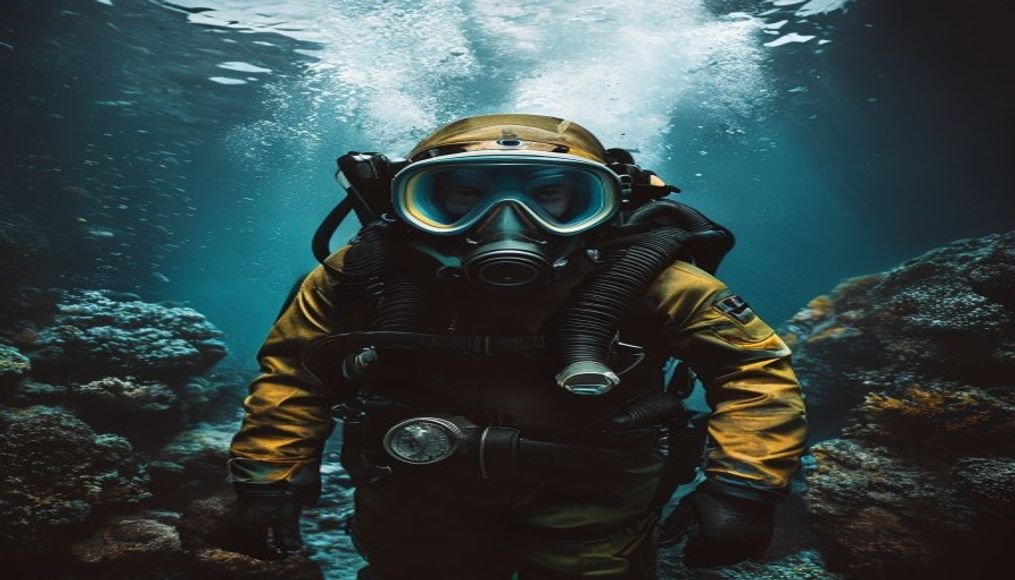
Deep sea diving suit antique
1344×768 · AVIF · CC BY 4.0
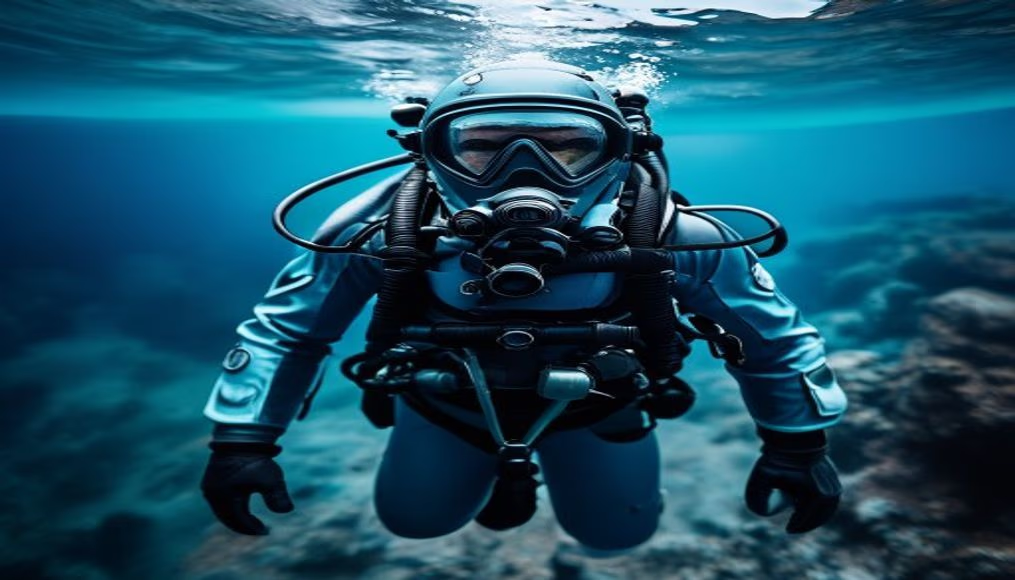
Historical facts and curiosities about the antique deep sea diving suit, pioneering equipment for underwater exploration in the 19th century.
About this subject
Antique deep sea diving suits, also known as hard-hat diving gear, were developed from the 19th century to allow divers to work at great depths. The first practical model was created by Augustus Siebe in 1837, using a copper helmet attached to a waterproof suit, but still dependent on surface air pumping. Later versions, such as Charles Pasley's 1815 design and German and French models from the late 19th century, incorporated rudimentary but revolutionary articulated joints that allowed limited arm and leg movement. These suits were mainly made of copper and brass, materials resistant to pressure and saltwater corrosion.
The use of these suits was crucial for salvage operations, harbor construction, and wreck exploration before the advent of scuba diving. For instance, in 1854, divers using hard-hat suits recovered treasures from the HMS Royal George, sunk in 1782. Internal pressure was maintained at atmospheric level, limiting maximum depth to about 60 meters due to risks of nitrogen narcosis and decompression accidents, problems that divers of the era faced without monitoring technology.
Interestingly, the antique diving suit inspired pop culture, appearing in films like 20,000 Leagues Under the Sea (1954) and science fiction works. Today, they are museum pieces, but they represent a milestone in pressure equipment engineering. Many original examples are preserved at institutions like the Natural History Museum in London and the Smithsonian Institution in the USA. The average weight of these suits, including lead shoes, reached 80 kg, requiring significant physical effort from divers.
Frequently Asked Questions
What was the first functional antique diving suit?
The first functional suit was developed by Augustus Siebe in 1837, known as the Siebe diving dress. It featured a copper helmet attached to a waterproof garment, with air pumped from the surface.
How deep could a hard-hat diving suit descend?
Due to atmospheric internal pressure, the practical limit was about 60 meters (200 feet). Beyond that, divers faced risks of nitrogen narcosis and decompression sickness.
Where can I see original antique diving suits?
Original suits are displayed at museums such as the Smithsonian Institution (USA), the Natural History Museum in London, and the National Maritime Museum in Greenwich.
Direct URL
https://pub-c7d6a6ea828543ac903a74a341ccb2e1.r2.dev/imagens/deep-sea-diving-suit-antique-aerial-drone-shot-p1.avifHow to credit
Include a visible link back to UtilizAí. Copy one of the snippets below:
<a href="https://xn--utiliza-eza.com/en/midia/imagens/deep-sea-diving-suit-antique-aerial-drone-shot-p1">Deep sea diving suit antique</a> by <a href="https://xn--utiliza-eza.com">UtilizAí</a>, licensed under <a href="https://creativecommons.org/licenses/by/4.0/">CC BY 4.0</a>.
[Deep sea diving suit antique](https://xn--utiliza-eza.com/en/midia/imagens/deep-sea-diving-suit-antique-aerial-drone-shot-p1) by [UtilizAí](https://xn--utiliza-eza.com), CC BY 4.0
License: CC-BY-4.0