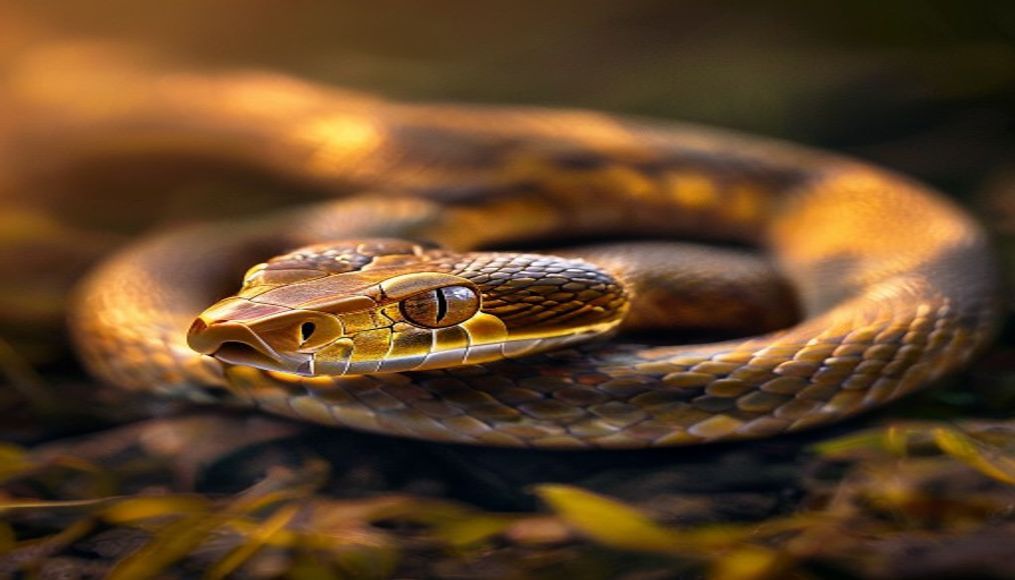
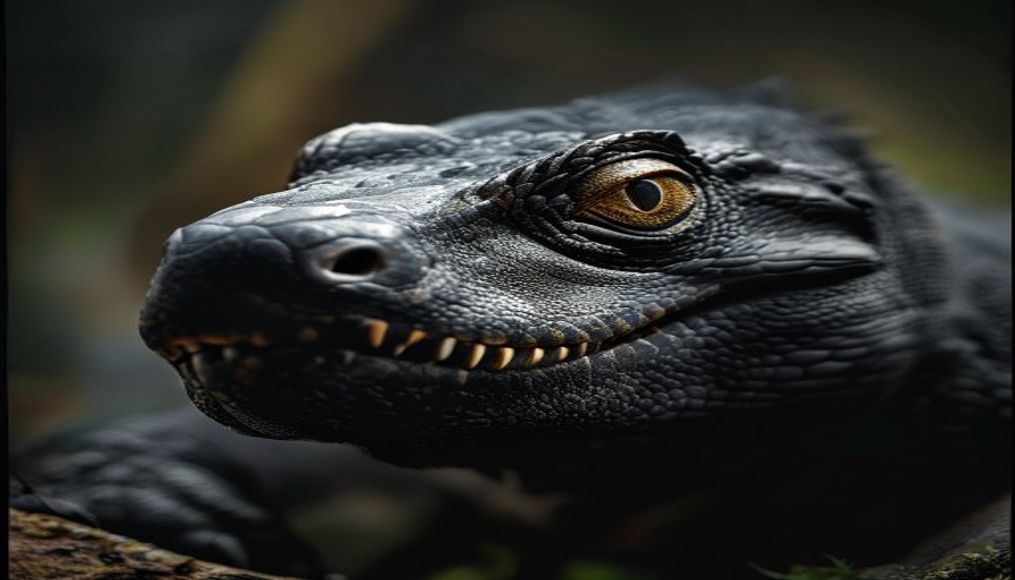
Chameleon color changing
1344×768 · AVIF · CC BY 4.0
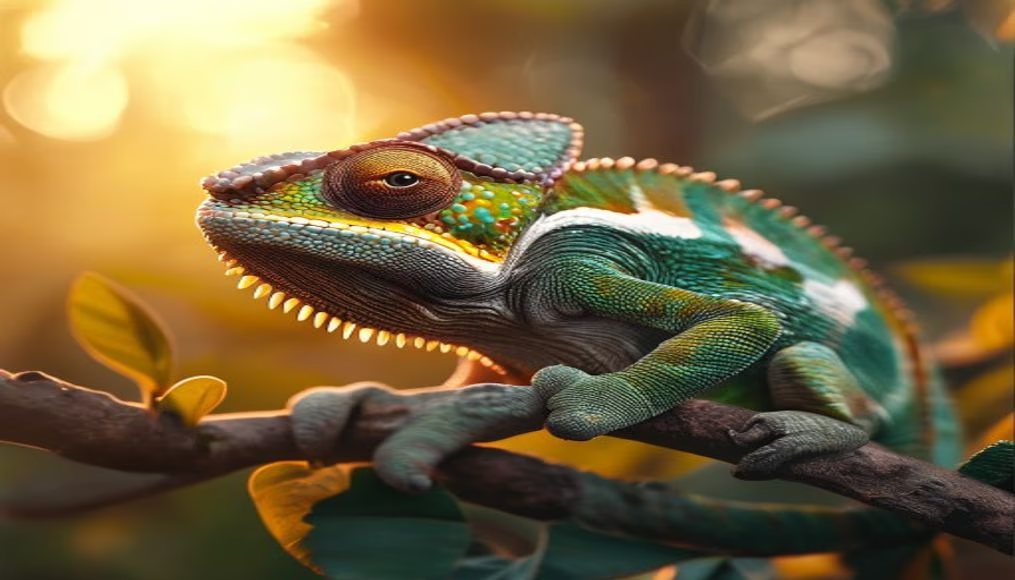
Chameleons change color for communication, thermoregulation, and camouflage, thanks to special skin cells called chromatophores.
About this subject
Chameleons are reptiles in the family Chamaeleonidae, famous for their ability to change color. This skill is not random or solely for camouflage, as commonly believed. Color changes are controlled by the nervous system and occur in response to stimuli such as light, temperature, emotions (stress, aggression, mating), and the presence of other chameleons. The colors can indicate mood or intentions, like vibrant hues during territorial disputes or dark shades when stressed.
The biological mechanism involves layers of skin cells: chromatophores (contain yellow and red pigments), iridophores (reflect blue and white light), and melanophores (responsible for dark tones). By contracting or relaxing these cells, the chameleon adjusts color combinations. Recent studies reveal that guanine crystals in iridophores can rearrange their structure, altering light refraction and producing vivid colors like green, blue, and turquoise, typical of species such as the panther chameleon (Furcifer pardalis) from Madagascar.
Thermoregulation is also key: darker colors absorb more heat, while lighter colors reflect sunlight. In arid regions, chameleons may darken in the morning to warm up faster. Additionally, color changes aid visual communication in dense habitats, as many chameleons live in tropical forests of Africa, southern Europe, and southern Asia. Over 200 species exist, ranging from a few centimeters to almost 70 cm in the Oustalet's chameleon (Furcifer oustaleti).
Interestingly, the speed of change varies: some species take seconds, others minutes. Chameleons have specialized vision adapted to detect movement and color, with eyes that move independently. In popular culture, the chameleon symbolizes adaptability, but color change is just one of many evolutionary specializations, including a sticky tongue up to twice its body length and a prehensile tail.
Frequently Asked Questions
Why do chameleons change color?
They change mainly for social communication, thermoregulation, and camouflage. Color can indicate emotional state or intentions, such as dominance or mating readiness.
Do all chameleons change color in the same way?
No. The ability varies among species: some change rapidly and with a wide range of colors, like the panther chameleon, while others have more subtle or slower changes.
Can chameleons match any background color?
Not exactly. Camouflage is only one reason. They cannot mimic all patterns, but they can blend into natural backgrounds like leaves and bark. Color also depends on internal factors.
Direct URL
https://pub-c7d6a6ea828543ac903a74a341ccb2e1.r2.dev/imagens/chameleon-color-changing-cinematic-wide-shot-p2.avifHow to credit
Include a visible link back to UtilizAí. Copy one of the snippets below:
<a href="https://xn--utiliza-eza.com/en/midia/imagens/chameleon-color-changing-cinematic-wide-shot-p2">Chameleon color changing</a> by <a href="https://xn--utiliza-eza.com">UtilizAí</a>, licensed under <a href="https://creativecommons.org/licenses/by/4.0/">CC BY 4.0</a>.
[Chameleon color changing](https://xn--utiliza-eza.com/en/midia/imagens/chameleon-color-changing-cinematic-wide-shot-p2) by [UtilizAí](https://xn--utiliza-eza.com), CC BY 4.0
License: CC-BY-4.0