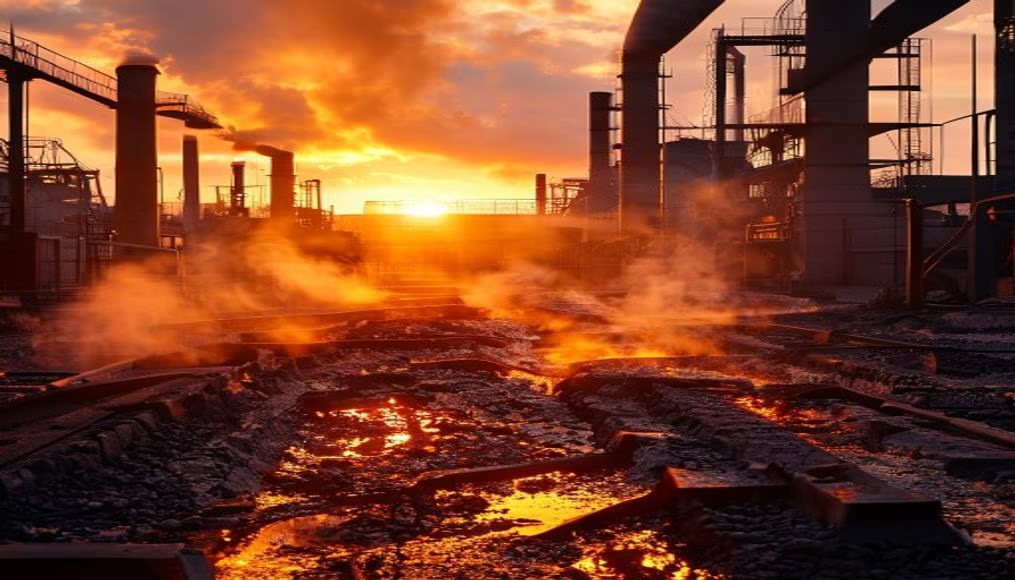
Biomass plant facility
1344×768 · AVIF · CC BY 4.0
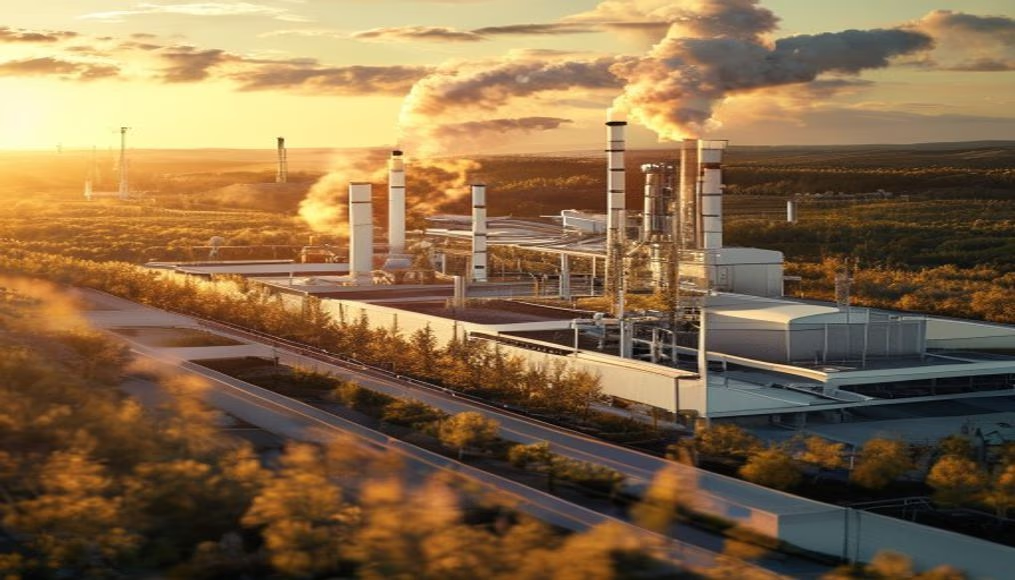
A biomass plant converts organic matter into renewable energy, contributing to a sustainable energy mix.
About this subject
A biomass plant uses organic residues to generate electricity and heat. Fuels can be agricultural, such as sugarcane bagasse and rice husks, forestry, like wood chips, or urban, such as solid waste. The most common process is direct combustion, where biomass burns in boilers to produce steam that drives turbines. More advanced technologies include gasification and pyrolysis, which convert biomass into gas or fuel oil.
In Brazil, biomass plays a strategic role. The country is the world's largest sugarcane producer, and the bagasse generated in sugar-energy plants is burned for cogeneration of electricity and thermal energy. Additionally, biomass thermal power projects in the southern region utilize residues from the timber industry. According to the Brazilian Electricity Regulatory Agency (ANEEL), biomass accounts for approximately 8% of the country's installed electric generation capacity.
A major advantage of biomass is its dispatchability, unlike solar and wind, allowing it to meet peak demand. Burning biomass releases CO2, but this carbon was fixed during plant growth, making the cycle neutral if sustainable replanting occurs. However, logistics of collection and transportation are challenging, and competition with food for arable land requires careful planning.
Globally, biomass accounts for about 10% of primary energy supply. Countries like Germany, Sweden, and the United States invest heavily in modern plants, often integrated with district heating systems. Economic viability depends on incentives and the cost of fossil fuels, but biomass remains a key component of the energy transition.
Frequently Asked Questions
How does a biomass plant work?
A biomass plant burns organic matter (agricultural, forestry, or urban waste) in a boiler to generate steam. This steam drives a turbine connected to a generator, producing electricity. There are also processes like gasification, which converts biomass into combustible gas.
What are the main types of biomass used in Brazil?
The main types are sugarcane bagasse used in sugar-energy plants; rice husks; forestry residues such as wood chips; and municipal solid waste in waste-to-energy plants.
Is biomass truly a renewable source?
Yes, as long as the material is replenished, for example by planting trees for energy use. Burning releases CO2 that was captured during plant growth, creating a neutral cycle. However, sustainability depends on responsible management of the sources.
Direct URL
https://pub-c7d6a6ea828543ac903a74a341ccb2e1.r2.dev/imagens/biomass-plant-facility-travel-photography-v10.avifHow to credit
Include a visible link back to UtilizAí. Copy one of the snippets below:
<a href="https://xn--utiliza-eza.com/en/midia/imagens/biomass-plant-facility-travel-photography-v10">Biomass plant facility</a> by <a href="https://xn--utiliza-eza.com">UtilizAí</a>, licensed under <a href="https://creativecommons.org/licenses/by/4.0/">CC BY 4.0</a>.
[Biomass plant facility](https://xn--utiliza-eza.com/en/midia/imagens/biomass-plant-facility-travel-photography-v10) by [UtilizAí](https://xn--utiliza-eza.com), CC BY 4.0
License: CC-BY-4.0