Zen tea house rural japan
1344×768 · AVIF · CC BY 4.0
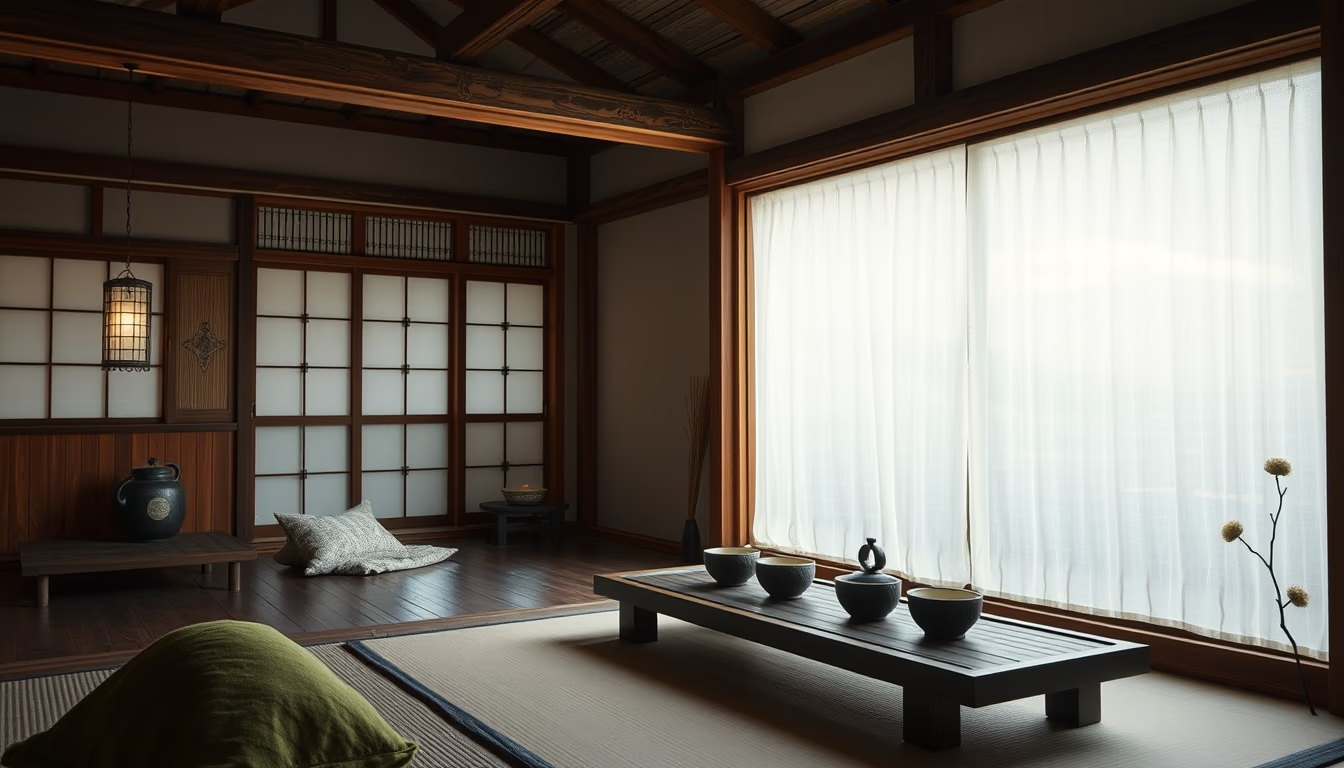
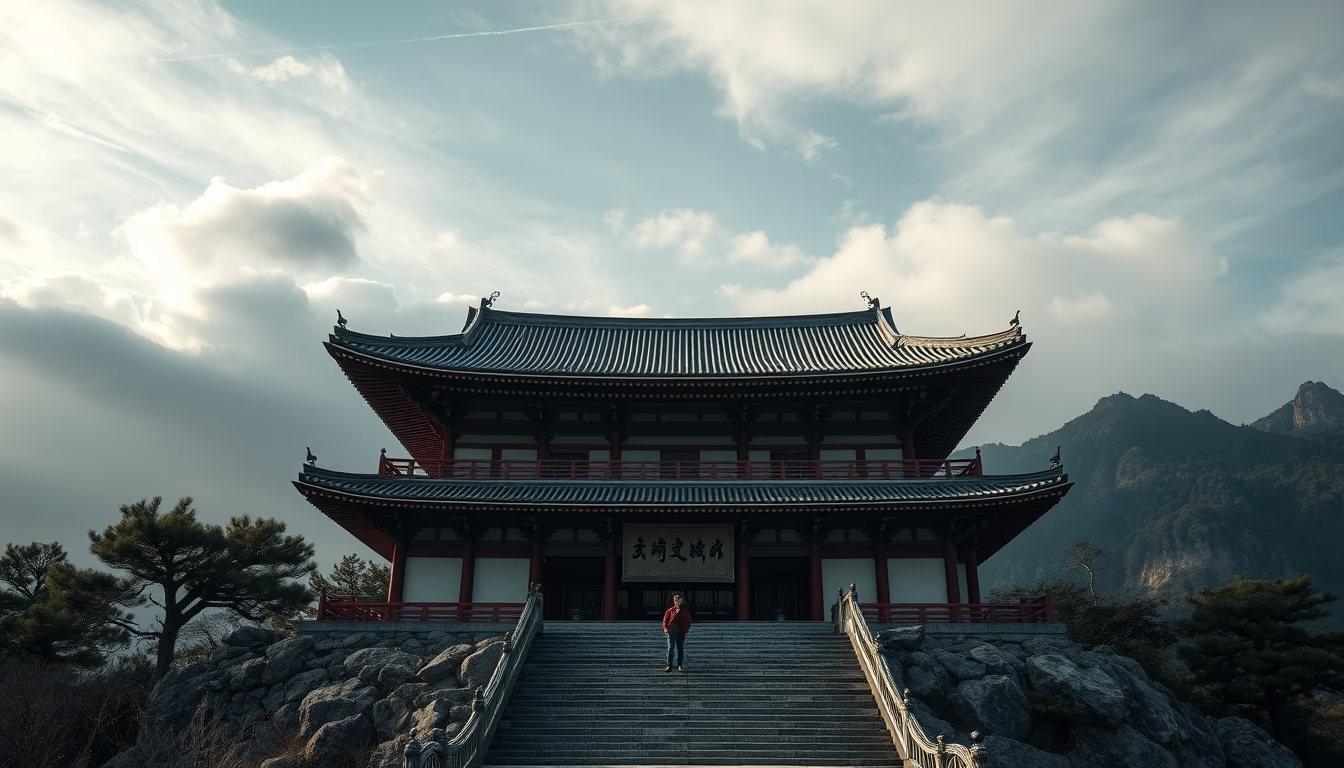
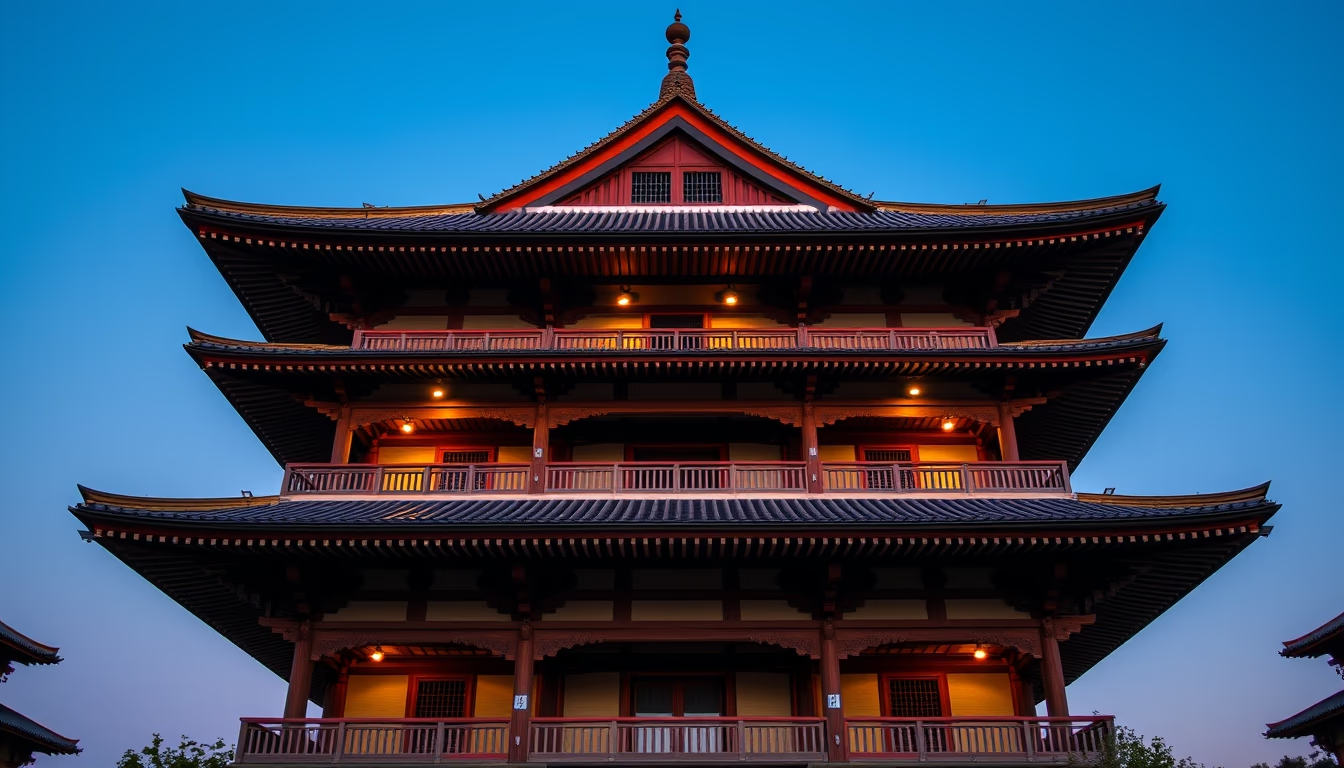
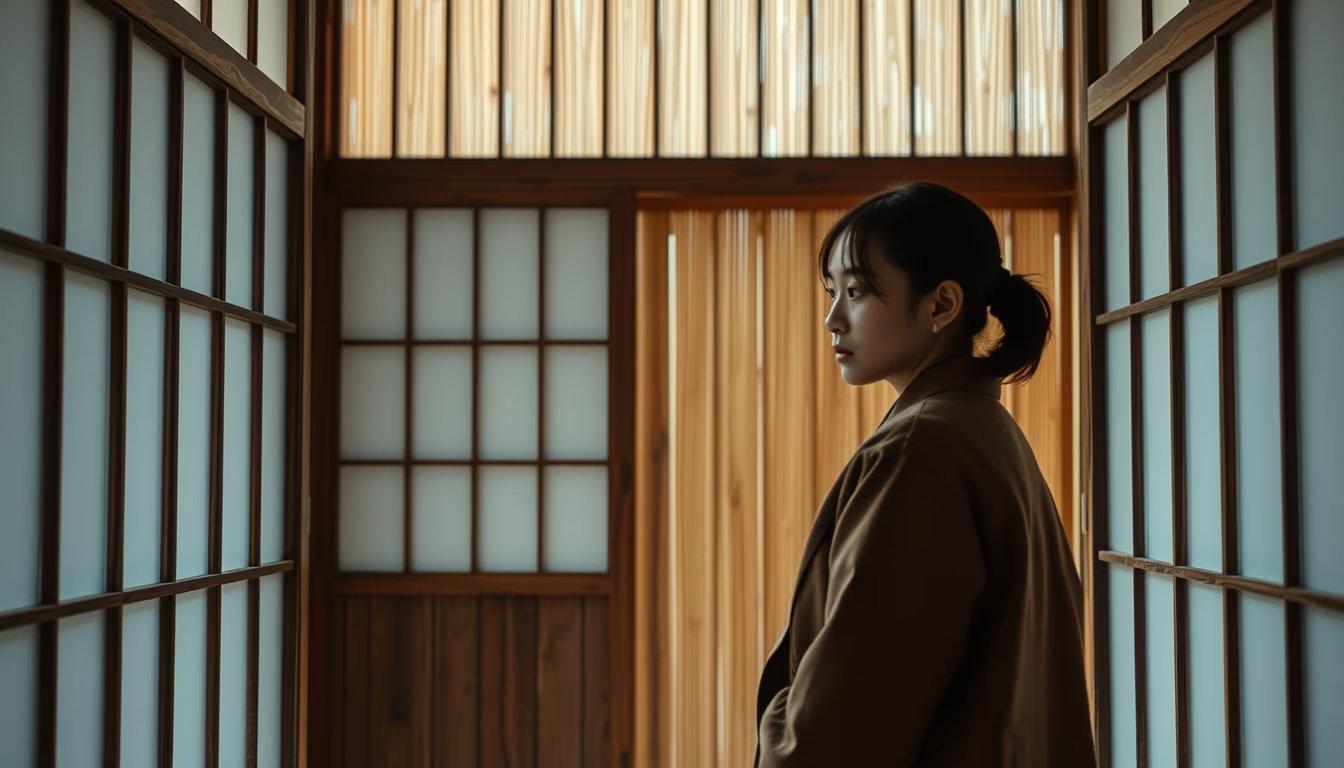
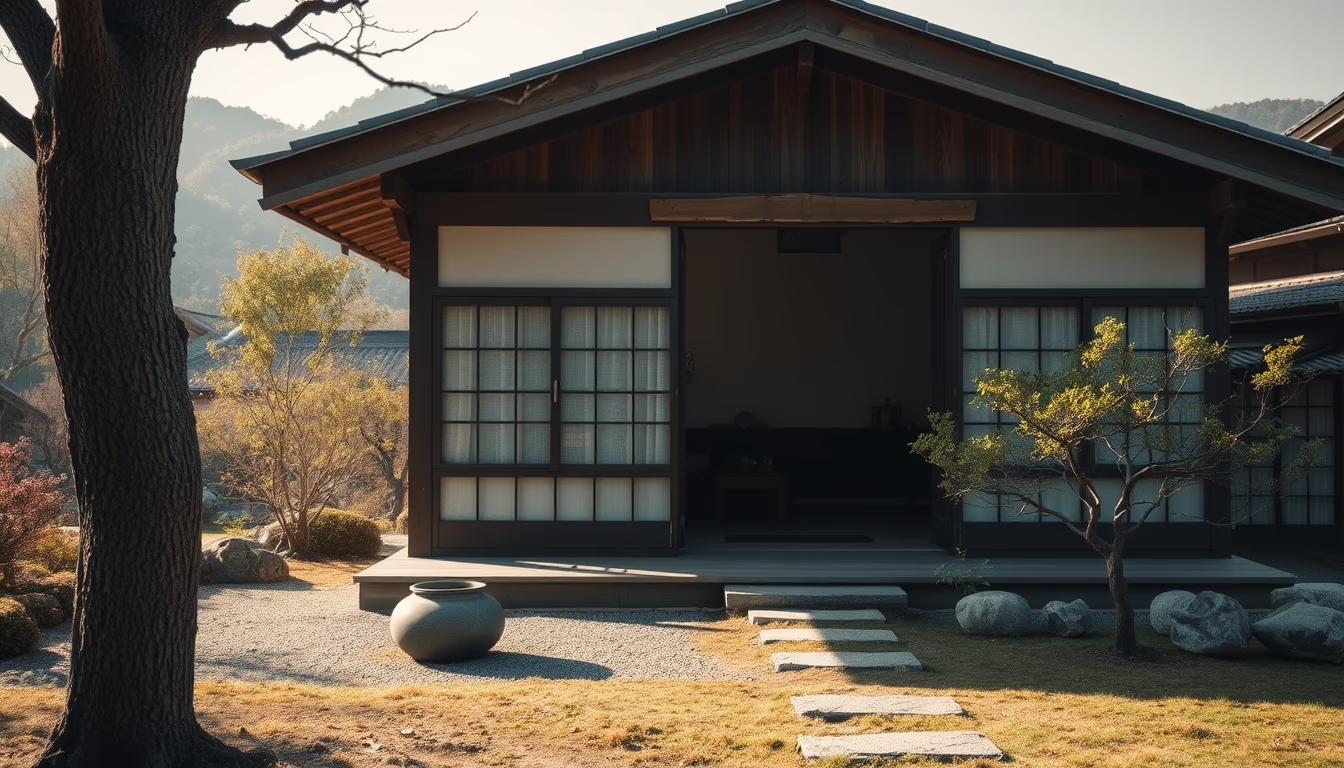
A Zen tea house in rural Japan embodies the fusion of minimalist architecture, tea ceremony, and Buddhist philosophy, in harmony with nature.
About this subject
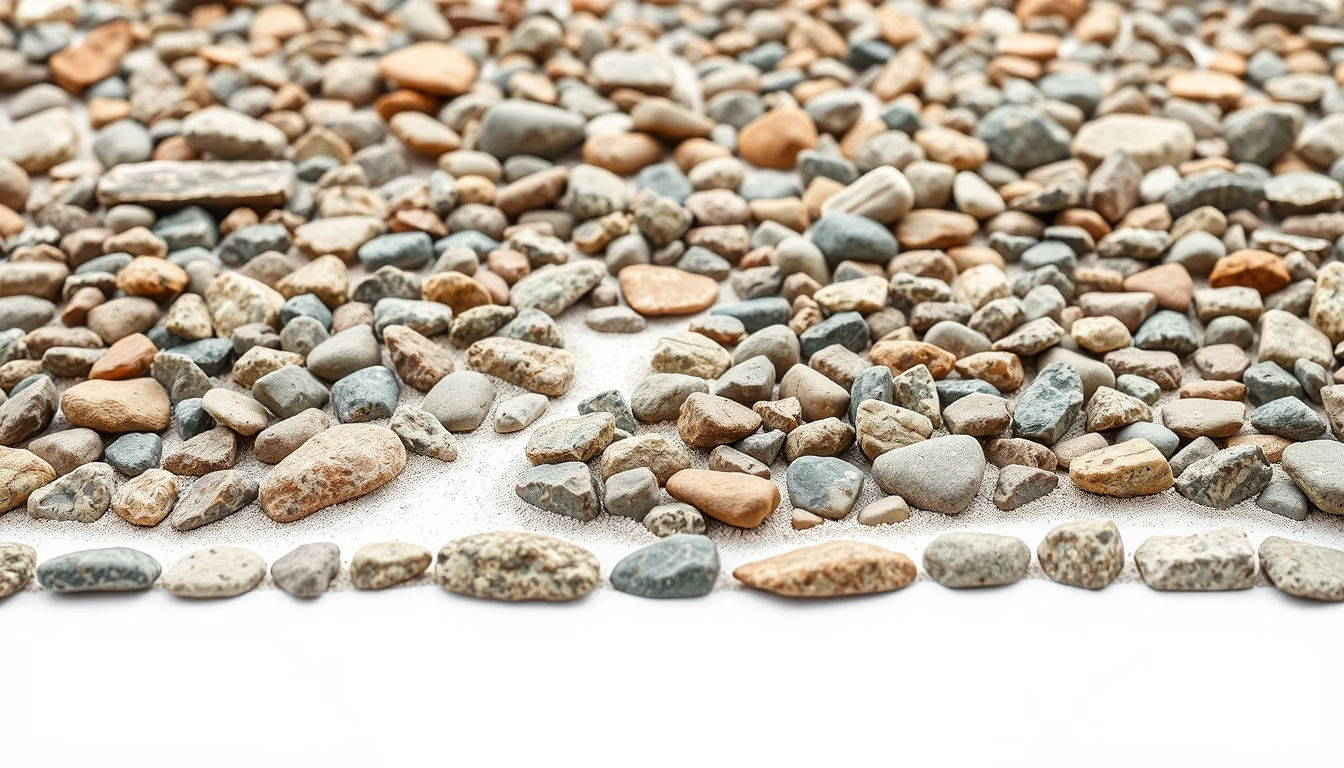
The Zen tea house, or chashitsu, is a traditional Japanese architectural space designed for the tea ceremony, chanoyu. Developed under Zen Buddhist influence, the chashitsu emphasizes simplicity, asymmetry, and natural materials. In rural Japan, these structures often sit in meticulously maintained gardens surrounded by bamboo, moss, and stones, creating an environment of isolation and contemplation.
The tea ceremony held within these spaces is an aesthetic and spiritual ritual seeking harmony between host and guests. The small size of the tea house, typically with a low entrance (nijiriguchi) forcing participants to bow upon entering, symbolizes humility and the transition to a Zen state of mind. Materials such as wood, clay, and rice paper are chosen to age naturally, reflecting the wabi-sabi concept of beauty in imperfection and transience.
In rural settings, the tea house often replaces urban elements with a more direct integration into the local landscape. It is frequently partially open to a garden (roji), which serves as a purification path before the ceremony. The remote location reinforces detachment from everyday life, essential for Zen mindfulness practice. Historians note that 16th-century tea master Sen no Rikyū was instrumental in popularizing this simple, rustic style in contrast to earlier opulence.
Frequently Asked Questions
What is the significance of the low door in a Zen tea house?
The low entrance (nijiriguchi) forces guests to bow as they enter, symbolizing humility and the transition to a Zen state of mind, leaving the outside world behind.
What is wabi-sabi and how does it relate to the Zen tea house?
Wabi-sabi is a Japanese aesthetic concept that values beauty in imperfection, transience, and incompleteness. Zen tea houses incorporate this through natural materials that age and intentional simplicity.
How does a rural location affect the tea ceremony experience?
In rural Japan, the tea house integrates directly with nature, often within a carefully designed garden. This reinforces detachment from daily life and promotes mindfulness, essential for Zen practice.
Direct URL
https://pub-c7d6a6ea828543ac903a74a341ccb2e1.r2.dev/imagens/zen-tea-house-rural-japan-studio-still-life-fresh4.avifHow to credit
Include a visible link back to UtilizAí. Copy one of the snippets below:
<a href="https://xn--utiliza-eza.com/en/midia/imagens/zen-tea-house-rural-japan-studio-still-life-fresh4">Zen tea house rural japan</a> by <a href="https://xn--utiliza-eza.com">UtilizAí</a>, licensed under <a href="https://creativecommons.org/licenses/by/4.0/">CC BY 4.0</a>.
[Zen tea house rural japan](https://xn--utiliza-eza.com/en/midia/imagens/zen-tea-house-rural-japan-studio-still-life-fresh4) by [UtilizAí](https://xn--utiliza-eza.com), CC BY 4.0
License: CC-BY-4.0