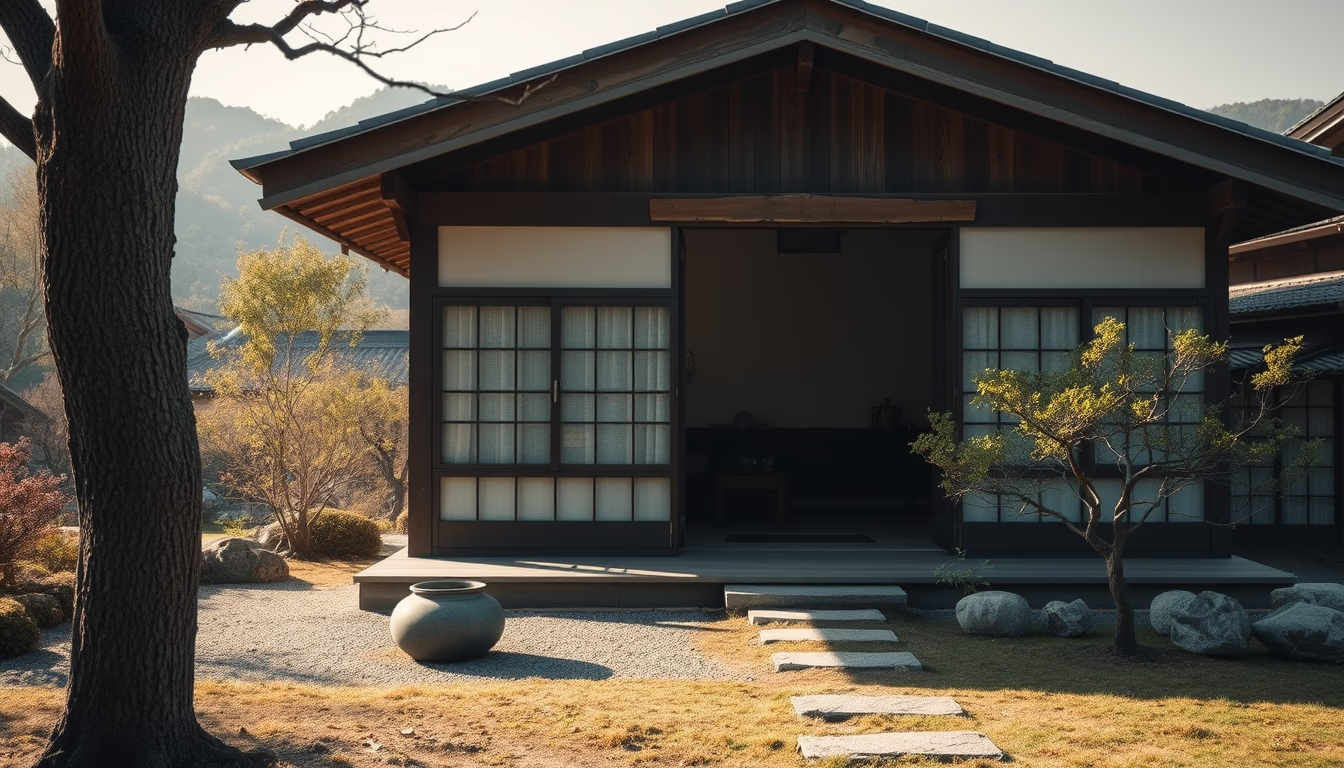
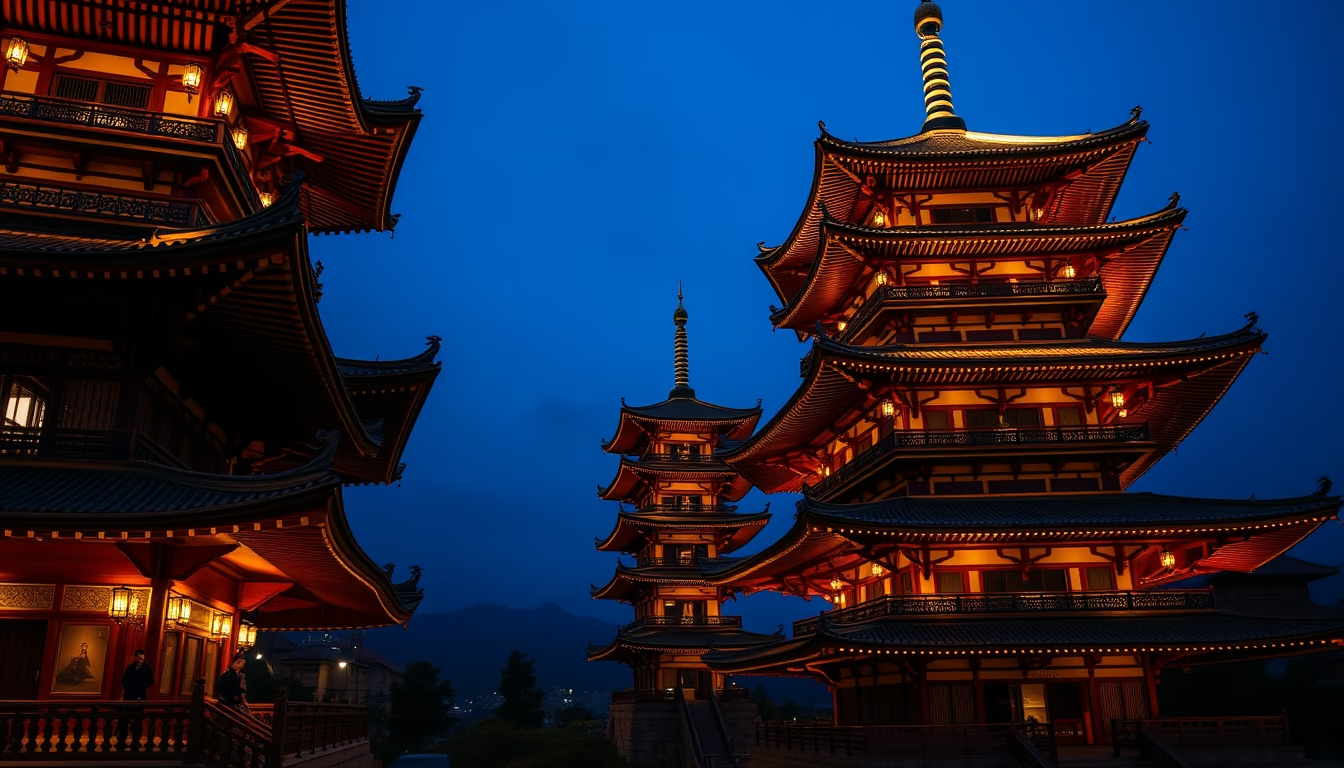
Zen tea house rural japan
1344×768 · AVIF · CC BY 4.0
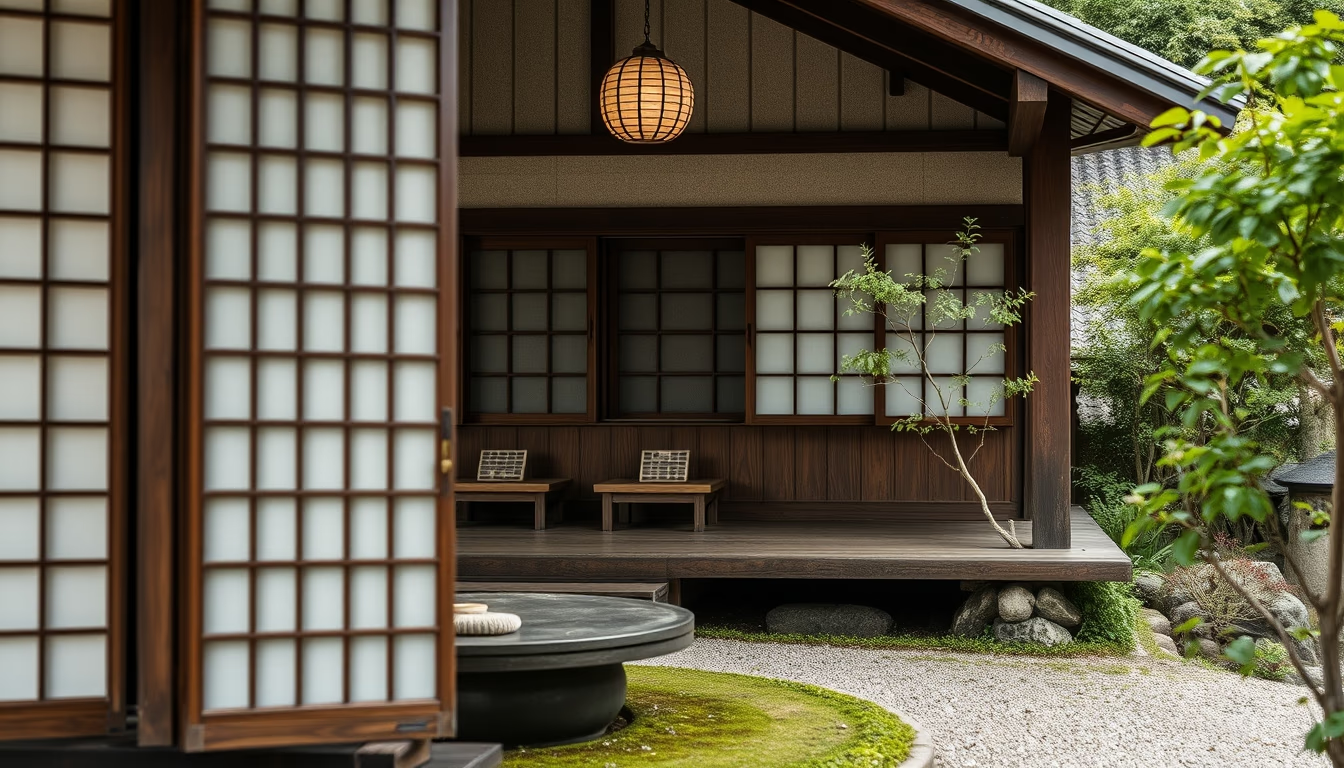
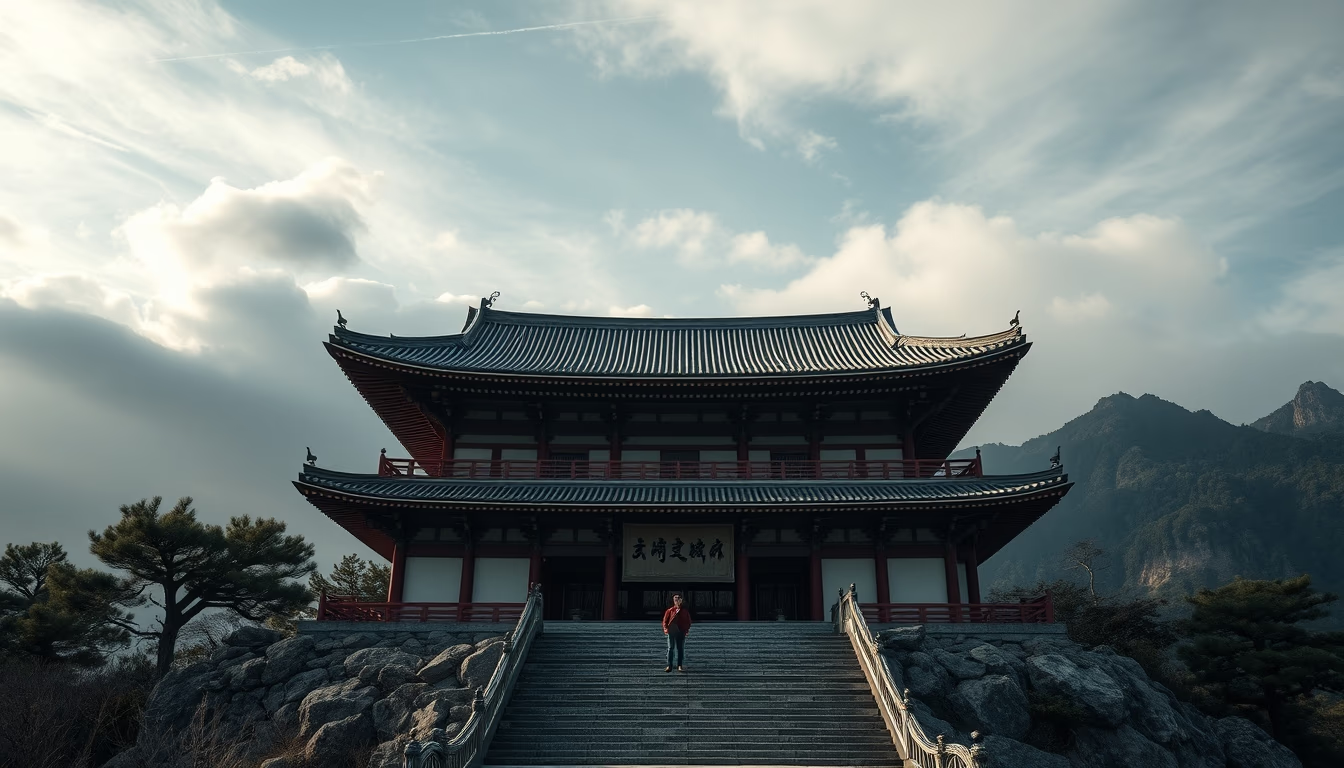
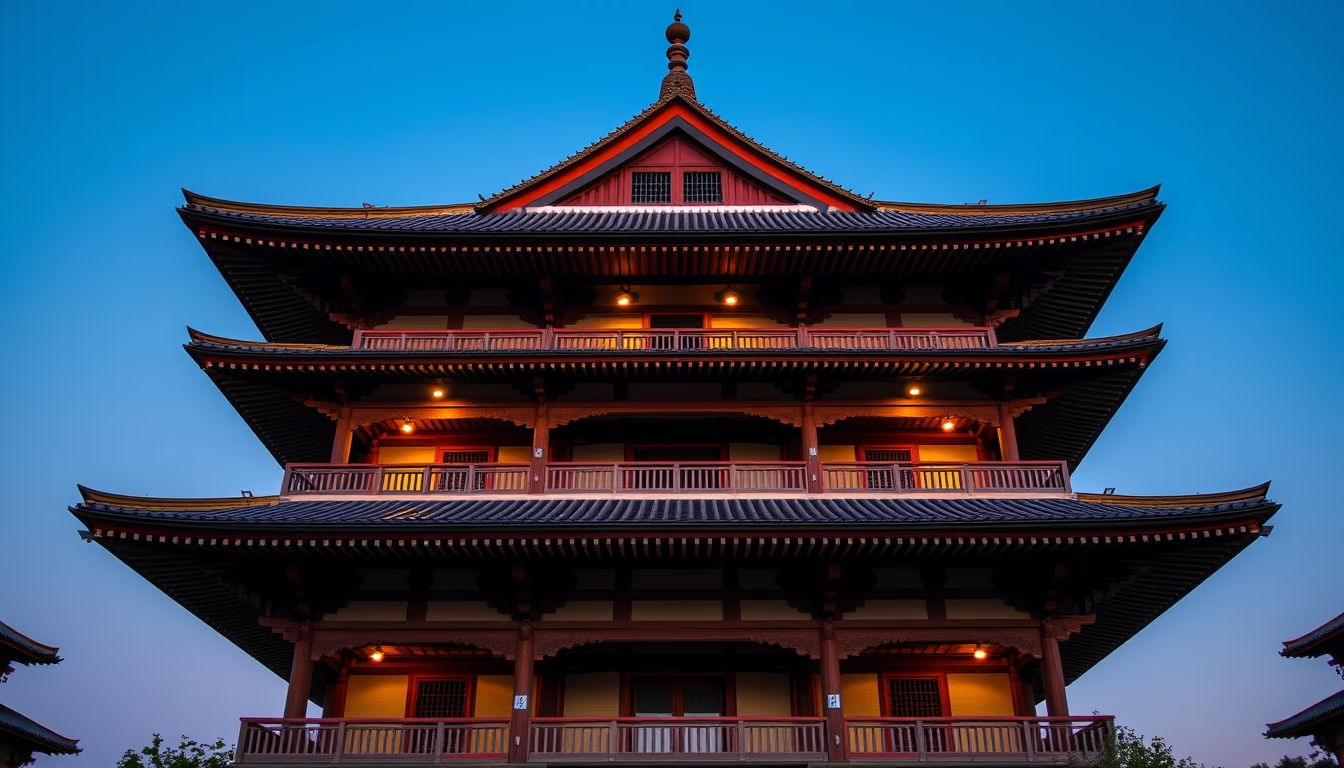
Zen tea houses in rural Japan embody wabi-sabi principles and the tea ceremony, creating spaces for contemplation amid nature.
About this subject
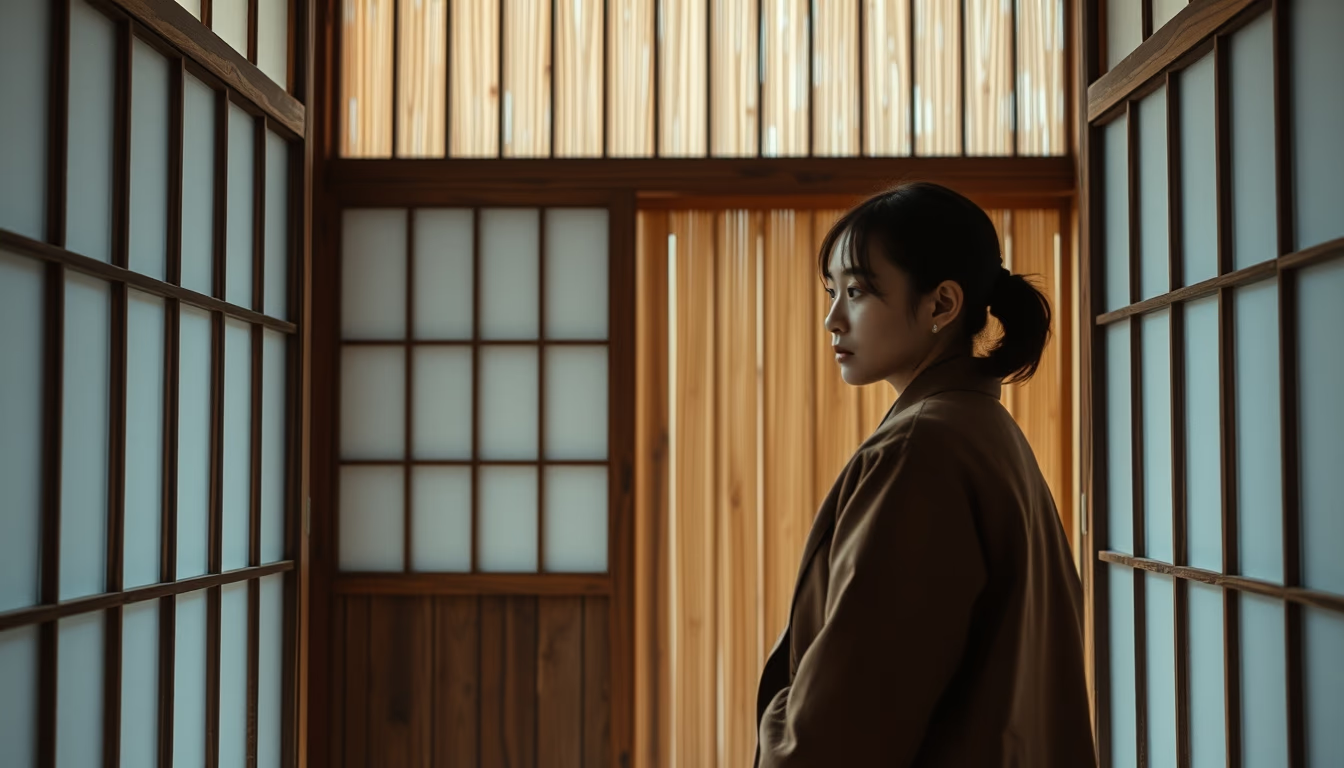
Japanese tea houses, called chashitsu, are minimalist structures designed for the tea ceremony (chanoyu). Originating in the 16th century under the influence of tea master Sen no Rikyu, these buildings emphasize simplicity, asymmetry, and imperfection, core concepts of wabi-sabi. In rural Japan, these houses are often set in carefully landscaped gardens, away from bustle, to promote tranquility and connection with the natural environment. Typical architectural features include a low door (nijiriguchi) forcing guests to bow as they enter, symbolizing humility, washi paper windows that soften light, and a tokonoma (alcove) displaying a calligraphy scroll or seasonal flower arrangement. The tatami mat floor, made of rice straw, covers the floor and defines the space. These elements are not merely aesthetic; they guide participants' sensory experience, encouraging mindfulness and appreciation for the present moment.
Frequently Asked Questions
What distinguishes a Zen tea house from an ordinary building?
A Zen tea house is specifically designed for the tea ceremony, emphasizing humility, simplicity, and connection to nature. Its natural materials, low entrance, and alcove for decorative objects create an environment conducive to meditation.
What is the significance of the garden around the tea house?
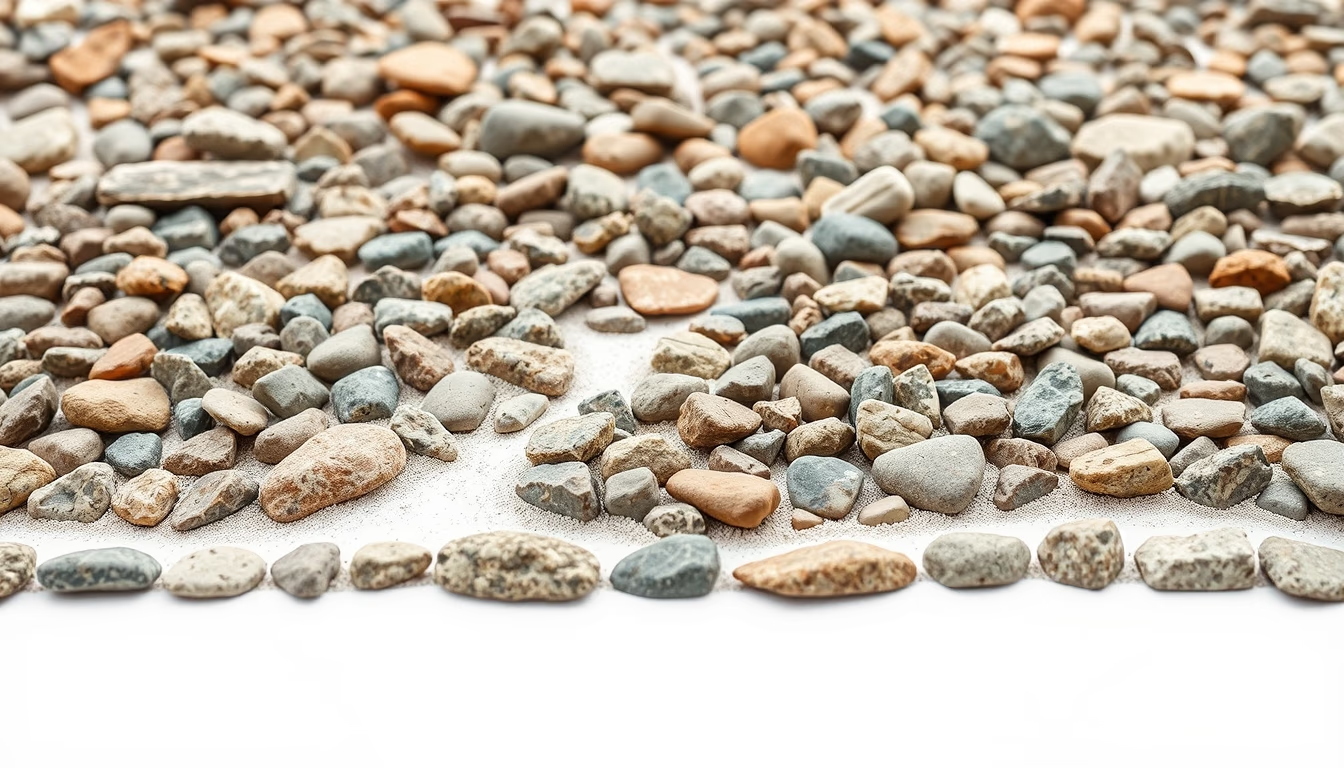
The garden (roji) serves as a transition from the outer world to the sacred tea space. Stone paths, lanterns, and carefully arranged plants prepare visitors for a tranquil state of mind, symbolizing purification before the ceremony.
How does wabi-sabi manifest in tea house architecture?
Wabi-sabi values beauty in imperfection, transience, and simplicity. In tea houses, this appears in rustic wood, uneven plaster, visible craftsmanship, and acceptance of natural elements such as the patina of age or asymmetry of materials.
Direct URL
https://pub-c7d6a6ea828543ac903a74a341ccb2e1.r2.dev/imagens/zen-tea-house-rural-japan-studio-editorial-portrait-fresh12.avifHow to credit
Include a visible link back to UtilizAí. Copy one of the snippets below:
<a href="https://xn--utiliza-eza.com/en/midia/imagens/zen-tea-house-rural-japan-studio-editorial-portrait-fresh12">Zen tea house rural japan</a> by <a href="https://xn--utiliza-eza.com">UtilizAí</a>, licensed under <a href="https://creativecommons.org/licenses/by/4.0/">CC BY 4.0</a>.
[Zen tea house rural japan](https://xn--utiliza-eza.com/en/midia/imagens/zen-tea-house-rural-japan-studio-editorial-portrait-fresh12) by [UtilizAí](https://xn--utiliza-eza.com), CC BY 4.0
License: CC-BY-4.0