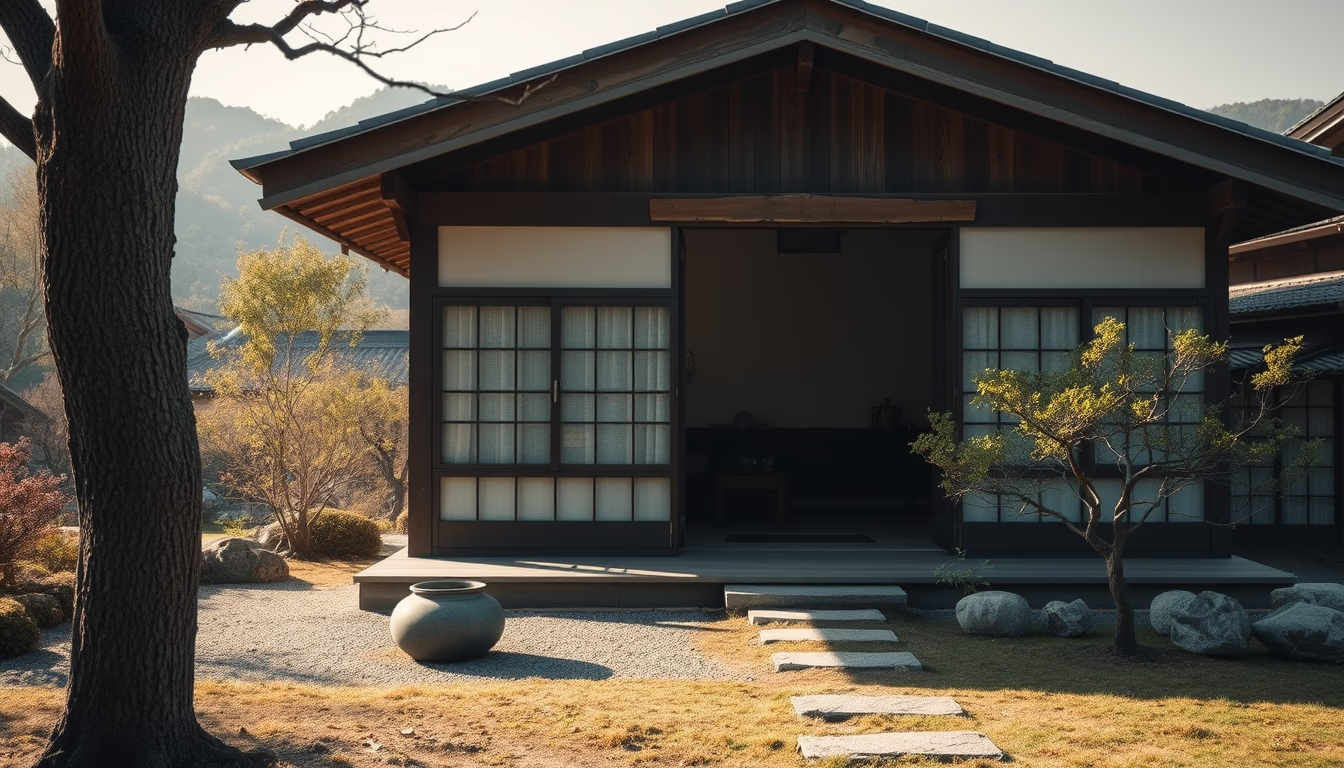
Zen tea house rural japan
1344×768 · AVIF · CC BY 4.0
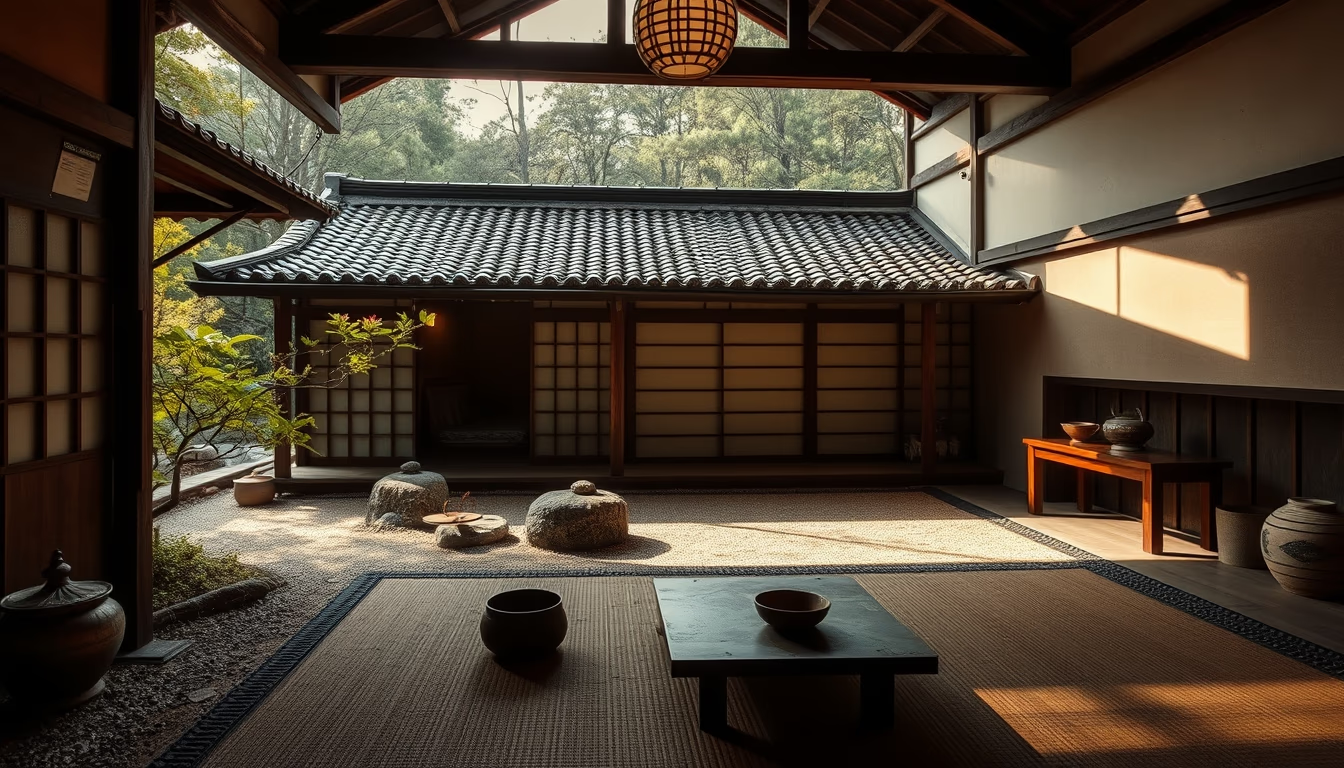
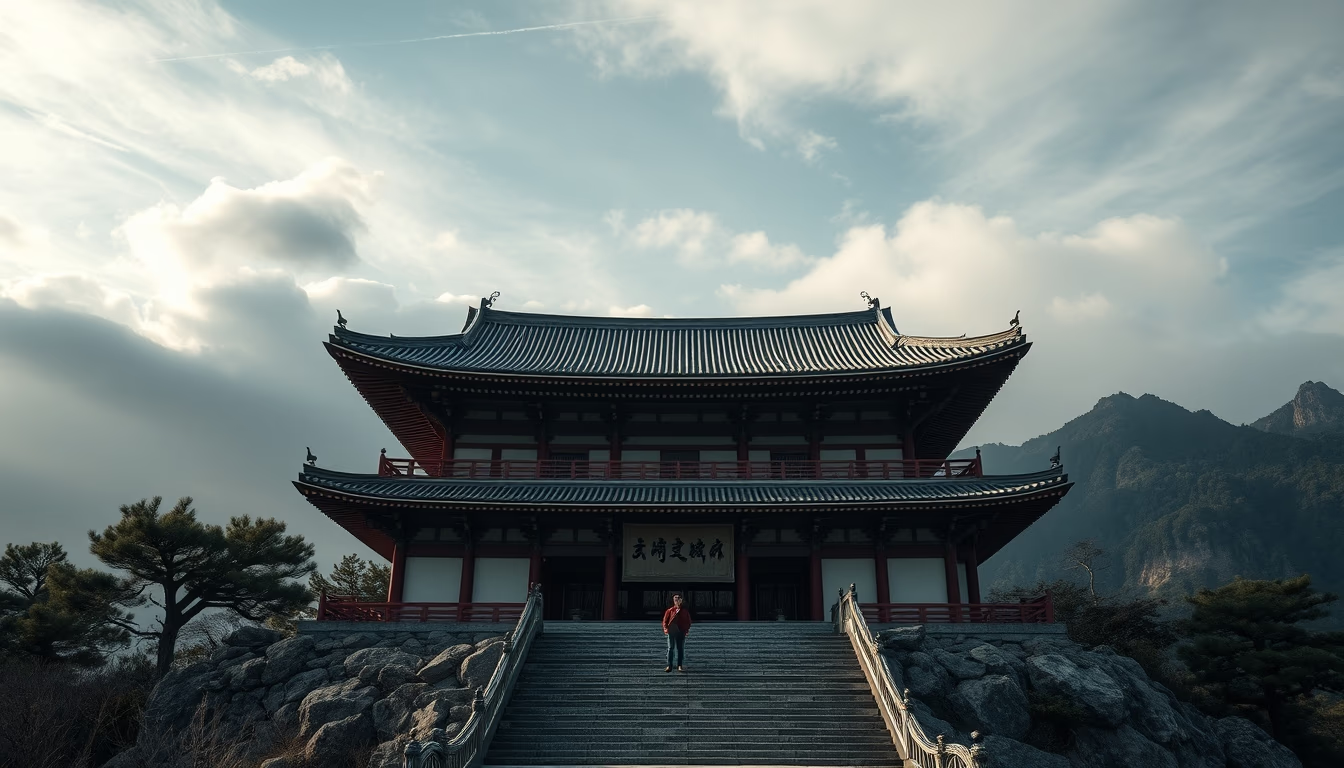
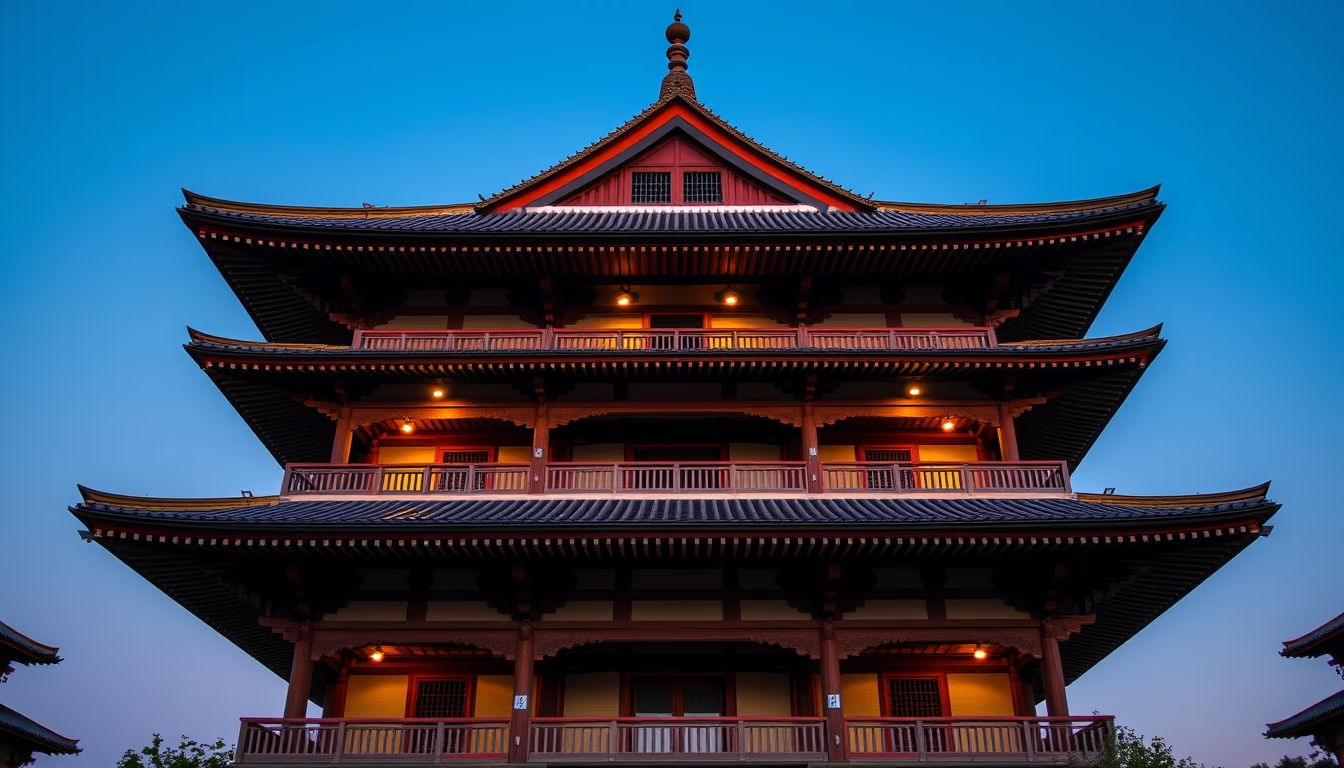
Discover the elegance and simplicity of Zen tea houses in rural Japan, spaces designed for the tea ceremony and contemplation.
About this subject
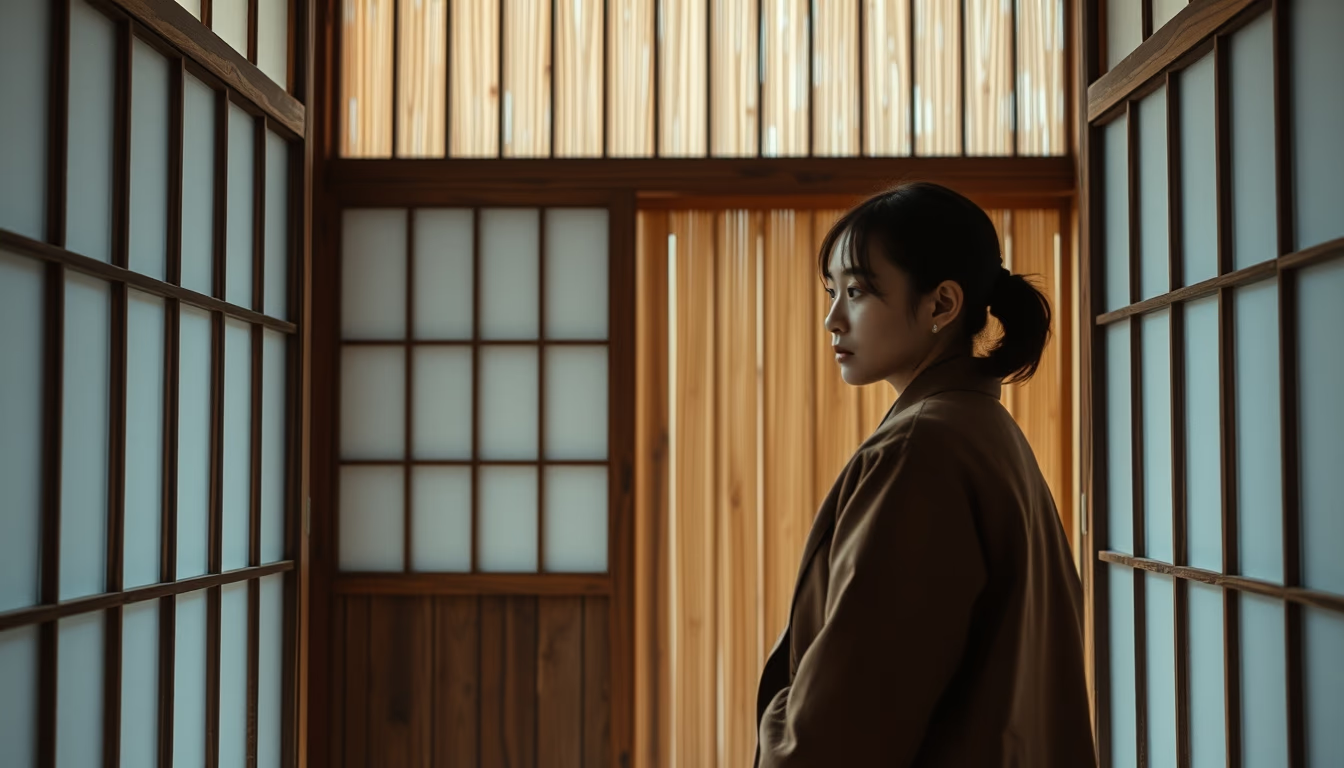
Zen tea houses, or chashitsu, originated in Japan in the 16th century under the tea master Sen no Rikyū. They embody the aesthetic principles of wabi-sabi, which value imperfection, simplicity, and natural beauty. A traditional chashitsu is a small structure, typically measuring just four and a half tatami mats, built from natural materials such as wood, bamboo, and clay. Low windows allow soft, controlled light to enter, creating an intimate and meditative atmosphere.
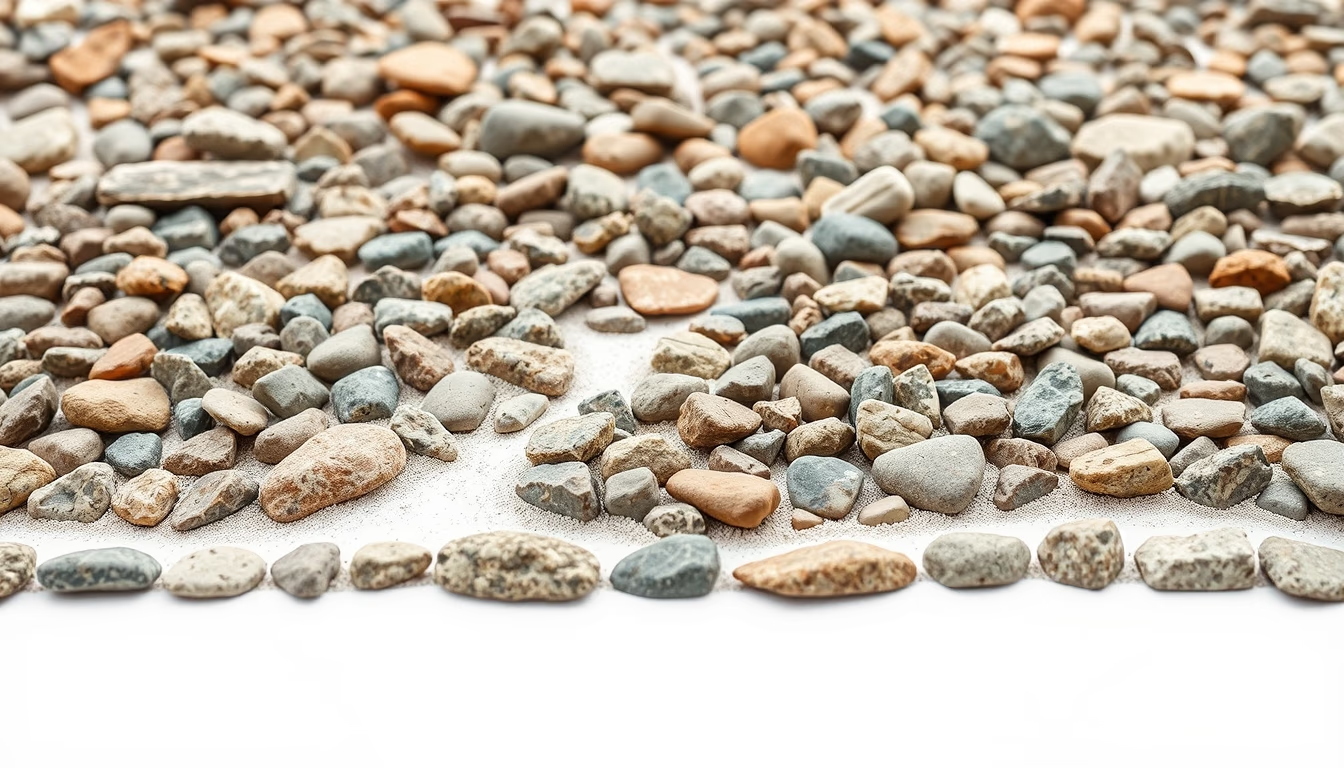
Access to the tea house is via a stone path called roji, which mimics a mountain trail and prepares visitors for the ritual. The surrounding garden features carefully arranged plants and stones to evoke a miniature natural landscape. The entrance is a small door (nijiriguchi) that forces everyone to bow, symbolizing humility and equality among participants.
The tea ceremony, or chanoyu, performed in this space involves the highly choreographed preparation and consumption of matcha. Every gesture, from cleaning the utensils to drinking, follows a precise sequence inspired by Zen Buddhist principles: harmony, respect, purity, and tranquility. The chashitsu is not merely a setting but a place for introspection, where silence and mindfulness are cultivated.
Frequently Asked Questions
What is the difference between a tea house (chashitsu) and a tea room?
A chashitsu is a small, standalone structure designed exclusively for the tea ceremony, emphasizing an intimate and spiritual atmosphere. A tea room, on the other hand, can be a larger, more versatile space within a home, used for less formal tea serving.
What does wabi-sabi mean in the context of tea houses?
Wabi-sabi is the appreciation of imperfect and transient beauty. In tea houses, it manifests through natural aged materials, asymmetry, simplicity, and elements like moss or cracked vessels, evoking the passage of time.
How is the tea ceremony related to Zen Buddhism?
The tea ceremony (chanoyu) incorporates Zen principles such as mindfulness, simplicity, and appreciation of the present moment. Every action is performed with awareness and calm, promoting meditation in motion and connection among participants.
Direct URL
https://pub-c7d6a6ea828543ac903a74a341ccb2e1.r2.dev/imagens/zen-tea-house-rural-japan-rembrandt-lighting-dramatic-shadows-fresh9.avifHow to credit
Include a visible link back to UtilizAí. Copy one of the snippets below:
<a href="https://xn--utiliza-eza.com/en/midia/imagens/zen-tea-house-rural-japan-rembrandt-lighting-dramatic-shadows-fresh9">Zen tea house rural japan</a> by <a href="https://xn--utiliza-eza.com">UtilizAí</a>, licensed under <a href="https://creativecommons.org/licenses/by/4.0/">CC BY 4.0</a>.
[Zen tea house rural japan](https://xn--utiliza-eza.com/en/midia/imagens/zen-tea-house-rural-japan-rembrandt-lighting-dramatic-shadows-fresh9) by [UtilizAí](https://xn--utiliza-eza.com), CC BY 4.0
License: CC-BY-4.0