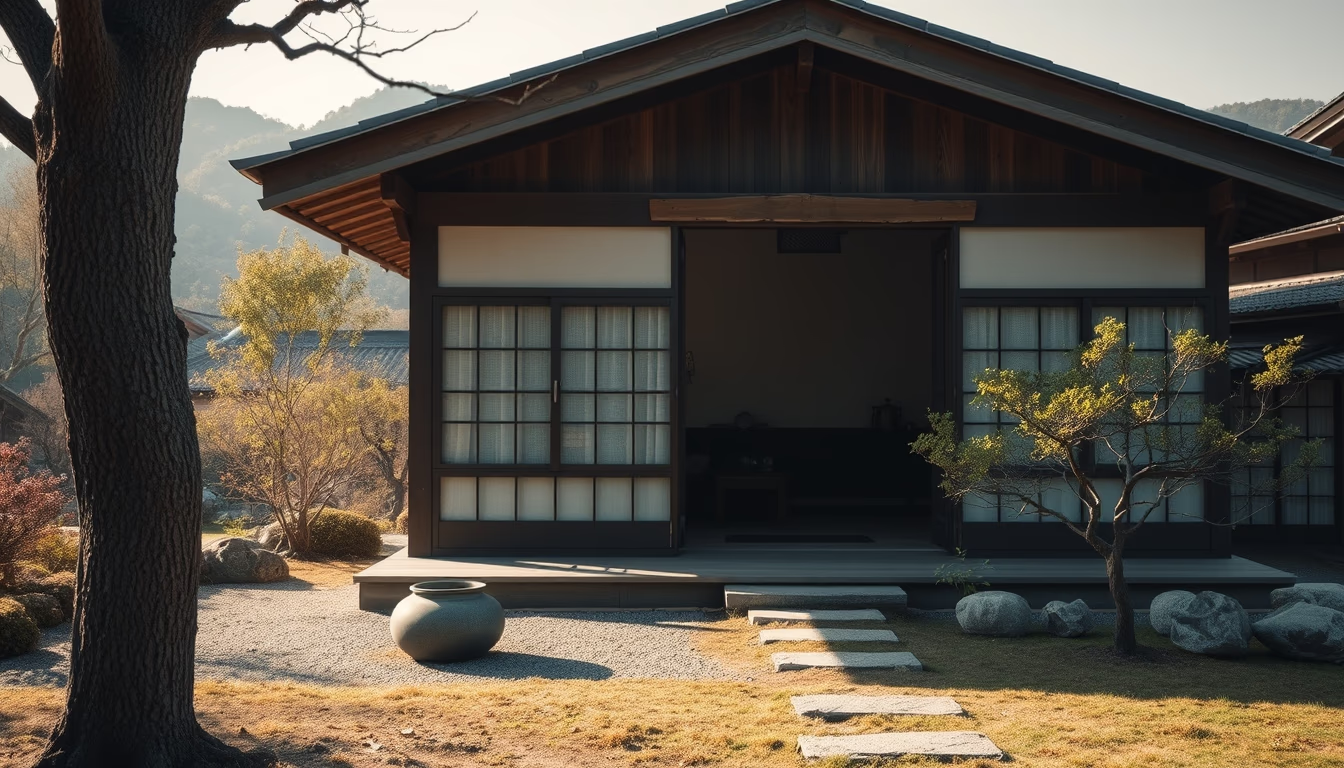
Zen tea house rural japan
1344×768 · AVIF · CC BY 4.0
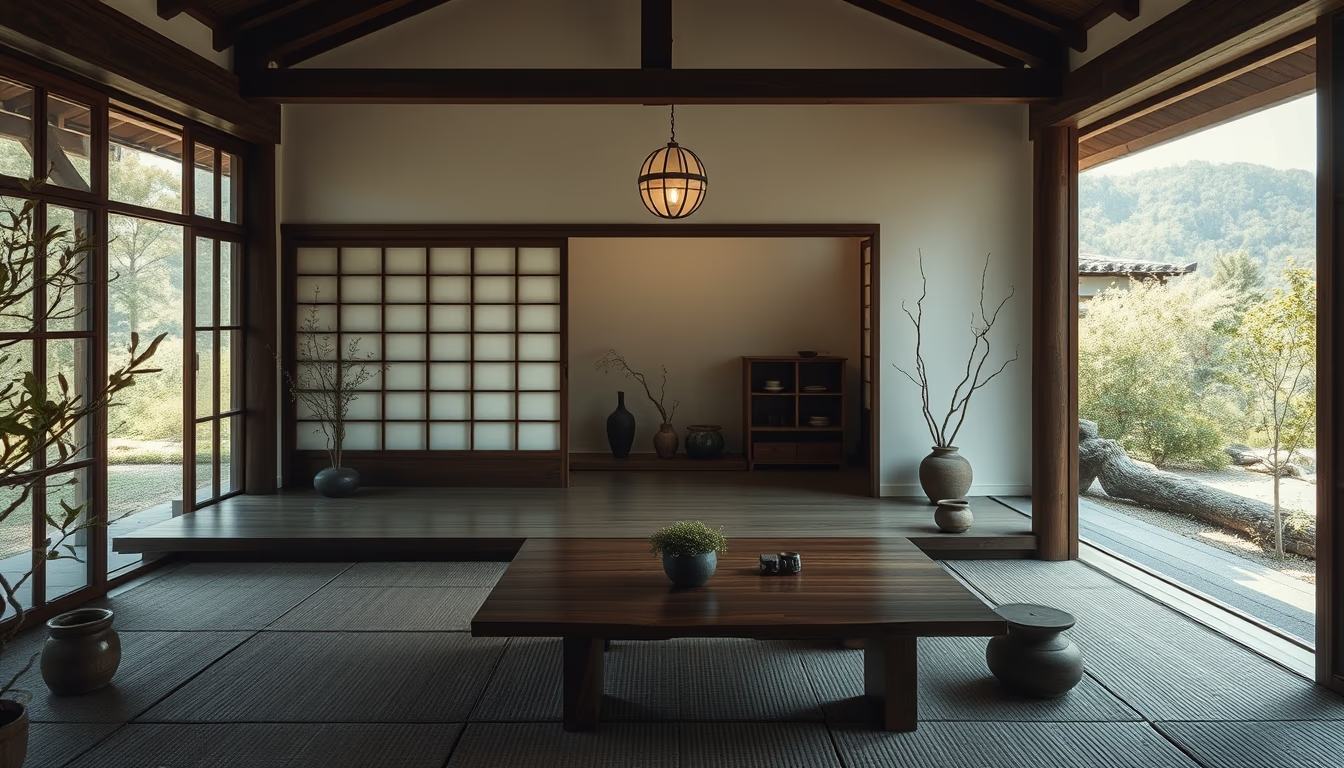
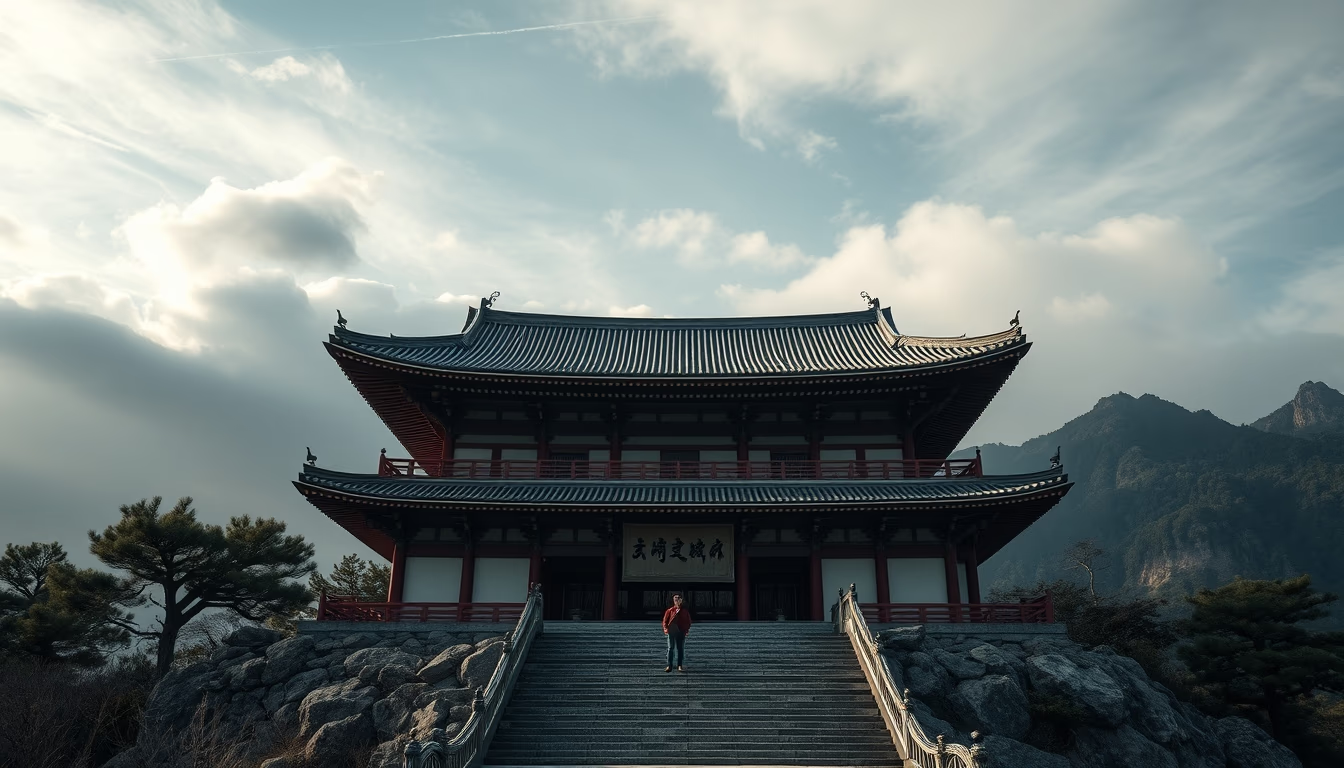
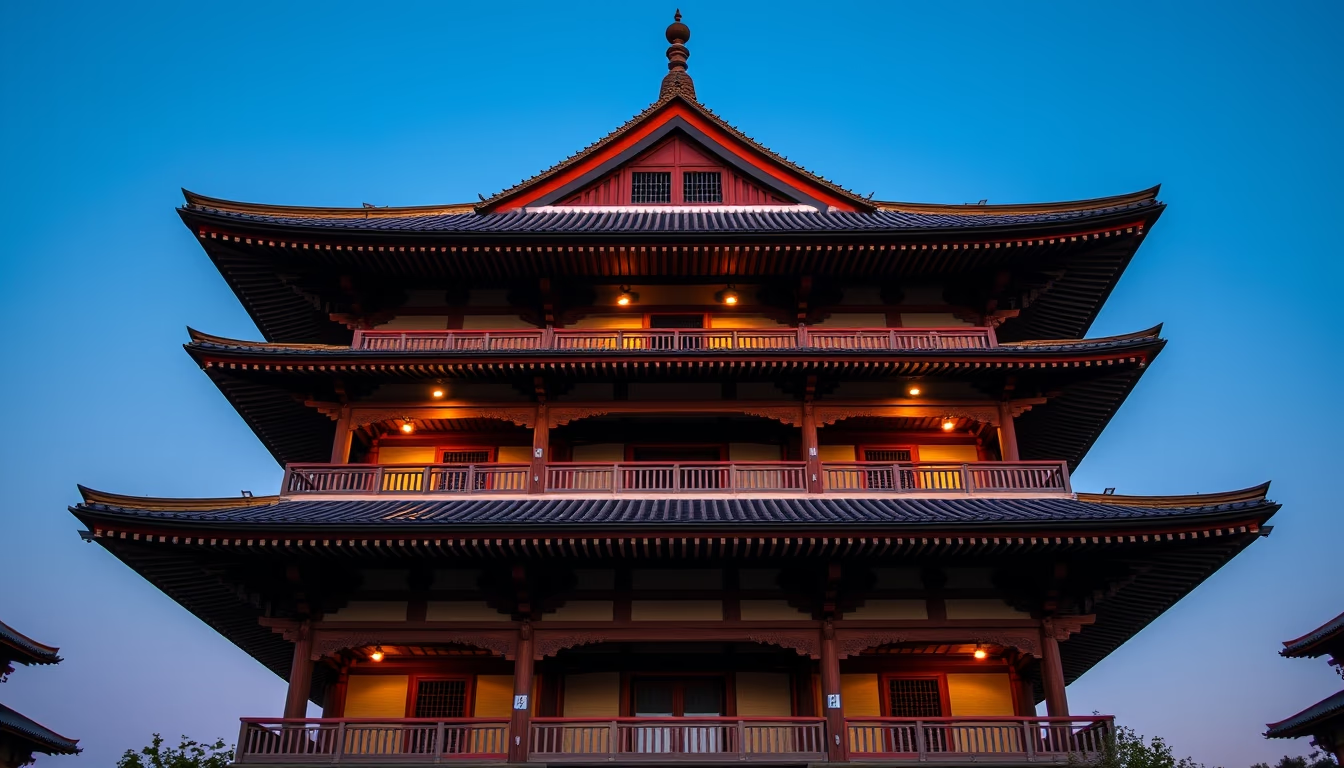
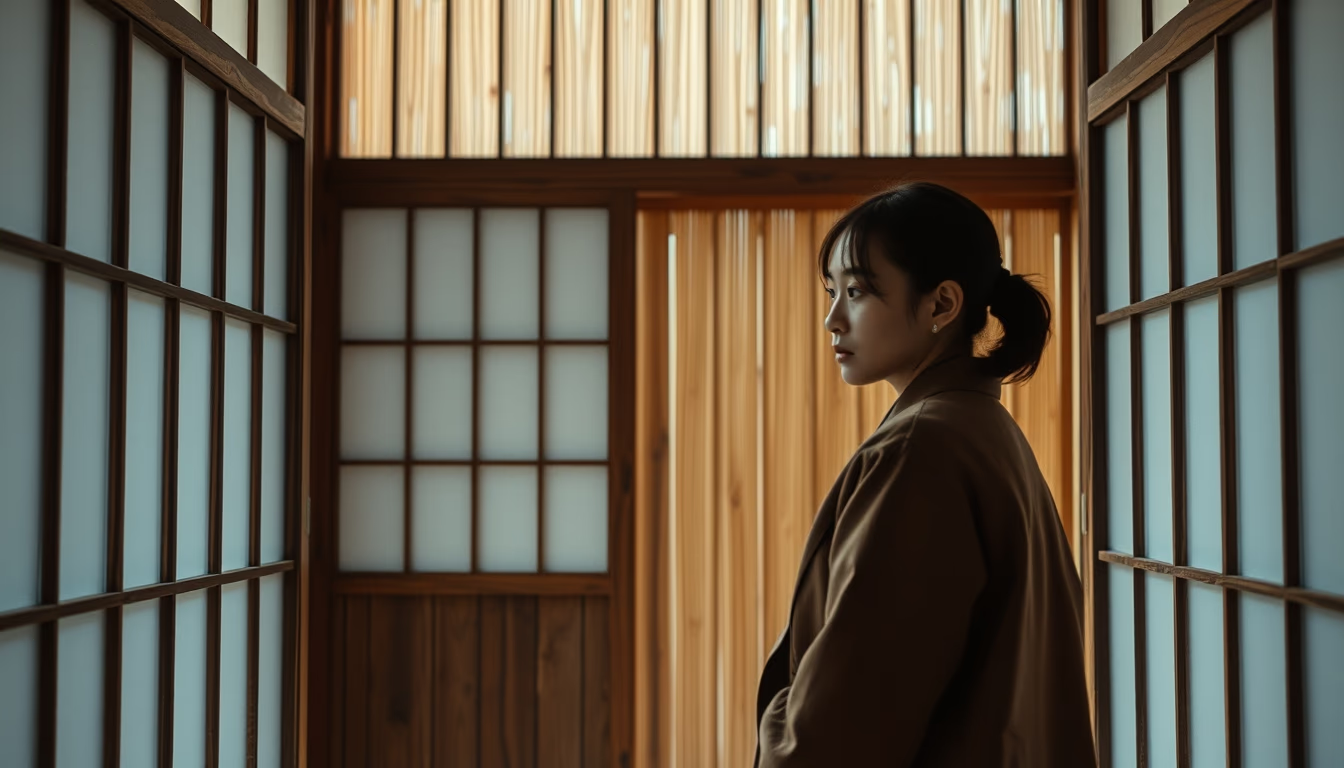
Zen tea houses in rural Japan, known as chashitsu, are minimalist spaces that embody the principles of wabi-sabi and the tea ceremony.
About this subject
The chashitsu, or Zen tea house, is a central element of the Japanese tea ceremony, a ritualistic practice dating back to the 16th century. These structures are typically small, with an area of four to eight tatami mats, situated in meticulously designed gardens. The architecture follows the principles of wabi-sabi, which values simplicity, imperfection, and appreciation of the natural. Common materials include wood, bamboo, clay, and rice paper, creating spaces that invite contemplation.
In rural Japan, many chashitsu are located in Buddhist temples or private estates, integrated into the local landscape. The entrance is low (nijiri-guchi), forcing visitors to bow, symbolizing humility and leaving social status behind. The interior is minimalist, with a tokonoma (alcove) displaying a calligraphy scroll or a flower, and a hearth (ro) for heating water. The tea ceremony, called chanoyu, is a meditative practice that emphasizes every gesture and harmony among participants.
The tradition was influenced by master Sen no Rikyū in the 16th century, who codified the rituals and aesthetics of the tea house. Today, these structures are preserved as cultural heritage, and some can be visited in rural areas like Kyoto, Uji, and Kanazawa. Entering a chashitsu offers a glimpse into deep Japan, where simple living and connection to nature are prioritized.
Frequently Asked Questions
What is the significance of the low entrance (nijiri-guchi) in a chashitsu?
The low entrance forces everyone to bow, symbolizing humility and the idea that in the tea ceremony, all are equal regardless of social status.
What is wabi-sabi and how does it apply to Zen tea houses?
Wabi-sabi is a Japanese aesthetic concept that finds beauty in imperfection, transience, and simplicity. In chashitsu, it is reflected in the use of natural materials, asymmetry, and the patina of age.
Where can I visit an authentic chashitsu in rural Japan?
Places like Kyoto (temples such as Daitoku-ji and Kodai-ji), Uji (Byodo-in), and Kanazawa (Kenroku-en) offer visits to historic tea houses in rural or semi-rural settings.
Direct URL
https://pub-c7d6a6ea828543ac903a74a341ccb2e1.r2.dev/imagens/zen-tea-house-rural-japan-minimalist-composition-fresh15.avifHow to credit
Include a visible link back to UtilizAí. Copy one of the snippets below:
<a href="https://xn--utiliza-eza.com/en/midia/imagens/zen-tea-house-rural-japan-minimalist-composition-fresh15">Zen tea house rural japan</a> by <a href="https://xn--utiliza-eza.com">UtilizAí</a>, licensed under <a href="https://creativecommons.org/licenses/by/4.0/">CC BY 4.0</a>.
[Zen tea house rural japan](https://xn--utiliza-eza.com/en/midia/imagens/zen-tea-house-rural-japan-minimalist-composition-fresh15) by [UtilizAí](https://xn--utiliza-eza.com), CC BY 4.0
License: CC-BY-4.0