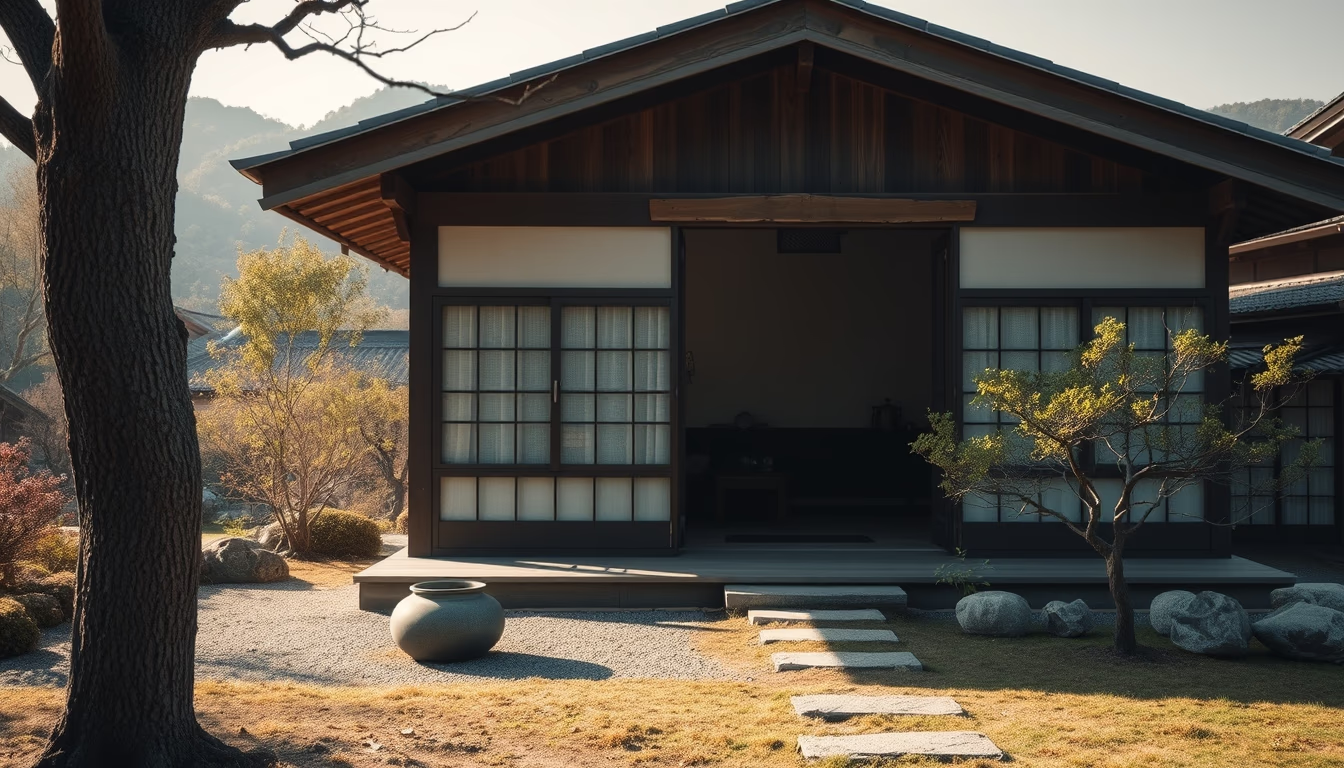
Zen tea house rural japan
1344×768 · AVIF · CC BY 4.0
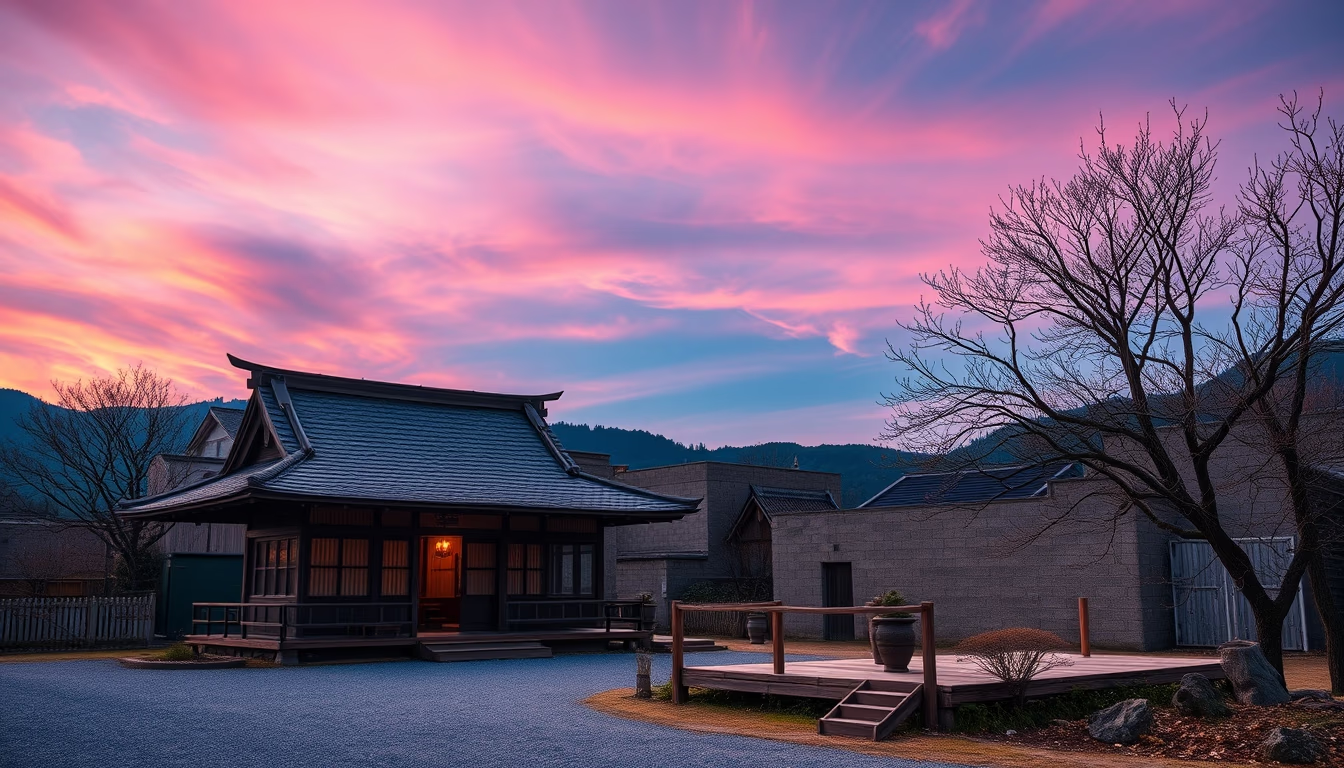
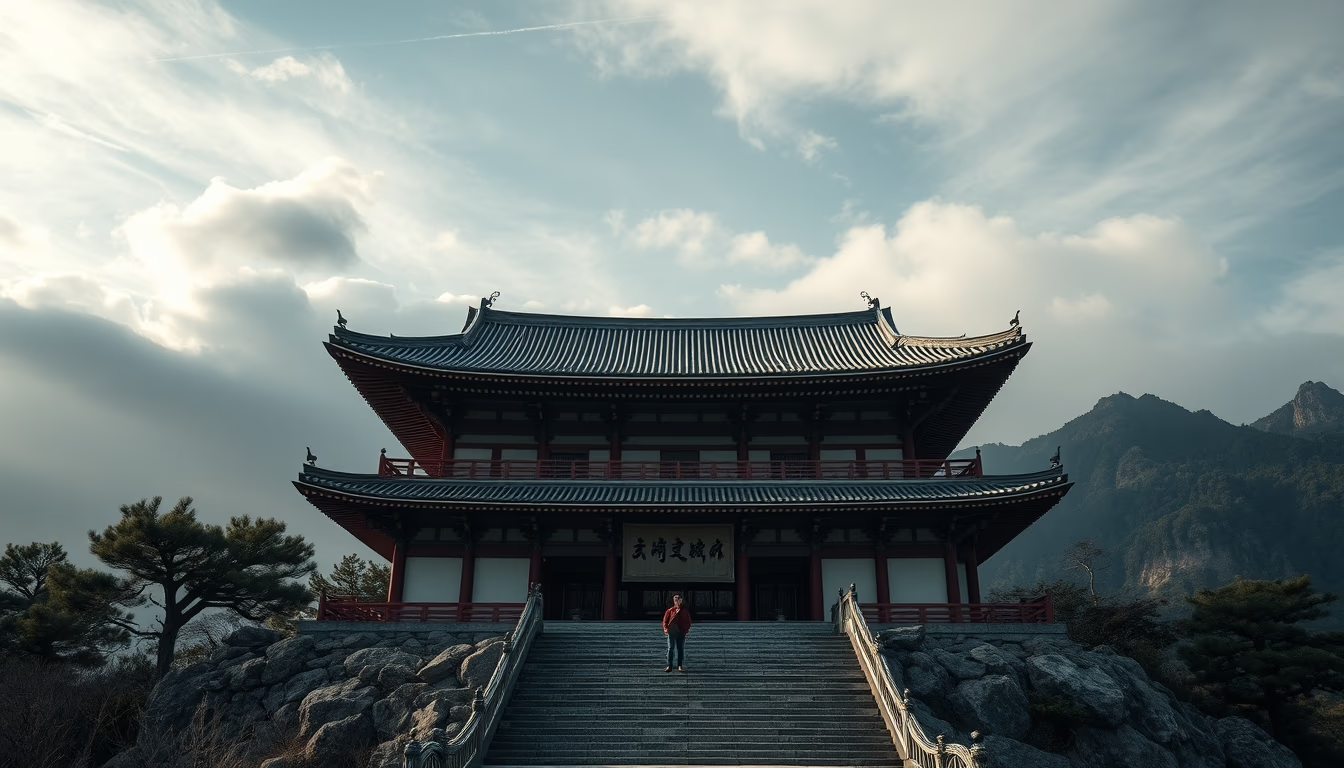
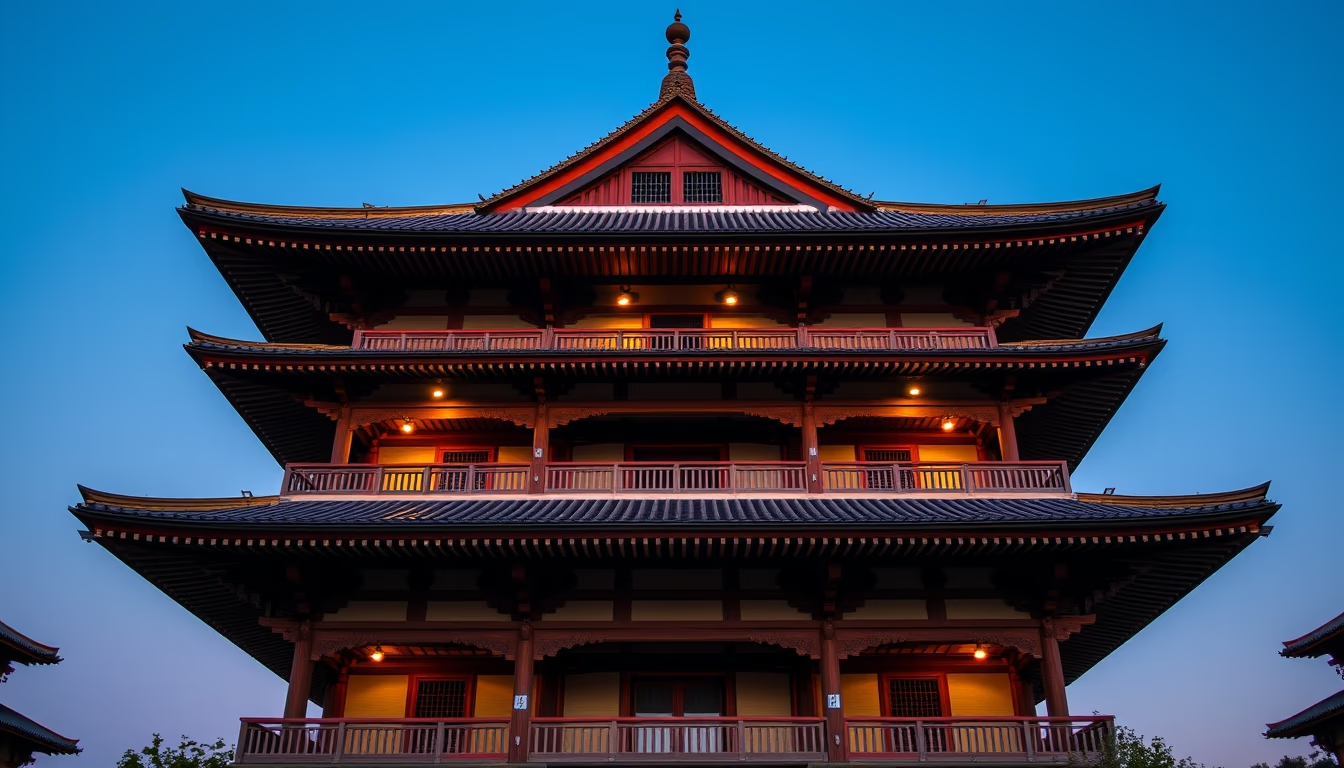
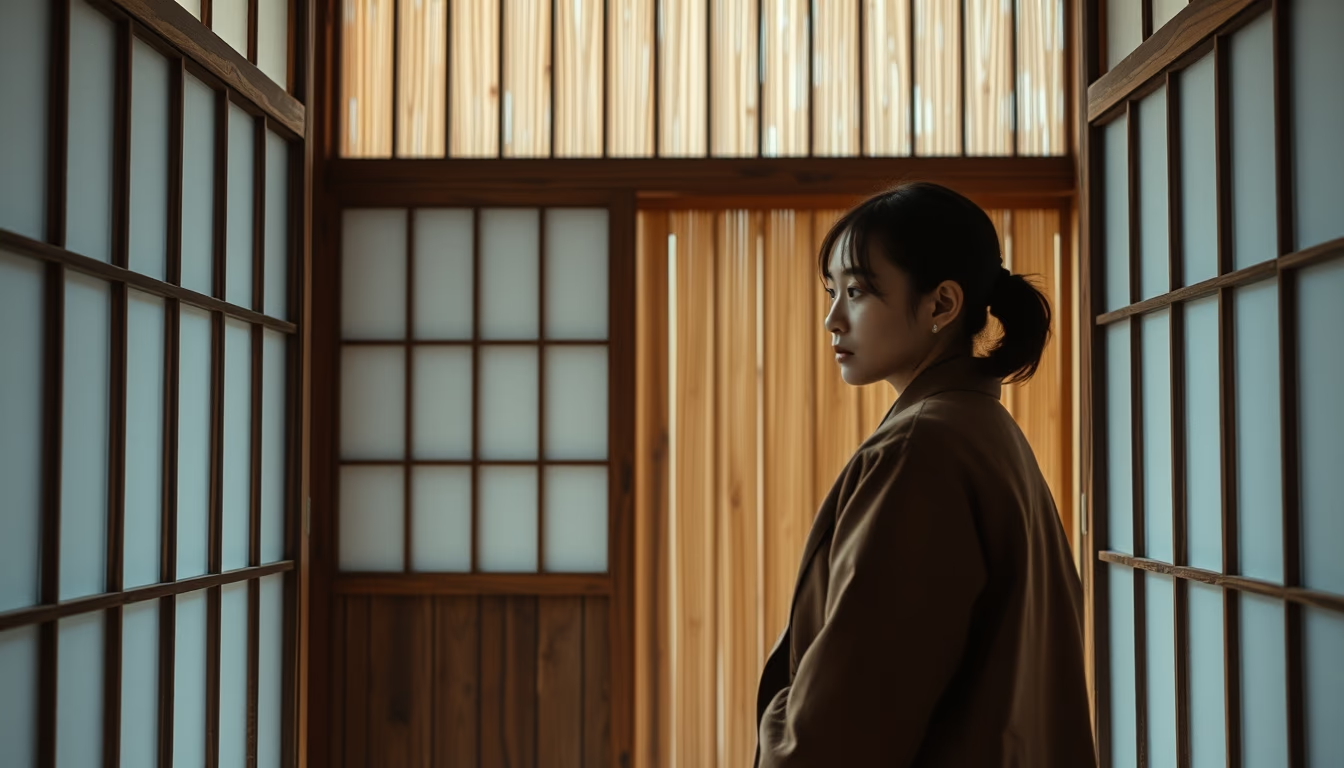
Zen tea houses in rural Japan, such as the traditional chashitsu, are spaces of simplicity and contemplation, essential for the tea ceremony and the wabi-sabi aesthetic.
About this subject
Zen tea houses, known as chashitsu, are typical structures in rural Japan, designed to host the tea ceremony (chanoyu). Originating in the 16th century under the influence of masters like Sen no Rikyū, these buildings embody Zen Buddhist principles such as simplicity, asymmetry, and appreciation of the imperfect, core to the wabi-sabi aesthetic. Often located in secluded gardens, chashitsu are made of natural materials like wood, bamboo, and clay, with low doors (nijiriguchi) that force guests to bow, symbolizing humility.
The interior is minimalist: a tokonoma alcove displays a scroll and a flower arrangement (chabana), while a hearth (ro) heats water for matcha. The tea ceremony is not merely about drinking but is a meditative practice emphasizing harmony (wa), respect (kei), purity (sei), and tranquility (jaku). In rural Japan, these tea houses often belong to temples or traditional families, passed down through generations, and serve as venues for seasonal gatherings that connect participants with nature.
Notably, chashitsu design influenced modern Western architecture, with figures like Frank Lloyd Wright incorporating elements of spatial continuity and natural materials. Additionally, chanoyu is recognized by UNESCO as an Intangible Cultural Heritage, underscoring its global significance. In regions like Kyoto, Uji, and Kanazawa, historical tea houses such as Tai-an (attributed to Rikyū and a national treasure) are open to the public, offering a glimpse into this profound cultural practice.
Frequently Asked Questions
What is a chashitsu?
A chashitsu is a traditional Japanese tea house designed for the tea ceremony (chanoyu). These simple structures, made from natural materials, reflect the Zen aesthetic of wabi-sabi.
Why is the tea ceremony important in Japan?
The tea ceremony is a meditative practice promoting harmony, respect, purity, and tranquility. Recognized by UNESCO, it connects participants to nature and Japanese culture through meticulous rituals.
Where can I visit a historic tea house in rural Japan?
Places like Kyoto, Uji, and Kanazawa have historic tea houses open to the public, such as Tai-an in Kyoto, attributed to master Sen no Rikyū and designated a national treasure.
Direct URL
https://pub-c7d6a6ea828543ac903a74a341ccb2e1.r2.dev/imagens/zen-tea-house-rural-japan-long-exposure-fresh5.avifHow to credit
Include a visible link back to UtilizAí. Copy one of the snippets below:
<a href="https://xn--utiliza-eza.com/en/midia/imagens/zen-tea-house-rural-japan-long-exposure-fresh5">Zen tea house rural japan</a> by <a href="https://xn--utiliza-eza.com">UtilizAí</a>, licensed under <a href="https://creativecommons.org/licenses/by/4.0/">CC BY 4.0</a>.
[Zen tea house rural japan](https://xn--utiliza-eza.com/en/midia/imagens/zen-tea-house-rural-japan-long-exposure-fresh5) by [UtilizAí](https://xn--utiliza-eza.com), CC BY 4.0
License: CC-BY-4.0