Zen tea house rural japan
1344×768 · AVIF · CC BY 4.0
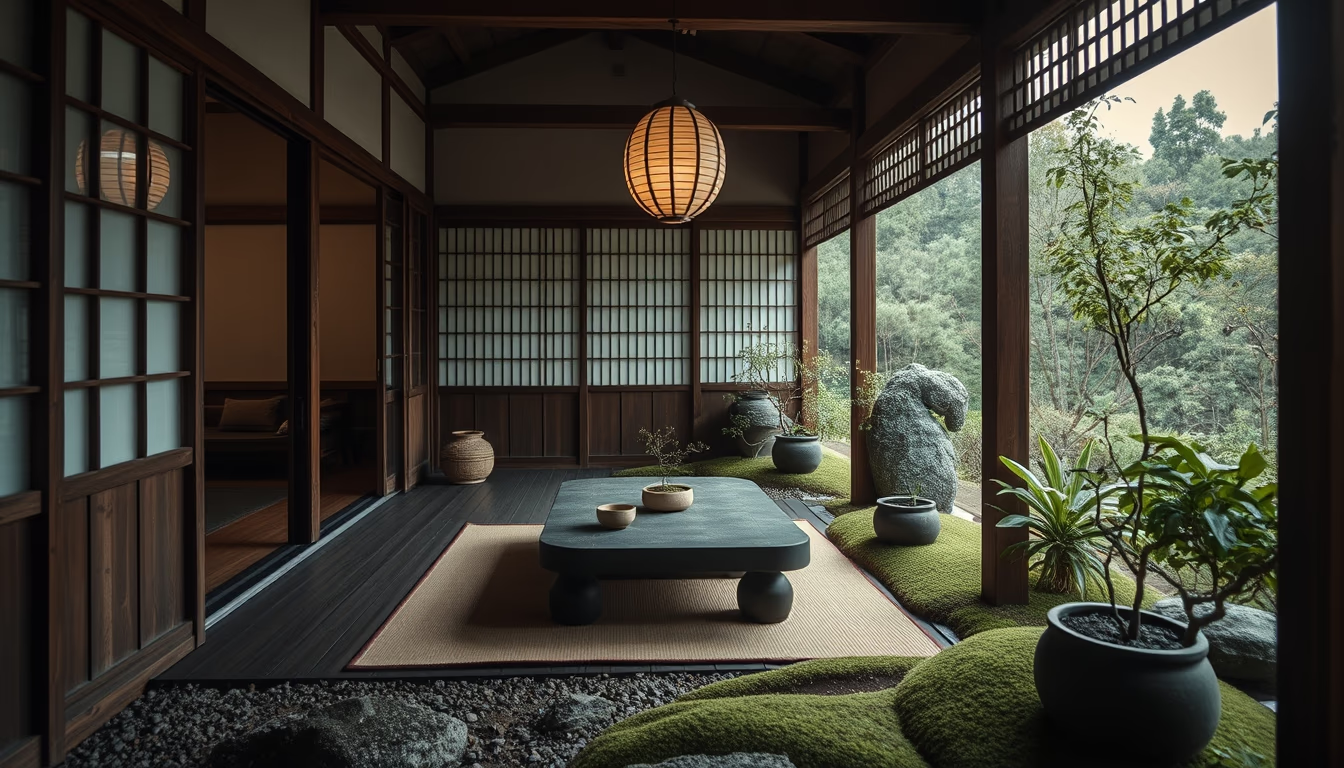
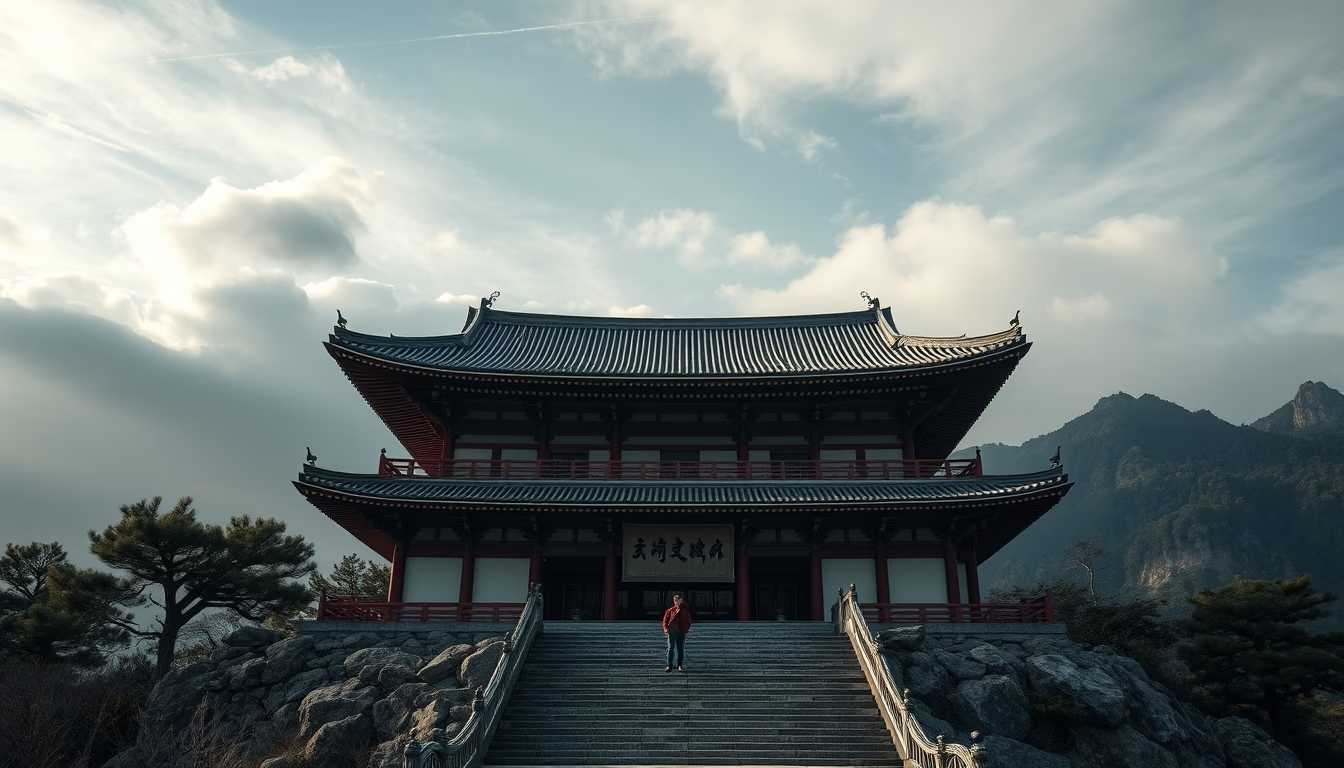
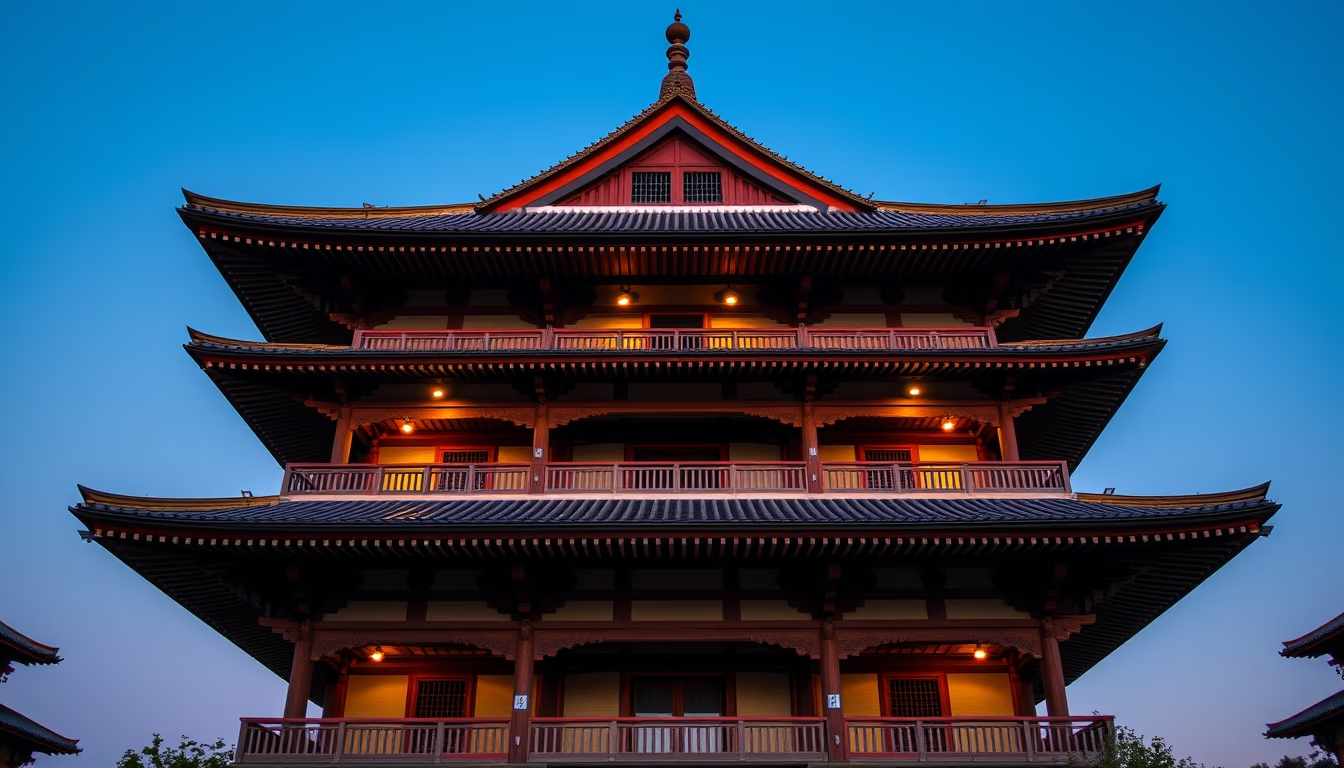
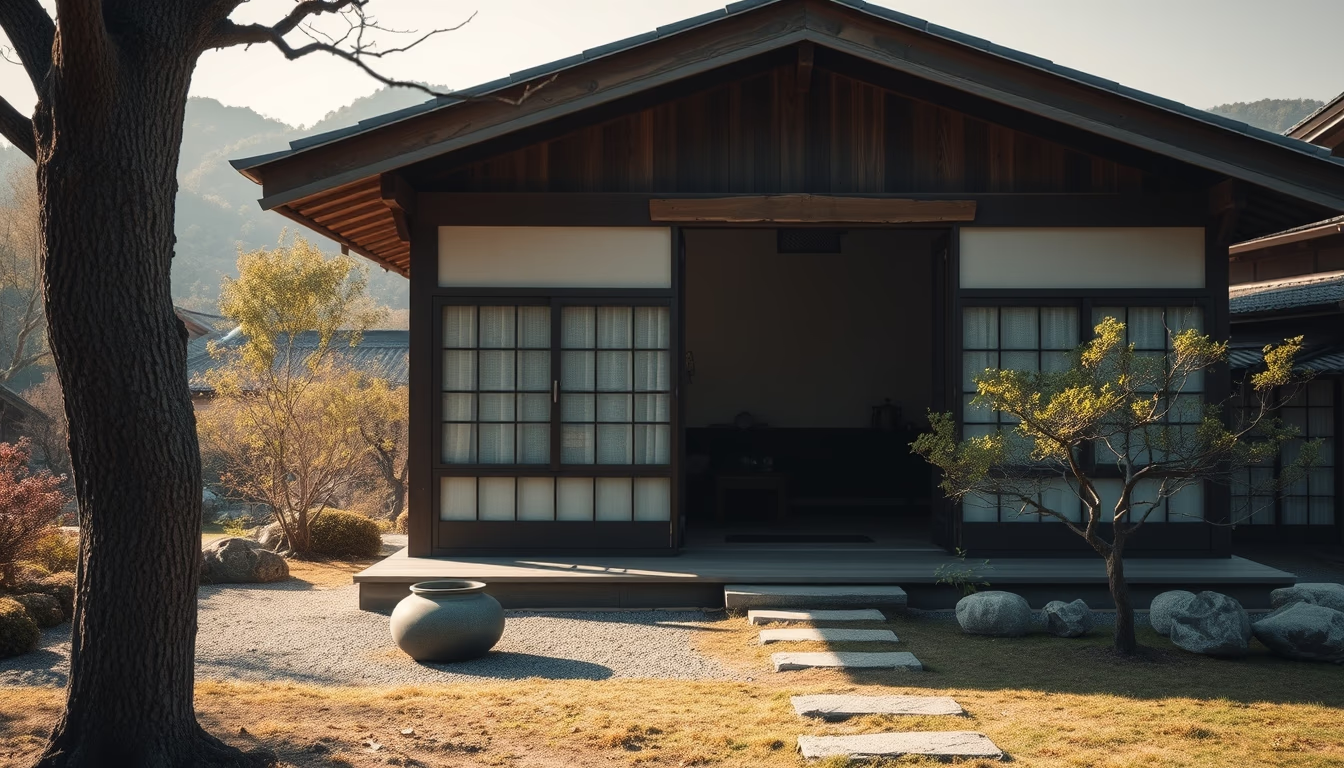
Zen tea houses in rural Japan, like this sukiya-zukuri structure, embody the wabi-sabi aesthetic and the millennial tradition of chanoyu.
About this subject
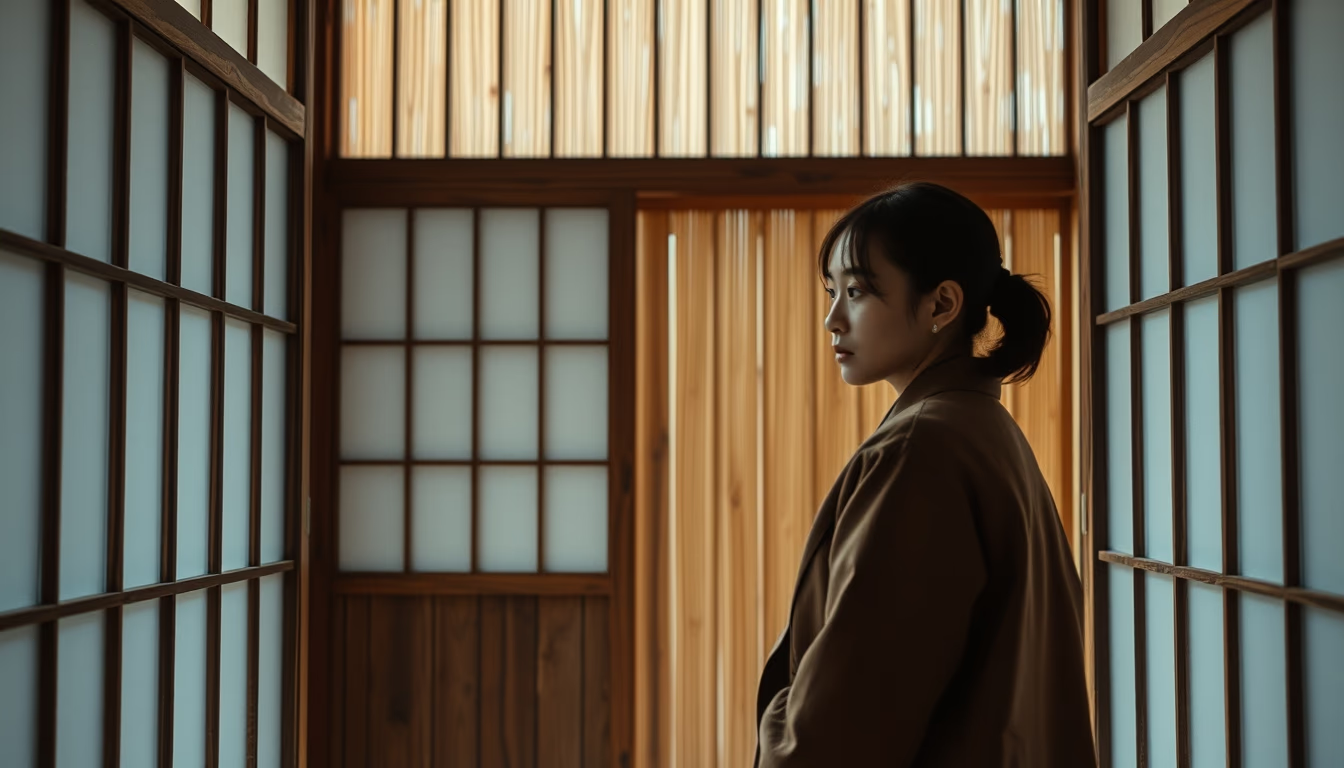
The Zen tea house, or chashitsu, is a central element of the Japanese tea ceremony (chanoyu), a practice blending spirituality, aesthetics, and hospitality. Traditionally located in tranquil gardens in rural Japan, such as Kyoto or the mountains of Uji, these houses follow the sukiya-zukuri architectural style, characterized by natural materials, simplicity, and integration with the landscape. Thatched or cedar roofs, earthen walls, and rice-paper shoji windows create a subdued ambiance that invites introspection.
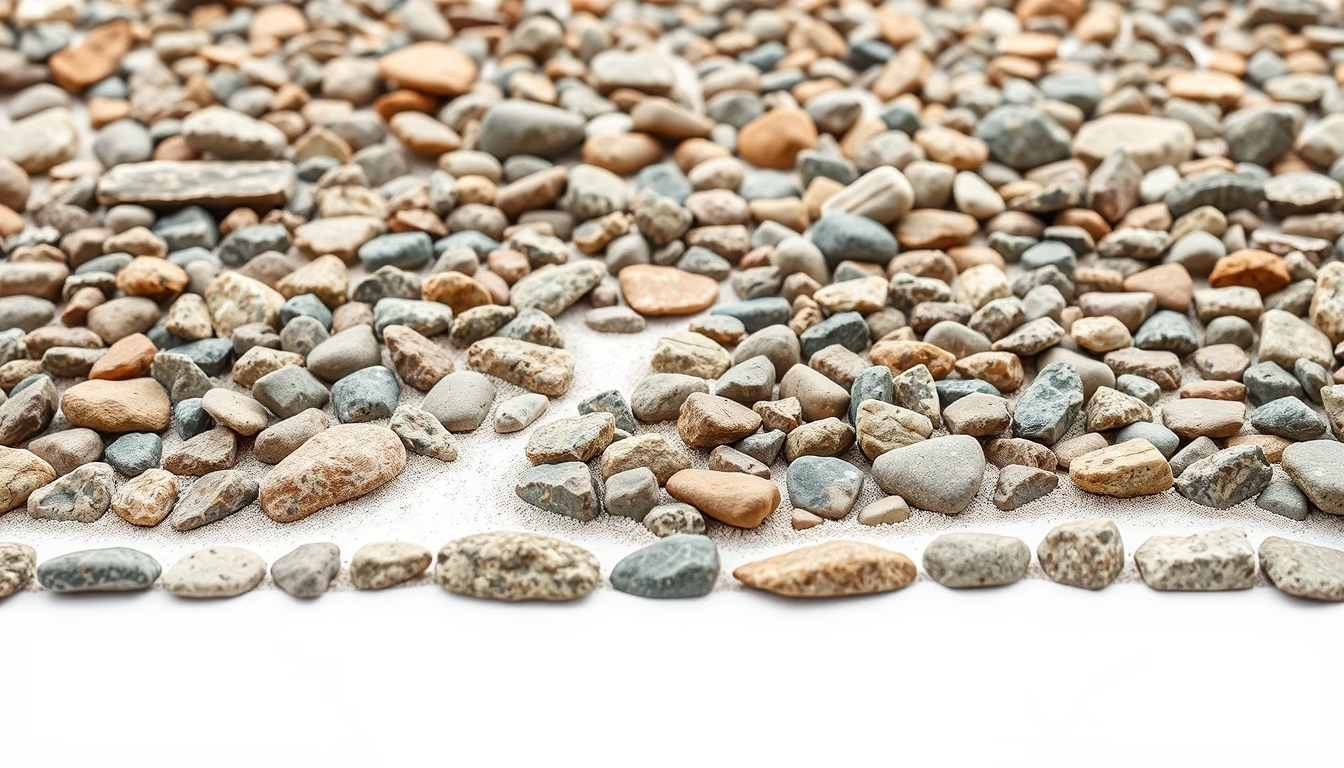
The tea ceremony was influenced by Zen Buddhism, which values mindfulness and simplicity. Tea master Sen no Rikyū (16th century) codified the principles of wabi-sabi: finding beauty in the imperfect, incomplete, and ephemeral. In the tea house, every detail, from the alcove (tokonoma) with a scroll and flower arrangement to the stone path (roji) leading to the entrance, is designed to prepare guests for a meditative experience.
In rural areas, these tea houses often belong to temples or traditional families, used for seasonal ceremonies and intimate gatherings. Unlike modern urban versions, rural houses maintain authenticity closer to the Edo period, using local materials and artisanal techniques. The natural surroundings, such as a view of a pond or a bamboo forest, are integral to the setting, reinforcing the connection between humans and nature.
Today, the practice of chanoyu continues actively, with schools like Urasenke and Omotesenke spreading the tradition globally. However, the authentic rural Japanese experience, with tea houses nestled in bucolic landscapes, attracts visitors seeking tranquility and cultural immersion. Preserving these historical structures is essential to maintaining Japan's spiritual and architectural heritage.
Frequently Asked Questions
What is the difference between a rural and an urban tea house in Japan?
Rural tea houses are often more authentic, closer to the original Edo period style, using local and artisanal materials. Urban ones may have modern adaptations, but both follow wabi-sabi and chanoyu principles.
How does Zen Buddhism influence tea house architecture?
Zen emphasizes simplicity and mindfulness. This is reflected in minimalist design, natural materials, and garden integration, creating a space that promotes meditation and aesthetic appreciation.
Can I visit a traditional tea house in rural Japan?
Yes, many historical tea houses in regions like Kyoto, Uji, and Kanazawa are open to the public. Some offer traditional tea ceremonies, but advance booking and etiquette are recommended.
Direct URL
https://pub-c7d6a6ea828543ac903a74a341ccb2e1.r2.dev/imagens/zen-tea-house-rural-japan-high-fashion-editorial-fresh0.avifHow to credit
Include a visible link back to UtilizAí. Copy one of the snippets below:
<a href="https://xn--utiliza-eza.com/en/midia/imagens/zen-tea-house-rural-japan-high-fashion-editorial-fresh0">Zen tea house rural japan</a> by <a href="https://xn--utiliza-eza.com">UtilizAí</a>, licensed under <a href="https://creativecommons.org/licenses/by/4.0/">CC BY 4.0</a>.
[Zen tea house rural japan](https://xn--utiliza-eza.com/en/midia/imagens/zen-tea-house-rural-japan-high-fashion-editorial-fresh0) by [UtilizAí](https://xn--utiliza-eza.com), CC BY 4.0
License: CC-BY-4.0