Zen tea house rural japan
1344×768 · AVIF · CC BY 4.0
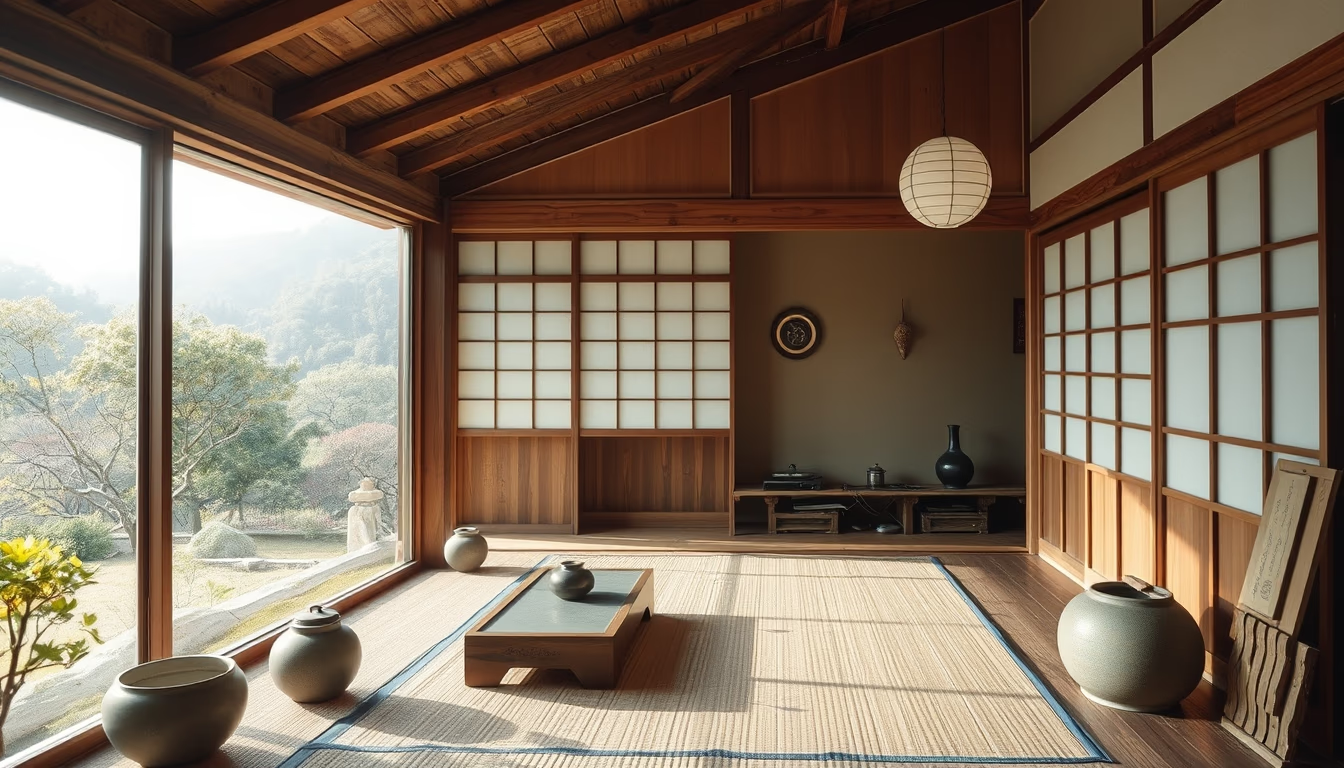
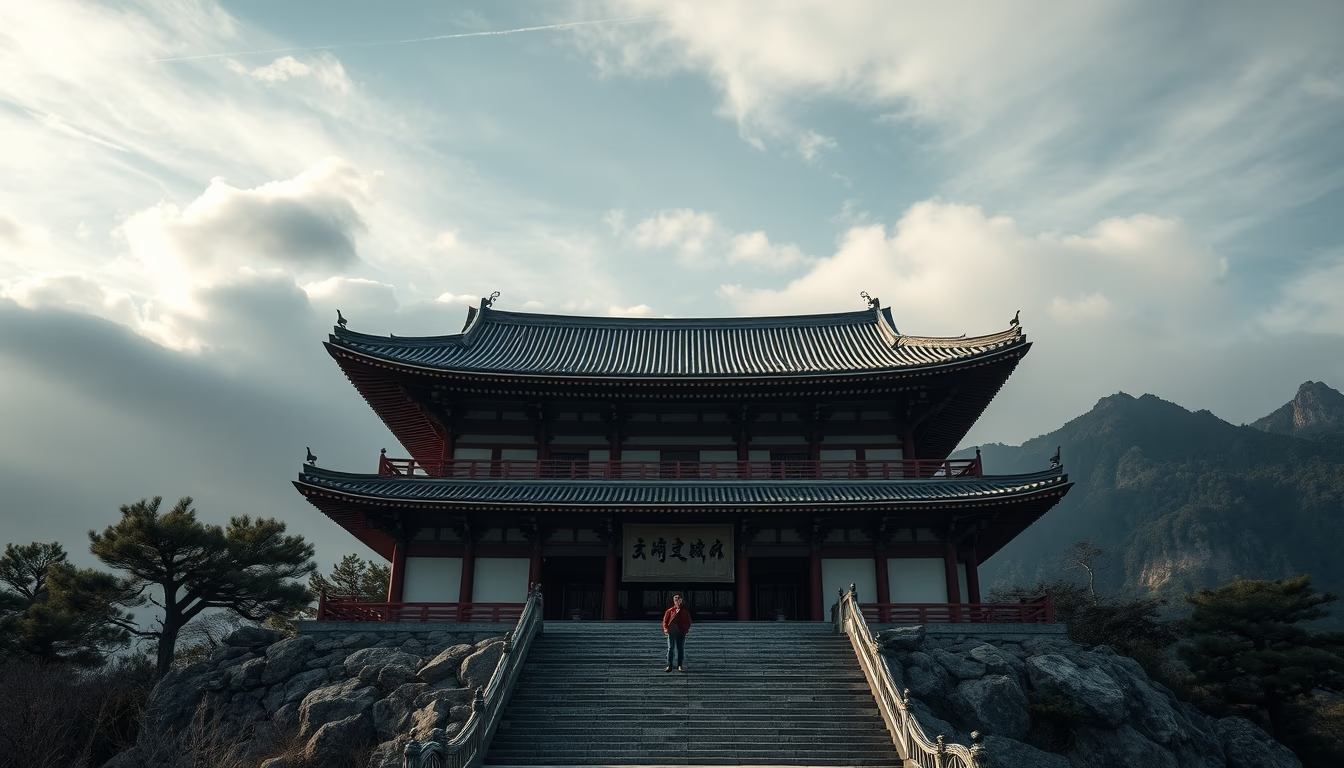
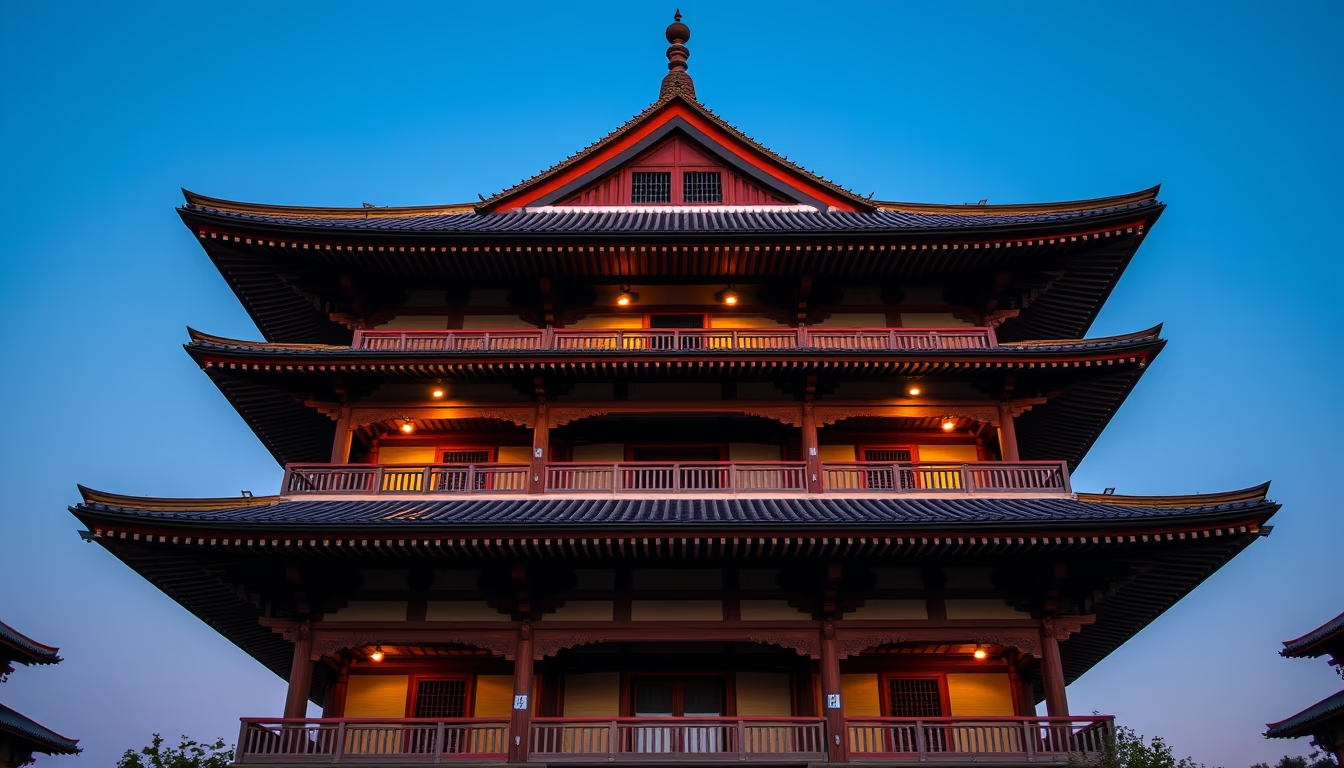
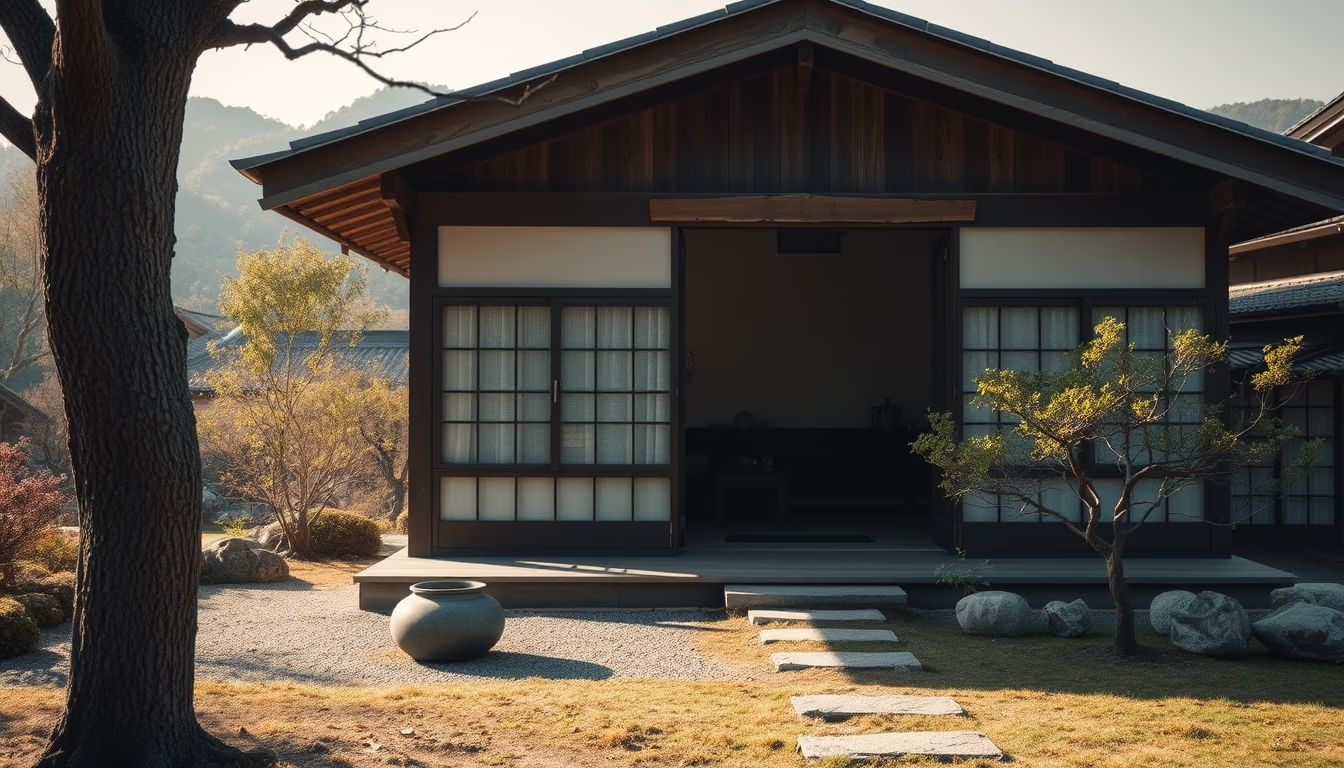
Zen tea houses in rural Japan blend minimalist architecture with Zen Buddhist principles, creating spaces for contemplation and tea ceremony.
About this subject
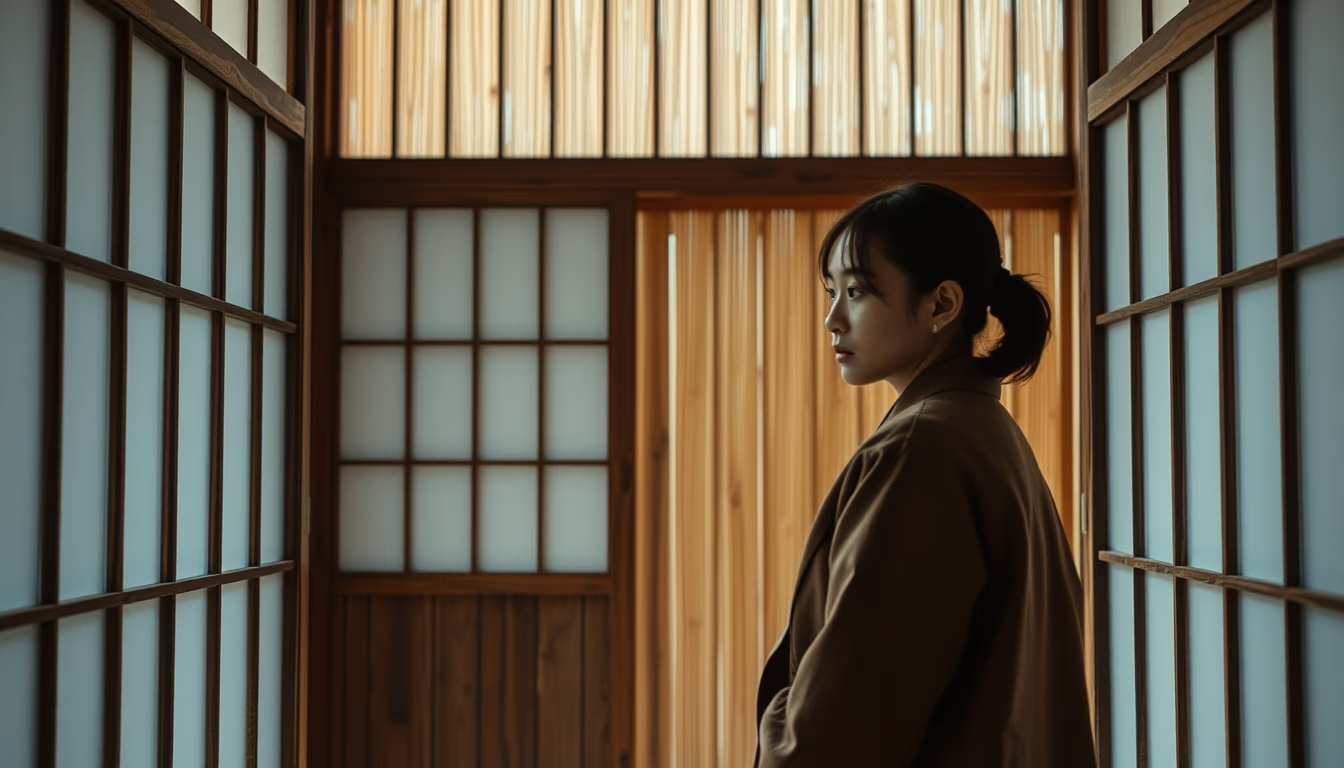
Zen tea houses, known as chashitsu, are traditional Japanese structures designed for the tea ceremony (chanoyu). Often located in rural areas or carefully landscaped gardens, these buildings follow the aesthetic principles of wabi-sabi, valuing simplicity, imperfection, and transience. The environment is deliberately modest: tatami floors, sliding paper doors (shoji), low wooden ceilings, and an alcove (tokonoma) displaying a calligraphy scroll or seasonal flower arrangement. The entrance is a small opening called nijiriguchi, which forces visitors to bow as they enter, symbolizing humility and equality.
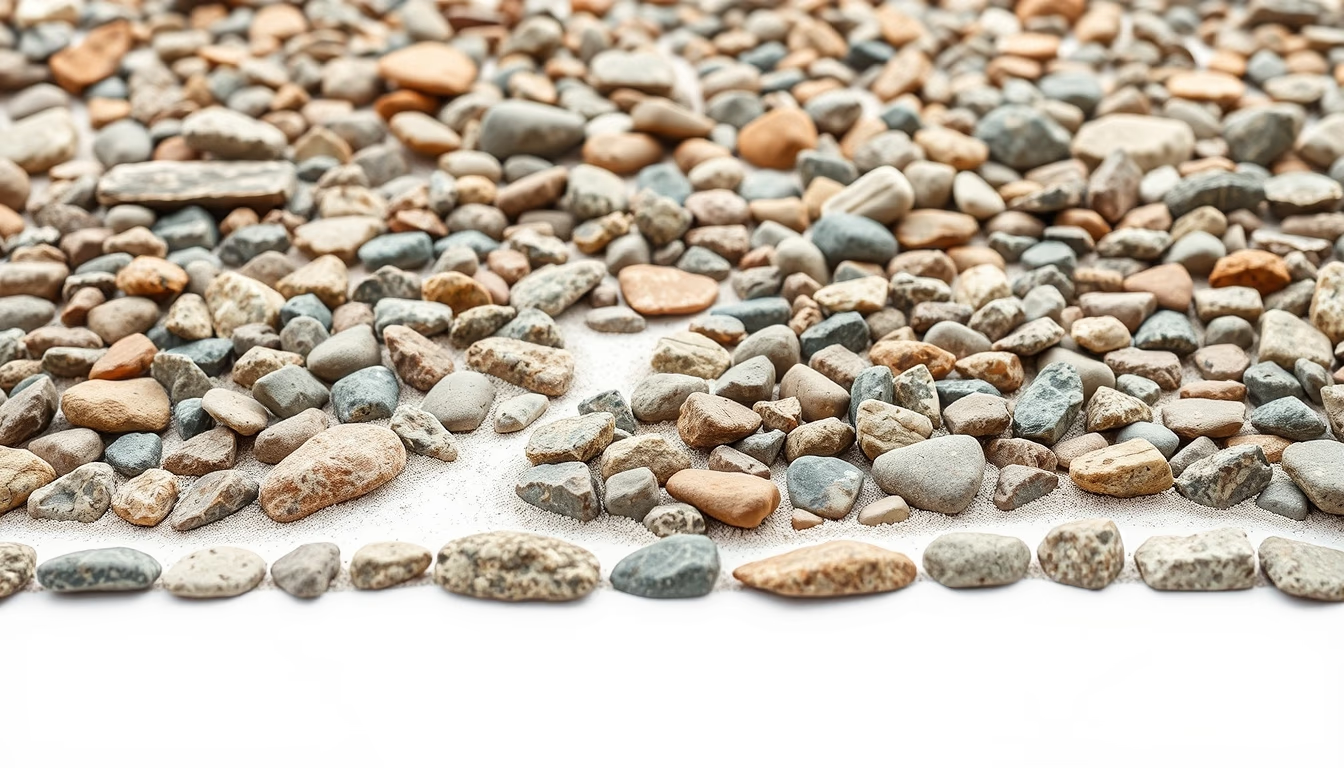
The history of the Zen tea house dates back to the 16th century, with tea master Sen no Rikyu, who established the standards of the tea ceremony and influenced chashitsu architecture. Rikyu advocated for wabi aesthetics, finding beauty in rusticity and silence. Many rural tea houses, such as those found in Kyoto (e.g., at Ginkaku-ji temple) or in mountainous areas like Uji, maintain this tradition. The stone path (roji) leading to the tea house prepares the guest for the experience, featuring stone lanterns and water basins for purification.
Beyond the tea ceremony, these houses serve as spaces for meditation and contemplation of nature. The rural setting allows integration with the natural environment, with windows strategically positioned to frame views of trees, mountains, or gardens. The design aims to isolate external noise and promote mindfulness. Today, many of these tea houses are cultural heritage sites, open to visitors who wish to experience the Japanese tea tradition in its original context.
Frequently Asked Questions
What is a Zen tea house?
It is a traditional Japanese structure called chashitsu, designed for the tea ceremony and meditation, following the wabi-sabi aesthetic principles of Zen Buddhism.
Why is the stone path (roji) leading to the tea house important?
The roji mentally prepares guests by separating them from the outside world. It includes stone lanterns and a water basin for hand washing, symbolizing purification before the ceremony.
Where can I find traditional Zen tea houses in rural Japan?
Places like Kyoto (Ginkaku-ji and Daitoku-ji temples), Uji, and mountainous areas of Kanazawa have historical tea houses. Many are open to the public for visits and ceremonies.
Direct URL
https://pub-c7d6a6ea828543ac903a74a341ccb2e1.r2.dev/imagens/zen-tea-house-rural-japan-documentary-photography-fresh10.avifHow to credit
Include a visible link back to UtilizAí. Copy one of the snippets below:
<a href="https://xn--utiliza-eza.com/en/midia/imagens/zen-tea-house-rural-japan-documentary-photography-fresh10">Zen tea house rural japan</a> by <a href="https://xn--utiliza-eza.com">UtilizAí</a>, licensed under <a href="https://creativecommons.org/licenses/by/4.0/">CC BY 4.0</a>.
[Zen tea house rural japan](https://xn--utiliza-eza.com/en/midia/imagens/zen-tea-house-rural-japan-documentary-photography-fresh10) by [UtilizAí](https://xn--utiliza-eza.com), CC BY 4.0
License: CC-BY-4.0