Wax seal stamp
1344×768 · AVIF · CC BY 4.0
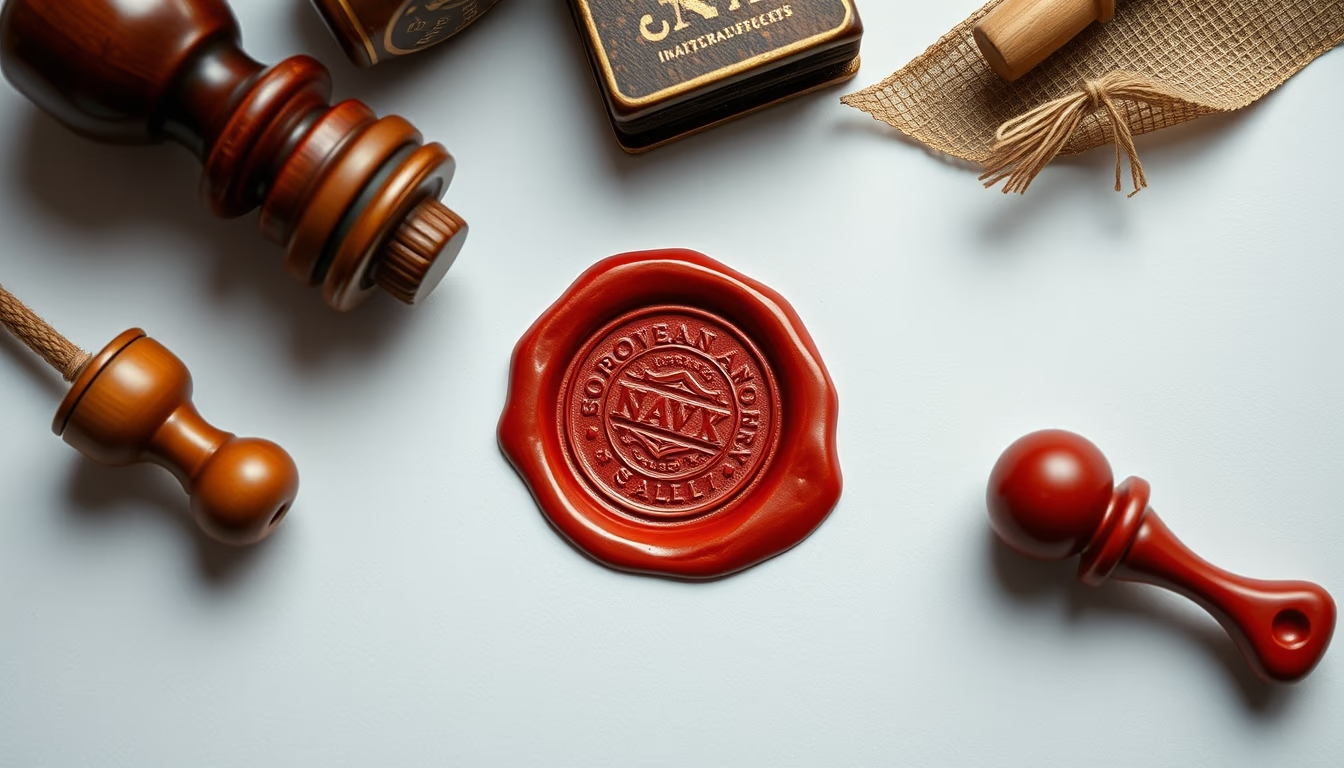
The wax seal stamp is a classic tool for authentication and personalization, used for centuries to seal important correspondence and documents.
About this subject
The wax seal stamp originated in the Middle Ages, when nobility and institutions like the Catholic Church needed to ensure the inviolability of messages and decrees. Hot wax was poured onto paper and pressed with a seal, usually a ring or engraved matrix bearing coats of arms, initials, or heraldic symbols. This method not only protected the contents from prying eyes but also attested to the sender's authenticity, functioning as a visual signature.
Seals varied in material and shape: the most sophisticated were carved from precious metals, semi-precious stones, or ivory, while popular versions used brass or steel alloys. The intaglio engraving allowed the image imprinted in the wax to appear correctly oriented. Besides family crests, many seals bore mottos, corporate stamps, or personal monograms, creating a distinct visual language.
With the rise of gummed envelopes in the 19th century, wax sealing declined in everyday correspondence but never disappeared. Today, the wax seal stamp is experiencing a revival in ceremonial contexts: weddings, formal invitations, handcrafted stationery, and even scrapbooking or bullet journaling. Modern sealing wax is made from thermoplastic resin, beeswax, and pigments, allowing colors such as classic red, gold, blue, or black. For a perfect result, the wax is melted, a drop is applied to the surface, and the stamp is pressed for a few seconds.
For collectors, antique seals are objects of historical study, often associated with noble families or religious orders. Each seal tells a story: the design can reveal trades, virtues, or political alliances. There are also regional seals that incorporate local flora and fauna, such as the Brazilian imperial coat of arms or the seals of Canadian provinces. The art of sigillography, the study of seals, is an auxiliary discipline of history that helps date and authenticate ancient documents.
Frequently Asked Questions
How to properly use a wax seal stamp?
Melt the wax until liquid (using a spoon or a dedicated melting spoon), drip a drop onto the paper, and press the stamp for 10 to 15 seconds. Let it cool before handling.
What is the historical origin of wax sealing?
Wax sealing dates back to the Roman Empire, but became popular in medieval Europe, especially among nobility and religious institutions to authenticate documents.
What materials were used in antique seals?
Seals were made of metals like gold, silver, or brass; stones such as agate or jasper; and even ivory. Engraving was done by specialized goldsmiths.
Direct URL
https://pub-c7d6a6ea828543ac903a74a341ccb2e1.r2.dev/imagens/wax-seal-stamp-isometric-flat-lay-p2.avifHow to credit
Include a visible link back to UtilizAí. Copy one of the snippets below:
<a href="https://xn--utiliza-eza.com/en/midia/imagens/wax-seal-stamp-isometric-flat-lay-p2">Wax seal stamp</a> by <a href="https://xn--utiliza-eza.com">UtilizAí</a>, licensed under <a href="https://creativecommons.org/licenses/by/4.0/">CC BY 4.0</a>.
[Wax seal stamp](https://xn--utiliza-eza.com/en/midia/imagens/wax-seal-stamp-isometric-flat-lay-p2) by [UtilizAí](https://xn--utiliza-eza.com), CC BY 4.0
License: CC-BY-4.0