Watercolor splash
1344×768 · AVIF · CC BY 4.0
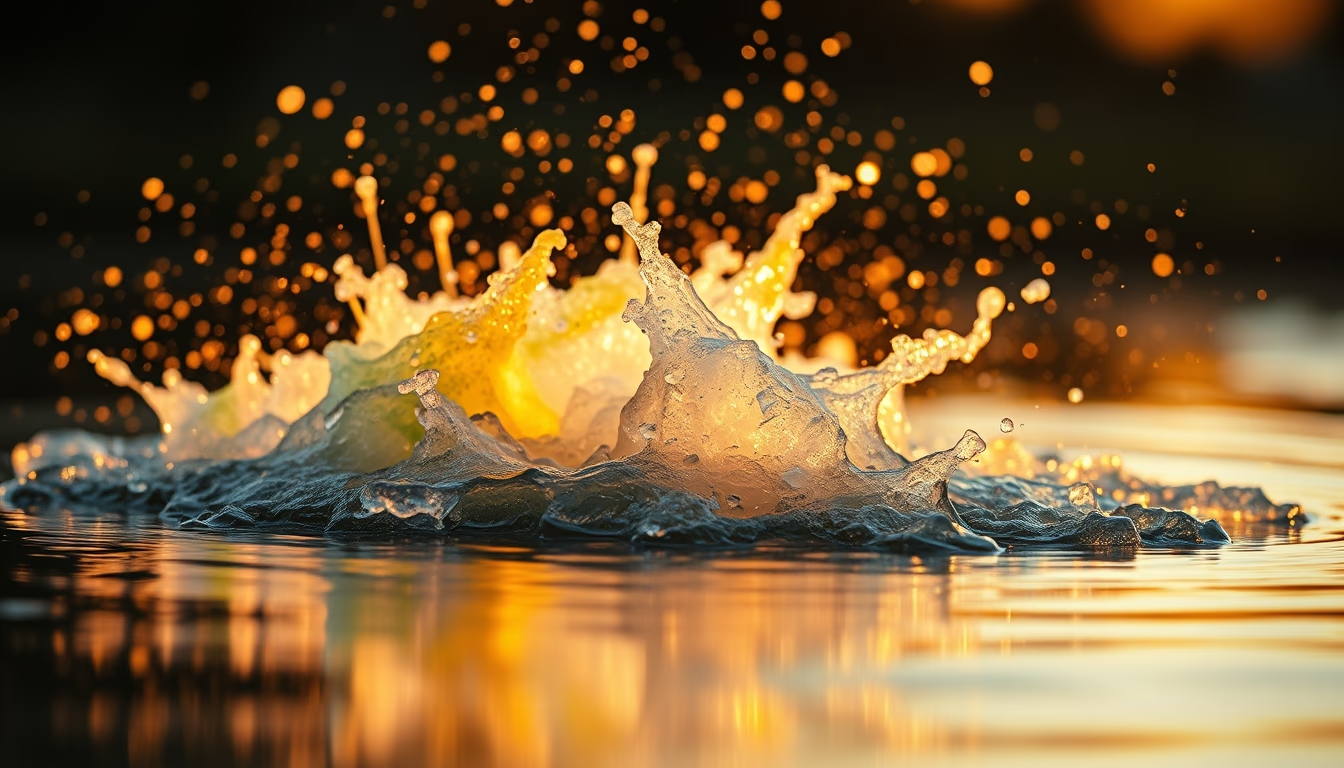
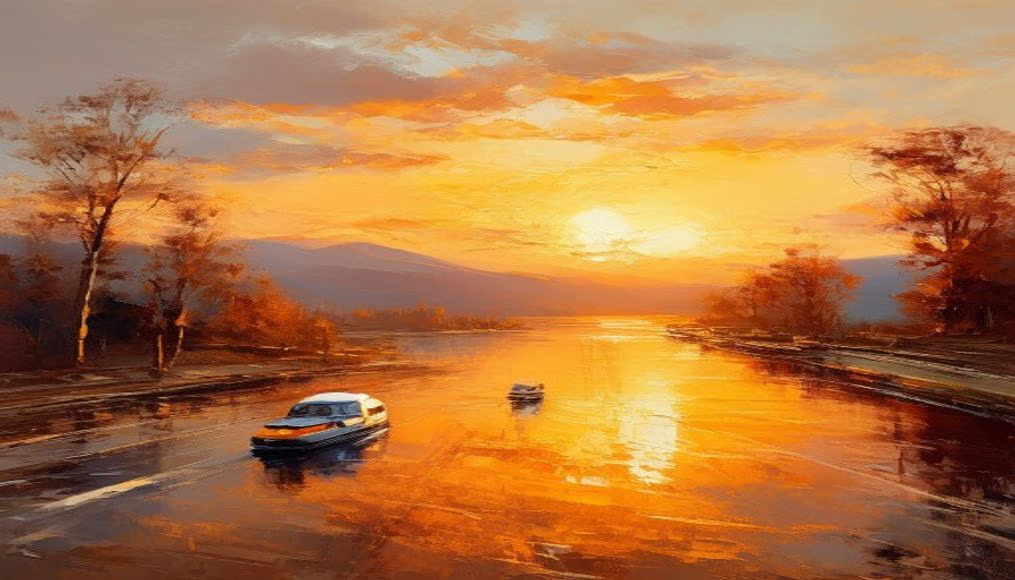
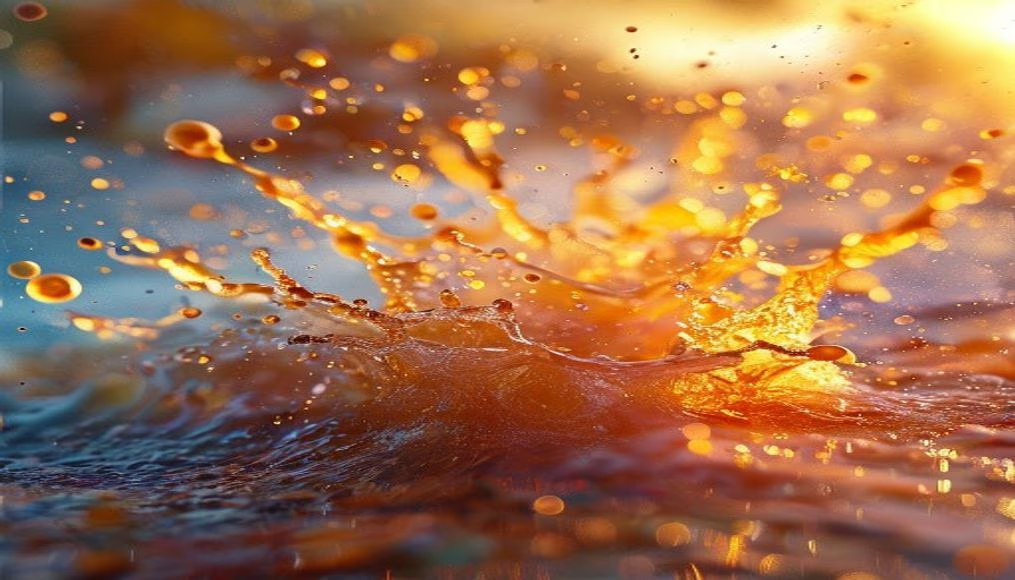
Watercolor splashes create fluid, organic compositions, an ancient technique combining pigments and water for unpredictable effects.
About this subject
Watercolor is one of the oldest painting techniques in the world, with records dating back to cave paintings where natural pigments were mixed with water. In ancient China and Japan, watercolor developed as a refined art form, especially during the Tang dynasty (618-907 AD), where ink and water landscapes were valued for their spontaneity and expressiveness.
The technique consists of suspending pigments in a water-based vehicle, applying them to paper or other absorbent surfaces. The result is characterized by transparency, fluidity, and the ability to create smooth gradients. Artists such as J.M.W. Turner and John Singer Sargent elevated watercolor to a level of sophistication in the 19th century, exploring its luminous and atmospheric effects.
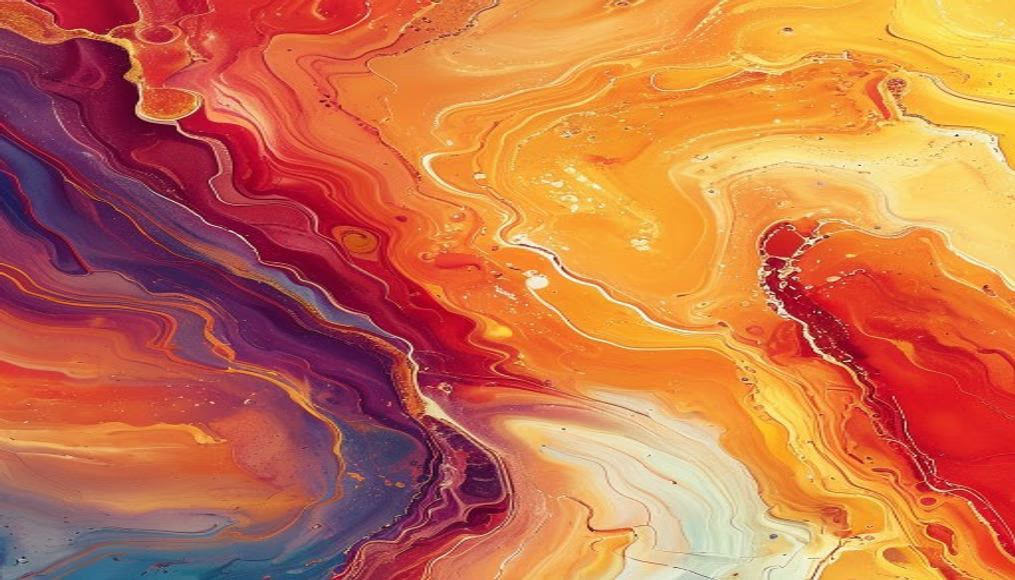
In contemporary contexts, watercolor splashes are often used in graphic design, illustration, and abstract art. The unpredictability of the medium, where water can cause pigments to spread in unexpected ways, is part of its aesthetic appeal. Each splash is unique, resulting from the interaction between paint viscosity, paper absorbency, and brush movement.
Interestingly, watercolor is also used in scientific fields, such as botany, where detailed plant illustrations are made with this technique due to its precision and delicacy. Additionally, the "wet-on-wet" technique allows colors to blend directly on the paper, creating organic effects reminiscent of natural formations like clouds or marble.
Frequently Asked Questions
What is the difference between watercolor and gouache?
Watercolor is transparent, allowing the paper color to show through, while gouache is opaque and completely covers the surface. Both are water-based, but gouache contains more pigment and binder, resulting in denser coverage.
What type of paper is best for watercolor?
Watercolor paper should be absorbent and water-resistant. The most common are made of cotton or cellulose, with a weight above 200 g/m². Cold-pressed papers have medium texture, ideal for beginners, while hot-pressed papers are smooth and suitable for fine details.
How to prevent watercolor colors from becoming muddy?
To avoid muddy colors, use clean brushes and avoid mixing too many pigments at once. Work from light to dark, allowing each layer to dry before applying the next. The quality of pigments also matters: artist-grade colors tend to be more vibrant.
Direct URL
https://pub-c7d6a6ea828543ac903a74a341ccb2e1.r2.dev/imagens/watercolor-splash-cinematic-wide-shot-v2.avifHow to credit
Include a visible link back to UtilizAí. Copy one of the snippets below:
<a href="https://xn--utiliza-eza.com/en/midia/imagens/watercolor-splash-cinematic-wide-shot-v2">Watercolor splash</a> by <a href="https://xn--utiliza-eza.com">UtilizAí</a>, licensed under <a href="https://creativecommons.org/licenses/by/4.0/">CC BY 4.0</a>.
[Watercolor splash](https://xn--utiliza-eza.com/en/midia/imagens/watercolor-splash-cinematic-wide-shot-v2) by [UtilizAí](https://xn--utiliza-eza.com), CC BY 4.0
License: CC-BY-4.0