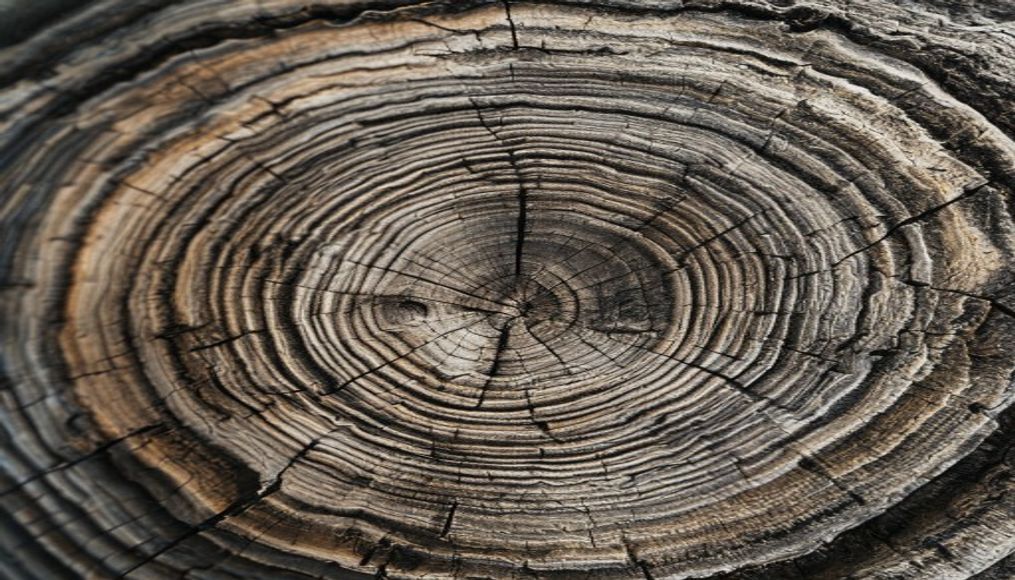
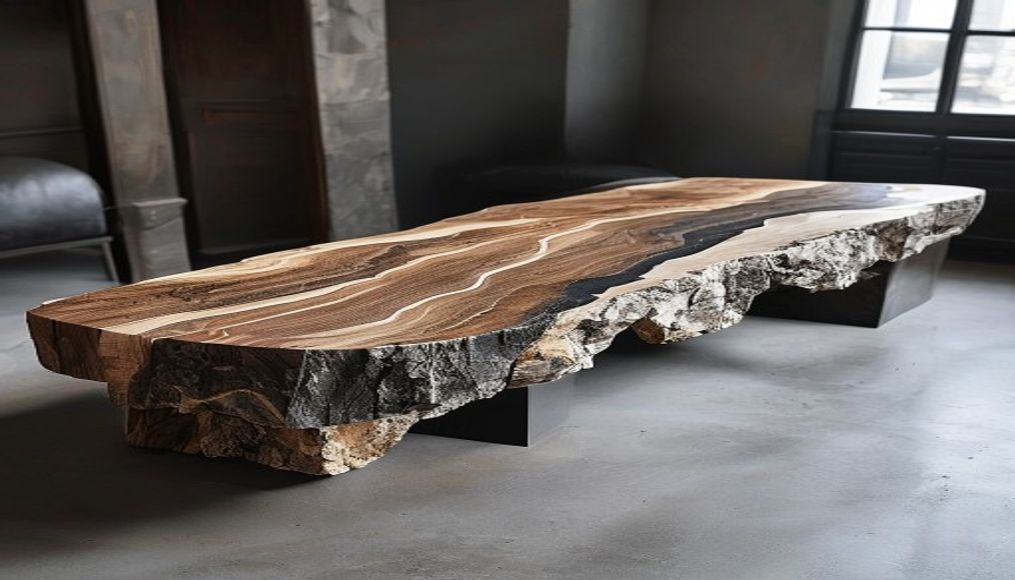
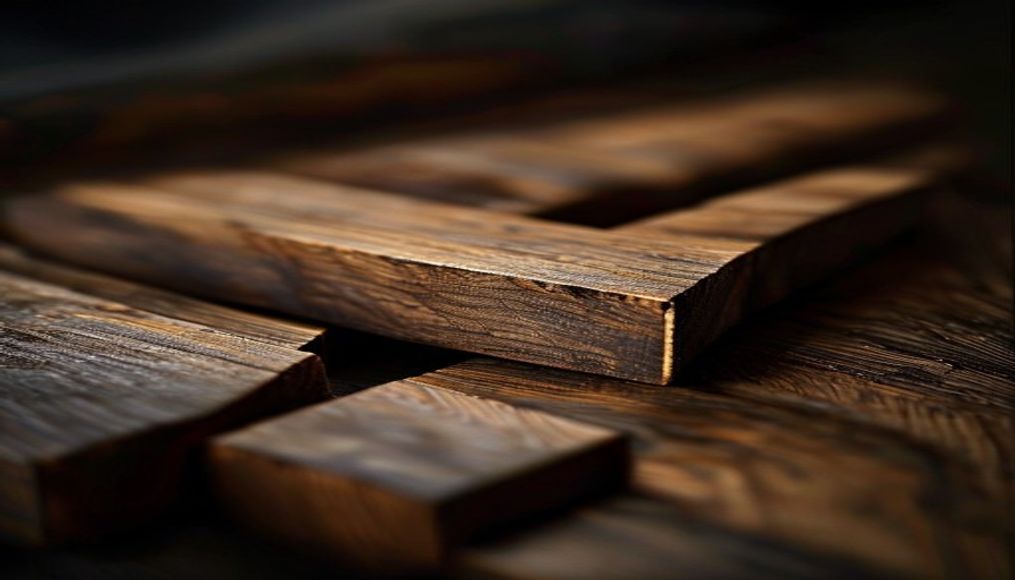
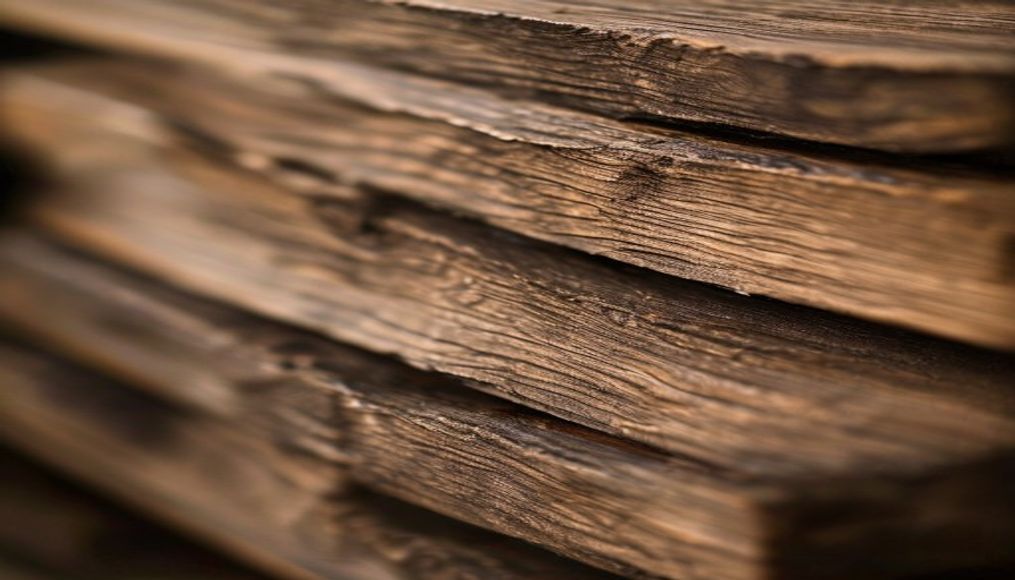
Walnut grain pattern
1344×768 · JPG · CC BY 4.0
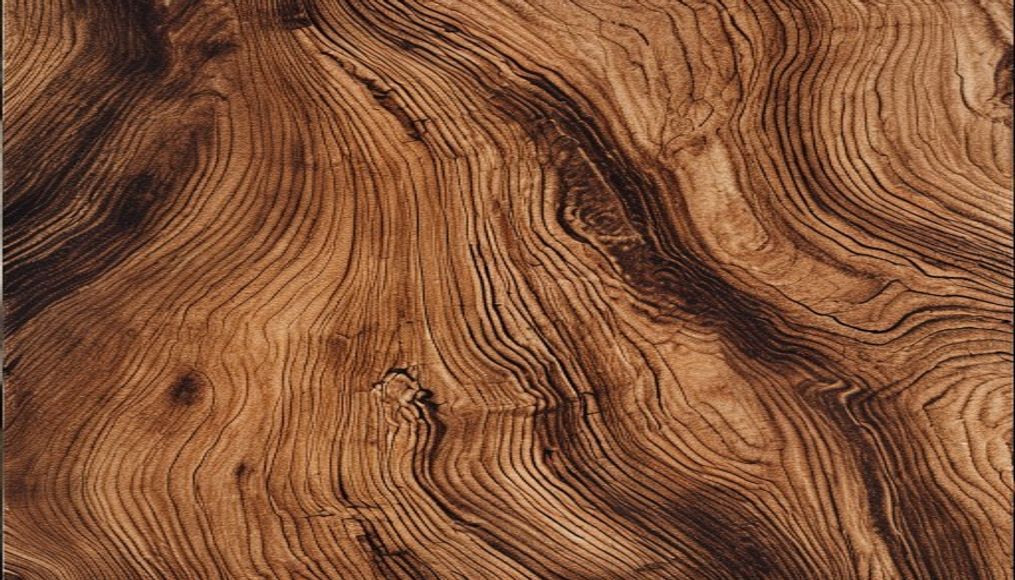
The walnut grain pattern is one of the most prized in woodworking, combining natural beauty with durability.
About this subject
Walnut wood (genus Juglans) is renowned for its distinctive grain pattern, ranging from straight to wavy and occasionally featuring figures like crotches and burls. This variation arises from fiber arrangement and growth rings, influenced by genetic and environmental factors. American black walnut (Juglans nigra) is especially prized for its deep chocolate brown color and striking grains, which darken with age and light exposure.
Historically, walnut has been used in fine furniture, luxury car panels, and gun stocks since the 18th century. Its dimensional stability and resistance to cracking make it ideal for detailed carvings and marquetry. In Brazil, imported walnut is common in high-end projects, while native species like pecan (Carya illinoinensis) offer equally attractive grains.
Walnut grain patterns can be classified into four main types: straight (parallel lines), curly (gentle waves), spalted (sharp angles), and figured (bird's eye or flame). Each is determined by the cut orientation: tangential for figured, radial for straight. Woodworkers carefully select boards based on desired pattern, as it directly influences the final piece's aesthetics.
Interestingly, walnut is a slow-growing species, contributing to its density and tight grain. Century-old trees produce the most valuable patterns, especially those grown in well-drained soils. Demand for sustainable walnut has led to certifications like FSC, ensuring forest management respects natural cycles.
Frequently Asked Questions
Why is walnut grain so prized in woodworking?
Walnut grain is valued for its natural beauty, with patterns ranging from straight to figured, combined with high durability and stability, making it ideal for fine furniture and luxury items.
How can you identify authentic walnut grain?
Authentic walnut has a chocolate-brown color that darkens with age, well-defined grain, and medium porosity. Common patterns include straight, curly, and figures like crotch (bifurcation).
What are the main uses of walnut wood?
Walnut is used in fine furniture, flooring, automotive panels, gun stocks, musical instruments, and marquetry, owing to its strength and aesthetic appeal.
Direct URL
https://pub-c7d6a6ea828543ac903a74a341ccb2e1.r2.dev/imagens/walnut-grain-pattern-minimalist-composition-p4.jpgHow to credit
Include a visible link back to UtilizAí. Copy one of the snippets below:
<a href="https://xn--utiliza-eza.com/en/midia/imagens/walnut-grain-pattern-minimalist-composition-p4">Walnut grain pattern</a> by <a href="https://xn--utiliza-eza.com">UtilizAí</a>, licensed under <a href="https://creativecommons.org/licenses/by/4.0/">CC BY 4.0</a>.
[Walnut grain pattern](https://xn--utiliza-eza.com/en/midia/imagens/walnut-grain-pattern-minimalist-composition-p4) by [UtilizAí](https://xn--utiliza-eza.com), CC BY 4.0
License: CC-BY-4.0