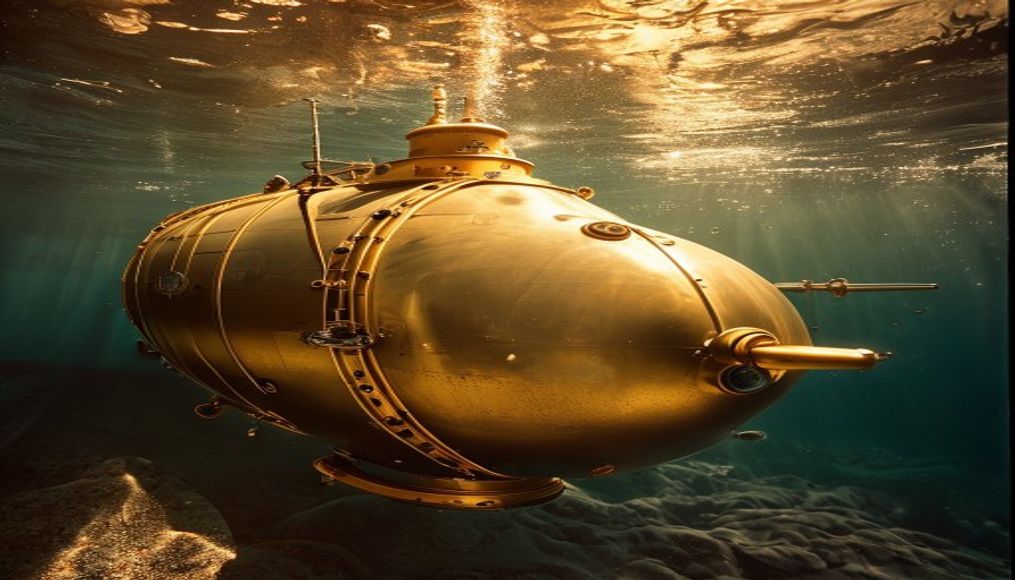
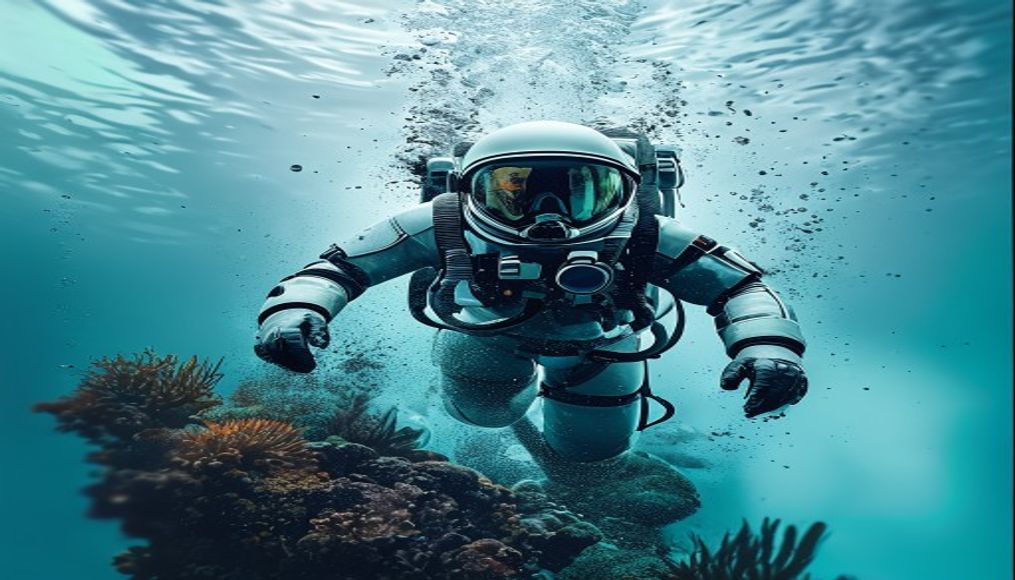
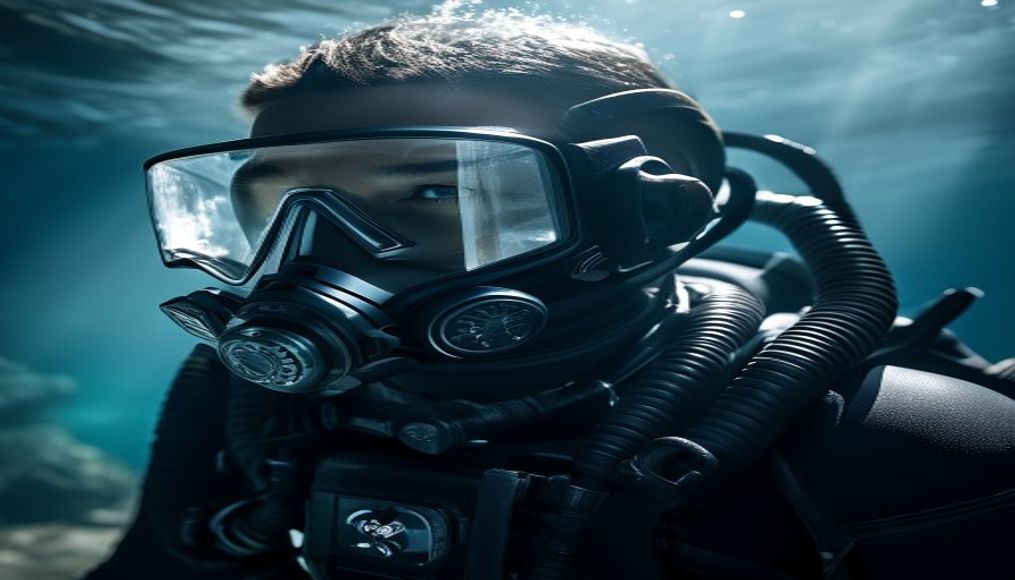
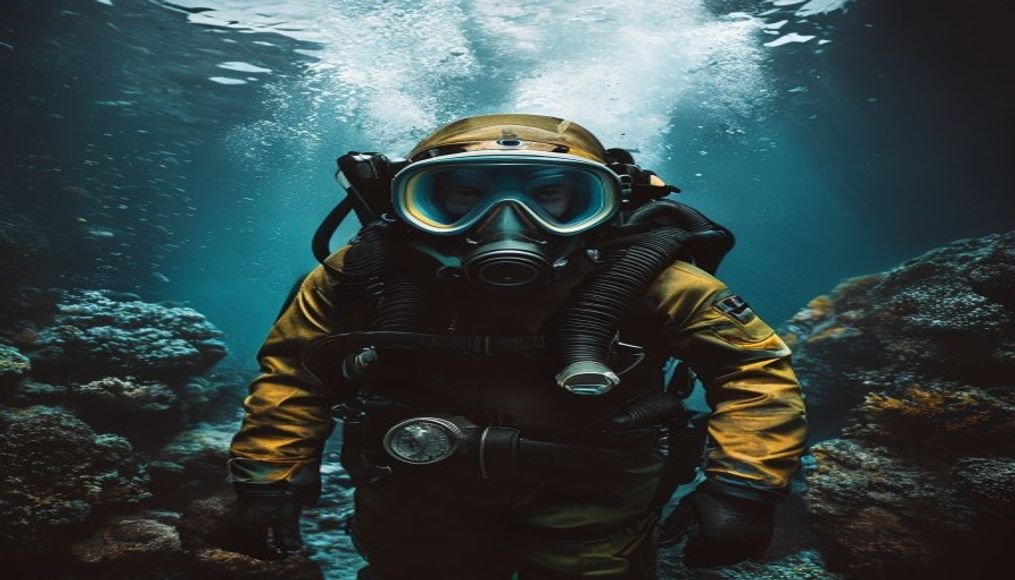
Underwater habitat aquanaut
1344×768 · AVIF · CC BY 4.0
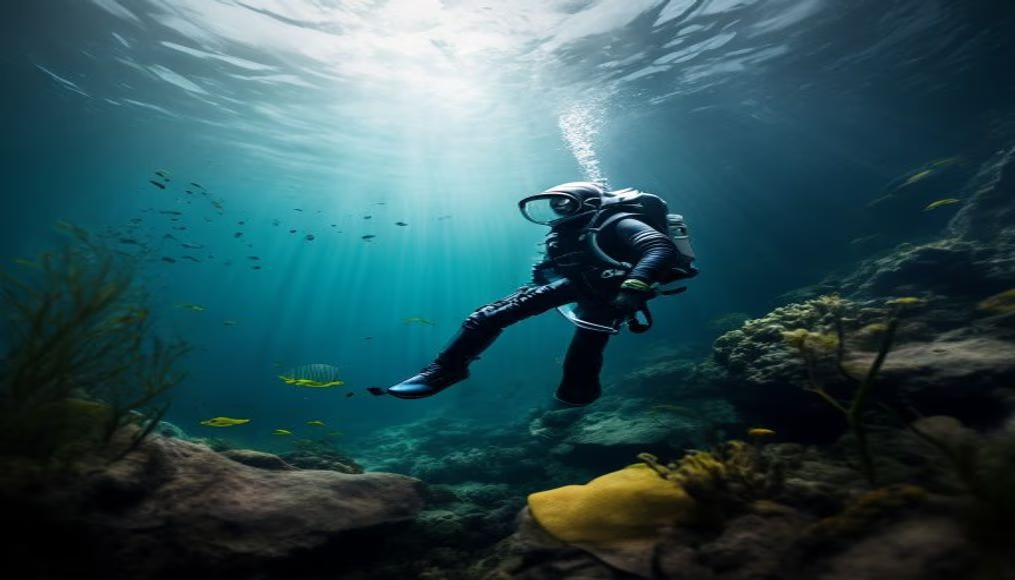
Aquanauts live in underwater habitats for scientific research and ocean exploration. Learn how these structures work and their role in oceanography.
About this subject
An underwater habitat is a structure designed to allow humans to live and work underwater for extended periods. Unlike submarines or scuba diving, these habitats maintain internal pressure equal to the outside environment, eliminating the need for decompression. The first successful habitat was Conshelf I (1962), conceived by Jacques Cousteau off the coast of Marseille. Today, projects like the Aquarius Reef Base in the US and the Marine Technology Centre in Japan continue the tradition.
Aquanauts spend days or weeks in the habitat, conducting research in marine biology, geology, engineering, and astronaut training. The experience is compared to space missions due to isolation and technical challenges. The International Space Station (ISS) has an underwater analog: NEEMO (NASA Extreme Environment Mission Operations) uses Aquarius to simulate life on Mars.
Living in the habitat requires adaptation: freeze-dried food, limited water for hygiene, and constant monitoring of oxygen and CO2 levels. Windows allow direct observation of marine life. The main advantage is the ability to make daily dives without time limits, as internal pressure is adjusted. These habitats are expensive and rare, but crucial for advancing oceanography.
Frequently Asked Questions
What is an aquanaut?
An aquanaut is a professional who lives and works in an underwater habitat, conducting scientific research or training. The term derives from Latin aqua (water) and nauta (sailor), similar to astronaut.
How does pressure work in an underwater habitat?
The internal pressure of the habitat is kept equal to the surrounding water pressure, usually at the same depth as the base. This allows aquanauts to exit for dives without decompression, as they are already acclimated to the local pressure.
Are there active underwater habitats today?
Yes. The most famous is the Aquarius Reef Base, operated by Florida International University in the United States. Other examples include the Marine Technology Centre in Japan and modular habitats used by private companies for resource exploration.
Direct URL
https://pub-c7d6a6ea828543ac903a74a341ccb2e1.r2.dev/imagens/underwater-habitat-aquanaut-minimalist-composition-p1.avifHow to credit
Include a visible link back to UtilizAí. Copy one of the snippets below:
<a href="https://xn--utiliza-eza.com/en/midia/imagens/underwater-habitat-aquanaut-minimalist-composition-p1">Underwater habitat aquanaut</a> by <a href="https://xn--utiliza-eza.com">UtilizAí</a>, licensed under <a href="https://creativecommons.org/licenses/by/4.0/">CC BY 4.0</a>.
[Underwater habitat aquanaut](https://xn--utiliza-eza.com/en/midia/imagens/underwater-habitat-aquanaut-minimalist-composition-p1) by [UtilizAí](https://xn--utiliza-eza.com), CC BY 4.0
License: CC-BY-4.0