Underwater habitat aquanaut
1344×768 · AVIF · CC BY 4.0
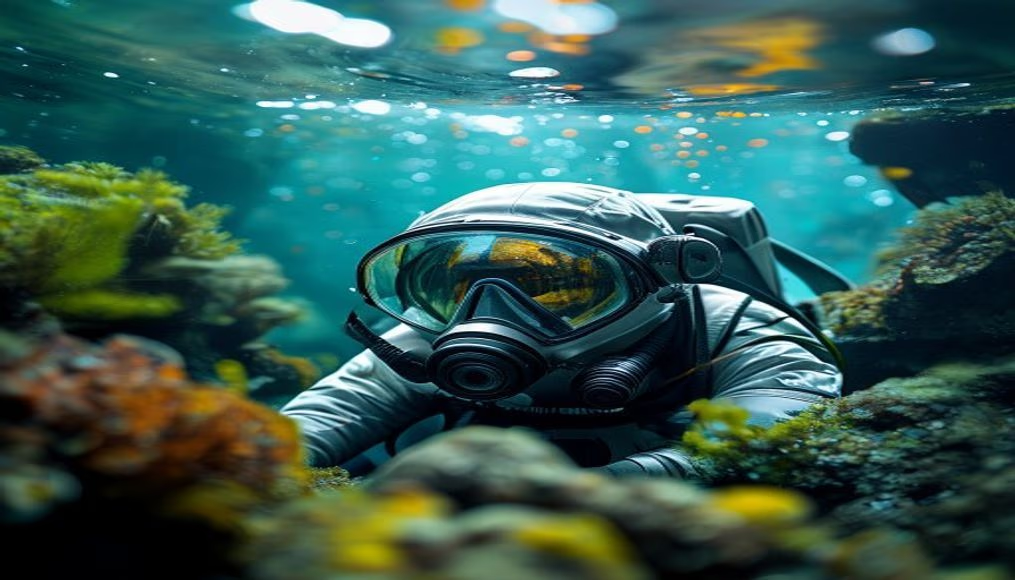
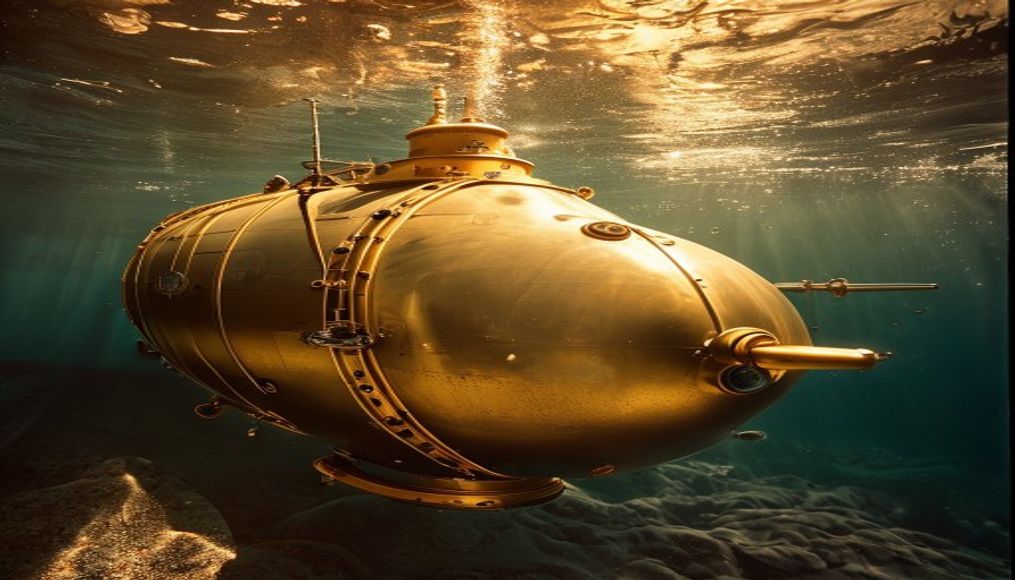
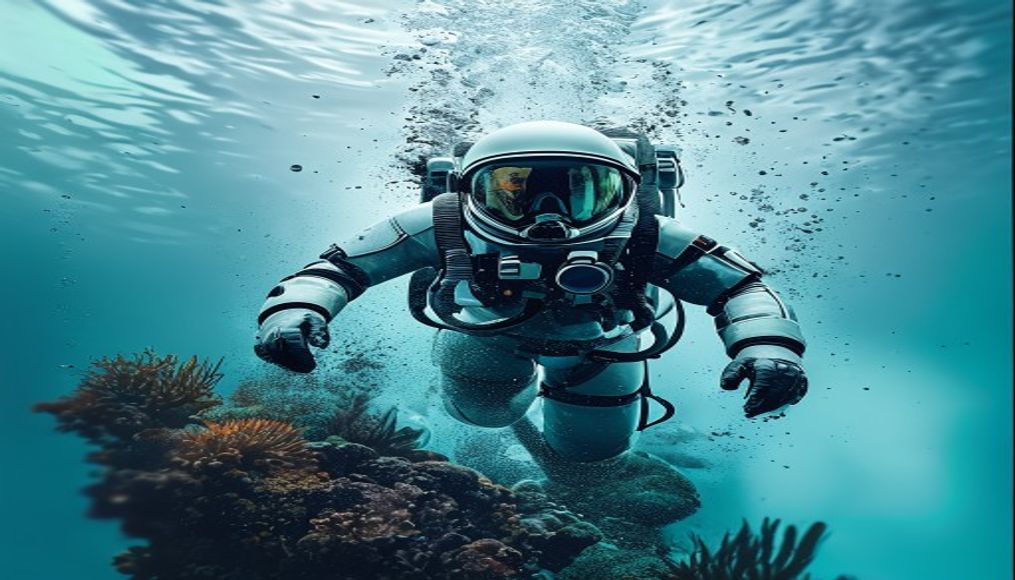
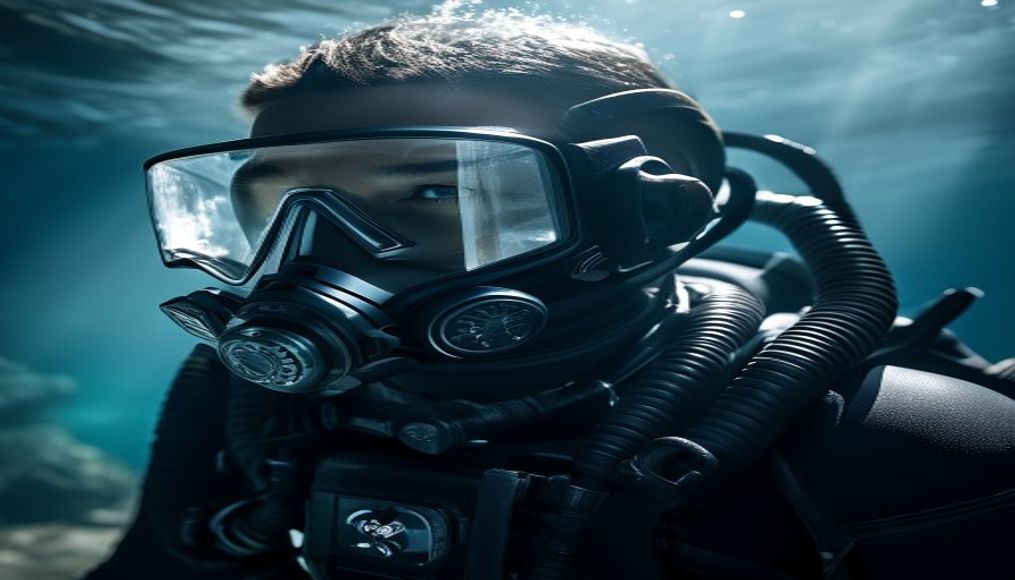
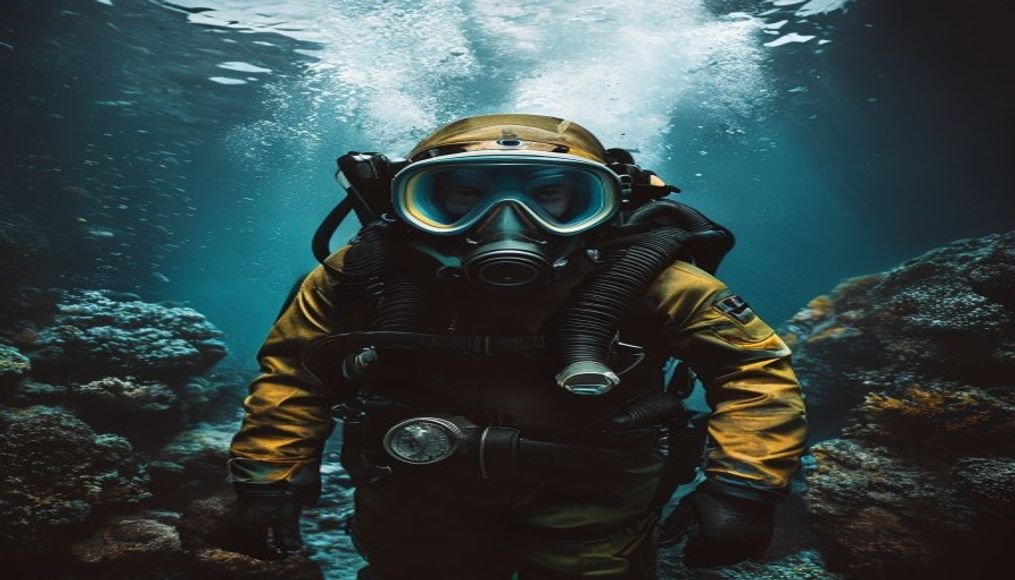
Aquanauts are scientists and explorers who live in submerged habitats to study the seafloor, facing extreme pressure and isolation.
About this subject
Aquanauts are professionals who inhabit submerged structures, known as underwater habitats, for extended periods. Unlike regular divers, they live under constant pressure, conducting scientific research in the deep marine environment. The concept was popularized by Jacques Cousteau with the Conshelf project in the 1960s, which proved it possible to live and work on the seafloor for weeks.
Today, the most famous habitat is the Aquarius Reef Base, located at 19 meters depth in the Florida Keys, USA. NASA uses this habitat to simulate space missions through the NEEMO program (NASA Extreme Environment Mission Operations). Aquanauts spend 10 to 14 days there, performing experiments in biology, geology, and engineering, as well as testing technologies for lunar and Martian exploration.
Living underwater requires intense training. Aquanauts breathe a gas mixture with nitrogen and oxygen, adjusted to prevent nitrogen narcosis at shallow depths. Decompression upon returning to the surface is gradual, possibly taking hours, to avoid decompression sickness. Food is precooked and stored, and waste disposal is carefully managed to avoid contaminating the environment.
The scientific importance of these missions is immense. Habitats allow continuous studies of coral reefs, nutrient dynamics, species behavior, and climate change impacts. Aquanauts also investigate ocean microbiology, contributing to the discovery of new bioactive compounds. Interestingly, the experience of isolation and confinement helps prepare astronauts for long space voyages, reinforcing the link between ocean and space exploration.
Frequently Asked Questions
How long can an aquanaut stay submerged?
It depends on the habitat and mission. At Aquarius Reef Base, typical stays last 10 to 14 days. In historical missions like Conshelf, aquanauts spent up to 30 days underwater.
How do aquanauts breathe underwater?
They use a life support system that provides a breathable gas mixture, usually compressed air or mixes like nitrox (oxygen and nitrogen). The habitat's internal pressure is equal to the external water pressure.
What is the difference between an aquanaut and an astronaut?
Both operate in extreme, isolated environments. Aquanauts explore the deep ocean under pressure, while astronauts explore space. Training and life support techniques differ, but there is overlap: NASA trains astronauts in underwater habitats to simulate microgravity and confinement.
Direct URL
https://pub-c7d6a6ea828543ac903a74a341ccb2e1.r2.dev/imagens/underwater-habitat-aquanaut-macro-closeup-p0.avifHow to credit
Include a visible link back to UtilizAí. Copy one of the snippets below:
<a href="https://xn--utiliza-eza.com/en/midia/imagens/underwater-habitat-aquanaut-macro-closeup-p0">Underwater habitat aquanaut</a> by <a href="https://xn--utiliza-eza.com">UtilizAí</a>, licensed under <a href="https://creativecommons.org/licenses/by/4.0/">CC BY 4.0</a>.
[Underwater habitat aquanaut](https://xn--utiliza-eza.com/en/midia/imagens/underwater-habitat-aquanaut-macro-closeup-p0) by [UtilizAí](https://xn--utiliza-eza.com), CC BY 4.0
License: CC-BY-4.0