Underwater habitat aquanaut
1344×768 · AVIF · CC BY 4.0
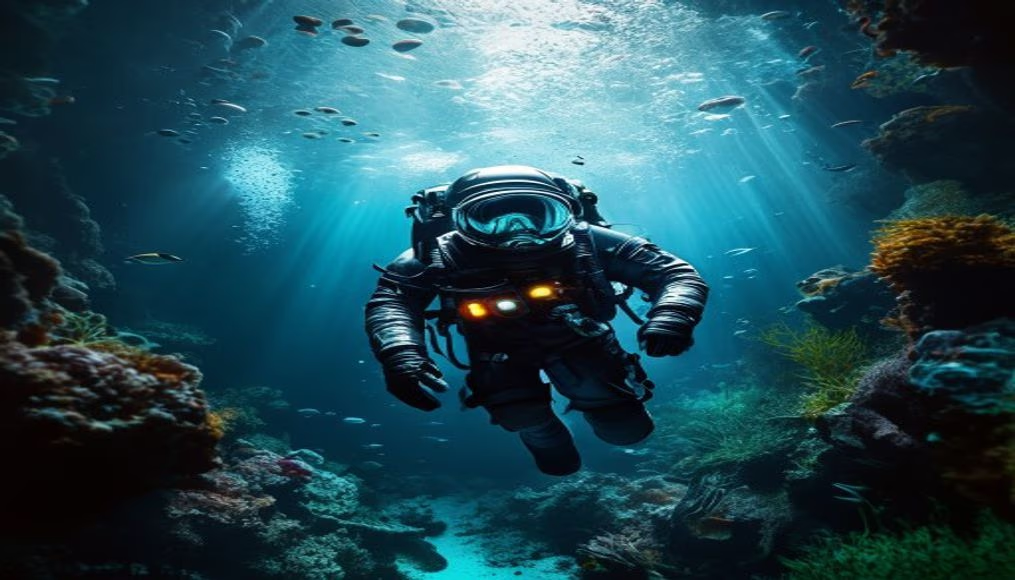
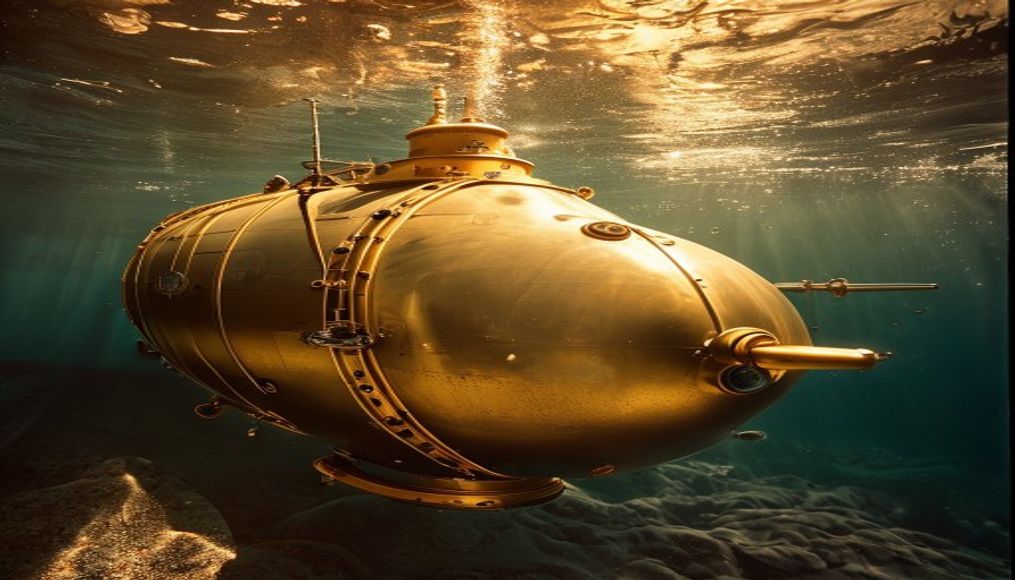
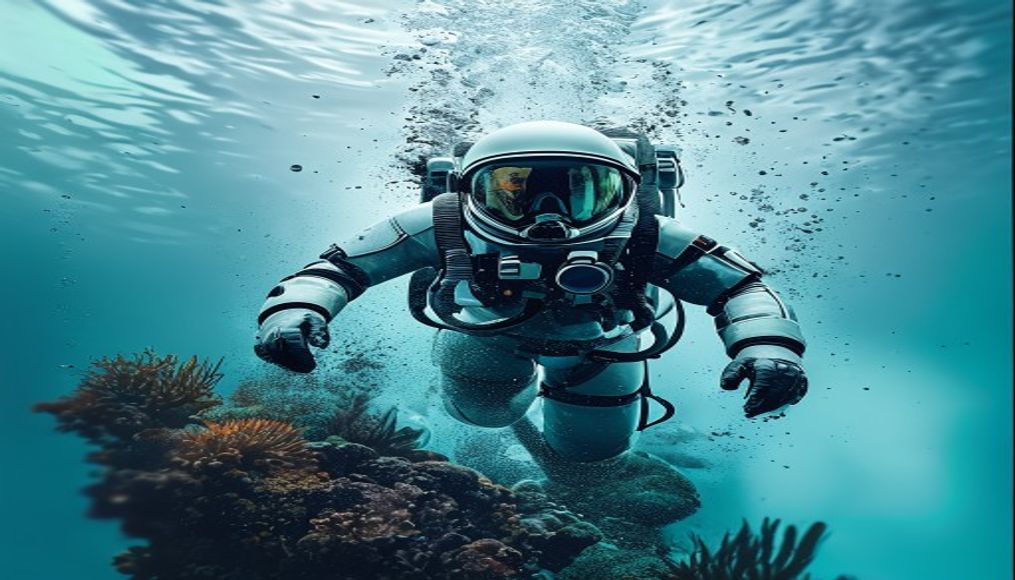
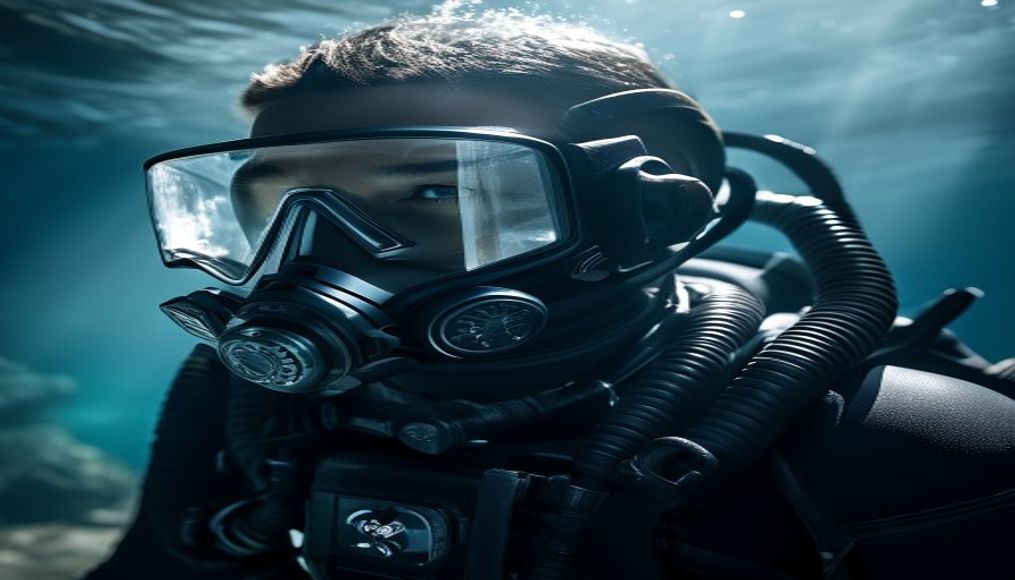
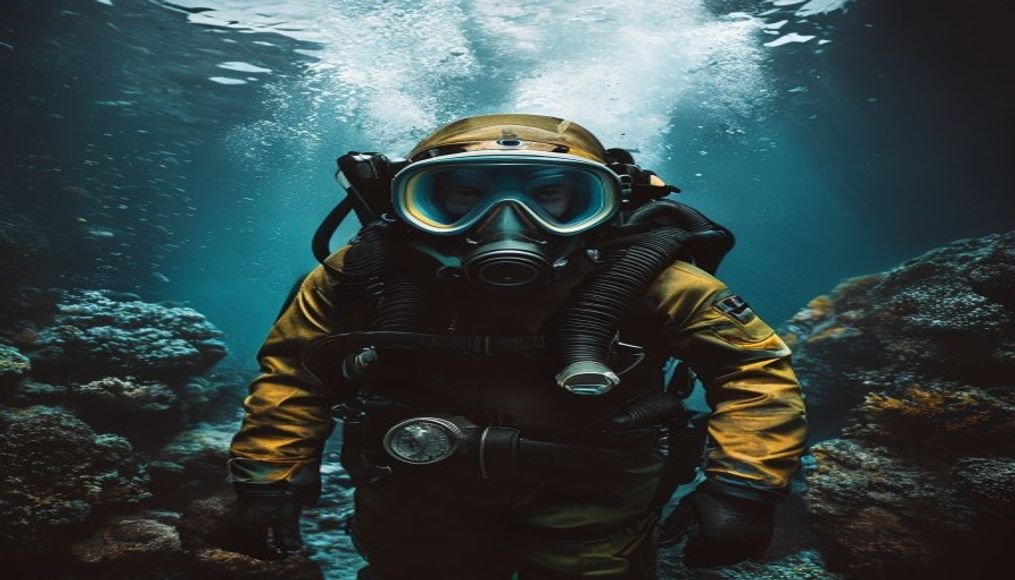
Aquanauts live in underwater habitats for days or weeks, conducting scientific research and simulating space missions in high-pressure environments.
About this subject
Underwater habitats are pressurized structures installed on the seafloor, enabling divers, known as aquanauts, to live and work beneath the surface for extended periods. Unlike ordinary scuba diving, where bottom time is limited by decompression risk, aquanauts use saturation diving: after several hours, their tissues become saturated with nitrogen, and decompression time depends only on depth, not duration. This allows missions lasting days or weeks, with scientists leaving the habitat only for targeted collections.
The first modern habitat was SEALAB, developed by the U.S. Navy in the 1960s. Today, the most famous is the Aquarius Reef Base, situated 18 meters deep off Florida, operated by Florida International University. It is used for oceanographic research and as an analog for space missions: NASA sends aquanaut crews to simulate isolation and extravehicular tasks for Mars. The confined environment, limited communication, and equipment failure risks replicate many space station challenges.
Brazil hosts the UFSC Underwater Laboratory, a shallow coastal habitat in Santa Catarina used mainly for training and marine biology studies. The practice requires intensive training in scuba diving, life support systems, and emergency procedures. Aquanauts must also cope with physiological effects such as nitrogen narcosis, as well as logistics of food and waste management in a tiny space.
Research in underwater habitats advances our understanding of human adaptation to extreme environments, marine ecosystem behavior, and the psychology of confined groups. Each expedition provides unique data for both ocean and space exploration, connecting two of humanity's greatest frontiers: the deep sea and outer space.
Frequently Asked Questions
What is an underwater habitat?
It is a pressurized structure placed on the seafloor that allows divers to live and work underwater for days or weeks using saturation diving techniques.
How do aquanauts avoid decompression sickness?
They use decompression chambers within the habitat or undergo gradual decompression at the end of the mission. Saturation controls risk with pre-calculated decompression times.
How are underwater habitats related to space missions?
NASA uses habitats like Aquarius Reef Base to simulate isolation, confinement, and extravehicular tasks, serving as an analog for future Mars missions.
Direct URL
https://pub-c7d6a6ea828543ac903a74a341ccb2e1.r2.dev/imagens/underwater-habitat-aquanaut-fine-art-photography-p2.avifHow to credit
Include a visible link back to UtilizAí. Copy one of the snippets below:
<a href="https://xn--utiliza-eza.com/en/midia/imagens/underwater-habitat-aquanaut-fine-art-photography-p2">Underwater habitat aquanaut</a> by <a href="https://xn--utiliza-eza.com">UtilizAí</a>, licensed under <a href="https://creativecommons.org/licenses/by/4.0/">CC BY 4.0</a>.
[Underwater habitat aquanaut](https://xn--utiliza-eza.com/en/midia/imagens/underwater-habitat-aquanaut-fine-art-photography-p2) by [UtilizAí](https://xn--utiliza-eza.com), CC BY 4.0
License: CC-BY-4.0