Tortoise galapagos giant
1344×768 · AVIF · CC BY 4.0
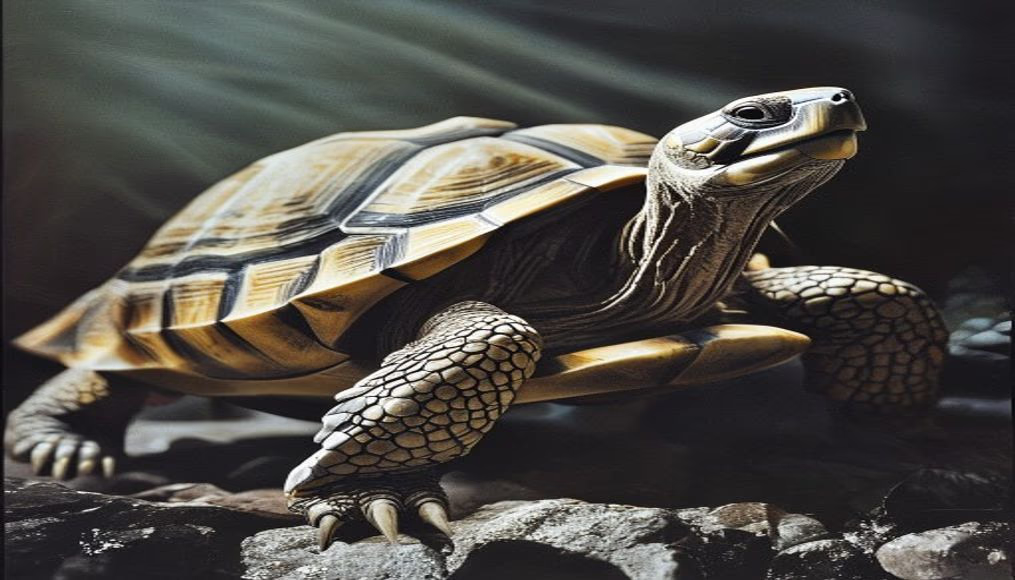
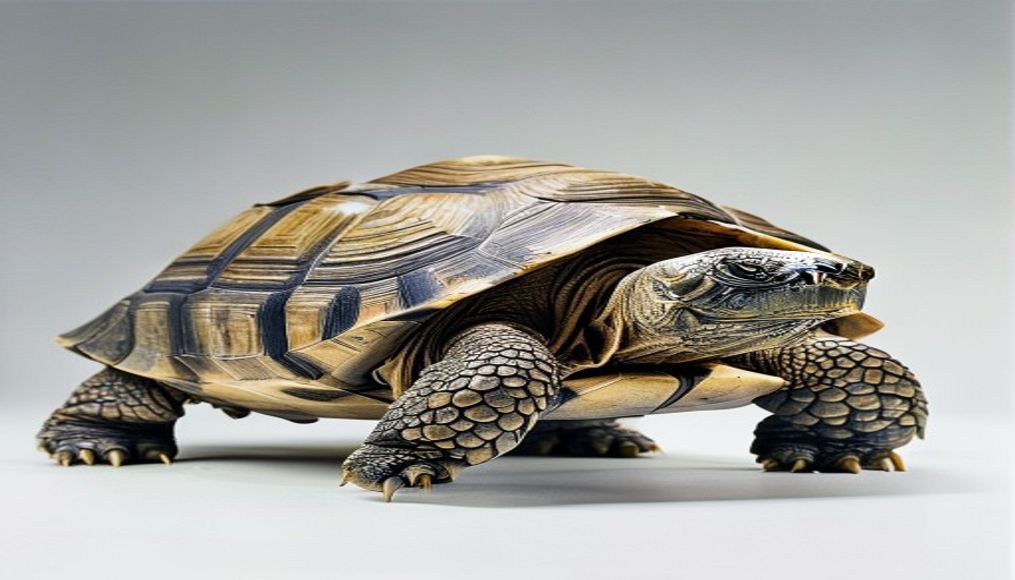
The Galapagos giant tortoise is the largest living tortoise, endemic to the Galapagos Islands and a symbol of species evolution.
About this subject
The Galapagos giant tortoise (Chelonoidis niger) is an iconic species endemic to the Galapagos Islands, Ecuador. These reptiles can reach up to 1.8 meters in length and weigh over 400 kilograms, making them the largest living tortoises. Several subspecies inhabit different islands, each adapted to specific habitats from arid lowlands to humid highlands. Their longevity is extraordinary: individuals can live over 150 years, with centenarian records in captivity.
These tortoises play a key ecological role as seed dispersers and ecosystem engineers, shaping vegetation by feeding on grasses, fruits, and cacti. During droughts, they survive for months without water by storing it in their bladders. Naturalist Charles Darwin studied variations among island populations during his 1835 visit, which influenced his theory of natural selection.
Historically, giant tortoises were hunted by sailors and whalers for fresh meat, causing drastic population declines. In the 20th century, invasive species like goats, rats, and pigs worsened the situation by destroying eggs and competing for resources. Conservation programs began in the 1960s, including captive breeding at the Santa Cruz Island Breeding Center, successfully reversing the trend. Today, around 20,000 individuals exist, still vulnerable but recovering.
Notable facts: "Lonesome George," the last Pinta Island subspecies, died in 2012 without offspring. However, a hybrid with some of his genes was discovered on another island in 2021, raising hopes. Galapagos biodiversity led to the creation of Galapagos National Park and UNESCO World Heritage designation.
Frequently Asked Questions
What is the difference between Galapagos giant tortoise subspecies?
Subspecies mainly differ in shell shape: saddle-backed shells (for reaching tall vegetation) and domed shells (typical of humid areas). They also vary in size and coloration depending on their home island.
Why are Galapagos giant tortoises so important for science?
They were crucial for Charles Darwin's theory of evolution by natural selection. Variations among island populations demonstrated how environment shapes species over time.
How many Galapagos giant tortoises exist today?
The total population is estimated at around 20,000 individuals across 12 surviving subspecies. Though still threatened, conservation efforts have gradually increased their numbers.
Direct URL
https://pub-c7d6a6ea828543ac903a74a341ccb2e1.r2.dev/imagens/tortoise-galapagos-giant-magazine-editorial-p2.avifHow to credit
Include a visible link back to UtilizAí. Copy one of the snippets below:
<a href="https://xn--utiliza-eza.com/en/midia/imagens/tortoise-galapagos-giant-magazine-editorial-p2">Tortoise galapagos giant</a> by <a href="https://xn--utiliza-eza.com">UtilizAí</a>, licensed under <a href="https://creativecommons.org/licenses/by/4.0/">CC BY 4.0</a>.
[Tortoise galapagos giant](https://xn--utiliza-eza.com/en/midia/imagens/tortoise-galapagos-giant-magazine-editorial-p2) by [UtilizAí](https://xn--utiliza-eza.com), CC BY 4.0
License: CC-BY-4.0