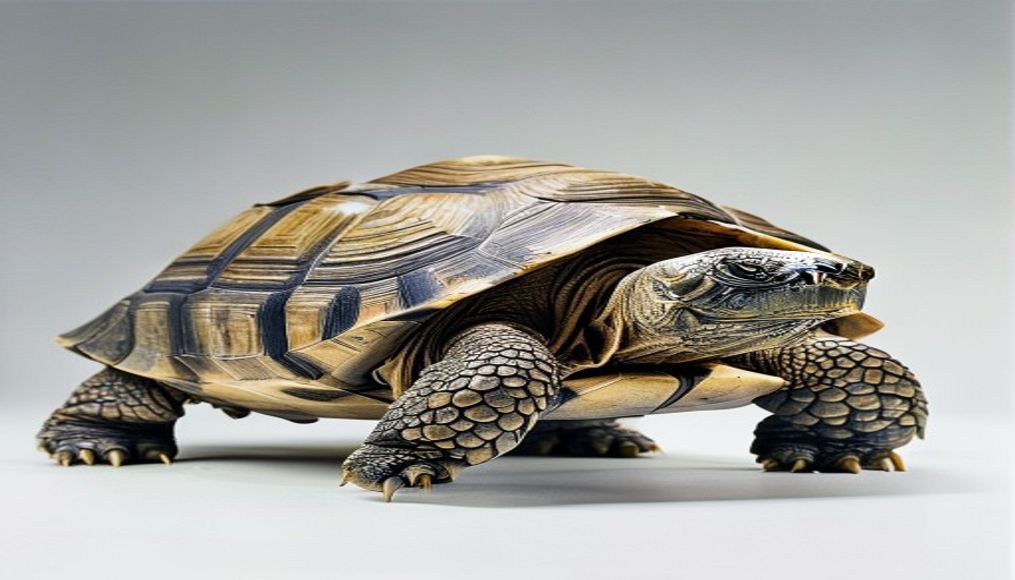
Tortoise galapagos giant
1344×768 · AVIF · CC BY 4.0
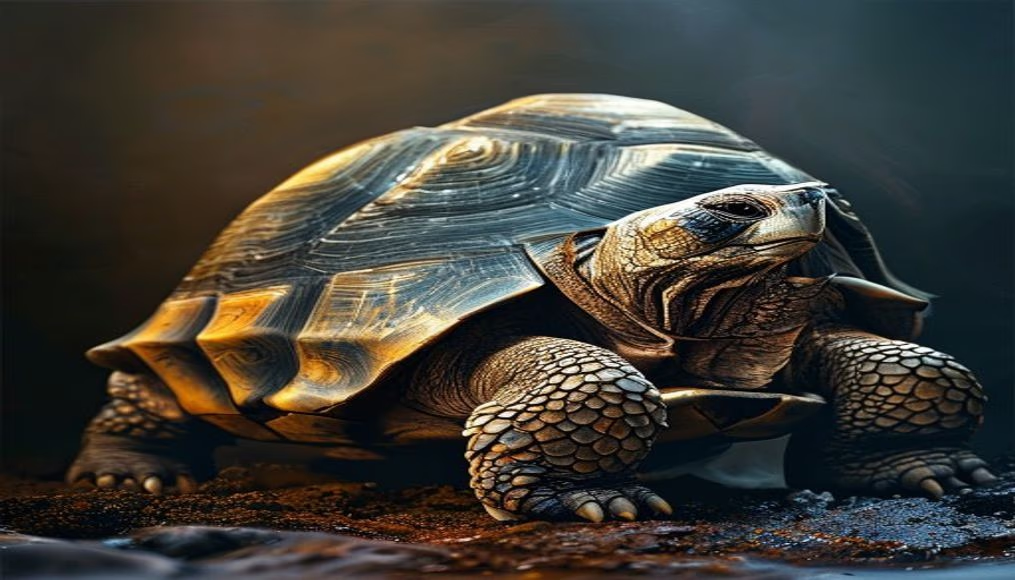
The Galapagos giant tortoise is the largest living tortoise, weighing up to 400 kg and living over 100 years.
About this subject
The Galapagos giant tortoise (Chelonoidis niger) is a iconic reptile endemic to the Galapagos Islands, Ecuador. It is the largest living tortoise species: males can reach 1.8 meters in length and weigh over 400 kg, while females are slightly smaller. These tortoises are renowned for their longevity, with documented lifespans exceeding 150 years, such as the famous 'Lonesome George' who died in 2012 at around 100 years old.
The name 'Galapagos' comes from the Spanish word for 'tortoise'. The islands host several subspecies adapted to different habitats: saddle-backed shells (on arid islands) allow longer necks to reach cactus pads, while dome-shaped shells (on humid islands) are suited for grazing on ground vegetation. These adaptations inspired Charles Darwin during his 1835 visit, contributing to his theory of evolution by natural selection.
Historically, giant tortoises were hunted by sailors for fresh meat, driving several subspecies to extinction and drastically reducing populations. Today, an estimated 20,000 individuals remain in the wild, a significant recovery thanks to conservation programs, such as those by the Charles Darwin Research Station. Captive breeding and eradication of invasive species (like goats and rats) have helped restore populations on islands like Española and Isabela.
Despite progress, threats persist: climate change altering food availability, volcanic eruptions, and accidental introduction of exotic plants. The Galapagos giant tortoise is listed as Vulnerable by the IUCN, with some subspecies critically endangered. Protecting them is vital not only for the archipelago's biodiversity but also for their historic role in science.
Frequently Asked Questions
How many subspecies of Galapagos giant tortoise are there?
Currently, 12 living subspecies are recognized, out of 15 original ones. Three are extinct, including those from Floreana and Pinta (with Lonesome George's death).
What do Galapagos giant tortoises eat?
They are herbivores: they feed on grasses, leaves, fallen fruit, and cacti. Their diet varies by island and season, taking advantage of available resources.
Why are Galapagos tortoises important for science?
They helped Darwin formulate the theory of evolution. The differences among subspecies from different islands exemplify adaptation to diverse environments, demonstrating natural selection in action.
Direct URL
https://pub-c7d6a6ea828543ac903a74a341ccb2e1.r2.dev/imagens/tortoise-galapagos-giant-fine-art-photography-p1.avifHow to credit
Include a visible link back to UtilizAí. Copy one of the snippets below:
<a href="https://xn--utiliza-eza.com/en/midia/imagens/tortoise-galapagos-giant-fine-art-photography-p1">Tortoise galapagos giant</a> by <a href="https://xn--utiliza-eza.com">UtilizAí</a>, licensed under <a href="https://creativecommons.org/licenses/by/4.0/">CC BY 4.0</a>.
[Tortoise galapagos giant](https://xn--utiliza-eza.com/en/midia/imagens/tortoise-galapagos-giant-fine-art-photography-p1) by [UtilizAí](https://xn--utiliza-eza.com), CC BY 4.0
License: CC-BY-4.0