Solar panel farm in dry Brazilian landscape
1344×768 · AVIF · CC BY 4.0
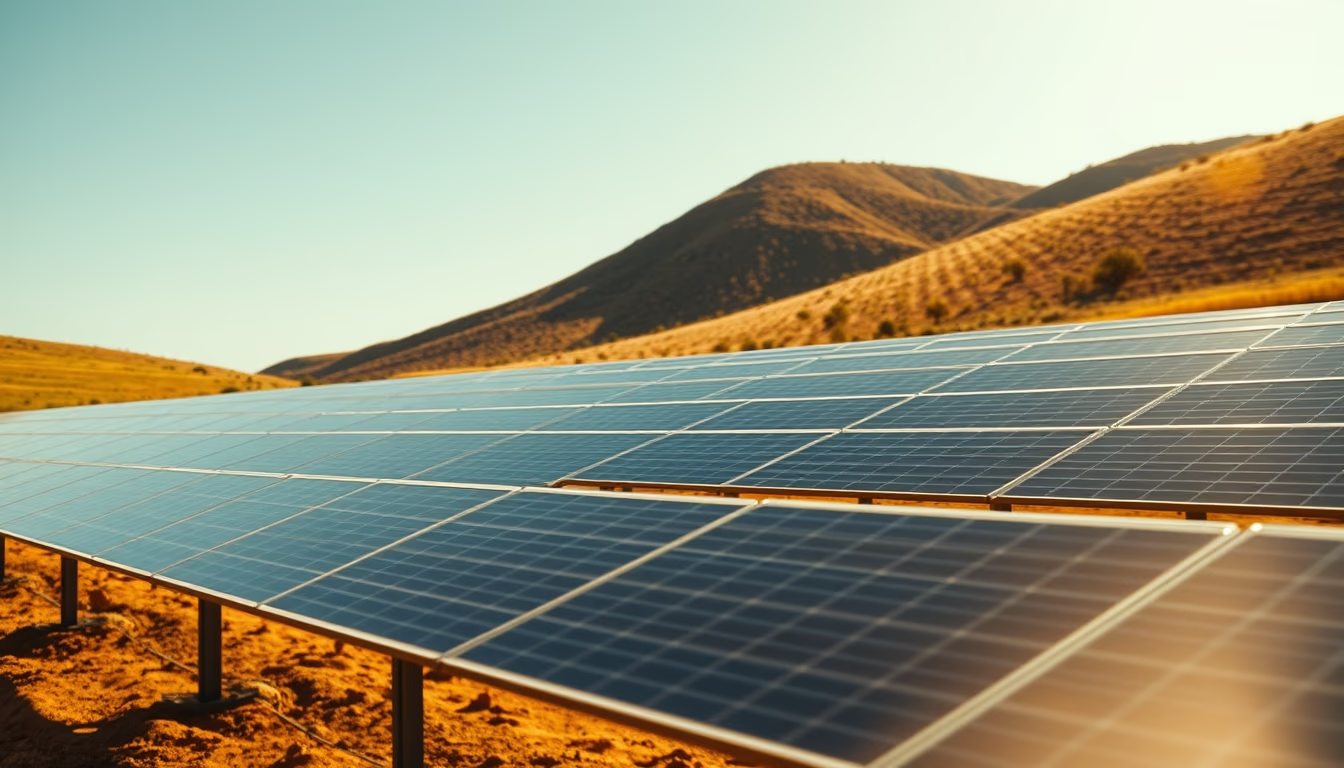
Large-scale solar farm installed in the Brazilian semi-arid region, harnessing high irradiation in the sertão to generate renewable energy.
About this subject
The Brazilian sertão, characterized by caatinga vegetation and a semi-arid climate, receives one of the highest solar irradiation levels in the country, averaging over 2,000 kWh/m² per year. This makes the region strategic for large-scale photovoltaic plants, such as the one depicted in the image. Brazil currently has over 10 GW of installed solar capacity, and the Northeast concentrates about 40% of the country's large solar parks. The plant in the image covers a vast area of caatinga, with thousands of photovoltaic panels arranged in rows following the gentle terrain of the sertão. Site selection considers not only irradiation but also proximity to transmission lines and availability of flat land. The generated energy is fed into the National Interconnected System (SIN), supplying distant urban centers like Recife and Salvador. The installation of solar parks in the sertão has sparked debates on environmental and social impacts, such as suppression of native vegetation and competition with small-scale agriculture. On the other hand, environmental compensation projects and local job creation are often negotiated. The landscape in the image, with the low sun of late afternoon, highlights the contrast between photovoltaic technology and the arid environment, a symbiosis that places Brazil among global leaders in solar energy, with potential to exceed 30 GW by 2030.
Frequently Asked Questions
Why is the Brazilian sertão ideal for solar farms?
The sertão receives high solar irradiation, averaging over 2,000 kWh/m² per year, and has vast, low-cost flat lands near transmission lines connected to the National Interconnected System.
What is the environmental impact of a solar park in the sertão?
Installation requires clearing native caatinga vegetation, which can affect local biodiversity. However, projects often include environmental compensation, such as reforestation in adjacent areas.
How many jobs does a solar park generate in the region?
During construction, hundreds of direct jobs may be created, and during operation, dozens of permanent positions for maintenance and monitoring, benefiting local communities.
Direct URL
https://pub-c7d6a6ea828543ac903a74a341ccb2e1.r2.dev/imagens/solar-panel-farm-in-brazilian-sertao-landscape-wide-late-afternoon-7.avifHow to credit
Include a visible link back to UtilizAí. Copy one of the snippets below:
<a href="https://xn--utiliza-eza.com/en/midia/imagens/solar-panel-farm-in-brazilian-sertao-landscape-wide-late-afternoon-7">Solar panel farm in dry Brazilian landscape</a> by <a href="https://xn--utiliza-eza.com">UtilizAí</a>, licensed under <a href="https://creativecommons.org/licenses/by/4.0/">CC BY 4.0</a>.
[Solar panel farm in dry Brazilian landscape](https://xn--utiliza-eza.com/en/midia/imagens/solar-panel-farm-in-brazilian-sertao-landscape-wide-late-afternoon-7) by [UtilizAí](https://xn--utiliza-eza.com), CC BY 4.0
License: CC-BY-4.0