Solar panel farm in dry Brazilian landscape
1344×768 · AVIF · CC BY 4.0
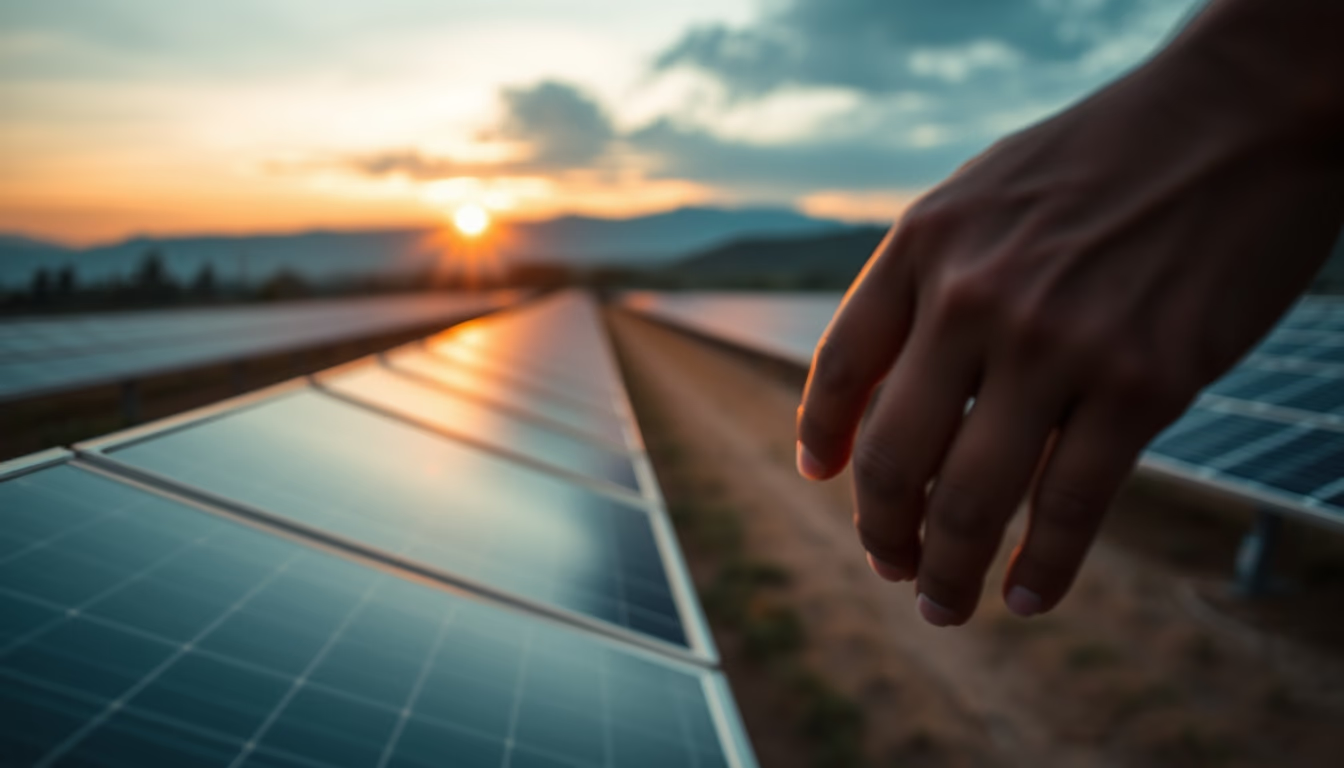
A solar photovoltaic farm in the Brazilian hinterland generates clean energy in a high-irradiation area, boosting the country's renewable energy matrix.
About this subject
The Brazilian sertão, a semi-arid region covering mainly the Northeast states like Bahia, Pernambuco, and Ceará, has become a hub for photovoltaic solar energy generation. The high solar irradiation, with annual averages exceeding 2,000 kWh/m², makes the area ideal for solar farms. In 2023, Brazil's installed solar capacity surpassed 30 GW, with a large share coming from parks in the sertão. These ventures take advantage of low-cost land and dry climate, which reduces panel maintenance needs.
Deploying solar farms in the sertão brings economic development to historically impoverished regions, creating jobs in construction and operation. Moreover, the generated energy is fed into the National Interconnected System (SIN), helping diversify Brazil's electricity matrix, which is already mostly renewable (hydroelectric). In 2022, solar power accounted for about 11% of total generation, with a growing trend. Parks like those in Juazeiro (BA) and São Gonçalo (PI) are examples of large-scale projects.
The environmental impact is positive, as solar generation emits no CO₂ during operation, contributing to Brazil's decarbonization goals. However, installing large plants requires planning to avoid conflicts with the native Caatinga vegetation, typical of the sertão. Measures like maintaining ecological corridors and using dry cleaning systems (without water) minimize impacts. Solar energy in the sertão also benefits isolated communities that previously relied on diesel generators.
The close-up photograph at dusk highlights the panels against the orange sky of the sertão, showcasing the harmony between technology and arid landscape. The contrast between the geometric lines of the modules and the natural curves of the terrain symbolizes the ongoing energy transition. With its solar potential, Brazil can become a global leader in clean energy, and the sertão is key to this transformation.
Frequently Asked Questions
Why is the Brazilian sertão ideal for solar energy?
The sertão has high solar irradiation, averaging over 2,000 kWh/m² per year, low-cost land, and a dry climate that reduces panel cleaning needs. These factors make the region economically viable for photovoltaic plants.
What are the main environmental impacts of solar farms in the sertão?
Solar generation emits no CO₂, but installation can affect native Caatinga vegetation. Measures such as ecological corridors and dry cleaning minimize impacts. Overall, the environmental balance is positive.
How does solar energy benefit local communities?
Besides creating jobs in construction and operation, solar energy can replace diesel generators in isolated areas, reducing costs and pollution. Land lease revenue also supplements income for small landowners.
Direct URL
https://pub-c7d6a6ea828543ac903a74a341ccb2e1.r2.dev/imagens/solar-panel-farm-in-brazilian-sertao-landscape-closeup-twilight-2.avifHow to credit
Include a visible link back to UtilizAí. Copy one of the snippets below:
<a href="https://xn--utiliza-eza.com/en/midia/imagens/solar-panel-farm-in-brazilian-sertao-landscape-closeup-twilight-2">Solar panel farm in dry Brazilian landscape</a> by <a href="https://xn--utiliza-eza.com">UtilizAí</a>, licensed under <a href="https://creativecommons.org/licenses/by/4.0/">CC BY 4.0</a>.
[Solar panel farm in dry Brazilian landscape](https://xn--utiliza-eza.com/en/midia/imagens/solar-panel-farm-in-brazilian-sertao-landscape-closeup-twilight-2) by [UtilizAí](https://xn--utiliza-eza.com), CC BY 4.0
License: CC-BY-4.0