Shoji screen wooden
1344×768 · AVIF · CC BY 4.0
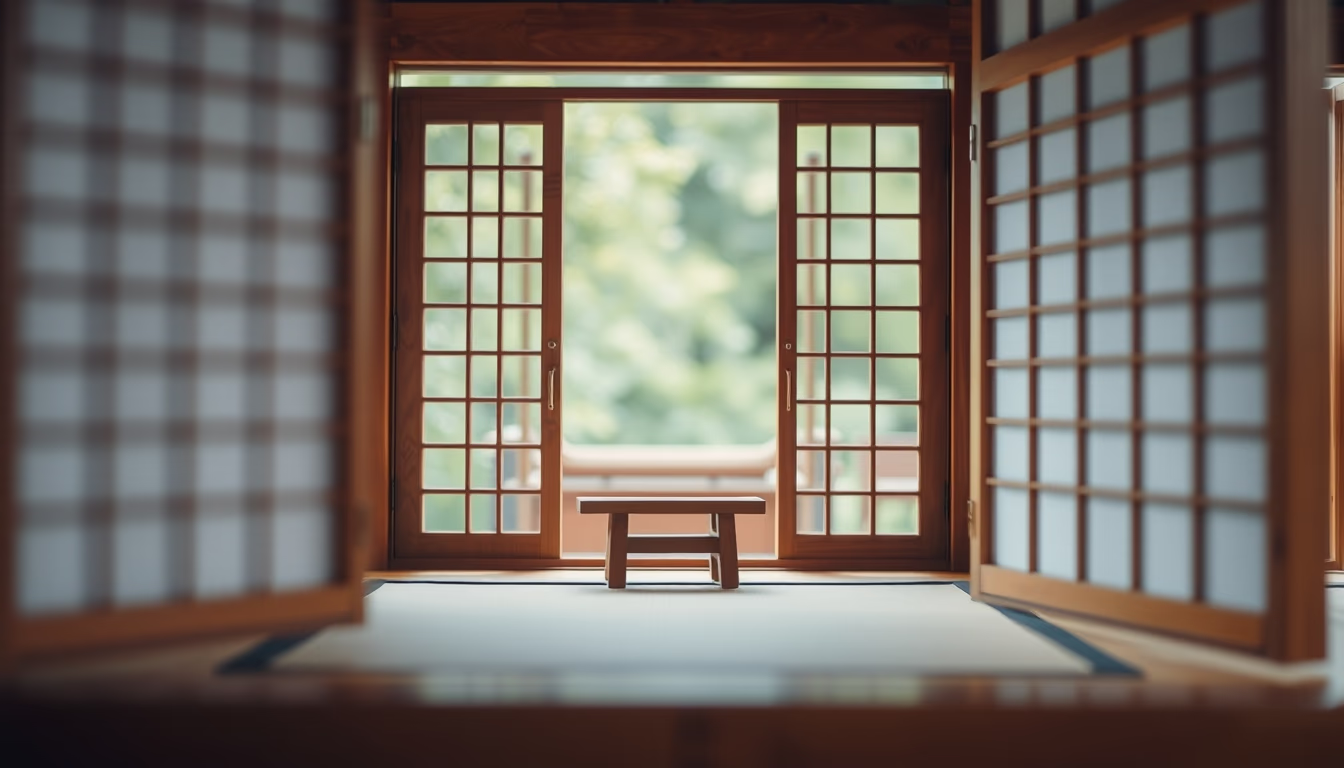
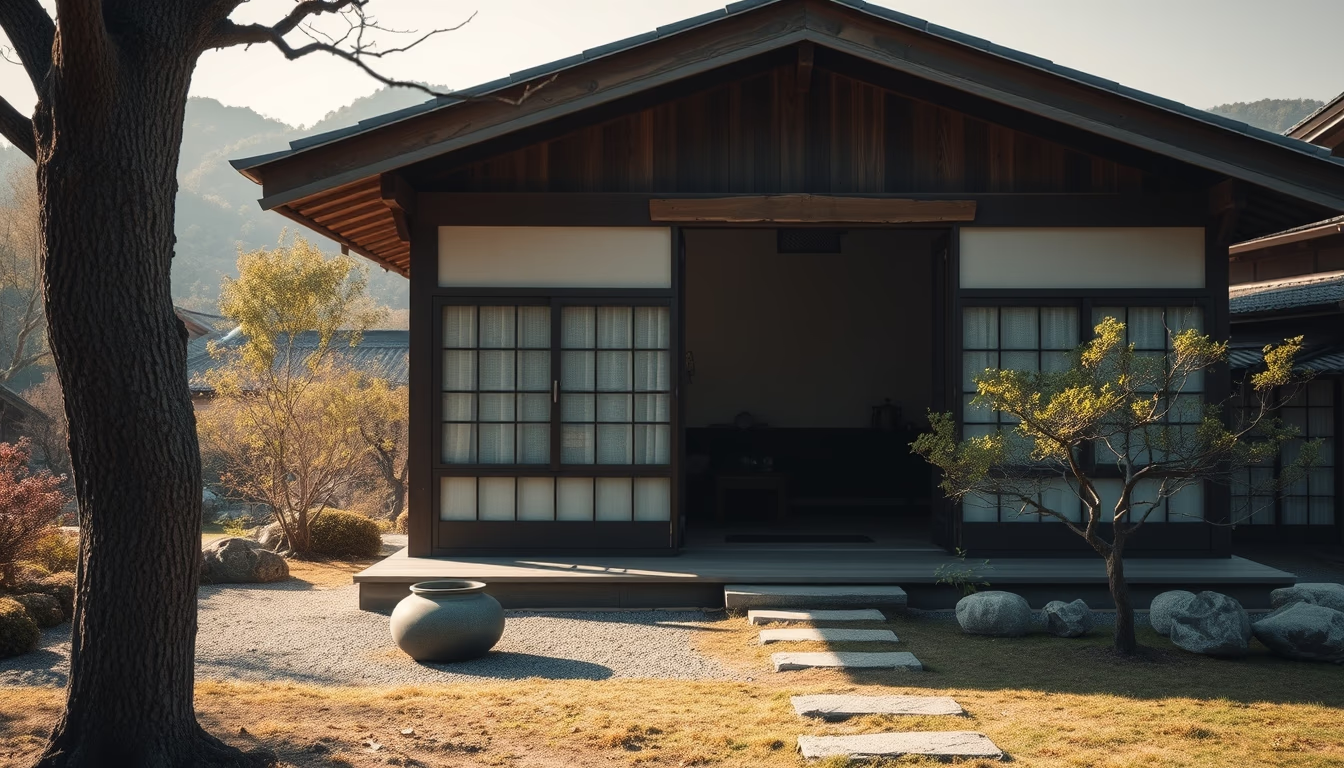
Shoji screens are Japanese sliding panels made of wood and rice paper, dividing spaces with lightness and minimalist aesthetics.
About this subject
Shoji screens are traditional Japanese architectural elements used as sliding doors, windows, or room dividers. They consist of a wooden frame, typically made of cedar or hinoki cypress, with a fine lattice (kumiko) that supports sheets of washi, a handmade paper from mulberry fibers. This combination allows soft, diffused light to pass through, creating a calm and serene atmosphere.
Originating in the Heian period (794, 1185), shoji evolved from folding screens and fixed panels. During the Muromachi period (1336, 1573), they became common in homes and temples, especially in tea rooms. The simple, modular design reflects the wabi-sabi aesthetic, embracing imperfection and transience. The wood is often left unpainted to highlight its natural grain.
In modern Japan, shoji are found in both traditional houses and contemporary buildings seeking a zen touch. They are valued for providing privacy without blocking light and for aiding natural ventilation. Maintenance involves periodic paper replacement, a practice that keeps the space refreshed.
Interestingly, shoji influenced Western design, particularly 20th-century modernism, which favored clean lines and harmony with nature. Architects like Frank Lloyd Wright adapted the concept in their projects. Today, contemporary versions use materials such as frosted glass and aluminum while preserving the original aesthetic.
Frequently Asked Questions
What is the origin of shoji screens?
Shoji originated in the Heian period (794, 1185) in Japan, evolving from folding screens and fixed panels. They became common in homes and temples from the Muromachi period (1336, 1573).
How are shoji screens constructed?
They consist of a wooden frame, typically cedar or hinoki, with a lattice called kumiko that holds washi paper. The wood is left unpainted to highlight its natural grain.
Are shoji screens only used in traditional Japanese houses?
No. While iconic in traditional architecture, they are also used in modern designs seeking soft lighting and minimalist aesthetics, including in Western architecture.
Direct URL
https://pub-c7d6a6ea828543ac903a74a341ccb2e1.r2.dev/imagens/shoji-screen-wooden-tilt-shift-miniature-fresh6.avifHow to credit
Include a visible link back to UtilizAí. Copy one of the snippets below:
<a href="https://xn--utiliza-eza.com/en/midia/imagens/shoji-screen-wooden-tilt-shift-miniature-fresh6">Shoji screen wooden</a> by <a href="https://xn--utiliza-eza.com">UtilizAí</a>, licensed under <a href="https://creativecommons.org/licenses/by/4.0/">CC BY 4.0</a>.
[Shoji screen wooden](https://xn--utiliza-eza.com/en/midia/imagens/shoji-screen-wooden-tilt-shift-miniature-fresh6) by [UtilizAí](https://xn--utiliza-eza.com), CC BY 4.0
License: CC-BY-4.0