Shoji screen wooden
1344×768 · AVIF · CC BY 4.0
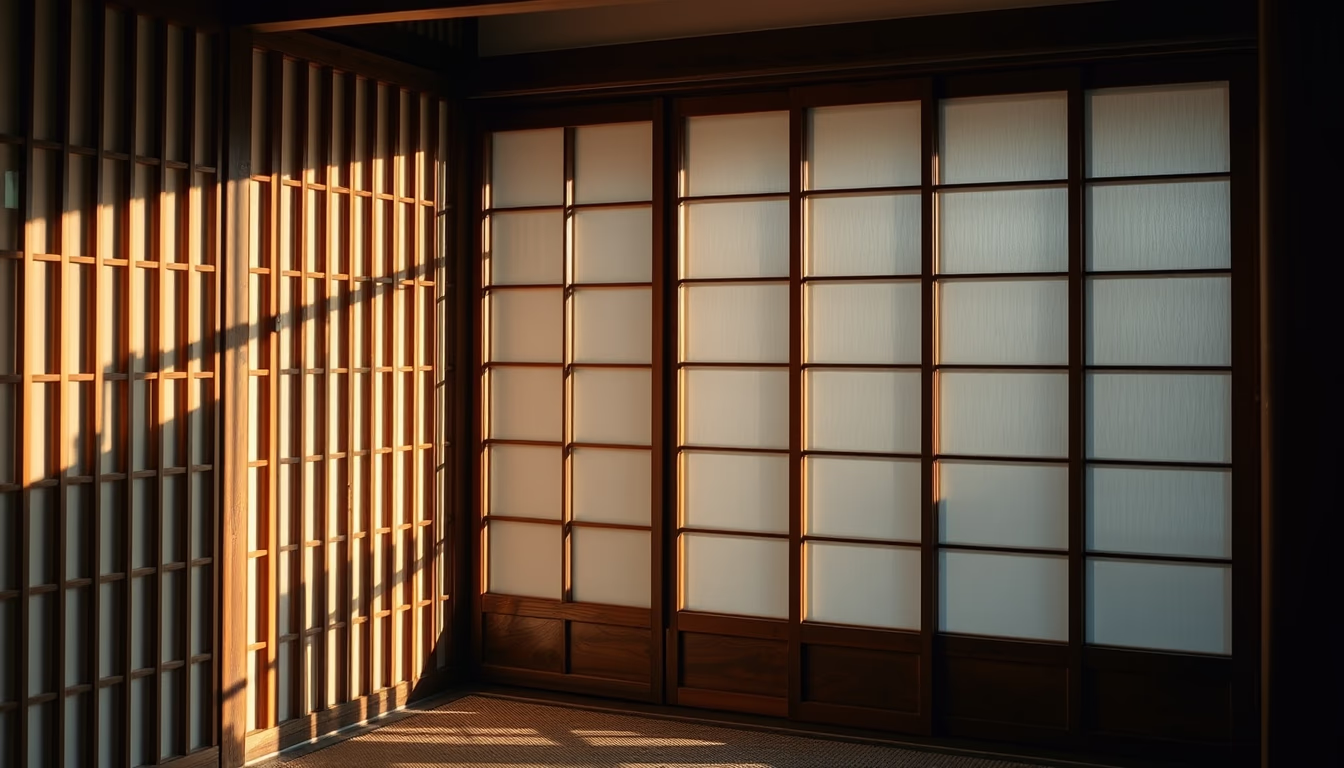
Wooden shoji screen, a classic of Japanese architecture blending functionality and zen aesthetics, softly lighting and dividing spaces.
About this subject
A shoji is a traditional Japanese sliding panel made of a wooden frame and translucent washi paper. Its origins date back to the Heian period (794, 1185), when they were introduced as lightweight partitions in aristocratic homes. Unlike fixed walls, shoji allow diffused light to pass through, creating a soft, meditative atmosphere essential in Zen temples and tea houses. The wood used is typically cedar or Japanese cypress (hinoki), treated for humidity resistance, while washi paper, made from mulberry fibers, offers durability and a unique texture that filters natural light.
The construction of a shoji follows fine joinery techniques, with precise interlocking without nails, allowing easy disassembly and repair. The wooden slats form a grid (kumiko) that can range from simple patterns to elaborate geometric designs like asanoha (hemp leaf). This craft is considered an art form in Japan, passed down through generations. Beyond spatial function, shoji also serve an aesthetic role: they can be decorated with paintings or calligraphy on the paper, making them a changeable decorative element.
In Japanese culture, shoji represent transience and simplicity, core values of Zen. They allow light to shift throughout the day, creating dynamic spaces that evoke impermanence (mujo). In temples like Kinkaku-ji and Ryoan-ji, shoji control views of rock gardens, integrating interior and exterior. Today, shoji are also adapted in Western interior design as room dividers in lofts or sliding doors in minimalist homes, blending Japanese tradition with modern functionality.
An interesting fact: the washi paper of shoji is replaced annually in many Japanese homes, especially at New Year, as part of ritual cleaning. This habit maintains translucency and purity, reinforcing the cycle of renewal. Observing a shoji reveals light filtering through the paper fibers, creating soft shadows that evoke the seasons, an invitation to contemplation, typical of Zen aesthetics.
Frequently Asked Questions
What is the difference between a shoji and a fusuma?
Shoji uses translucent washi paper allowing light to pass, while fusuma is an opaque panel covered with thicker paper or fabric, used for full privacy between rooms.
Does the washi paper on a shoji need frequent replacement?
Yes, traditionally it is replaced annually, especially at New Year, to maintain translucency and clean aesthetics, and to repair any tears from daily use.
Can shoji be installed in Western homes?
Yes, many designers adapt shoji as sliding dividers, doors, or screens, blending Japanese lightness with modern interiors, provided there is space for the track mechanism.
Direct URL
https://pub-c7d6a6ea828543ac903a74a341ccb2e1.r2.dev/imagens/shoji-screen-wooden-magazine-editorial-fresh15.avifHow to credit
Include a visible link back to UtilizAí. Copy one of the snippets below:
<a href="https://xn--utiliza-eza.com/en/midia/imagens/shoji-screen-wooden-magazine-editorial-fresh15">Shoji screen wooden</a> by <a href="https://xn--utiliza-eza.com">UtilizAí</a>, licensed under <a href="https://creativecommons.org/licenses/by/4.0/">CC BY 4.0</a>.
[Shoji screen wooden](https://xn--utiliza-eza.com/en/midia/imagens/shoji-screen-wooden-magazine-editorial-fresh15) by [UtilizAí](https://xn--utiliza-eza.com), CC BY 4.0
License: CC-BY-4.0